

P0751 on 2011-2018 Kia Sorento: Shift Solenoid 'A' Performance Causes and Fixes
P0751 on a 2011-2018 Sorento most often means a faulty transmission shift solenoid or low/dirty fluid. The fix usually involves replacing the internal shift solenoid 'A' and changing the transmission fluid, costing between $350 and $700 at a shop. A failing internal wiring harness or transmission temperature sensor are also very common culprits on this specific vehicle.
- P0751 on your Sorento points to an internal transmission problem, most likely a bad shift solenoid.
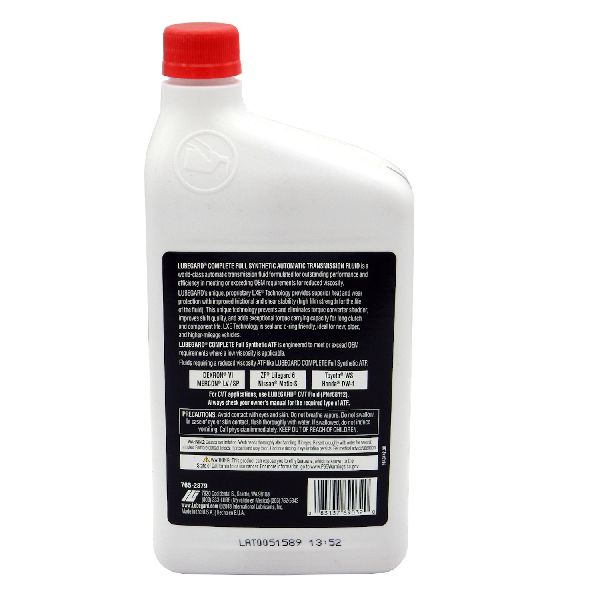
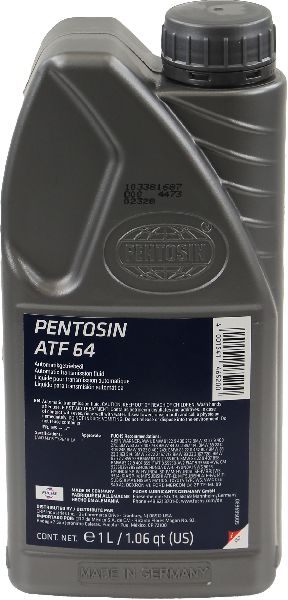
- Always start by checking the transmission fluid level and condition. Use only SP-IV compatible fluid.
- This is not a DIY-friendly repair for beginners. It requires removing the transmission valve body.
- Due to the high labor cost, it is wise to replace all 8 shift solenoids and the internal wiring harness at the same time to prevent future issues.
- Do not confuse the internal shift solenoid with the shifter interlock solenoid in the console; they are completely different parts.
What's Unique About the 2011-2018 Kia Sorento
The 2011-2018 Kia Sorento uses a 6-speed automatic transmission from the A6MF/A6LF family, which is known for several specific weaknesses. While P0751 is a generic code, on this platform it's very frequently an internal transmission issue. Beyond just the solenoid itself, two other components are common points of failure: the internal wiring harness, which becomes brittle from heat, and the transmission fluid temperature sensor, which can fail and cause erratic shifting and incorrect line pressure, leading to solenoid performance codes. A common misdiagnosis is confusing the internal shift solenoid with the 'shift interlock solenoid' in the center console, which only prevents shifting from Park without the brake applied and will not cause a P0751 code.
Generation note: This guide covers the second generation (XM, 2011-2015) and the third generation (UM, 2016-2018) Sorento. Both generations use a similar 6-speed automatic transmission (A6MF/A6LF family), and the causes and fixes for P0751 are generally the same across this year range.
Symptoms You May Notice
- Check Engine Light is on
- Transmission is stuck in one gear (often called 'limp mode' or 'fail-safe mode')
- Harsh, delayed, or erratic shifting between gears
- Transmission slipping
- Failure to shift into or out of certain gears
- Reduced fuel economy
- Vehicle may not move when put in gear
- Replacing the Shift Interlock Solenoid. This part is in the center console shifter and prevents shifting from Park without braking. It has nothing to do with the P0751 code, which is for an internal transmission solenoid. A replacement can cost $211-$274 and will not fix the issue.
Most Likely Causes
- Low or Dirty Transmission Fluid 🔴 High Probability → Shop Transmission Assembly Fluid is the hydraulic lifeblood of the transmission. Over time, it degrades and picks up clutch material and metal shavings, which can clog the tiny passages and screens within the solenoids, causing them to stick.
How to confirm: Check the transmission fluid level and condition using the fill/check plug procedure (most of these models do not have a dipstick). The fluid should be bright red and clear, not brown, black, or smelling burnt. A fluid check is the first and most important diagnostic step.
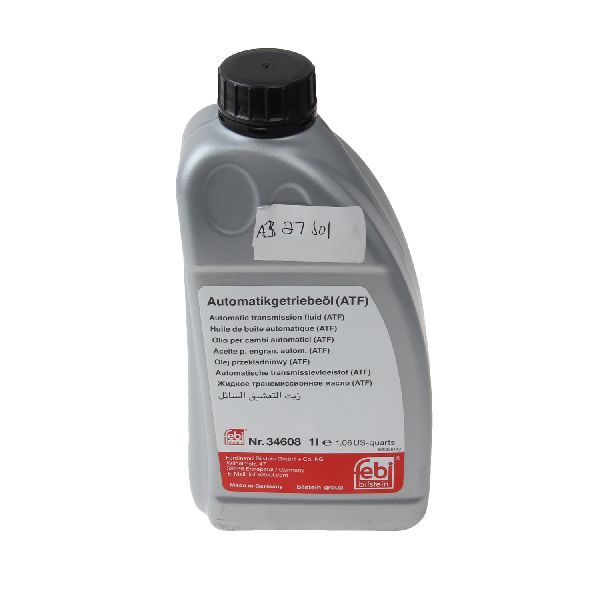
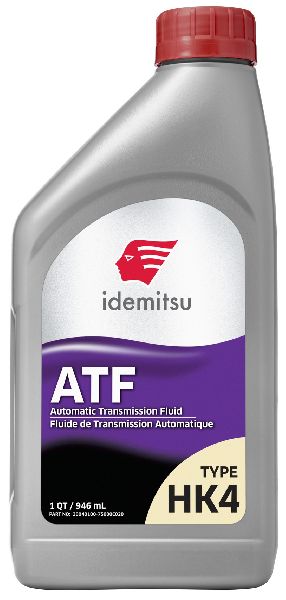
Typical fix: Perform a transmission fluid drain and fill. If the fluid is very dirty, a full fluid exchange may be recommended. Always use Kia/Hyundai SP-IV specification fluid.
Est. part cost: $60-$120 - Faulty Shift Solenoid 'A' 🔴 High Probability → Shop Transmission Valve Body The solenoids in this transmission family are a well-documented failure point, acknowledged by Kia in service bulletins (e.g., TSBTRA051R1). The electronic coil inside the solenoid can fail (open or short circuit), or the mechanical valve can get stuck from debris.
How to confirm: After removing the transmission pan and valve body, the solenoid's resistance can be tested with a multimeter. For the A6MF transmission, the on/off shift solenoids should measure approximately 10-11 ohms. A reading far outside this range indicates a bad solenoid.
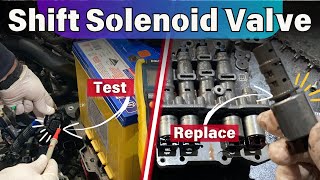
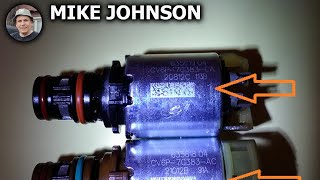
Typical fix: Replace the faulty solenoid. It is highly recommended to replace the entire set of 8 solenoids as a kit, as the labor to access them is significant 🎬 See this walkthrough for removing and replacing the solenoids. and they tend to fail around the same time.
Est. part cost: $80-$140 for one OEM solenoid, $200-$400 for a full aftermarket kit. - Damaged Internal Transmission Wiring Harness 🟡 Medium Probability → Shop Transmission Assembly The wiring harness inside the transmission is constantly submerged in hot fluid, which makes the plastic insulation brittle, causing it to crack and peel over time. This leads to short circuits between wires, which can trigger multiple solenoid codes, including P0751.
How to confirm: This is typically found after replacing a solenoid and the code returns. A visual inspection of the harness (after removing the valve body) may reveal cracked or peeling wires. A continuity test from the TCM connector to the solenoid connector can also pinpoint a break.
Typical fix: Replace the internal transmission wiring harness (OEM Part # 46307-3B650). Many technicians recommend replacing this harness anytime the valve body is removed for solenoid work.
Est. part cost: $100-$200 - Blocked or Faulty Valve Body ⚪ Low Probability → Shop Transmission Valve Body Debris from normal wear can clog the small hydraulic passages within the aluminum valve body, preventing fluid from reaching the solenoid or clutch packs. This can happen even if the solenoid itself is functioning correctly.
How to confirm: This is usually diagnosed after solenoids and wiring have been ruled out. The valve body can be removed and inspected for sticking spools or blockages. Advanced scan tools may show pressure discrepancies.
Typical fix: The valve body can sometimes be professionally cleaned and rebuilt. In other cases, it must be replaced.
Est. part cost: $500-$1200
Rare But Worth Checking
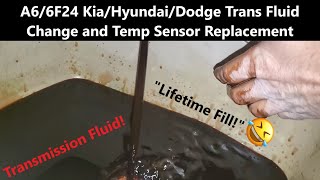
- Failing Transmission Fluid Temperature Sensor: → Shop Transmission Assembly This is a very common failure on the A6MF/A6LF transmission family and is covered by Kia TSB TRA-045. 🎬 Watch: How to replace the temperature sensor and fluid. A faulty sensor can report incorrect fluid temperatures to the TCM. The TCM may then command excessively high line pressure, causing harsh shifts and potentially setting performance codes for solenoids as it tries to compensate. It can cause codes P0711, P0712, or P0713.
- Failing Transmission Control Module (TCM): → Shop Transmission Assembly A faulty TCM is rare but possible. This should only be considered after all other possibilities, including all wiring between the TCM and transmission, have been thoroughly checked. This often requires professional diagnosis with advanced scan tools to monitor solenoid commands and feedback.
Diagnosis Steps
- Check the transmission fluid level and condition. If low, top it off with SP-IV fluid and see if the issue resolves. If dirty or burnt, perform a fluid and filter change.
- Use a capable scan tool to check for any other pending or active codes, paying close attention to other solenoid codes or temperature sensor codes (P0711, P0712, P0713).
- Monitor the transmission fluid temperature reading on the scan tool. If it's stuck at a default value (like 176°F) or doesn't change, the temperature sensor is likely faulty.
- If the fluid and temperature sensor are okay, the next step is to inspect the transmission's internal components. Drain the fluid and remove the transmission pan.
- Visually inspect the fluid in the pan and the magnet for excessive metal shavings, which would indicate a more severe mechanical failure requiring a rebuild or replacement.
- Remove the valve body to access the solenoids and wiring harness.
- Test the resistance of Shift Solenoid 'A' with a multimeter. It should be around 10-11 ohms. If it's out of spec, it's bad.
- While the valve body is out, carefully inspect the internal wiring harness for any signs of cracked, brittle, or peeling insulation. Check for continuity on the suspect circuit.
- If the solenoid and wiring appear good, the issue may be a blockage in the valve body itself or a failing TCM.
Parts You'll Likely Need
- Transmission Shift Solenoid
(OEM #46313-3B075)— This specific on/off solenoid (often labeled SSA/SSB) is the component identified by the code and is a common failure item. This part number supersedes older versions.
Trusted brands: Kia/Hyundai (OEM)
OEM price range: $80-$140
Aftermarket price range: $40-$70 - Transmission Solenoid Kit (8-pack)
(OEM #N/A (Kits are typically aftermarket))— Since all solenoids are the same age and live in the same harsh environment, it is cost-effective to replace all of them at once to prevent future failures.
Trusted brands: Rostra, TC Remanufacturing
OEM price range: N/A
Aftermarket price range: $200-$400 - Internal Transmission Wiring Harness
(OEM #46307-3B650)— The insulation on the original harness becomes brittle from heat and flu
Related Codes That Often Appear With This One
- P0756 — This code is for Shift Solenoid 'B'. Since the solenoids are in the same assembly and subject to the same conditions (fluid quality, heat, harness condition), it's common for them to fail in a similar timeframe.
- P0761 — This code is for Shift Solenoid 'C'. Like P0756, a failure of one solenoid often points to a systemic issue (like bad fluid or a failing harness) that affects the others.
- P0711, P0712, P0713 — These codes are for the Transmission Fluid Temperature Sensor. A failing sensor is a common issue on this platform and can cause the harsh shifting that leads to a P0751 performance code being set.
Technical Service Bulletins (TSBs) & Recalls
- TSB TRA-045: Addresses replacement of the transaxle oil temperature sensor for DTCs P0711, P0712, and P0713, which can cause related shifting symptoms.
- TSB TSBTRA051R1: Acknowledges high failure rates for shift solenoids in 6-speed automatic transmissions and advises replacing the individual solenoid rather than the entire transaxle for codes like P0753 (the electrical fault version of P0751).
Platform-Specific Known Issues
- Transmission Temperature Sensor Failure: → Shop Transmission Assembly A widely-known issue on the 2011-2018 Sorento is the failure of the internal transmission fluid temperature sensor. When it fails, the TCM defaults to a safe mode, often commanding maximum line pressure, which results in very harsh shifting and can trigger solenoid performance codes like P0751. This is covered by TSB TRA-045.
- Brittle Internal Wiring Harness: → Shop Transmission Wiring Harness The internal wiring harness that connects the solenoids is prone to heat degradation. The insulation cracks, leading to shorts that can cause single or multiple solenoid codes. It is often recommended to replace this harness (Part # 46307-3B650) preventatively whenever the valve body is removed.
Mechanic-Grade Diagnostic Values
- Shift Solenoid 'A' (On/Off type) Coil Resistance — expected: 10 - 11 Ohms. Failure: A reading of infinite Ohms (open circuit) or near-zero Ohms (short circuit).
- Variable Force Solenoid (VFS) Coil Resistance — expected: 5.1 Ohms ± 0.3. Failure: A reading significantly outside this range. Note: This is for VFS solenoids, not the on/off Shift Solenoid 'A'.
- Transmission Fluid Temperature Sensor Voltage — expected: Approx. 3.2 Volts at 104°F (40°C), dropping to approx. 0.29 Volts at 302°F (150°C).. Failure: Voltage that is stuck, does not change with temperature, or is grossly out of this range indicates a sensor or wiring fault.
Scan Tool Commands That Help
- Kia GDS or equivalent professional scan tool: Solenoid Activation Test / Bidirectional Control — After checking fluid, use this to command Shift Solenoid 'A' on and off. A functional solenoid should produce an audible click from the transmission pan. No click suggests a failed solenoid or an open/short in the wiring.
- Kia GDS: ECU Upgrade / TCM Software Update — Always check for available TCM software updates, as Kia has released logic improvements for various transmission issues. While not a direct fix for a failed part, an update can resolve software-related shift strategy problems that may contribute to performance codes.
OEM Part Supersession History
46307-3B610, 46307-3B620→46307-3B650— Standard part revision and improvement.
Heads up: The newer 46307-3B650 harness is the correct replacement for the earlier versions and should be used.
Model Year Variations Within This Range
- All (2011-2018): The original internal wiring harness had a separate, detachable transmission fluid temperature sensor. The updated replacement harness (46307-3B650) has the temperature sensor integrated as part of the harness assembly. Technicians recommend always upgrading to the new-style integrated harness when performing internal repairs.
Diagnostic Flowchart
Used vs. New Parts: Buying Guide for This Vehicle
When a used part is the smart pick: For this specific repair, sourcing used internal transmission components is not recommended. The failure modes of the solenoids and wiring harness are directly related to heat cycles and age, meaning a used part from a junkyard is likely to have similar wear and a short remaining lifespan.
Donor-vehicle mileage cap: roughly under 30000 miles for the part to have meaningful remaining life.
What to inspect on the donor part:
- If considering a used valve body, it should come from a vehicle with verifiable low mileage (under 30k) and no history of transmission issues.
- Avoid any parts from a vehicle where the transmission fluid was burnt or contained excessive metal shavings.
- Never purchase a used internal wiring harness, as its plastic insulation will be just as brittle as the part you are replacing.
OEM-only on this vehicle (don't cheap out):
- Internal Transmission Wiring Harness: Due to the harsh environment (submerged in hot fluid), the quality of the plastic insulation is critical. OEM or a direct equivalent from a reputable transmission parts supplier is the only safe bet.
- Valve Body: Given the known issue of bore wear, a new or professionally remanufactured (with oversized valves and reamed bores) valve body is a much safer investment than a used one.
Aftermarket brands forum-validated for this vehicle:
- Rostra (for solenoids)
- TransGo (for valve body repair kits)
- Sonnax (for valve body repair kits)
Brands owners have reported issues with on this vehicle:
- Generic, unbranded solenoid kits from online marketplaces are a gamble. While some may work, failure rates are higher, and the significant labor cost to re-do the job makes them a poor value proposition.
Real Owner Stories
Aggregated from forums and TSBs cited above. Mileages and costs reflect what owners reported in those sources.
2011 Sorento
Symptoms: Vehicle displayed a P0751 trouble code.
What fixed it: Initial attempts to fix the issue by replacing the solenoid failed. The problem ultimately required a complete transmission replacement, which was performed under warranty.
Source hint: kia-forums.com - '2011 Sorento Transmission Problem P0751'
Related OBD-II Codes
Frequently Asked Questions
My mechanic says the P0751 code on my 2012 Sorento means a bad solenoid. Should I replace just the one or the whole set?
Besides the check engine light, my Sorento is shifting very harshly. Is this related to the P0751 code?
What is the correct transmission fluid to use for a 2011-2018 Kia Sorento when addressing a P0751?
The mechanic is removing the valve body to replace the solenoids. Is there anything else they should inspect or replace at the same time?
I saw TSB TSBTRA051R1 mentioned for this transmission. What does it say?
My Hyundai Santa Fe has a P0751 code. Is the information for the Sorento applicable?
Can low or dirty transmission fluid really cause my Sorento to get stuck in one gear?
Helpful Videos


We Have This Part in Stock


The information in this article is provided for general reference and educational purposes only. Vehicle specifications, procedures, and part compatibility can vary by production date, trim level, and region. Always consult your vehicle's factory service manual and verify part numbers before purchasing or performing repairs. Safety-critical components such as airbags, seat belts, and braking systems should be installed by a qualified professional.
- Kia Sorento:
- 🧭 Diagnostic Flowchart
- 🎬 Helpful Videos
- 🛍️ Shop This Part
- What's Unique About the 2011-2018 Kia Sorento
- Symptoms You May Notice
- Most Likely Causes
- Rare But Worth Checking
- Diagnosis Steps
- Parts You'll Likely Need
- Related Codes That Often Appear With This One
- Technical Service Bulletins (TSBs) & Recalls
- Platform-Specific Known Issues
- Mechanic-Grade Diagnostic Values
- Scan Tool Commands That Help
- OEM Part Supersession History
- Model Year Variations Within This Range
- Used vs. New Parts: Buying Guide for This Vehicle
- Real Owner Stories
- 2011 Sorento
- Related OBD-II Codes
- Frequently Asked Questions
- 🎟️ Get 5% Off