

P0841 on 2013-2020 Ford Fusion: Transmission Pressure Sensor 'A' Causes and Fixes
This code indicates a problem with the Transmission Fluid Pressure Sensor 'A' circuit, often causing harsh shifting. The most common causes are low/dirty transmission fluid or a faulty sensor located inside the transmission. A fluid service is the first step, but sensor replacement is a more involved job requiring professional service.
- P0841 on a 2013-2020 Fusion means there's an issue with the transmission fluid pressure sensor 'A' circuit, usually causing shifting problems.
- Always start by checking the transmission fluid level and condition, as this is a common and inexpensive fix. This is a complex procedure on the 6F35 transmission and may require a mechanic.
- The sensor itself is the next likely culprit, but it is located inside the transmission, making replacement a labor-intensive job.
- Due to the complexity of the diagnosis and repair, seeking professional service is highly recommended to avoid causing more damage.
- Driving with this code can lead to severe and costly transmission damage.
What's Unique About the 2013-2020 Ford Fusion
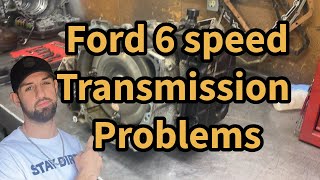
On the 2013-2020 Ford Fusion, this code is typically associated with the 6F35 6-speed automatic transmission. Unlike some vehicles where pressure sensors are easily accessible, the sensor in the 6F35 is located on the valve body, inside the transmission. This makes diagnosis and replacement more complex than a simple external part swap. Furthermore, the transmission filter is not typically serviced without a complete teardown, making clean fluid extremely important for the health of internal components like this sensor. The 6F35 transmission itself has been the subject of class-action lawsuits for a variety of alleged defects, including premature wear and harsh shifting, which can sometimes be related to pressure control issues.
Generation note: The 2013-2020 Ford Fusion is the second generation. This information applies to all non-hybrid models within this year range equipped with the 6F35 automatic transmission (typically 1.5L, 1.6L, 2.0L, and 2.5L engines).
🎬 Watch: Top 5 common problems for the 2nd Gen FusionSymptoms You May Notice
- Check Engine Light or wrench-shaped Transmission Warning Light is on
- Harsh, erratic, or delayed gear shifts
- Transmission slipping between gears
- Vehicle feels sluggish or enters 'limp mode' (stuck in one gear)
- Delayed engagement when shifting from Park to Drive or Reverse
- Decreased fuel economy
- Transmission overheating
- Replacing the TFP sensor without first verifying the transmission fluid level and condition. A simple fluid service can sometimes resolve the code.
- Condemning the entire transmission when the fault lies with an inexpensive sensor or wiring issue.
Most Likely Causes
- Low or Dirty Transmission Fluid 🔴 High Probability → Shop Transmission Assembly The 6F35 transmission lacks an easily serviceable filter, so fluid quality degrades over time. Contaminated or low fluid can directly affect hydraulic pressure readings and cause the code.
How to confirm: The fluid level and condition must be checked. This requires raising the vehicle so it's level, bringing the transmission to a specific operating temperature (185-200°F) monitored with a scan tool, and opening a check plug on the side of the transmission. Dark, burnt-smelling fluid indicates a problem.
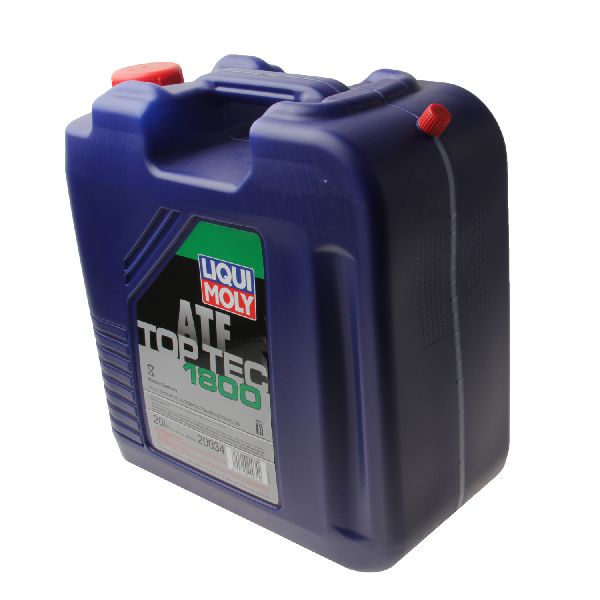
Typical fix: Perform a transmission fluid drain-and-fill using the correct fluid (Motorcraft Mercon LV). 🎬 See this step-by-step 6F35 transmission fluid change walkthrough A full fluid flush may be recommended for very dirty fluid.
Est. part cost: $50-$100 for fluid - Faulty Transmission Fluid Pressure (TFP) Sensor 'A' 🟡 Medium Probability → Shop Transmission Assembly
How to confirm: If the fluid is clean and at the correct level, the sensor is the next suspect. A technician can use a scan tool to monitor the sensor's voltage/pressure readings during operation to confirm if they are erratic or illogical. Direct testing of the sensor requires accessing it inside the transmission.
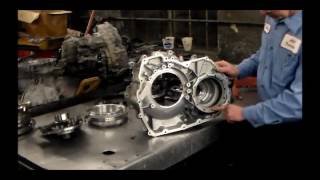
Typical fix: Replace the faulty pressure sensor. This involves draining the fluid, removing the transmission pan, and typically removing the valve body to access the sensor. 🎬 Watch: 6F35 valve body highlights and internal components The pressure sensors are often part of the lead frame or solenoid body assembly.
Est. part cost: $40-$150 - Wiring or Connector Issue ⚪ Low Probability
How to confirm: Visually inspect the main transmission wiring harness and connector for signs of damage, corrosion (especially green crust), or loose pins. A multimeter can be used to check for proper voltage and ground at the connector.
Typical fix: Repair the damaged section of wiring or clean/replace the corroded connector.
Est. part cost: $10-$50 for repair materials
Rare But Worth Checking
- Internal Valve Body Failure: → Shop Transmission Valve Body A sticking valve, a damaged check ball, or an internal leak within the valve body can cause incorrect pressure readings, mimicking a sensor failure. If a new sensor doesn't fix the issue, the valve body itself may be at fault.
- Faulty Transmission Control Module (TCM) or Powertrain Control Module (PCM): → Shop Transmission Assembly This is a rare cause. The control module should only be considered after all other possibilities (fluid, sensor, wiring, valve body) have been exhaustively ruled out.
Diagnosis Steps
- Check for other stored trouble codes that could provide more context, especially codes like P0868 (low pressure).
- Check the transmission fluid level and condition. This is the most crucial first step but requires a specific procedure and a scan tool to monitor temperature. The vehicle must be level.
- If the fluid is low, top it off with Motorcraft Mercon LV and re-test. If it's dirty or burnt, perform a drain-and-fill.
- Inspect the external transmission wiring harness and connector for any visible signs of damage, corrosion, or moisture.
- Use a professional scan tool to monitor the live data from the Transmission Fluid Pressure Sensor 'A' while driving. Observe if the readings are erratic, stuck, or do not correlate with gear changes.
- If the fluid and wiring are good but the sensor data is faulty, the problem is likely internal. The transmission pan must be removed.
- Once inside, inspect the internal wiring to the sensor. If the wiring is good, replace the Transmission Fluid Pressure Sensor. This often requires removing the valve body.
- If the issue persists after replacing the sensor, the problem may lie within the valve body or, in rare cases, the TCM/PCM.
Parts You'll Likely Need
- Transmission Fluid Pressure Sensor (Switch) — This sensor is the most common component to fail within the circuit, after fluid-related issues are ruled out. It is often integrated into the lead frame assembly on the valve body.
Trusted brands: Motorcraft, Standard Motor Products (SMP), Dorman
OEM price range: $70-$150
Aftermarket price range: $40-$90 - Motorcraft Mercon LV Automatic Transmission Fluid
(OEM #XT-10-QLVC)— This is the required fluid for the 6F35 transmission. Low or dirty fluid is a primary cause of this code. A drain and fill requires 4.5-5 quarts.
Trusted brands: Motorcraft
OEM price range: $10-$15 per quart
Related Codes That Often Appear With This One
- P0700 — This is a general transmission fault code that indicates the TCM has stored a specific code, such as P0841.
- P0868 — This code indicates 'Transmission Fluid Pressure Low'. It can appear with P0841 if the root cause is low fluid or an internal leak.
- P0840, P0842, P0843, P0844 — These are all related codes for the 'A' pressure sensor circuit, indicating general circuit faults, low input, high input, or intermittent signals, respectively.
Technical Service Bulletins (TSBs) & Recalls
- TSB 16-0043: Addresses a fluid leak from the left-hand halfshaft seal due to a worn case bushing on 6F35 transmissions in 2010-2014 Fusions, which could lead to low fluid levels.
Platform-Specific Known Issues
- The 6F35 transmission used in these Fusions has been part of a class-action lawsuit alleging numerous defects, including harsh shifting, shuddering, and premature failure, which can be related to pressure control problems.
- A known issue with the 6F35 is wear on the transmission case bushing at the left-side halfshaft seal, leading to fluid leaks (TSB 16-0043). A significant fluid leak could cause low pressure and trigger P0841.
Mechanic-Grade Diagnostic Values
- Transmission Fluid Pressure (TFP) Sensor 'A' Voltage — expected: Approx. 0.5V (low pressure, e.g., Park/Neutral) to 4.5V (high pressure, e.g., acceleration). The voltage should change smoothly as gears shift.. Failure: Voltage is stuck, erratic, or does not correspond to the current gear/engine load. A reading of 0V or 5V indicates a circuit fault.
- 6F35 Shift Solenoid Resistance (SSA, SSB, SSC, SSD, TCC, LPC) — expected: 4.00 - 5.89 Ohms at 68-86°F (20-30°C). The resistance changes with temperature.. Failure: A resistance reading outside the specified range for the current temperature indicates a faulty solenoid coil.
- 6F35 Shift Solenoid E (SSE) Resistance (On/Off type) — expected: 19.05 - 27.95 Ohms at 68-86°F (20-30°C).. Failure: A resistance reading outside the specified range for the current temperature indicates a faulty solenoid coil.
Scan Tool Commands That Help
- Ford IDS / FORScan: Live Data Monitoring (PIDs for TFP_V, TFT, OSS, TSS) — This is essential for diagnosing P0841. A technician will monitor the Transmission Fluid Pressure (TFP) voltage PID while driving to see if the sensor's readings are erratic, stuck, or illogical compared to the commanded gear and engine load.
- Ford IDS / FORScan: Clear Transmission Adaptive Tables — After replacing a valve body, lead frame, or the entire transmission, the adaptive learning tables must be reset. This forces the TCM to relearn the clutch fill times and shift pressures with the new components, which is critical for proper shift quality.
Wiring & Ground Locations
- C175T — This is a main connector at the Powertrain Control Module (PCM).. The C175T connector contains the pins for the transmission sensors and solenoids, including the TFP sensor signal. A poor connection, corrosion, or pushed-out pin at this connector can cause P0841 and other transmission codes.
- Transmission Case Ground — A ground strap or wire is typically bolted to a stud on the transmission case.. A corroded or broken ground connection for the transmission can cause erratic behavior from all electronic sensors and solenoids within it, leading to various codes including P0841.
Real Owner Repair Stories
- YouTube video by 'mazdab3k' (2010 Ford Fusion (Gen 1, but with same 6F35 transmission family)) — Harsh shifting and transmission faults.
❌ Tried (didn't work) The owner initially suspected a valve body or solenoid failure.
✅ What actually fixed it The ultimate cause was found to be rodent damage to the wiring harness leading to the transmission. Repairing the chewed wires resolved the issue. This highlights the importance of a thorough wiring inspection.
OEM Part Supersession History
AL3Z-7G276-A, AL3Z-7G276-B→AL3Z-7G276-D— This part is the molded lead frame (also called a conductor plate or internal wiring harness) for the similar 6R80 transmission, but is often referenced in relation to 6F35 issues due to similar design principles. The supersessions indicate revisions to improve reliability.
Heads up: While this part number is for the 6R80, the failure pattern of the molded lead frame is a known issue across Ford's 6-speed transmissions. Always verify the correct part number for the 6F35 specifically for your vehicle's VIN before ordering.
Model Year Variations Within This Range
- 2013-2019: The 6F35 transmission in this range is considered the 'Gen 2' version. While mechanically similar to the Gen 1, there can be minor differences in the valve body and internal components. It's important to ensure replacement parts like valve bodies or lead frames are specified for the correct generation.
Diagnostic Flowchart
Other Known Issues on This Vehicle
Issues unrelated to this code that are worth knowing about as an owner of this generation:
- 1.5L EcoBoost Coolant Intrusion 🔴 High — Common enough to warrant multiple TSBs (e.g., 19-2139, 20-2100) and a customer satisfaction program (21N12). Can lead to engine failure. (Ref: TSB 19-2139, TSB 20-2100, Customer Satisfaction Program 21N12)
- Shifter Cable Bushing Failure 🔴 High — Extremely common, affecting millions of Ford vehicles including the 2013-2016 Fusion. The bushing degrades, causing a disconnect between the shifter and transmission, potentially leading to a rollaway risk. (Ref: Ford Recalls 18S20, 19S16, and others.)
- Faulty Door Latches 🟠 Medium — A widespread issue leading to multiple recalls (e.g., 20S15). A component in the latch can break, preventing the door from latching securely or causing it to open while driving. (Ref: Ford Recalls 15S16, 20S15)
Used vs. New Parts: Buying Guide for This Vehicle
When a used part is the smart pick: A used valve body assembly is generally not recommended. The risk of acquiring a part with the same internal wear (worn bores, sticking valves) that caused the original failure is very high. A complete used transmission from a low-mileage, verified running donor vehicle could be a cost-effective alternative to a full rebuild, but the valve body itself is a poor candidate for a used part.
Donor-vehicle mileage cap: roughly under 70000 miles for the part to have meaningful remaining life.
What to inspect on the donor part:
- Verify the donor vehicle's mileage and history if possible.
- Ask for a warranty (even 30-90 days) from the salvage yard.
- Avoid parts from vehicles that show signs of major impact or flood damage.
OEM-only on this vehicle (don't cheap out):
- Transmission Fluid (Motorcraft Mercon LV is strongly recommended).
- Molded Lead Frame / Conductor Plate (Aftermarket versions exist, but OEM Motorcraft parts have the highest reported success rate).
Aftermarket brands forum-validated for this vehicle:
- For a valve body, a professionally 'remanufactured' unit from a specialist like Street Smart Transmission or Sonnax (who makes repair kits) is a better choice than used. These are rebuilt to correct known factory flaws.
Brands owners have reported issues with on this vehicle:
- Unbranded, no-name electronic parts (sensors, lead frames) from online marketplaces should be avoided due to high failure rates.
Real Owner Stories
Aggregated from forums and TSBs cited above. Mileages and costs reflect what owners reported in those sources.
2007 Ford Fusion SE 4cyl
Symptoms: The vehicle was experiencing hard shifting.
What fixed it: A transmission fluid service did not resolve the hard shifting, indicating the problem was likely an internal component like a faulty pressure sensor or solenoid.
Source hint: Ford Fusion Forum - '2007 Ford Fusion SE 4cyl hard shift P0841'
2014 Ford Fusion
Symptoms: A transmission fluid leak was noticed from the left-hand (driver's side) of the vehicle, which can lead to low fluid levels and symptoms like harsh shifting or slipping.
What fixed it: The underlying cause was a worn transmission case bushing at the halfshaft seal, a known issue. The fix involves replacing the worn bushing and seal as outlined in the service bulletin.
Source hint: TSB 16-0043
Related OBD-II Codes
Frequently Asked Questions
What is the correct transmission fluid to use for my 2013-2020 Ford Fusion when dealing with a P0841 code?
I'm experiencing very harsh shifts. Is this a known problem on these Fusions?
My mechanic found a fluid leak near the driver's side wheel. Could this be related to the P0841 code?
Is the P0841 code related to the widespread shifter cable bushing recall on my Fusion?
How difficult is it to replace the Transmission Fluid Pressure (TFP) sensor?
Is it a good idea to install a used valve body to fix this problem?
Helpful Videos


We Have This Part in Stock





The information in this article is provided for general reference and educational purposes only. Vehicle specifications, procedures, and part compatibility can vary by production date, trim level, and region. Always consult your vehicle's factory service manual and verify part numbers before purchasing or performing repairs. Safety-critical components such as airbags, seat belts, and braking systems should be installed by a qualified professional.
- Ford Fusion:
- 🧭 Diagnostic Flowchart
- 🎬 Helpful Videos
- 🛍️ Shop This Part
- What's Unique About the 2013-2020 Ford Fusion
- Symptoms You May Notice
- Most Likely Causes
- Rare But Worth Checking
- Diagnosis Steps
- Parts You'll Likely Need
- Related Codes That Often Appear With This One
- Technical Service Bulletins (TSBs) & Recalls
- Platform-Specific Known Issues
- Mechanic-Grade Diagnostic Values
- Scan Tool Commands That Help
- Wiring & Ground Locations
- Real Owner Repair Stories
- OEM Part Supersession History
- Model Year Variations Within This Range
- Other Known Issues on This Vehicle
- Used vs. New Parts: Buying Guide for This Vehicle
- Real Owner Stories
- 2007 Ford Fusion SE 4cyl
- 2014 Ford Fusion
- Related OBD-II Codes
- Frequently Asked Questions
- 🎟️ Get 5% Off