

P0841 on 2011-2016 Scion tC: Transmission Pressure Sensor 'A' Circuit Causes and Fixes
On a 2011-2016 Scion tC, code P0841 usually points to low or dirty transmission fluid, a faulty transmission fluid pressure sensor, or a wiring issue. Checking the fluid is complex as there is no dipstick. The sensor itself is inside the transmission pan and typically replaced as part of the internal wiring harness, not as a standalone part. The U760E transmission in this car has known issues with torque converter shudder, which can provide important diagnostic context.
- P0841 on your Scion tC indicates a transmission pressure problem that seriously affects shifting.
- The first step is to have the transmission fluid level and condition checked, which is a complex task on this car and best left to a professional.
- Before replacing expensive parts, thoroughly inspect the main transmission wiring connector for corrosion or damage, as this is a known issue.
- If the fluid and wiring are good, the pressure sensor itself is the next most likely cause. It is located inside the transmission pan.
- Do not ignore this code, as it can lead to more severe and costly internal transmission damage.
What's Unique About the 2011-2016 Scion tC
The 2011-2016 Scion tC uses a Toyota U760E 6-speed automatic transmission. A key characteristic of this platform is the lack of a transmission fluid dipstick. This makes the most common first diagnostic step—checking the fluid level and condition—more complex than on many other vehicles, as it requires a specific procedure involving a lift, specific fluid temperatures, and overflow plugs. Furthermore, this U760E transmission is known for a torque converter shudder issue, which was addressed by Toyota with multiple Technical Service Bulletins (TSBs) and a warranty enhancement program for platform mates like the Camry and RAV4. This history highlights the transmission's sensitivity to fluid condition and control module logic.
Symptoms You May Notice
- Check Engine Light is on
- Harsh, erratic, or delayed gear shifts
- Transmission slipping between gears
- Vehicle enters 'limp mode' (stuck in a single gear)
- Decreased fuel efficiency
- Delayed engagement when shifting from Park to Drive or Reverse
- Vehicle feels like it's starting in a higher gear (2nd or 3rd)
- Replacing the pressure sensor/harness without first checking the fluid level and condition.
- Assuming the entire transmission has failed when the cause is a simple external wiring or connector issue.
- Replacing an individual sensor when it is sold as part of a larger harness or valve body assembly.
Most Likely Causes
- Low or Dirty Transmission Fluid 🔴 High Probability → Shop Transmission Assembly Fluid is the hydraulic medium. If it's low or degraded, it cannot create the pressure the sensor expects. The lack of a dipstick can lead to neglected fluid service, and the U760E is known to be sensitive to fluid condition.
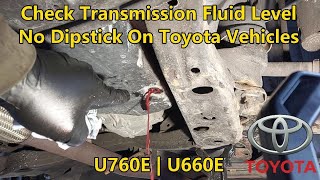
How to confirm: The fluid level must be checked via the overflow plug on the transmission case with the vehicle level and the fluid at a specific temperature (typically 95-113°F). This is best done by a professional. 🎬 Watch: How to check fluid levels without a dipstick.
Typical fix: Perform a transmission fluid drain-and-fill or flush using the correct Toyota ATF WS (World Standard) fluid.
Est. part cost: $60-$120 for fluid - Faulty Transmission Fluid Pressure Sensor 'A' / Internal Harness 🟡 Medium Probability → Shop Transmission Assembly The pressure sensor is part of the internal wiring harness, which lives in hot transmission fluid. Over time, the sensor can fail electronically or the wiring can become brittle, sending incorrect voltage signals.
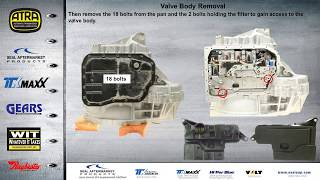
How to confirm: After confirming fluid is correct, the sensor's signal needs to be tested with a scan tool or multimeter. If the external wiring is good but the signal is erratic or incorrect, the internal sensor/harness is likely faulty. Access requires removing the transmission pan.
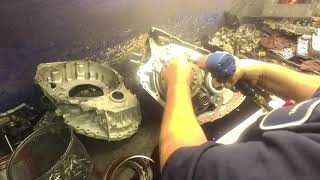
Typical fix: Replace the internal transmission wiring harness which includes the pressure sensors. This requires draining the fluid and removing the transmission pan 🎬 Watch this teardown to see the internal transmission components. and sometimes the valve body.
Est. part cost: $150-$300 for an OEM internal harness assembly - Wiring or Connector Issue (External) 🟡 Medium Probability The main transmission harness connector is exposed to the elements, and corrosion (green crust), moisture intrusion, or damaged pins can interrupt the sensor's signal.
How to confirm: Visually inspect the main transmission harness connector for corrosion, bent pins, or damage. Perform a 'wiggle test' on the harness while monitoring the sensor's live data on a scan tool to see if the signal drops out.
Typical fix: Clean the connector terminals with an electronics cleaner or repair/replace the damaged section of the wiring harness.
Est. part cost: $5-$50 for cleaning supplies or wiring repair materials
Rare But Worth Checking
- Failing Transmission Valve Body: → Shop Transmission Valve Body If the fluid, sensor, and wiring are all confirmed to be good, the issue may be a stuck valve, a leaking check ball, or an internal leak within the valve body itself, preventing correct pressure from being built or read.
- Faulty Engine Control Module (ECM/TCM): This is very rare. The ECM (which contains the Transmission Control Module logic on this vehicle) should only be considered after all other possibilities have been exhaustively ruled out by a professional. Sometimes an ECM software update is required as part of another repair, like for the torque converter shudder.
Diagnosis Steps
- Scan the vehicle for all stored trouble codes and review freeze frame data to see the conditions under which P0841 was set.
- Check the transmission fluid level and condition. This is a critical first step but requires a specific procedure for the U760E transmission due to the lack of a dipstick. The vehicle must be level and the fluid temperature must be within a specific range (95-113°F).
- If the fluid is low, top it off with Toyota ATF WS and check for leaks. If the fluid is dark, burnt, or contains clutch material, a more serious internal problem is likely.
- Visually inspect the main external transmission wiring harness and connector. Look for any signs of corrosion, damage, or loose connections. Clean and secure as needed.
- Using a professional scan tool, monitor the live data for the Transmission Fluid Pressure Sensor 'A' voltage. The voltage should change smoothly and logically with engine RPM and gear changes.
- If the signal is erratic, perform a 'wiggle test' on the external harness to check for intermittent connections.
- If the external wiring appears intact, the next step is to test the sensor itself. This requires dropping the transmission pan to access the sensor and internal harness on the valve body.
- Test the sensor's resistance and the integrity of the internal harness according to the factory service manual. If the sensor or harness tests bad, it must be replaced.
- If the sensor and all wiring test good, but the pressure readings are still incorrect, the problem is likely mechanical. This could be a faulty valve body, a stuck pressure regulator valve, or a failing clutch pack, which requires professional diagnosis.
Parts You'll Likely Need
- Internal Transmission Wiring Harness (includes pressure sensors)
(OEM #Varies, not sold as a single sensor. Must be sourced as part of the harness or valve body.)— The pressure sensor that triggers P0841 is integrated into the internal harness. This assembly is a common failure point after fluid and external wiring issues are ruled out.
Trusted brands: Toyota (OEM)
OEM price range: $150-$300
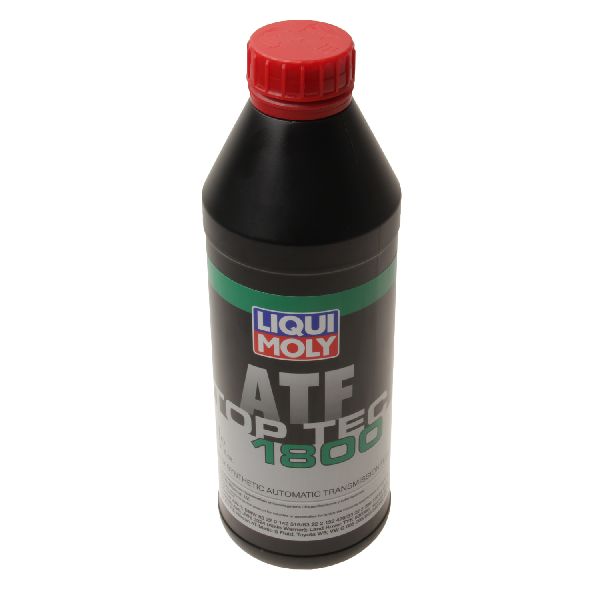
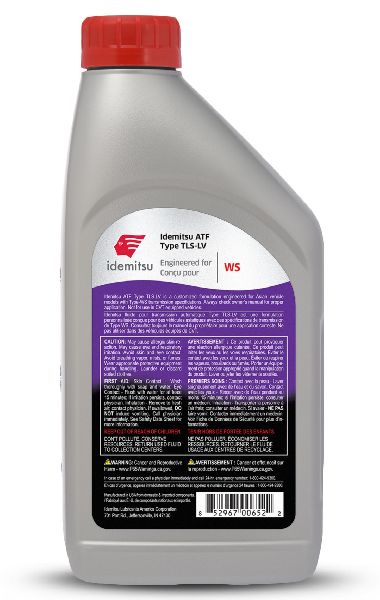
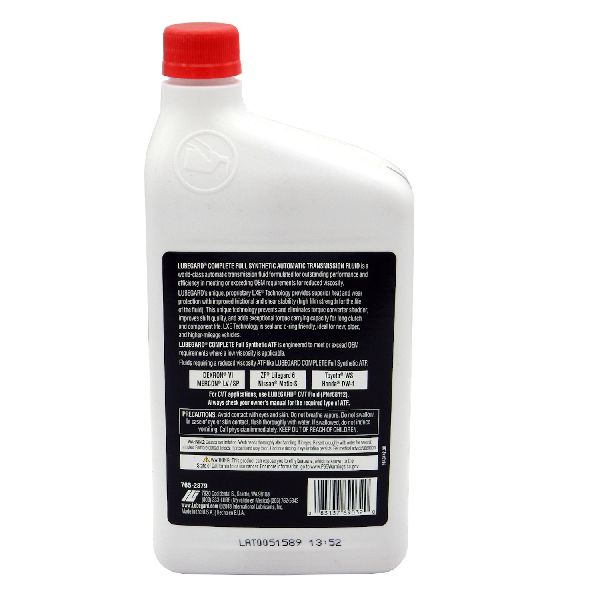
Aftermarket price range: $100-$200 - Toyota Genuine ATF WS Automatic Transmission Fluid
(OEM #00289-ATFWS)— Correct, clean fluid is required for proper hydraulic pressure and for performing any service that involves opening the transmission.
Trusted brands: Toyota (OEM)
OEM price range: $12-$18 per quart - Transmission Oil Pan Gasket
(OEM #35168-73010 (example from Camry TSB, verify for tC))— A new gasket is required whenever the transmission pan is removed to prevent leaks.
Trusted brands: Toyota (OEM), Fel-Pro, Mahle
OEM price range: $25-$40
Aftermarket price range: $15-$25
Related Codes That Often Appear With This One
- P0700 — P0700 is a generic code indicating the Transmission Control Module (TCM) has stored a fault. It often appears alongside specific transmission codes like P0841.
- P0868 — This code indicates 'Transmission Fluid Pressure Low'. It can be triggered along with P0841 if the underlying cause is low fluid or a major hydraulic leak.
Technical Service Bulletins (TSBs) & Recalls
- S-SB-0010-13: Addresses a brief engine knock or rattle from the 2AR-FE engine on cold startups, caused by the VVT-i gear. The fix is to replace the camshaft timing gear assembly.
- T-SB-0312-17 (supersedes T-SB-0034-14): Pertains to the U760E transmission in platform-mate Toyota Camrys. It deta
Platform-Specific Known Issues
- U760E Torque Converter Shudder Context: While not a direct cause of P0841, the U760E transmission in this vehicle and its platform mates (Camry, RAV4) is widely known for a torque converter shudder felt at low speeds (25-50 mph). Toyota issued multiple TSBs (e.g., T-SB-0312-17) and a warranty extension for this issue, with the fix involving a new torque converter and an ECM software update. This is relevant because it establishes a history of control logic and mechanical issues with this specific transmission, and any diagnostic process for a code like P0841 should consider whether the ECM has the latest software updates.
Mechanic-Grade Diagnostic Values
- Reference Voltage at TFPS Connector — expected: 5 or 12 Volts (check manufacturer's spec for the specific sensor). Failure: Incorrect or no voltage indicates a problem with the power supply from the ECM/TCM or a wiring fault.
- Line Pressure at Idle (in Drive) — expected: Approximately 80-100 PSI. Failure: Significantly lower pressure suggests a hydraulic issue like low fluid, a weak pump, or a leak in the valve body, not just a sensor fault.
- Line Pressure at Stall Speed (Wide Open Throttle) — expected: Approximately 170-230 PSI. Failure: Failure to reach this pressure indicates a major hydraulic problem, such as a failing pump, major internal leak, or clogged filter.
Scan Tool Commands That Help
- Toyota Techstream: Active Test: Shift Solenoid Valve SLT — Allows a technician to command the line pressure control solenoid (SLT) on and off to see if it responds and to monitor line pressure changes with a mechanical gauge simultaneously. This helps differentiate between an electrical control problem and a mechanical solenoid failure.
- Toyota Techstream: Utility: Reset Memory — This function should be used after replacing the valve body or the entire transmission assembly. It clears the learned values (adaptations) from the TCM, forcing it to relearn shift points and pressures with the new components.
- Toyota Techstream: Utility: A/T Code Registration — When replacing the transmission assembly or TCM, a unique 60-digit alphanumeric compensation code from the new transmission must be programmed into the control module. Failure to do so can cause harsh shifting, even if the parts are new.
Wiring & Ground Locations
- Main Engine to Chassis Ground — Typically, a heavy gauge wire runs from the negative battery terminal to the chassis and another from the chassis or engine block to the transmission case.. A poor ground connection between the transmission and the chassis can cause erratic sensor readings and solenoid operation. On some Toyota platforms, a key ground point is located on a bolt on the transmission itself, often near the starter or flywheel cover.
- Transmission Case Connector — This is the main electrical plug on the outside of the U760E transmission case where the external harness connects to the internal components.. This is the primary point for checking voltage and resistance for the pressure sensor circuit before opening the transmission pan. Corrosion or bent pins here are a common cause of electrical faults.
OEM Part Supersession History
82125-73010→82125-73011— Part revision or update by the manufacturer.
Heads up: These part numbers are for the internal wiring harness on U760E/U761E transmissions. While they are likely interchangeable, it is always best to use the latest revision (82125-73011) when performing a repair.
Model Year Variations Within This Range
- 2014-2016: The 2014 model year Scion tC received a facelift which included a reworked automatic transmission claimed to have faster shifting. While the core transmission is still the U760E, the Transmission Control Module (TCM) logic and possibly internal solenoid calibrations may differ from the 2011-2013 models. This makes ensuring any software updates are applied even more critical on these later models.
Diagnostic Flowchart
Other Known Issues on This Vehicle
Issues unrelated to this code that are worth knowing about as an owner of this generation:
- VVT Gear Rattle on Cold Startup 🟠 Medium — A common complaint on the 2AR-FE engine in this generation. A brief (~1 second) rattle is heard from the engine immediately after a cold start. (Ref: Scion TSB S-SB-0010-13 addresses this by replacing the Camshaft Timing Gear Assembly.)
- U760E Torque Converter Shudder 🟠 Medium — A widely documented issue where a brief shudder or vibration is felt under light throttle between 25-50 mph. It was common enough to prompt multiple TSBs and a warranty enhancement program from Toyota for platform mates. (Ref: T-SB-0312-17 (Camry); Warranty Enhancement Program ZH1 (RAV4) & ZHE (Camry).)
- Excessive Oil Consumption 🔴 High — While the 2AR-FE is improved over the previous 2AZ-FE, some owners still report significant oil consumption between changes, often attributed to piston ring wear.
- Water Pump Failure 🟠 Medium — Some owners have reported premature water pump failures, which can lead to coolant leaks and engine overheating if not addressed.
Used vs. New Parts: Buying Guide for This Vehicle
When a used part is the smart pick: A complete used transmission assembly from a low-mileage, rear-ended donor vehicle can be a cost-effective alternative to a full rebuild, which can be complex for the U760E. A used external wiring harness is also a viable option if the original is physically damaged.
Donor-vehicle mileage cap: roughly under 60000 miles for the part to have meaningful remaining life.
What to inspect on the donor part:
- Verify the donor vehicle's mileage and check its history for accidents or flood damage.
- Inspect the transmission fluid from the donor car if possible. If it's dark, burnt, or contains metal particles, avoid it.
- Look for any external damage to the transmission case, connectors, and sensors.
OEM-only on this vehicle (don't cheap out):
- Transmission Fluid (Toyota ATF WS)
- Internal Wiring Harness (Pressure Sensor Assembly)
Aftermarket brands forum-validated for this vehicle:
- Sonnax (For valve body repair kits and components)
Brands owners have reported issues with on this vehicle:
- Unbranded, no-name internal wiring harnesses from online marketplaces can have poor quality control and fail prematurely.
Real Owner Stories
Aggregated from forums and TSBs cited above. Mileages and costs reflect what owners reported in those sources.
2012 Toyota Camry 2.5L 2AR-FE
Symptoms: Owner experienced the U760E shudder.
What fixed it: After the dealer initially only performed a software update which did not fix the issue, the problem was ultimately resolved by a full transmission replacement.
Source hint: CarKiller.com discussion titled 'toyota-faulty-u760e-transmissions/'
2011-2016 Scion tC 2AR-FE
Symptoms: A rattling noise from the VVT-i intake gear upon startup.
What fixed it: The owner performed the repair to replace the VVT gear, referencing the relevant TSB.
Source hint: Reddit r/SciontC thread titled 'swapping_out_the_rattling_vvti_intake_gear_on_a/'
Related OBD-II Codes
Frequently Asked Questions
My Scion tC has a shudder between 25-50 mph. Is this related to the P0841 code?
How do I check the transmission fluid on my 2012 Scion tC? I can't find a dipstick.
What is the correct type of transmission fluid for my Scion tC when fixing a P0841 code?
I hear a brief rattle from my engine on a cold start. Could this be connected to my P0841 transmission code?
The mechanic says the pressure sensor is part of an internal harness. Is this a common repair for the P0841 code?
My 2014 Toyota Camry has this code. Is the diagnostic information for the Scion tC applicable?
Helpful Videos
We Have This Part in Stock

The information in this article is provided for general reference and educational purposes only. Vehicle specifications, procedures, and part compatibility can vary by production date, trim level, and region. Always consult your vehicle's factory service manual and verify part numbers before purchasing or performing repairs. Safety-critical components such as airbags, seat belts, and braking systems should be installed by a qualified professional.
- Scion tC:
- 🧭 Diagnostic Flowchart
- 🎬 Helpful Videos
- 🛍️ Shop This Part
- What's Unique About the 2011-2016 Scion tC
- Symptoms You May Notice
- Most Likely Causes
- Rare But Worth Checking
- Diagnosis Steps
- Parts You'll Likely Need
- Related Codes That Often Appear With This One
- Technical Service Bulletins (TSBs) & Recalls
- Platform-Specific Known Issues
- Mechanic-Grade Diagnostic Values
- Scan Tool Commands That Help
- Wiring & Ground Locations
- OEM Part Supersession History
- Model Year Variations Within This Range
- Other Known Issues on This Vehicle
- Used vs. New Parts: Buying Guide for This Vehicle
- Real Owner Stories
- 2012 Toyota Camry 2.5L 2AR-FE
- 2011-2016 Scion tC 2AR-FE
- Related OBD-II Codes
- Frequently Asked Questions
- 🎟️ Get 5% Off