

P0933 on 2014-2024 Jeep Cherokee: Hydraulic Pressure Sensor Causes and Fixes
On a Jeep Cherokee with the ZF 9-speed transmission, code P0933 most often points to a faulty hydraulic pressure sensor, low/contaminated transmission fluid, or a clogged valve body. The sensor is located inside the transmission on the valve body, making professional diagnosis and repair highly recommended. Ignoring this code can lead to severe internal transmission damage.
- P0933 on a Jeep Cherokee indicates a serious transmission issue that should be addressed promptly to avoid severe internal damage.
- The most common causes are bad transmission fluid or a faulty hydraulic pressure sensor.
- This is not a simple DIY fix. The pressure sensor is inside the transmission, requiring specialized tools and knowledge for diagnosis and replacement.
- Always use the correct Mopar/ZF specification fluid; this transmission is very sensitive to fluid type and quality.
- Before authorizing expensive repairs, ensure a technician uses an advanced scan tool to confirm the pressure sensor's readings are faulty.
What's Unique About the 2014-2024 Jeep Cherokee
The ZF 9HP48 9-speed automatic in the Jeep Cherokee (KL generation), also known as the 948TE by FCA, is known for complex software and a history of drivability complaints, especially in earlier 2014-2016 models. While P0933 is a generic code, on this platform it often ties into the transmission's sensitivity to fluid condition and internal component issues. FCA released numerous software updates via Technical Service Bulletins (TSBs) like 21-013-16 to address erratic shifting, highlighting the system's reliance on precise control. A recall for the transaxle wire harness on 2014-2015 models (NHTSA 16V-529) also shows a precedent for electrical issues within this specific transmission.
Generation note: The 2014-2024 Jeep Cherokee is a single generation (KL), but it received a major facelift for the 2019 model year. The underlying ZF 9HP48 transmission is used across all years, though early models (2014-2016) are more frequently cited for transmission problems and software updates.
Symptoms You May Notice
- Check Engine Light and/or Transmission Warning Light is on
- Harsh, erratic, or delayed gear shifting
- Vehicle gets stuck in one gear (limp mode)
- A 'Service Transmission' message appears on the dash
- Noticeable loss of acceleration power
- Transmission fails to upshift at highway speeds
- Transmission may unexpectedly shift to neutral
- Replacing the entire transmission without first diagnosing the specific cause. Many shops may recommend a full replacement when a less expensive valve body or sensor replacement would suffice.
- Replacing the TCM before verifying the sensor and wiring are functioning correctly.
Most Likely Causes
- Low, Old, or Contaminated Transmission Fluid 🔴 High Probability → Shop Transmission Assembly The ZF 9HP48 is sensitive to fluid quality and level. Degraded or low fluid cannot maintain the stable hydraulic pressure required for normal operation, leading to erratic sensor readings.
How to confirm: Check the transmission fluid level and condition according to the manufacturer's procedure. The fluid should be clean, have a reddish/amber tint, and not smell burnt. This transmission does not have a conventional dipstick, requiring a specialized procedure and tool.
Typical fix: Perform a transmission fluid drain-and-fill or a full fluid exchange using the correct OEM-specified fluid (Mopar ZF 8&9 Speed ATF, part #68218925AB).
Est. part cost: $150-$300 for fluid - Faulty Hydraulic Pressure Sensor 🔴 High Probability The sensor is a very common failure point across many vehicles using this transmission. It can fail from internal wear or contamination over time, sending incorrect data. This sensor is sometimes called a 'dog clutch' pressure transducer.
How to confirm: Use an advanced scan tool to monitor live data for 'Desired Line Pressure' vs. 'Actual Line Pressure'. If the actual pressure is erratic, does not follow the desired pressure, or is pegged at a fixed value, the sensor is likely faulty.
Typical fix: Replace the hydraulic pressure sensor. This sensor is located on the valve body inside the transmission.
Est. part cost: $50-$150 - Failing Transmission Valve Body 🟡 Medium Probability → Shop Transmission Valve Body The pressure sensor is mounted directly on the valve body. Internal blockages from sludge or failing solenoids within the valve body can cause pressure regulation issues that mimic a bad sensor.
How to confirm: This is typically diagnosed after confirming the fluid is good and replacing the sensor alone does not fix the issue. A buzzing or whining noise when shifting into reverse can also point to a regulator valve issue within the valve body.
Typical fix: Replace the entire transmission valve body assembly. This is often done if the sensor is integral or if a separate sensor replacement fails.
Est. part cost: $300-$800 - Damaged Wiring or Electrical Connectors ⚪ Low Probability A recall on early models for a transaxle wire harness (NHTSA 16V-529) shows a potential weakness in this area. Wires can be damaged by heat, vibration, or fluid leaks, causing intermittent signals.
How to confirm: Visually inspect the transmission wiring harness for any signs of corrosion, chafing, or loose pins at the main connector. Perform a continuity test on the sensor circuit from the TCM connector.
Typical fix: Repair the damaged section of the wiring harness or replace the affected connector.
Est. part cost: $20-$200
Rare But Worth Checking
- Faulty Transmission Control Module (TCM): → Shop Transmission Assembly This is a rare cause. The TCM should only be suspected after all other possibilities, including fluid, sensor, valve body, and wiring, have been thoroughly ruled out. Sometimes a software re-flash can resolve logic errors before replacing the module itself.
Diagnosis Steps
- Check and verify the transmission fluid level and condition are correct. This requires a specific, level-vehicle procedure as there is no dipstick. Use only the manufacturer-specified fluid (Mopar ZF 8&9 Speed ATF).
- Connect an advanced OBD-II scanner capable of reading live transmission data (e.g., wiTECH, Autel, iCarsoft CR MAX).
- Monitor the 'Transmission Fluid Pressure' or 'Line Pressure' PID. Compare the 'desired' pressure value commanded by the TCM to the 'actual' pressure reading from the sensor while driving through gears.
- If the actual pressure reading is erratic, stuck, or significantly deviates from the desired reading, the sensor or its circuit is faulty.
- Inspect the main transmission wiring harness and connector for any visible signs of damage, corrosion, or fluid intrusion.
- If wiring is intact, the most likely cause is the pressure sensor itself. Since it is located inside the transmission pan on the valve body, the next step is to drain the fluid, remove the pan, and access the valve body to replace the sensor.
- If the sensor is integral to the valve body or if replacing the sensor alone does not resolve the issue, replacement of the valve body assembly is necessary.
- After repairs, clear all DTCs and perform a 'Transmission Quick Learn' procedure with the scan tool as specified in TSB 21-013-16 Rev. B to reset adaptations.
Parts You'll Likely Need
- Transmission Hydraulic Pressure Sensor
(OEM #04752889AB (supersedes 04752889AA))— This is the most direct cause of a P0933 code when fluid and wiring are confirmed to be good. It is the component that directly measures the pressure. It is also referred to as the 'Dog Clutch Pressure Transducer'.
Trusted brands: Mopar, ZF
OEM price range: $70-$120
Aftermarket price range: $40-$80 - Transmission Valve Body — Often required if the pressure sensor is integrated into the assembly or if the valve body itself is clogged or faulty. A buzzing noise from the transmission at idle or in reverse can be an indicator.
Trusted brands: Mopar, ZF
OEM price range: $600-$900
Aftermarket price range: $300-$500 - Mopar ZF 8&9 Speed ATF
(OEM #68218925AB)— The correct fluid is required for any repair that involves opening the transmission, such as replacing the sensor or valve body. Using incorrect fluid can cause shifting problems on its own.
Trusted brands: Mopar
OEM price range: $25-$35 per quart
Related Codes That Often Appear With This One
- P0934 / P0935 — These codes relate to the hydraulic pressure sensor circuit (Low and High respectively) and can appear if there is an electrical fault in addition to the performance issue.
- P0731 - P0735 — These are 'Incorrect Gear Ratio' codes. If the hydraulic pressure is wrong, the transmission may fail to engage gears properly or slip, leading to these related codes.
- P0869 — This code for 'Transmission Fluid Pressure High' can accompany P0933 if the sensor is reporting erratically high values.
Technical Service Bulletins (TSBs) & Recalls
- TSB 21-013-16 Rev. B: This is a widely referenced bulletin for shift quality issues. It details software updates for the TCM and mandates a 'Quick Learn' procedure after any transmission repair or software flash to ensure proper adaptation.
Platform-Specific Known Issues
- Early model (2014-2015) Jeep Cherokees were subject to recall S55 / NHTSA 16V-529 for a transaxle range sensor wire harness that could cause a loss of power, indicating a history of wiring-related transmission issues on this platform.
- A user on Reddit with a 2015 Cherokee described the transmission intermittently going into limp mode with a 'service transmission' light, an experience that happened multiple times over a year, including on the highway.
Mechanic-Grade Diagnostic Values
- Live Data: 'Desired Line Pressure' vs 'Actual Line Pressure' — expected: The 'Actual' pressure reading should closely track the 'Desired' pressure commanded by the TCM across different gears and engine loads.. Failure: If the 'Actual' pressure is stuck, reads erratically, or consistently deviates from the 'Desired' pressure, it points to a faulty sensor, wiring, or hydraulic circuit issue.
Scan Tool Commands That Help
- wiTECH, Autel, iCarsoft CR MAX, Multiecuscan: Transmission Quick Learn / Reset Adaptations — This procedure is mandatory after replacing the valve body, pressure sensor, or updating the TCM software. It allows the TCM to relearn the hydraulic characteristics and clutch fill volumes of the new components to ensure smooth shifting.
- wiTECH or equivalent advanced scanner: View Live Transmission Data (Line Pressure PIDs) — This is the primary diagnostic step to confirm a P0933 fault. It allows a technician to compare the pressure the TCM is requesting versus what the sensor is actually reporting in real-time.
Wiring & Ground Locations
- Main Transmission Connector — On the Chrysler 948TE version used in the Jeep Cherokee, the main electrical case connector is located in the pan area, requiring pan removal for access.. This is the primary interface between the internal transmission components (like the pressure sensor) and the vehicle's wiring harness. Damage or corrosion here can directly cause P0933 and related codes.
- TCM (Transmission Control Module) — On the Jeep Cherokee (KL), the TCM is mounted externally on the transmission case, typically just above the differential area.. All sensor signals are processed by the TCM. Verifying the wiring integrity between the main transmission connector and the TCM connector is a key diagnostic step after checking the main connector itself.
OEM Part Supersession History
04752889AA→04752889AB— The supersession likely indicates a revision to improve reliability or address a known failure mode in the original sensor design. Aftermarket sellers confirm both numbers refer to the same part.
Model Year Variations Within This Range
- 2014-2024: The valve body may have either 9 or 10 solenoids depending on whether the vehicle is equipped with a 'Park by Wire' (electronic shifter) or a 'Park by Cable' (mechanical shifter) system. It is critical to verify the solenoid count before ordering a replacement valve body.
- 2014-2016 vs 2017-onward: Earlier models (2014-2016) were the subject of numerous TCM software updates to correct a wide variety of shift quality complaints. While P0933 is a hardware-focused code, ensuring the latest software is installed is a critical first step on these earlier vehicles.
Diagnostic Flowchart
Other Known Issues on This Vehicle
Issues unrelated to this code that are worth knowing about as an owner of this generation:
- Excessive Oil Consumption (2.4L Tigershark Engine) 🔴 High — Widespread on 2014-2019 models with the 2.4L engine. Can lead to low oil levels and engine stalling between oil changes. (Ref: Subject of class-action lawsuit (Wood, et al. v. FCA US, LLC) and multiple Customer Satisfaction Notifications/Warranty Extensions (e.g., W80, XB1).)
- Electronic Parking Brake (EPB) Malfunction 🔴 High — Common on 2014-2020 models. The EPB can activate unexpectedly while driving, causing the vehicle to stall. This is often caused by water intrusion into the EPB module. (Ref: NHTSA Preliminary Evaluation PE22-010 opened in July 2022 to investigate over 1.3 million vehicles.)
- Power Transfer Unit (PTU) Failure 🟠 Medium — Affects 4WD models. Symptoms include grinding noises, a burning smell, and sudden loss of 4WD capability, sometimes rendering the vehicle undrivable. (Ref: NHTSA TSB #9004402 notes design changes to the rear differential module (RDM) and related components over the years.)
- Harsh/Erratic Shifting (General Drivability) 🟠 Medium — Extremely common, especially on 2014-2016 models. Characterized by rough shifts, delayed engagement, and unexpected lurching. Many issues can be improved but not always eliminated with software updates. (Ref: Multiple software update TSBs issued, including the widely cited TSB 21-013-16 for shift quality enhancements.)
- Delayed Start / No Start (Camshaft Position Sensor) 🟡 Low — Reported on models with the 3.2L V6 engine, causing long crank times or failure to start, often without setting a trouble code. (Ref: The typical fix is replacing the camshaft position sensor (e.g., Mopar part 05149141AF).)
Used vs. New Parts: Buying Guide for This Vehicle
When a used part is the smart pick: For this specific transmission, which is known for complex issues, using used electronic or hydraulic parts is generally not recommended. A used part may carry the same inherent flaws or be near the end of its service life. The only potential exception might be a low-mileage complete transmission assembly from a reputable salvage yard if the cost of individual repairs becomes prohibitive.
Donor-vehicle mileage cap: roughly under 50000 miles for the part to have meaningful remaining life.
What to inspect on the donor part:
- Verify the donor vehicle's VIN to confirm compatibility and check for any outstanding recalls.
- Obtain a vehicle history report to check for prior accidents or transmission-related service.
- Inspect the transmission fluid from the donor unit if possible. Dark, burnt, or metallic fluid is a major red flag.
- For a complete assembly, ensure all external connectors and sensors are intact and undamaged.
OEM-only on this vehicle (don't cheap out):
- Transmission Control Module (TCM): A used TCM may have software incompatible with your vehicle's VIN and options, causing further issues.
- Valve Body: Given the sensitivity and high failure rate, a new or professionally remanufactured OEM valve body is the most reliable option.
- Transmission Fluid: Only use the specified Mopar ZF 8&9 Speed ATF. Using a 'universal' or incorrect fluid type is a common cause of shifting problems and can lead to premature failure.
Aftermarket brands forum-validated for this vehicle:
- ZF: As the original equipment manufacturer, ZF-branded parts (when available separately from Mopar) are a reliable alternative to dealer parts.
Brands owners have reported issues with on this vehicle:
- Unbranded/white-box sensors and valve bodies from online marketplaces. While cheaper, these parts have a high rate of out-of-box failure and may not meet the precise tolerances required by the ZF 9HP48 transmission.
Real Owner Stories
Aggregated from forums and TSBs cited above. Mileages and costs reflect what owners reported in those sources.
2015 Jeep Cherokee
Symptoms: The transmission intermittently goes into limp mode, displaying a 'service transmission' warning light on the dash, but no check engine light. This has happened multiple times, including on the highway.
What fixed it: The owner noted that all recalls had been performed, but the source does not specify the final repair that resolved this specific recurring issue.
Source hint: Reddit - r/Jeep - '2015 Jeep Cherokee KL limp transmission issues, any recommendations?'
Related OBD-II Codes
Frequently Asked Questions
My 2015 Cherokee is having shifting problems. Does the recall for the wire harness (NHTSA 16V-529) fix this specific code?
How do I check the transmission fluid on my Jeep Cherokee since it doesn't have a dipstick?
What specific transmission fluid should I use if I need to top off or change it?
My mechanic mentioned a 'Quick Learn' procedure. Is that necessary after replacing the pressure sensor?
The repair shop is quoting a full valve body replacement. Why not just the sensor?
Are other vehicles besides the Jeep Cherokee known to have this P0933 problem?
We Have This Part in Stock
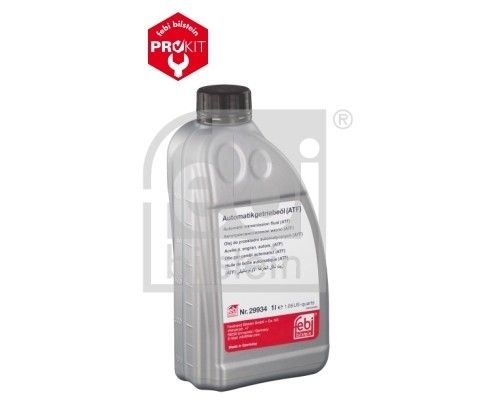
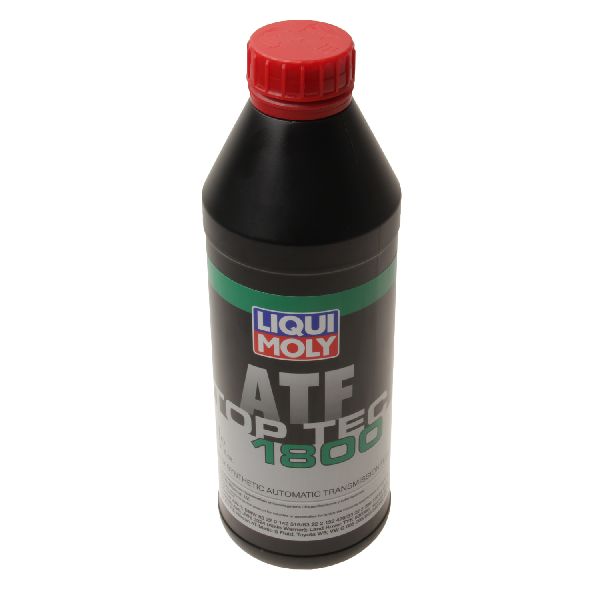
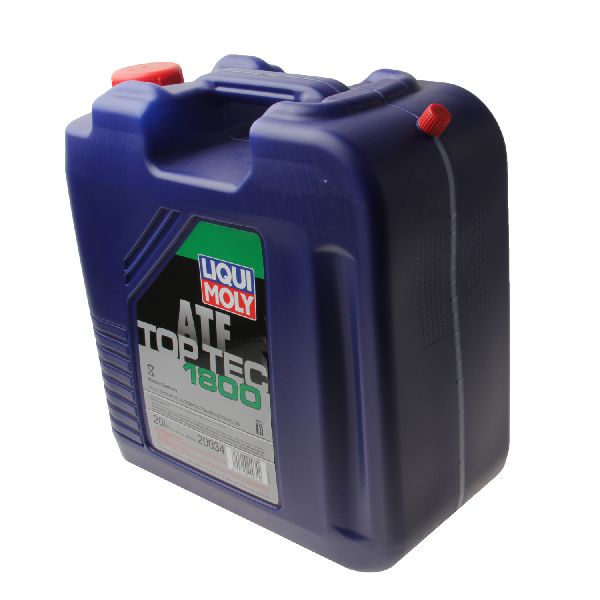
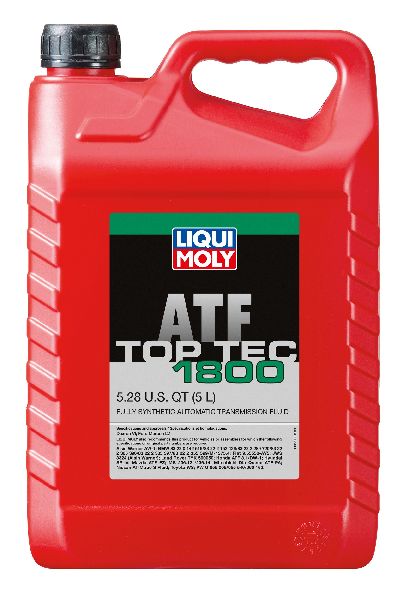

The information in this article is provided for general reference and educational purposes only. Vehicle specifications, procedures, and part compatibility can vary by production date, trim level, and region. Always consult your vehicle's factory service manual and verify part numbers before purchasing or performing repairs. Safety-critical components such as airbags, seat belts, and braking systems should be installed by a qualified professional.
- Jeep Cherokee:
- 🧭 Diagnostic Flowchart
- 🛍️ Shop This Part
- What's Unique About the 2014-2024 Jeep Cherokee
- Symptoms You May Notice
- Most Likely Causes
- Rare But Worth Checking
- Diagnosis Steps
- Parts You'll Likely Need
- Related Codes That Often Appear With This One
- Technical Service Bulletins (TSBs) & Recalls
- Platform-Specific Known Issues
- Mechanic-Grade Diagnostic Values
- Scan Tool Commands That Help
- Wiring & Ground Locations
- OEM Part Supersession History
- Model Year Variations Within This Range
- Other Known Issues on This Vehicle
- Used vs. New Parts: Buying Guide for This Vehicle
- Real Owner Stories
- 2015 Jeep Cherokee
- Related OBD-II Codes
- Frequently Asked Questions
- 🎟️ Get 5% Off