

P1445 on 2000-2006 Toyota Tundra 4.7L V8: Air Injection Valve Failure Causes & Fixes
P1445 means the Secondary Air Injection (SAI) valve for Bank 2 is stuck closed, almost always because the main air pump is failing and has sent debris into the system. The official repair is very expensive ($2,000+) because the components are under the intake manifold. Most owners opt for a much cheaper electronic bypass kit from a company like Hewitt Technologies to permanently resolve the issue and prevent limp mode.
- P1445 on your Tundra means the Bank 2 Secondary Air Injection valve is stuck closed.
- The root cause is almost always a failed air pump under the intake manifold that has sent debris into the valves.
- An OEM repair is extremely expensive ($2000-$3500) and requires replacing the pump and both valves.
- The most popular and permanent fix is a much cheaper electronic bypass kit from a company like Hewitt Technologies.
What's Unique About the 2000-2006 Toyota Tundra
This is a notoriously common and expensive failure on the 4.7L 2UZ-FE V8, particularly in the 2005-2006 model years. The system's air pump has a foam filter that is known to disintegrate over time, especially with exposure to moisture. This crumbled filter material, along with pieces of the pump's plastic impeller, gets forced through the air lines, contaminating and seizing the air switching valves. The problem is made significantly worse by Toyota's design choice to place the entire SAI pump and valve assembly underneath the intake manifold, making any repair extremely labor-intensive. This issue is so widespread that Toyota issued a Technical Service Bulletin (T-SB-0230-12) acknowledging the problem across multiple vehicle platforms using this engine. Manufacturer Bulletin #T-SB-0230-12 specifically identifies P1442 and P1445 as codes indicating the Secondary Air Injection System Switching Valve No. 2 is stuck closed.
Symptoms You May Notice
- Check Engine Light is on
- VSC and/or TRAC OFF lights are illuminated
- Vehicle may enter 'limp mode,' limiting speed and RPM
- Loud vacuum cleaner or whirring noise from the engine bay for 20-30 seconds after a cold start, indicating a failing air pump
- Replacing only the seized Air Switching Valve without addressing the failing Air Pump. The new valve will almost certainly be contaminated and fail again in a short time.
- Assuming a bypass kit will fix a valve that is stuck open. Some bypass kits require the valves to be in the closed position to work correctly, which may not be the case if codes like P2440 or P2442 are also present.
Most Likely Causes
- Failed Secondary Air Injection Pump 🔴 High Probability → Shop Secondary Air Injection Pump The pump's internal foam filter degrades over time, sending destructive debris throughout the system. The pump inlet is also open to the atmosphere without a proper filter, allowing it to suck in dust and moisture, which accelerates the failure. This is the root cause of the valve failure in the vast majority of cases.
How to confirm: The definitive check requires removing the intake manifold to inspect the pump and lines for black, pepper-like debris from the disintegrated filter and plastic fins. The presence of related codes like P2445 (Pump Stuck Off) or P0418 (Pump Circuit Fault) also strongly points to a failed pump.
Typical fix: For a full OEM repair, the pump and both switching valves must be replaced. Due to the high cost, most owners install an electronic bypass kit to disable the system and clear the codes. These kits, from brands like Hewitt Technologies, trick the ECU into thinking the system is working correctly.
Est. part cost: $400-$800 for an OEM pump; $150-$400 for a bypass kit. - Seized Air Switching Valve #2 (Bank 2) 🔴 High Probability This is the direct cause of the P1445 code, but it's almost always a symptom of the failing air pump sending debris into it. The valve gets physically jammed by the crumbled foam and plastic from the pump.
How to confirm: Using a high-end scan tool, a technician can try to command the valve to open. If it doesn't respond, it is confirmed stuck. Physical access for testing requires significant disassembly, as the valves are located under the intake manifold.
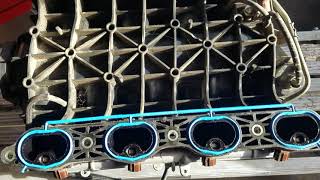
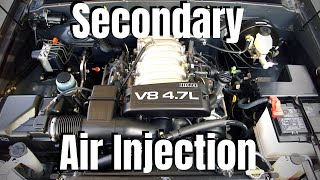
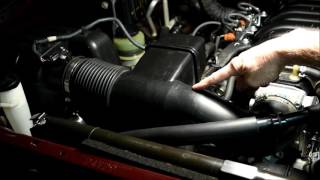
Typical fix: The valve must be replaced. However, replacing only the valve without replacing the pump is not recommended, as debris from the old pump will likely cause the new valve to fail quickly. Both bank 1 and bank 2 valves are typically replaced together 🎬 See how to replace the Bank 2 valve without removing the intake as a preventative measure.
Est. part cost: $200-$400 for an OEM valve assembly. - Cracked or Disconnected Vacuum Lines ⚪ Low Probability
How to confirm: Visually inspect the small vacuum hoses that connect to the Air Switching Valve solenoids (located near the passenger side of the engine) for any cracks, brittleness, or disconnections.
Typical fix: Replace the damaged vacuum tubing. This is a simple and inexpensive fix.
Est. part cost: $5-$20
Rare But Worth Checking
- Failed Air Injection Control Driver: This is the electronic module that controls the pump and valves. A failure here is possible but less common than mechanical failure from debris. It often triggers circuit-related codes like P0418 alongside valve codes. TSB T-SB-0230-12 Rev1 includes procedures for diagnosing this module.
Diagnosis Steps
- Scan the ECU for all stored trouble codes. Note if P1445 is present with its Bank 1 counterpart (P1442) or pump codes (P2445, P0418).
- On a cold start, listen for a loud whirring or vacuum cleaner-like sound for the first 30 seconds. The absence of this sound could indicate a dead pump.
- Visually inspect the easily accessible vacuum lines near the top-rear of the engine for any obvious cracks or damage.
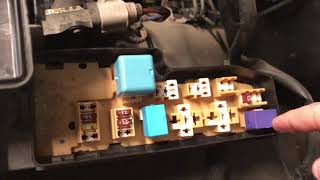
- Check the 50A 'A/PUMP' fuse in the engine bay fuse box. If it's blown, the air pump motor has likely seized.
- Using a professional scan tool, perform an 'Active Test' to command the air pump and switching valves on/off. Listen for the pump motor and the click of the valves.
- If the pump runs but the code persists, the valve is confirmed to be stuck.
- The most definitive (but labor-intensive) step is to remove the intake manifold to physically inspect the pump outlet and air lines for the tell-tale black debris from the disintegrated foam filter.
Parts You'll Likely Need
- Secondary Air Injection System Bypass Kit — This is the most common and cost-effective solution chosen by owners. It electronically bypasses the system, clearing the codes and preventing limp mode without the need for expensive mechanical repairs.
Trusted brands: Hewitt Technologies, Rutech
Aftermarket price range: $150-$400 - Air Switching Valve Assembly
(OEM #25710-50022)— This is the part that has failed to trigger the code. It must be replaced for an OEM-style repair. The part number has been superseded from 25710-50020 and 25710-50021. Both bank 1 and bank 2 valves are typically replaced together.
Trusted brands: Toyota (OEM)
OEM price range: $200-$400
Aftermarket price range: $100-$200 - Air Pump Assembly
(OEM #17600-0F010)— This is the root cause of the failure. It must be replaced to prevent repeat failure of the new valves.
Trusted brands: Toyota (OEM), Dorman (306-010, requires connector modification)
OEM price range: $400-$800
Aftermarket price range: $150-$300 - Intake Manifold Gasket
(OEM #17171-50030)— Required for re-installing the intake manifold after replacing the pump and valves. Two are needed.
Trusted brands: Toyota (OEM), Fel-Pro
OEM price range: $20-$40 each
Aftermarket price range: $10-$20 each
Related Codes That Often Appear With This One
- P1442 — This is the code for the same problem (Valve Stuck Closed) but on Bank 1. Since the debris from the failing pump goes to both banks, it's very common for both valves to fail around the same time.
- P2445 — This code means the Air Pump itself is stuck off. It often appears with valve codes because a seized pump is the root cause of the valves failing.
- P0418 — This indicates a fault in the air pump's relay or electrical circuit. A pump motor that has seized due to debris can cause an overcurrent condition, blowing the main 50A fuse and triggering this code.
- P2440 / P2442 — These codes indicate the switching valves are stuck OPEN. This is a more severe condition that almost always puts the truck into limp mode immediately because it allows hot exhaust gases to flow backward and destroy the air pump.
Technical Service Bulletins (TSBs) & Recalls
- T-SB-0230-12 Rev1: This Technical Service Bulletin from Toyota, revised in 2013, addresses a MIL ON condition for P1445 and a host of other SAI codes (P0412, P0418, P1440, P1442, P2440, P2445, etc.) on 2005-2006 Tundras and other 2UZ-FE equipped vehicles. It confirms the cause is often debris from the air injection pump contaminating the system and outlines the repair procedure, including updated part numbers for the pump and valves. Bulletin #T-SB-0230-12 Rev specifically groups P1442 and P1445 as "Secondary Air Injection System Switching Valve No. 2 Bank 1 / Bank 2 Stuck Close."
Platform-Specific Known Issues
- The primary issue is the systemic failure caused by the air pump's foam filter degrading. This design flaw means that a single component's failure (the pump) inevitably leads to the failure of other expensive components (the valves).
- The placement of the entire system under the intake manifold turns what would be a moderate repair into a major, high-cost job requiring 6-8 hours of labor.
- Owner experiences detailed on forums like Tundras.com and Reddit overwhelmingly recommend the Hewitt Technologies bypass kit as a permanent, cost-effective solution over the multi-thousand dollar OEM repair that is prone to failing again.
- NHTSA ODI #10664127 notes that owners have researched this as a common problem specifically for the 2005 model year, expressing frustration over the lack of manufacturer coverage for the repair.
Mechanic-Grade Diagnostic Values
- Vacuum Switching Valve (VSV) Coil Resistance — expected: 33 to 39 Ω at 20°C (68°F). Failure: Resistance is outside the specified range, or there is continuity to ground.
- Air Pump Current Draw — expected: Approximately 25 to 30 Amps during operation.. Failure: A current draw significantly higher than 30A suggests a seized or failing motor, which may blow the 50A fuse. Zero draw indicates an open circuit or a completely dead motor.
Scan Tool Commands That Help
- Toyota Techstream: Active Test: Control the Secondary Air Injection System — This is the primary diagnostic step after checking for codes and listening for the pump. This command allows the technician to individually turn the air pump and air switching valves on and off while the engine is not running. This helps isolate whether the failure is with the pump, a specific valve, or the control circuit without having to remove any parts.
- Toyota Techstream: Data List Monitoring — While performing the Active Test, the technician should monitor the '2nd Air System Status' and 'Secondary Air Control VSV' parameters in the Data List. This confirms if the ECM is sending the command and if the system status changes as expected, which helps differentiate between a control-side and component-side failure.
Wiring & Ground Locations
- Air Injection Control Driver — Mounted on the passenger side fender wall in the engine compartment, near the fuse box.. This module is the relay and control center for the entire SAI system. All power for the pump and valves flows through it. A failure here or corrosion at its connector can cause circuit codes like P0418 or prevent the pump/valves from activating, mimicking a mechanical failure.
- Engine Harness Grounds (E1 / E2) — Located at the top center rear of the engine, where the main engine harness grounds to the block/heads.. The Air Switching Valves are part of the main engine harness. A poor ground connection at these points could potentially cause intermittent electrical issues for the valve control solenoids, although it is not a common cause of this specific code.
- Mass Air Flow (MAF) Sensor THA Pin — For the 2005-2006 Tundra, this is the 4th pin (Yellow-Green wire) on the MAF sensor connector.. This specific wire is often tapped into when installing certain types of aftermarket bypass kits. Knowing the correct pin and wire color is critical for a successful bypass kit installation to avoid damaging the sensor or ECU.
Real Owner Repair Stories
- Tundras.com user 'artsr2002' (2005 Tundra Double Cab SR5) — Check Engine Light with code P1445.
❌ Tried (didn't work) Continuously clearing the code for about a year.
✅ What actually fixed it Installed a Rutech brand secondary air injection bypass kit. The user cleared the codes first, then installed the bypass module and block-off plates. The codes did not return after the installation. - NHTSA ODI #10497961 — An owner reported a loud humming noise at cold start-up accompanied by codes P2441, P1445, and P1442. The dealership quoted $2300 for a new pump, highlighting the significant expense of this repair.
OEM Part Supersession History
25710-50020, 25710-50021→25710-50022— Standard part revision and improvement by the manufacturer.
Heads up: The newest part number (25710-50022) is the correct and direct replacement for the earlier versions and should be used for all repairs.
Model Year Variations Within This Range
- 2005-2006 only: The Secondary Air Injection (SAI) system, which is the cause of code P1445, was added to the 2UZ-FE 4.7L V8 engine starting in the 2005 model year to meet updated emissions regulations. Tundras from 2000-2004 with the 4.7L V8 do not have this system and therefore cannot get this code.
Diagnostic Flowchart
Other Known Issues on This Vehicle
Issues unrelated to this code that are worth knowing about as an owner of this generation:
- Frame Rust/Corrosion 🔴 High — Very common, especially in cold-weather states that use road salt. Led to a massive recall and Limited Service Campaign. (Ref: NHTSA Action Number PE09048, Toyota LSC AOF.)
- Cracked Exhaust Manifolds 🟠 Medium — Common on the 2UZ-FE V8. Often presents as a ticking noise for the first 30-60 seconds after a cold start.
- Lower Ball Joint Failure 🔴 High — Widespread issue due to a manufacturing defect, leading to premature wear. Failure can cause the wheel to separate from the vehicle. (Ref: NHTSA Recall No. 07V-013.)
- Radiator Failure Mixing Coolant and Transmission Fluid ('Pink Milkshake') 🔴 High — Occurs on automatic transmission models when the internal transmission cooler within the radiator fails, mixing fluids and destroying the transmission.
Used vs. New Parts: Buying Guide for This Vehicle
When a used part is the smart pick: For this specific repair, using a used part from a junkyard is STRONGLY DISCOURAGED. The primary failure is due to the age-related degradation of a foam filter inside the air pump. A used pump or valve assembly from a donor vehicle of the same age is highly likely to have the same defect or fail in the very near future.
What to inspect on the donor part:
- Not applicable, as used parts are not recommended regardless of condition.
OEM-only on this vehicle (don't cheap out):
- Air Pump Assembly
- Air Switching Valve Assembly
Aftermarket brands forum-validated for this vehicle:
- Hewitt Technologies (for bypass kits)
- Rutech (for bypass kits)
Brands owners have reported issues with on this vehicle:
- Unknown or unverified brands for the mechanical pump and valve assemblies. The complexity and labor cost of the repair make using a part with questionable reliability a significant financial risk.
Real Owner Stories
Aggregated from forums and TSBs cited above. Mileages and costs reflect what owners reported in those sources.
2006 Toyota Tundra 4.7L V-8 — 150000 miles
Symptoms: Truck lost power and wouldn't go into passing gear; sluggish performance limited to about 60 mph; Check Engine Light began flashing.
What fixed it: The owner reported codes P0305, P2441, and P1445, indicating a systemic failure of the secondary air injection switching valves.
Source hint: TundraSolutions.com report cited in owner_reports
2005-2006 Toyota Tundra 4.7L V8 — ~120000 miles
Symptoms: Owners on forums describe the vehicle entering 'limp mode,' which limits speed and RPM, accompanied by VSC and TRAC OFF lights.
What fixed it: Installation of a Hewitt Technologies electronic bypass kit to disable the system and clear the codes permanently.
Source hint: Tundras.com: 'Code: P1445' and vehicle_specific_issues
Related OBD-II Codes
Frequently Asked Questions
Does TSB T-SB-0230-12 Rev1 apply to my 2006 Tundra with the 4.7L V8?
Why is my Tundra making a loud vacuum cleaner noise for 30 seconds after I start it in the morning?
Can I just replace the Bank 2 switching valve to fix the P1445 code?
Is there a cheaper alternative to the $400-$800 OEM air pump repair?
Why does the P1445 repair require so much labor on the 4.7L V8?
Could a simple vacuum line cause this code on my Tundra?
Helpful Videos
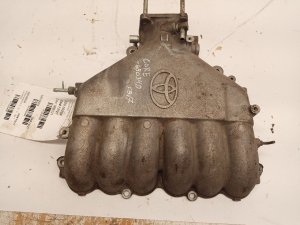
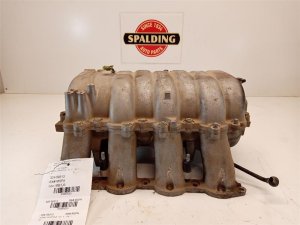
Used OEM Parts in Stock
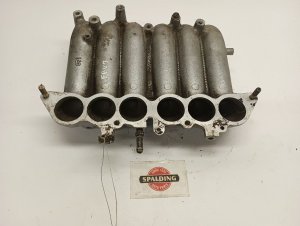
New Aftermarket Parts Available


The information in this article is provided for general reference and educational purposes only. Vehicle specifications, procedures, and part compatibility can vary by production date, trim level, and region. Always consult your vehicle's factory service manual and verify part numbers before purchasing or performing repairs. Safety-critical components such as airbags, seat belts, and braking systems should be installed by a qualified professional.
- Toyota Tundra:
- 🧭 Diagnostic Flowchart
- 🎬 Helpful Videos
- 🛍️ Shop This Part
- What's Unique About the 2000-2006 Toyota Tundra
- Symptoms You May Notice
- Most Likely Causes
- Rare But Worth Checking
- Diagnosis Steps
- Parts You'll Likely Need
- Related Codes That Often Appear With This One
- Technical Service Bulletins (TSBs) & Recalls
- Platform-Specific Known Issues
- Mechanic-Grade Diagnostic Values
- Scan Tool Commands That Help
- Wiring & Ground Locations
- Real Owner Repair Stories
- OEM Part Supersession History
- Model Year Variations Within This Range
- Other Known Issues on This Vehicle
- Used vs. New Parts: Buying Guide for This Vehicle
- Real Owner Stories
- 2006 Toyota Tundra 4.7L V-8 — 150000 miles
- 2005-2006 Toyota Tundra 4.7L V8 — ~120000 miles
- Related OBD-II Codes
- Frequently Asked Questions
- 🎟️ Get 5% Off