

P1614 on 2006-2013 Chevrolet Impala: Security System Fault and No-Start Fixes
On a 2006-2013 Impala, P1614 usually means the car's anti-theft system doesn't recognize your key, causing a no-start. The most common fixes are trying a spare key, performing a security relearn procedure, or addressing a weak battery before suspecting a faulty ignition lock cylinder.
- P1614 on your Impala means there's a security mismatch, and the car is protecting itself from perceived theft by not starting.
- Before spending any money, always try your spare key and verify your car battery is fully charged.
- The 30-minute 'security relearn' procedure is a free and effective way to resolve this code if it was caused by a temporary glitch.
- If the relearn procedure doesn't work, the most likely failed part is the ignition lock cylinder containing the Passlock sensor.
What's Unique About the 2006-2013 Chevrolet Impala
The ninth-generation Impala uses GM's Passkey III+ (PK3+) immobilizer system. This system is known for being sensitive to voltage drops from a weak battery and for issues with the ignition lock cylinder's internal wiring or Passlock sensor failing over time. Unlike some systems where a simple key replacement is the fix, problems on this Impala often point toward the components in the steering column or the Body Control Module (BCM) itself. The communication breakdown occurs between the key's transponder, the BCM, and the ECM, triggering the no-start condition.
Symptoms You May Notice
- Engine will not crank or cranks but does not start.
- Security indicator light on the dashboard is flashing or stays on solid.
- A "Service Theft Deterrent System" message may appear on the driver information center.
- In some cases, door locks and windows may become inoperative, which can point towards a broader BCM issue.
- Replacing the starter motor. A common mistake is to assume the starter is bad when the engine won't crank. However, the immobilizer system is designed to prevent the starter from engaging.
- Replacing the ECM. While an ECM failure is possible, it is far less common than issues with the key, battery, or ignition lock cylinder for this specific code.
Most Likely Causes
- Faulty or Damaged Ignition Key 🔴 High Probability → Shop Ignition Switch The transponder chip embedded in the key head can be damaged from being dropped or from normal wear and tear, preventing it from sending a valid signal.
How to confirm: Try starting the vehicle with a spare key. If the spare key works, the original key is the problem. This is the most important first step.
Typical fix: Replace and program the faulty key. This usually requires a professional locksmith or a dealership with the correct programming tools.
Est. part cost: $75-$200 - Weak or Dead Vehicle Battery 🟡 Medium Probability → Shop Vehicle Battery Low system voltage during startup can cause communication glitches between the BCM and ECM, leading to a false anti-theft trigger. The sensitive electronics in the Passkey III+ system are particularly susceptible to this.
How to confirm: Test the battery voltage with a multimeter; it should be above 12.4 volts. Attempt to jump-start the vehicle. If it starts, the battery is the likely culprit.
Typical fix: Recharge or replace the vehicle's battery.
Est. part cost: $150-$250 - Failed Ignition Lock Cylinder / Passlock Sensor 🟡 Medium Probability → Shop Ignition Switch The wires leading from the Passlock sensor within the ignition lock cylinder can break from the repeated rotation of the key, or the sensor itself can fail. This is a very common failure point on GM vehicles of this era.
How to confirm: If a spare key and a good battery don't solve the issue, and the security relearn procedure fails, the lock cylinder is a strong suspect. Diagnosis involves testing for a signal from the sensor with a multimeter.
Typical fix: Replace the ignition lock cylinder and perform a 30-minute security relearn procedure.
Est. part cost: $100-$300 - Faulty Body Control Module (BCM) ⚪ Low Probability → Shop Body Control Module The BCM is the central hub for the security system. While not as common as key or cylinder failure, internal faults can prevent it from communicating correctly with other modules. Water intrusion or voltage spikes can damage the BCM.
How to confirm: This requires advanced diagnostics with a scan tool capable of communicating with the BCM to check for internal fault codes and communication status with the ECM. Other seemingly unrelated electrical issues (windows, locks, lights acting erratically) are strong indicators of BCM failure.
Typical fix: Replace and program the Body Control Module. This must be done by a dealer or a well-equipped independent shop.
Est. part cost: $300-$600
Rare But Worth Checking
- Wiring Harness Damage: Damage to the wiring between the ignition cylinder, BCM, and ECM can cause an intermittent or total loss of communication. This can be caused by previous repairs, chafing, or rodent damage.
- Radio Frequency (RF) Interference: Aftermarket accessories like remote starters or even other RFID-enabled cards on the same keychain can sometimes interfere with the key's transponder signal being read correctly.
Diagnosis Steps
- Attempt to start the vehicle with a known-good spare key. If it starts, the primary key is faulty.
- Check the vehicle battery. Ensure it has a full charge (12.4V+) and that the terminals are clean and tight. A weak battery is a very common cause of this code.
- If the battery is good and the spare key doesn't work, perform the 30-minute security relearn procedure.
- a. Turn the key to the 'ON' position (do not start the engine).
- b. The security light will be on or flashing. Wait for approximately 10 minutes until the light turns off.
- c. Turn the key to 'OFF' for 20 seconds.
- d. Repeat steps a-c two more times for a total of three 10-minute cycles.
- e. After the third cycle, the vehicle should be relearned to the key and start. 🎬 Watch: How to perform this anti-theft system reset
- If the relearn procedure fails, inspect the wiring around the steering column for any visible damage.
- If no solution is found, the next step is to test the signal from the ignition lock cylinder's Passlock sensor, which may require professional assistance. Given the high failure rate, many owners proceed with replacing the ignition lock cylinder at this stage.
Parts You'll Likely Need
- Ignition Lock Cylinder with Passlock Sensor
(OEM #ACDelco D1462G (GM #15795321))— This is the most frequent hardware failure point for the GM Passlock system on this vehicle after ruling out key and battery issues.
Trusted brands: ACDelco, Standard Motor Products (SMP), Dorman (e.g., 924-719)
OEM price range: $150-$250
Aftermarket price range: $80-$150 - Transponder Key
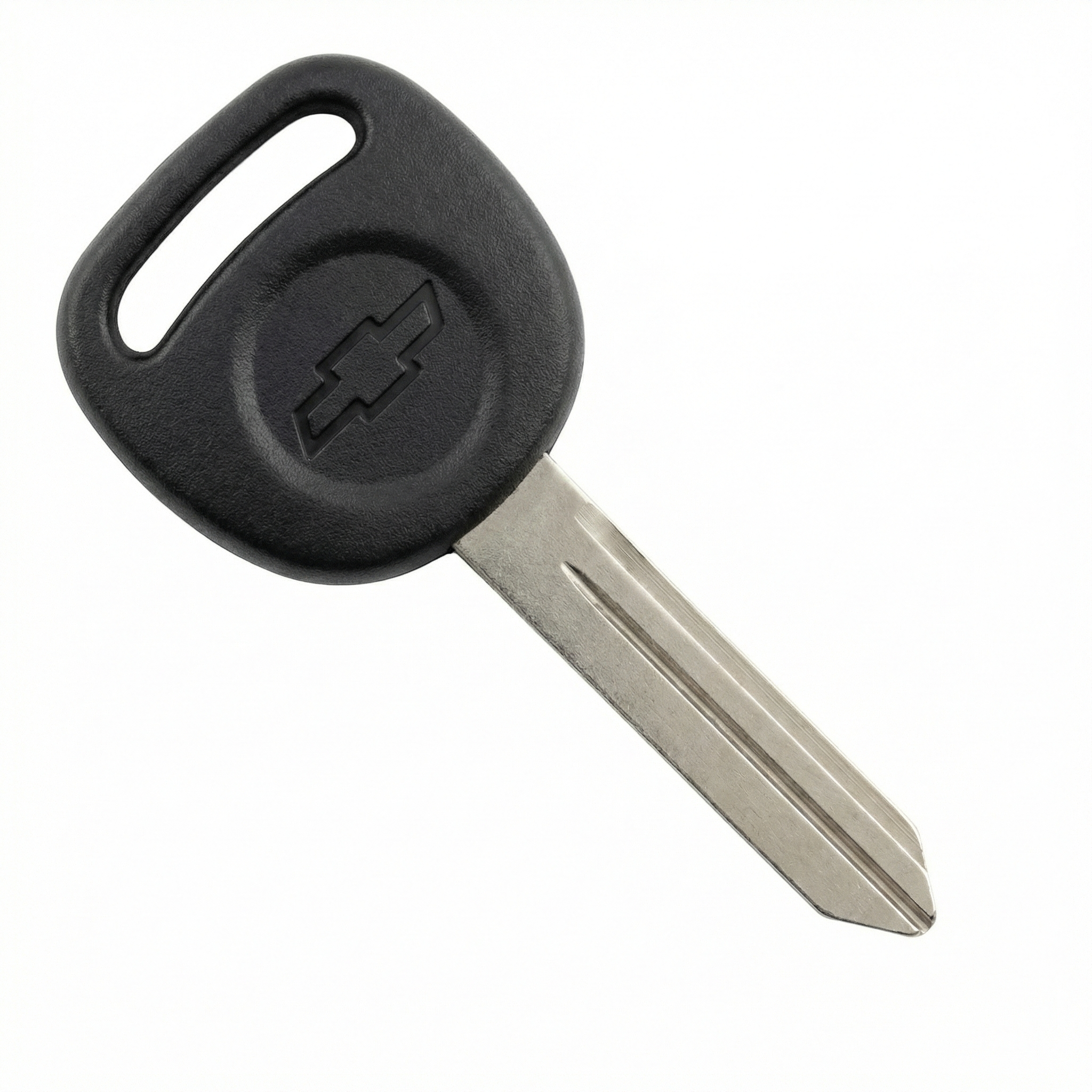
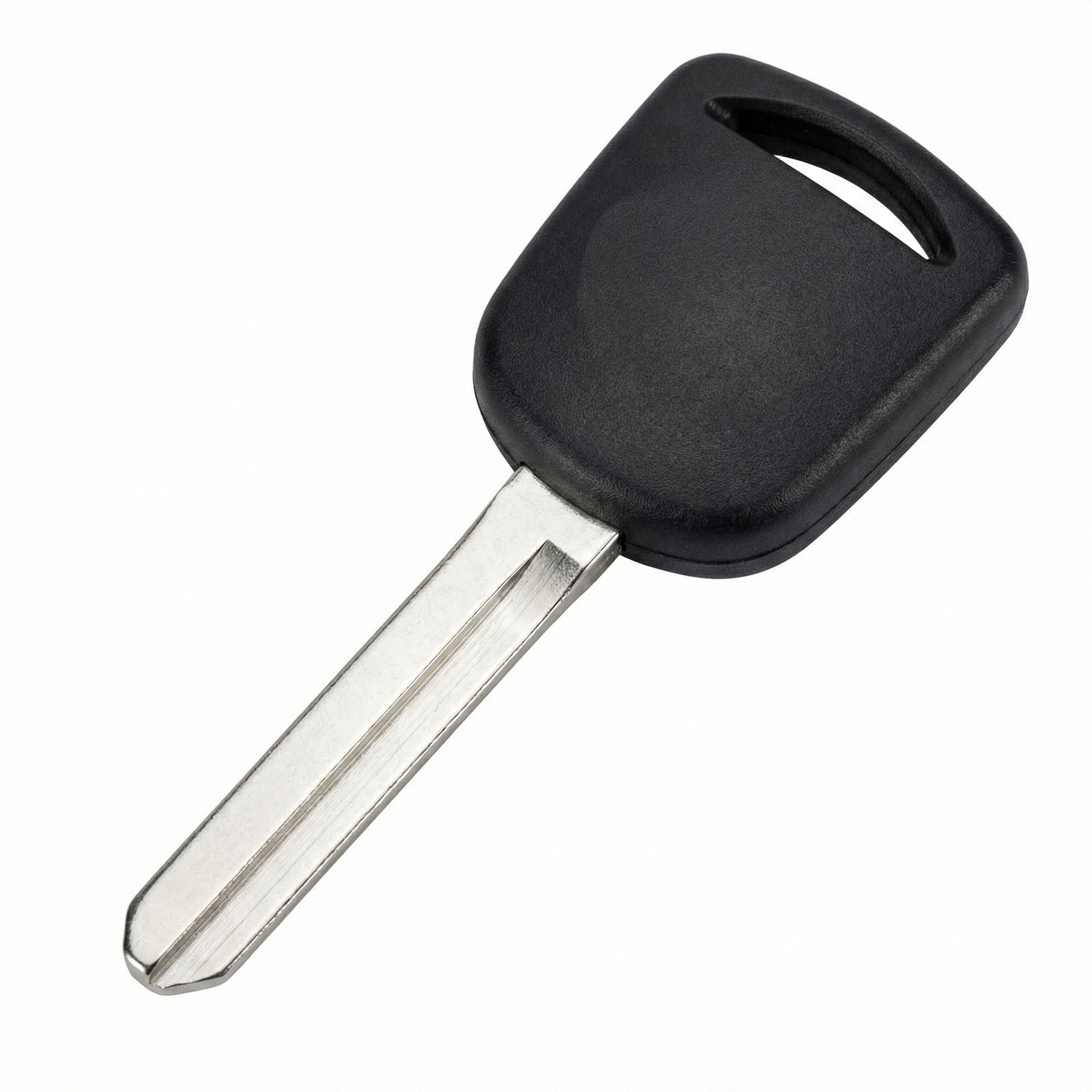
(OEM #GM #25845353 (PK3+))— The chip in the key can fail, making it unrecognizable to the car's security system.
Trusted brands: ACDelco
OEM price range: $50-$100
Aftermarket price range: $25-$60
Related Codes That Often Appear With This One
- B2960 — This is a common GM Body Control Module code for 'Security System Sensor Data Incorrect but Valid,' which often points directly to a problem with the Passlock sensor in the ignition lock cylinder.
Technical Service Bulletins (TSBs) & Recalls
- While no TSB is directly for P1614, a related common issue is covered by TSB #06-02-35-009H regarding a clunking noise from the intermediate steering shaft. This is relevant as work in the steering column area for one issue could potentially disturb wiring for the other.
Mechanic-Grade Diagnostic Values
- BCM Ground Voltage Drop — expected: Less than 100 millivolts (0.1V). Failure: A reading significantly higher than 0.1V indicates a poor ground connection, which can cause erratic BCM behavior and communication faults like P1614.
- BCM Sleep Mode Current Draw — expected: 20-50mA. Failure: A draw of 300-500mA or higher after the vehicle has been off for several minutes suggests the BCM is not entering sleep mode correctly, which can cause battery drain and lead to low-voltage communication errors.
Scan Tool Commands That Help
- Tech 2: Theft Module Re-Learn / VTD Re-Learn — This function is used after replacing the BCM, PCM, or Passlock sensor to force the modules to learn the new component's security credentials. It is a faster, tool-driven alternative to the 30-minute manual relearn procedure.
- Tech 2 / GDS2: BCM Programming/RPO Configuration — When installing a new or used BCM, it must be programmed with the vehicle's specific VIN and Regular Production Option (RPO) codes to function correctly. This ensures it knows which features the car has (e.g., remote start, specific lighting).
Wiring & Ground Locations
- BCM (Body Control Module) — Under the driver's side of the dashboard, to the left of the steering column, often above the OBD-II port.. The BCM is the central module for the Passkey III+ security system. All communication regarding the key's validity flows through it. Poor connections or internal faults here are a direct cause of P1614.
- G201 — On the front of the dash, above G202.. This is a primary interior ground point. A loose or corroded G201 can cause a floating ground for the BCM, leading to intermittent and difficult-to-diagnose communication errors and security faults.
- G202 — On the right side of the steering column, below connector X201.. Another critical ground for dash-mounted components, including potentially the BCM or related circuits. Verifying this ground is tight and clean is a key diagnostic step for persistent, unexplained electrical issues.
OEM Part Supersession History
88964357, 15216929, 19149940→15795321— Standard part consolidation and potential minor design updates by the manufacturer over the vehicle's lifecycle.
Heads up: The final part number, 15795321 (also sold as ACDelco D1462G), is the correct service replacement for the entire 2006-2013 model range and related GM vehicles.
Diagnostic Flowchart
Other Known Issues on This Vehicle
Issues unrelated to this code that are worth knowing about as an owner of this generation:
- 4T65-E Transmission Failure (Solenoids/Pressure Control) 🔴 High — Common after 80,000 miles, especially on 2006-2011 models. Symptoms include harsh shifting, slipping, or getting stuck in one gear.
- Intermediate Steering Shaft Clunk 🟠 Medium — A very common issue where a clunking or popping noise is heard and felt through the steering wheel during low-speed turns. (Ref: GM TSB #06-02-35-009H)
- HVAC Blend Door Actuator Failure 🟡 Low — Extremely common failure causing a loud clicking or ticking noise from the dashboard and/or inability to control cabin temperature.
- Excessive Oil Consumption (3.5L/3.9L V6) 🟠 Medium — Some owners report higher-than-normal oil consumption, which can be caused by worn piston rings or valve seals.
- Power Steering System Leaks 🟠 Medium — Leaks can develop from the power steering rack (leaking into the boots) or the pump itself, causing a whining noise when turning.
Used vs. New Parts: Buying Guide for This Vehicle
When a used part is the smart pick: A used ignition lock cylinder is a viable option as it is primarily a mechanical part with an integrated sensor. The key is ensuring it comes from a vehicle with reasonable mileage and shows no excessive wear.
Donor-vehicle mileage cap: roughly under 80000 miles for the part to have meaningful remaining life.
What to inspect on the donor part:
- Check for smooth key rotation without binding or sticking.
- Inspect the small wires coming from the Passlock sensor for any signs of fraying, pinching, or previous repairs.
- Ensure the electrical connector is free of corrosion or damage.
OEM-only on this vehicle (don't cheap out):
- Body Control Module (BCM)
Aftermarket brands forum-validated for this vehicle:
- ACDelco (OEM)
- Standard Motor Products (SMP)
- Dorman
Brands owners have reported issues with on this vehicle:
- No-name, unbranded ignition lock cylinders from online marketplaces often have higher failure rates and may not perform the security relearn procedure correctly.
Real Owner Stories
Aggregated from forums and TSBs cited above. Mileages and costs reflect what owners reported in those sources.
2007 Chevrolet Impala
Symptoms: Classic no-start condition accompanied by a flashing security light on the dashboard.
What fixed it: Replacement of the ignition lock cylinder after the 30-minute relearn procedure failed to resolve the issue.
Source hint: ImpalaForums.com thread titled 'P1614 Code - 2007 Impala'
2006 Chevrolet Impala
Symptoms: Vehicle would not start and the security light remained on. The owner initially suspected the battery and the key.
What fixed it: Replacement of the ignition switch/lock cylinder after a relearn procedure was unsuccessful.
Source hint: ChevroletForum.com thread titled '2006 Impala won't start, security light on'
2008 Chevrolet Impala
Symptoms: Exact symptoms of P1614 and a no-crank condition.
What fixed it: The owner was advised to try a spare key and the 30-minute relearn, with professional technicians noting the high failure rate of the Passlock sensor within the lock cylinder on these W-body cars.
Source hint: Reddit r/MechanicAdvice thread titled 'P1614 and no crank'
Related OBD-II Codes
Frequently Asked Questions
My 2007 Impala has a flashing security light and won't start; could this be related to the steering column clunk mentioned in TSB #06-02-35-009H?
I'm seeing a 'Service Theft Deterrent System' message on my 2006-2013 Impala. Is there a way to fix this without tools?
Can a bad battery cause a P1614 code on my Chevy Impala?
My door locks and windows are acting up along with the security light. Does this mean I need a new ignition cylinder?
Should I buy a used ignition lock cylinder for my Impala to save money?
What brands are recommended if I need to replace the ignition components on my 2008 Impala?
Helpful Videos

Used OEM Parts in Stock
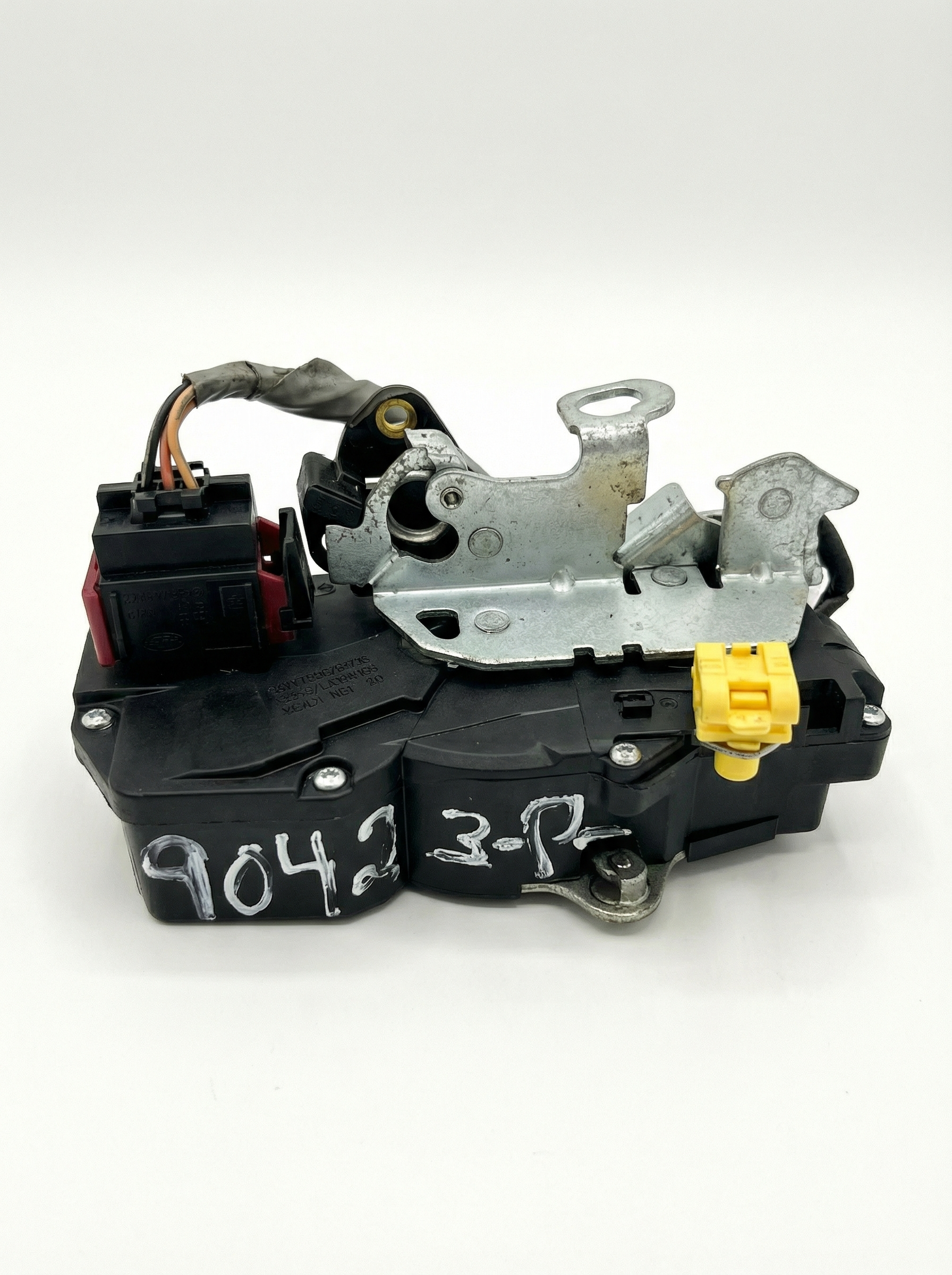
New Aftermarket Parts Available


The information in this article is provided for general reference and educational purposes only. Vehicle specifications, procedures, and part compatibility can vary by production date, trim level, and region. Always consult your vehicle's factory service manual and verify part numbers before purchasing or performing repairs. Safety-critical components such as airbags, seat belts, and braking systems should be installed by a qualified professional.
- Chevrolet Impala:
- 🧭 Diagnostic Flowchart
- 🎬 Helpful Videos
- 🛍️ Shop This Part
- What's Unique About the 2006-2013 Chevrolet Impala
- Symptoms You May Notice
- Most Likely Causes
- Rare But Worth Checking
- Diagnosis Steps
- Parts You'll Likely Need
- Related Codes That Often Appear With This One
- Technical Service Bulletins (TSBs) & Recalls
- Mechanic-Grade Diagnostic Values
- Scan Tool Commands That Help
- Wiring & Ground Locations
- OEM Part Supersession History
- Other Known Issues on This Vehicle
- Used vs. New Parts: Buying Guide for This Vehicle
- Real Owner Stories
- 2007 Chevrolet Impala
- 2006 Chevrolet Impala
- 2008 Chevrolet Impala
- Related OBD-II Codes
- Frequently Asked Questions
- 🎟️ Get 5% Off