

U0073 on 2005-2010 Chevrolet Cobalt: Network Failure Causes and Fixes
On a 2005-2010 Cobalt, code U0073 is almost always caused by a bad ground connection, a faulty Transmission Control Module (TCM), or chafed wiring. Check and clean the main ground points on the transmission and chassis first, as this is a very common, low-cost fix. A failing TCM or BCM are also frequent culprits, along with intermittent shorts in the GMLAN wiring harness.
- Before any other diagnosis, check and clean the main ground connections, especially the one on the transmission housing. This is the most common and cheapest fix.
- Symptoms like erratic shifting and a U0101 code strongly point to the Transmission Control Module (TCM) or its ground.
- Do not replace the Body Control Module (BCM) just because a scan tool can't communicate with it. A wiring short is a very common underlying cause that can mimic a failed BCM.
- This code indicates a serious safety issue. Do not drive the vehicle until the communication problem is resolved.
What's Unique About the 2005-2010 Chevrolet Cobalt
The Chevrolet Cobalt and its GM Delta platform mates are particularly susceptible to electrical issues stemming from poor ground connections and module failures. Unlike many cars where this code points to a random wiring fault, on the Cobalt, there are several well-documented failure points. These include specific ground studs on the transmission that corrode, and a high rate of Transmission Control Module (TCM) failures that can bring down the entire communication network. These known issues provide a clear diagnostic path for owners.
Symptoms You May Notice
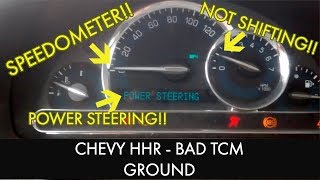
- Multiple warning lights on the instrument cluster (Check Engine, Power Steering, ABS, Traction Control)
- Speedometer and tachometer gauges drop to zero
- 'Power Steering' message displayed on the driver information center
- Harsh, erratic, or delayed automatic transmission shifting
- Transmission stuck in one gear (limp mode)
- Engine may stall or hesitate
- Vehicle may not start or crank
- Scan tool cannot communicate with any modules, or only some modules
- Anti-theft or security light flashing
- Replacing the Body Control Module (BCM) without first checking for intermittent shorts in the GMLAN wiring harness. TSB PIT4730B specifically warns that a wiring fault can make a good BCM appear to be offline.
- Replacing the instrument panel cluster because the gauges are dead. The gauges are simply displaying the lack of information they are receiving from the network. 🎬 Watch: Troubleshooting a weird instrument cluster and ECM communication loss.
- Replacing the ECM. While possible, ECM failure is less common on this platform for this specific code compared to ground issues, TCM, and BCM problems.
Most Likely Causes
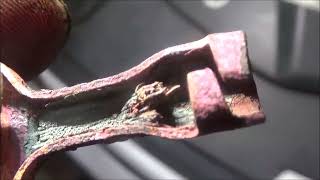
- Corroded or Loose Ground Connections 🔴 High Probability The Cobalt has several key ground points exposed to the elements that are known to corrode and cause high resistance, disrupting module communication. This is a widely reported fix in owner forums.
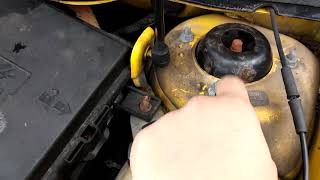
How to confirm: Locate the main ground points. One is a bundle of black wires on a stud on the transmission bellhousing (G105), near the starter and intake manifold. Another is under the driver-side headlight (G103). Disconnect the battery, remove the nut, and thoroughly clean the terminals, wire eyelets, and mounting surface with a wire brush until shiny. 🎬 Watch: How to clean the G105 ground to fix no-start issues.
Typical fix: Cleaning and securing the ground connections is often the complete fix. In some cases, a corroded ground wire end may need to be replaced. Applying dielectric grease after cleaning can prevent future corrosion.
Est. part cost: $0-$10 - Faulty Transmission Control Module (TCM) 🟡 Medium Probability → Shop Transmission Assembly The TCM on the Cobalt is a frequent failure point. It can fail internally or suffer from a poor ground, causing it to stop communicating and bring down the entire GMLAN network. A failing TCM can cause the entire network to go down.
How to confirm: With a capable scan tool, check which modules are offline. If the TCM is not communicating and you have transmission-related symptoms, it's a strong suspect. A common DIY diagnostic is to add a supplementary ground wire from the TCM's metal case to a clean chassis ground point. If this restores function, the TCM's original ground path is faulty or the module itself has an internal ground issue.
Typical fix: First, attempt to add a dedicated ground wire. If this doesn't work, the TCM likely needs to be replaced. A replacement TCM will require programming to the vehicle's VIN. Used TCMs from a junkyard with the same engine and options may be plug-and-play in some cases, but often require programming.
Est. part cost: $50-$250 - Chafed or Damaged Wiring Harness 🟡 Medium Probability Wiring harnesses can rub against chassis or engine components over time, eventually wearing through the insulation and causing a short circuit on the GMLAN wires (a twisted pair of wires). This is a known issue on the GM Delta platform.
How to confirm: Visually inspect the wiring harness, particularly where it runs near the under-hood fuse box, around the BCM (in the passenger footwell/center console area), and going to the TCM. Look for any signs of rubbing, pinching, or corrosion. TSB PIT4730B notes that an intermittent short-to-ground on these wires can cause the BCM to go offline.
Typical fix: If a damaged section is found, the wires must be carefully repaired. This involves cutting out the damaged section, soldering in a new piece of wire, and protecting the repair with heat shrink tubing.
Est. part cost: $5-$20 - Faulty Body Control Module (BCM) ⚪ Low Probability → Shop Body Control Module While the BCM can fail, it is often misdiagnosed. Intermittent wiring issues can make the BCM appear offline, leading to unnecessary replacement. Water intrusion into the passenger footwell can also damage the BCM or its connectors. On the HHR platform mate, a user reported U0073 was caused by a faulty BCM.
How to confirm: If a scan tool cannot communicate with the BCM but can with other modules, it points towards the BCM or its dedicated wiring. Before replacing, follow TSB PIT4730B's advice: thoroughly inspect the GMLAN wiring for intermittent shorts to ground, as this is a more likely cause. Check for moisture around the BCM, which is located in the center console/passenger footwell area.
Typical fix: If the BCM is confirmed to be faulty after ruling out wiring issues, it must be replaced and programmed to the vehicle. A used BCM from a vehicle with identical options may not require programming, but often does.
Est. part cost: $100-$300
Rare But Worth Checking
- Faulty Power Steering Control Module (PSCM): The Cobalt had a major recall (NHTSA 10V073000) for its electronic power steering motor. A failing PSCM can disrupt the communication network. If you have a 'Power Steering' message along with U0073, this module should be investigated. One owner on a forum traced their U0073 to the power steering motor.
- Weak or Failing Battery: → Shop Vehicle Battery Low system voltage during startup can prevent modules from initializing correctly, leading to communication codes. Always test the battery (should be >12.4V) and charging system before diving into complex wiring diagnostics.
- Aftermarket OBD-II Devices: Leaving an aftermarket scanner, insurance tracker, or performance monitoring device plugged into the OBD-II port can sometimes interfere with the CAN bus and cause communication errors. Remove any such devices as a first diagnostic step.
Diagnosis Steps
- Check Battery and Fuses: Ensure the battery has at least 12.4 volts and that the charging system is working correctly. Check all fuses related to the ECM, BCM, TCM, and instrument cluster in both the under-hood and interior fuse panels.
- Scan for All Codes: Use a scan tool capable of reading codes from all modules (BCM, TCM, ABS, etc.). Note which modules are not communicating. The presence of codes like U0101 or U0140 can help narrow the search.
- Inspect and Clean Grounds: Disconnect the battery. Locate the primary engine/transmission ground points, especially the G105 stud on the transmission housing. Disassemble, clean all contact surfaces to bare metal, and reassemble securely. This step alone solves the problem in many cases.
- Perform a Visual Wiring Inspection: Carefully inspect the main wiring harnesses for signs of chafing, especially under the fuse box, around the center console where the BCM is, and near the transmission. Pay close attention to the GMLAN twisted pair (circuits 2500 & 2501).
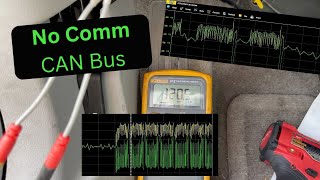
- Test CAN Bus Resistance: If you are comfortable with a multimeter, disconnect the battery. At the DLC (OBD-II port), measure the resistance between Pin 6 (CAN High) and Pin 14 (CAN Low). A healthy network should read approximately 60 ohms. A reading of 120 ohms indicates one of the two terminating resistors (usually in the ECM and BCM) is offline. A reading near 0 ohms indicates a short between the two CAN wires.
- Isolate Modules: If the resistance is incorrect or symptoms persist, try disconnecting modules one by one to see if communication is restored. Start with the most likely culprits: the TCM, then the BCM, then the PSCM. After unplugging a module, re-check for communication between the remaining modules.
Parts You'll Likely Need
- Transmission Control Module (TCM) — This module is a very common failure point on the Cobalt and can bring down the entire communication network, causing U0073 and severe shifting problems.
Trusted brands: ACDelco (OEM), Dorman
OEM price range: $200-$350
Aftermarket price range: $100-$250 - Body Control Module (BCM) — The BCM can fail, but is more often misdiagnosed. It acts as a central hub for communication and its failure will set a U0073 code.
Trusted brands: ACDelco (OEM)
OEM price range: $250-$400
Aftermarket price range: $150-$300
Related Codes That Often Appear With This One
- U0100 — Lost Communication with ECM/PCM. This often appears with U0073 as the ECM is a critical module on the network that has gone offline.
- U0101 — Lost Communication with TCM. This is very common with U0073 on the Cobalt and strongly points to a problem with the TCM or its wiring/ground.
- U0140 — Lost Communication with Body Control Module. This code is frequently seen with U0073 and indicates the BCM is offline, though the root cause may be wiring, as noted in TSB PIT4730B.
- P0700 — Transmission Control System Malfunction. This is a general code from the ECM indicating it has detected a fault within the TCM. It's a precursor to more specific transmission codes and often accompanies network issues.
Technical Service Bulletins (TSBs) & Recalls
- PIT4730B: Diagnostic tip for U0140/U0073 where the BCM appears offline due to intermittent shorts on the GMLAN data circuits. Warns against replacing the BCM without thorough wiring diagnosis.
Platform-Specific Known Issues
- A well-documented DIY fix for intermittent communication/TCM issues involves adding a new, separate ground wire from one of the TCM's mounting bolts directly to the vehicle's chassis or a known good ground point. This bypasses a potentially faulty ground in the factory harness.
Mechanic-Grade Diagnostic Values
- High-Speed GMLAN Bus Resistance — expected: 60 Ohms. Failure: 120 Ohms indicates an open circuit or a terminating resistor is offline. Near 0 Ohms indicates the CAN High and Low wires are shorted together.
- High-Speed GMLAN High (Pin 6) Voltage — expected: 2.5V at rest (recessive state), toggling to ~3.5V when transmitting (dominant state).. Failure: Stuck high, stuck low, or no voltage.
- High-Speed GMLAN Low (Pin 14) Voltage — expected: 2.5V at rest (recessive state), toggling to ~1.5V when transmitting (dominant state).. Failure: Stuck high, stuck low, or no voltage.
- GMLAN Wire Colors (High-Speed) — expected: CAN High (+) is Circuit 2500 (Tan/Black wire), CAN Low (-) is Circuit 2501 (Tan wire).. Failure: N/A
Hidden / Shadow Codes Worth Checking
- U0073 71: This is a symptom code indicating 'High Speed Communication Bus Off, Bus Signal Erratic'. It specifically points to an intermittent short-to-ground or short between the data circuits that occurred very rapidly (twice in less than a second). (see via A professional scan tool like a GM Tech2 or MDI is required to see these specific symptom bytes.)
Scan Tool Commands That Help
- Launch X431 / GM Tech2 / Autel MaxiSys: Setup SDM Part Number in BCM — After replacing the Body Control Module (BCM), this function is used to program the new BCM with the part number of the vehicle's original Inflatable Restraint Sensing and Diagnostic Module (SDM), ensuring they can communicate correctly.
- GM Tech2 / MDI with SPS: BCM or TCM Programming/Setup — When installing a new BCM or TCM, the dealer-level tool is required to load the correct software and VIN into the module. A used module may also require this if it's not from an identical donor vehicle.
Wiring & Ground Locations
- G105 — On the lower left front of the transmission case.. This is a primary ground for the Transmission Control Module (TCM) on automatic transmission models. Corrosion here is a very common cause of U0073 and related transmission codes.
- G107 — Also located on the lower left front of the transmission case, often sharing the same stud as G105.. Serves as another critical ground point for powertrain components. It should be cleaned along with G105.
- G103 — Located in the left front of the engine compartment, under the left headlamp assembly.. This ground serves multiple components, and while not the primary cause, poor connection here can contribute to overall electrical noise and instability.
- G201 — Behind the left side of the dash, near the steering column.. This is an interior ground point. While less exposed to weather, a loose connection here can cause strange interior electronic issues that may be related to network problems.
- DLC (Data Link Connector) — Under the driver's side dashboard, to the left of the steering column.. This is the main diagnostic port. Pin 6 is GMLAN High (+) and Pin 14 is GMLAN Low (-). These are the primary test points for checking bus resistance and voltage.
- BCM Connectors — The BCM is located in the center console/passenger footwell area. It has multiple large connectors (e.g., C1, C2, C4).. The GMLAN wires (Tan/Black and Tan) pass through these connectors. They can be a point of failure due to loose pins or water intrusion.
Real Owner Repair Stories
- 2CarPros Forum User (2006 Chevrolet Cobalt) — Codes P0700 and U0101 (Lost Communication with TCM).
❌ Tried (didn't work) Purchased a new TCM and took it to a dealership for programming. The dealer was unable to get the new TCM to communicate with the ECM.
✅ What actually fixed it The owner acquired a used TCM from a salvage yard and installed it. This resolved the problem without needing programming, suggesting it came from a vehicle with identical options. - Chevy HHR Network Forum User (2011 HHR (platform mate)) — Random U0073 code, eventually leading to no-crank, no windows, no AC, no wipers (loss of all BCM functions).
❌ Tried (didn't work) Cleaning the under-hood fuse block connectors., Cleaning the BCM connectors., Cleaning all battery connections.
✅ What actually fixed it The user's issue was self-induced by cleaning connectors, which likely caused a new problem. However, the initial cause of the random U0073 was never definitively found before the new issue occurred. The key takeaway is that the BCM controls a vast number of functions that will be lost when it's offline. - NHTSA ODI #10566655 — An owner reported that all gauges went nuts and the vehicle started shifting hard. A dealership initially replaced terminals, but the U0073 code returned one day later.
- NHTSA ODI #10663220 — A driver experienced a situation where the transmission was not shifting correctly and a scan revealed code U0073, indicating the control module communication bus was off.
OEM Part Supersession History
Multiple (e.g., 24235754 for 2006, 24238659 for 2007)→Varies by year and engine. All fall under the GM-T42 module type with hardware code 24234503 for many 2.2L models.— Revisions and software updates.
Heads up: It is critical to match the part number from the original TCM. While some vendors sell 'plug-and-play' pre-programmed modules, a used module from a junkyard must typically come from a vehicle with the exact same year, engine, and transmission to have a chance of working without dealer programming.Varies by year and options (e.g., 25928052 for a 2009 model)→Varies— Revisions for feature and hardware changes.
Heads up: A used BCM must be from a vehicle with identical options (e.g., with/without sunroof, remote start, etc.) to avoid issues. Even with matching options, a VIN relearn or full programming with a Tech2 is often required to make it fully functional and communicate with the ECM and other modules.
Model Year Variations Within This Range
- 2005-2010: TCM and BCM part numbers changed frequently throughout the Cobalt's production run. A module for a 2006 2.2L will not be the same as one for a 2009 2.2L. Always verify the part number on the original module before ordering a replacement.
- 2007+: Later model year BCMs may have different programming requirements or feature sets. For example, swapping to a 2007+ BCM might be desirable for certain features but requires access to a Tech2 for programming. The physical design of the BCM appears similar from 2005-2010, but internal data structures for VIN and mileage are specific.
Diagnostic Flowchart
Other Known Issues on This Vehicle
Issues unrelated to this code that are worth knowing about as an owner of this generation:
- Faulty Ignition Switch 🔴 High — Extremely widespread, subject of a massive recall (NHTSA 14V047000). The switch can move out of the 'Run' position, shutting off the engine and disabling airbags. (Ref: 14V047000)
- Electric Power Steering (EPS) Motor Failure 🔴 High — Very common, subject of a major recall (NHTSA 10V073000). Results in a sudden loss of power steering assist, making the vehicle difficult to steer at low speeds. (Ref: 10V073000)
- Cracked Fuel Pump Module Port 🟠 Medium — Common in warm-weather states, leading to fuel leaks. Subject of recalls NHTSA 09V419000 and 12V459000. (Ref: 09V419000, 12V459000)
- Corroded Fuel Lines 🟠 Medium — NHTSA opened an investigation in 2020 for corroded fuel lines near the left rear wheel well, causing fuel leaks. Affects 2008-2010 models. (Ref: NHTSA Investigation PE20-008)
- Key Can Be Removed When Not in Park 🟠 Medium — Widespread issue allowing the key to be removed from the ignition when the shifter is not in 'Park', creating a rollaway risk. Addressed by recall NHTSA 14V171000. (Ref: 14V171000)
Used vs. New Parts: Buying Guide for This Vehicle
When a used part is the smart pick: For the Transmission Control Module (TCM), a used part can be a smart, cost-effective choice, especially if you can find one from a donor vehicle with the exact same year, engine, and transmission. In some cases, these can be plug-and-play. For the Body Control Module (BCM), a used part is riskier due to the need for programming and matching vehicle options, but can still be viable if you have access to a Tech2 scanner or a mechanic who does.
Donor-vehicle mileage cap: roughly under 80000 miles for the part to have meaningful remaining life.
What to inspect on the donor part:
- Verify the part number on the used module EXACTLY matches your original module.
- Obtain the VIN of the donor car if possible to verify its options.
- Inspect connectors for any signs of corrosion, bent pins, or water damage.
- For TCMs, ask if the donor vehicle had any transmission issues.
- Buy from a reputable salvage yard with a return policy in case the part is dead on arrival.
OEM-only on this vehicle (don't cheap out):
- While aftermarket TCMs/BCMs exist, they are often remanufactured OEM units. It is generally recommended to stick with genuine GM (new or used) or a high-quality remanufactured OEM part from a specialist who pre-programs it to your VIN.
Aftermarket brands forum-validated for this vehicle:
- Flagship One (FS1)
- SIA Electronics
- Dorman (Remanufactured)
Brands owners have reported issues with on this vehicle:
- Unbranded, no-name modules from online marketplaces with no warranty or programming support.
Real Owner Stories
Aggregated from forums and TSBs cited above. Mileages and costs reflect what owners reported in those sources.
2005-2010 Chevrolet Cobalt
Symptoms: Multiple warning lights on the instrument cluster including Check Engine, Power Steering, ABS, and Traction Control; speedometer and tachometer gauges dropped to zero; 'Power Steering' message displayed.
What fixed it: Locating the G105 ground point on the transmission bellhousing, removing the nut, and thoroughly cleaning the terminals and mounting surface with a wire brush to remove corrosion.
Source hint: Article context section on Corroded or Loose Ground Connections and diagnosis_steps
Chevrolet Cobalt with Automatic Transmission
Symptoms: Harsh, erratic, or delayed automatic transmission shifting; transmission stuck in limp mode; U0073 code present.
What fixed it: Adding a new, separate ground wire from one of the TCM's mounting bolts directly to the vehicle's chassis to bypass a faulty ground in the factory harness.
Source hint: vehicle_specific_issues citing
Chevrolet HHR (Platform Mate)
Symptoms: Anti-theft light flashing and U0073 code; BCM appearing offline.
What fixed it: Replacing the Body Control Module (BCM) after confirming it was faulty, though the context notes many are misdiagnosed due to wiring shorts.
Source hint: forum_citations: https://www.chevyhhr.net/forums/problems-service-repairs-42/anti-theft-u0073-66179/
NHTSA Reported Incident
Symptoms: Gauges went nuts and the vehicle started shifting hard. A scan tool confirmed code U0073.
What fixed it: While a dealership initially replaced terminals, the issue was persistent, highlighting the difficulty of resolving intermittent communication bus faults (NHTSA ODI #10566655).
NHTSA Reported Incident
Symptoms: Transmission not shifting correctly and the "Control Module Bus Off" message associated with U0073.
What fixed it: An owner reported these symptoms to a mechanic who identified the communication bus failure (NHTSA ODI #10663220).
Related OBD-II Codes
Frequently Asked Questions
My Cobalt's power steering message is on and the gauges dropped to zero. Does TSB PIT4730B apply to my car?
I'm seeing U0073 and my transmission is shifting harshly. Could the TCM ground be the issue?
Where is the G105 ground stud located on a 2005-2010 Cobalt?
Can a faulty ignition switch cause communication codes like U0073 on this vehicle?
My scan tool shows 120 ohms when testing the CAN bus at the OBD-II port. What does this mean for my Cobalt?
Helpful Videos
Used OEM Parts in Stock
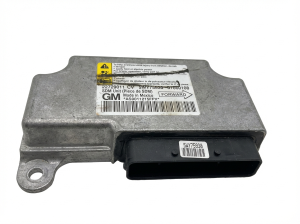
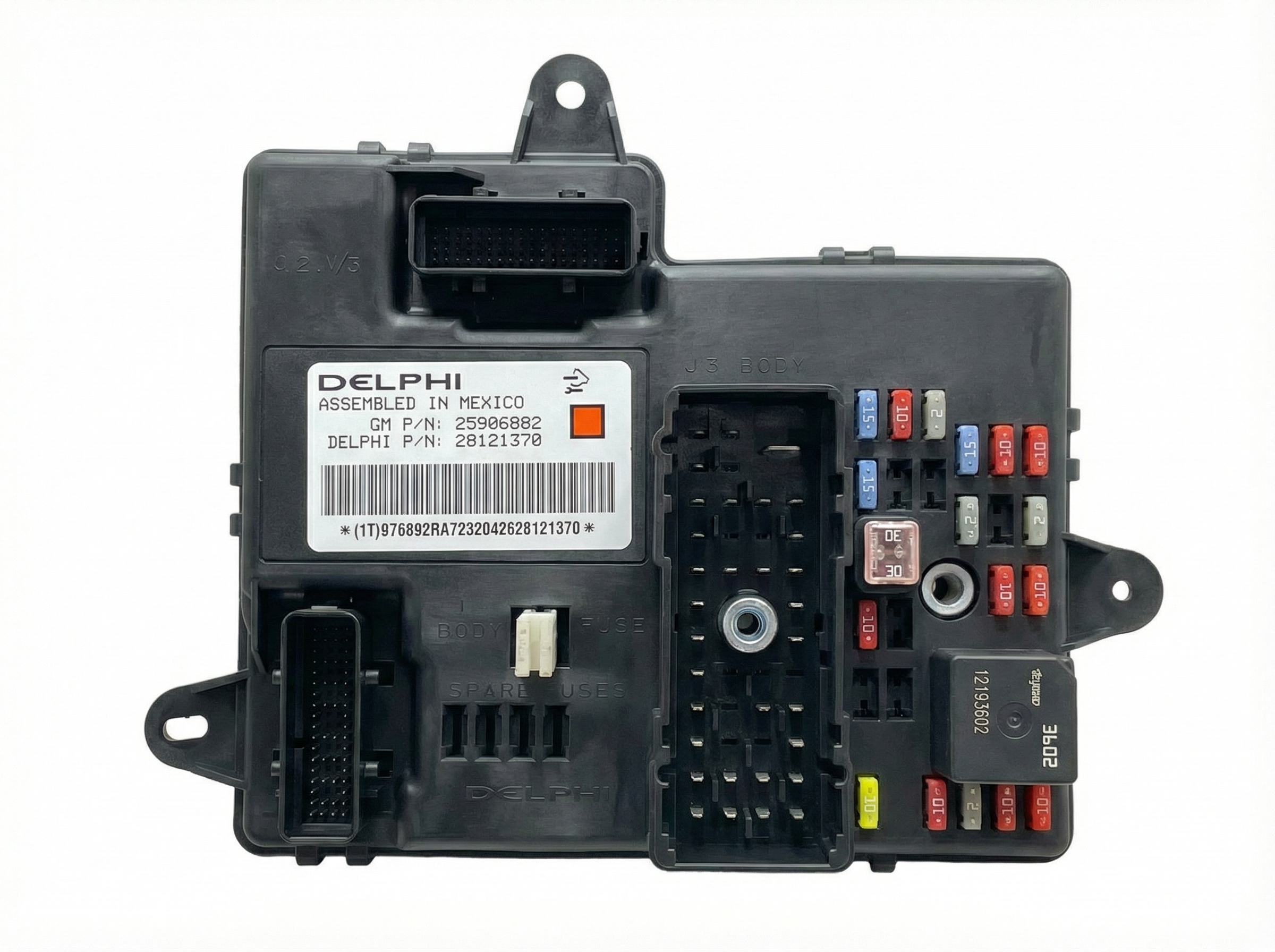
New Aftermarket Parts Available
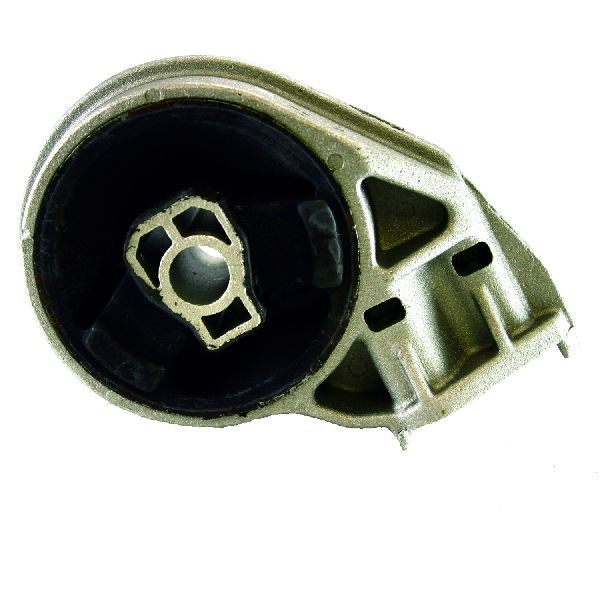

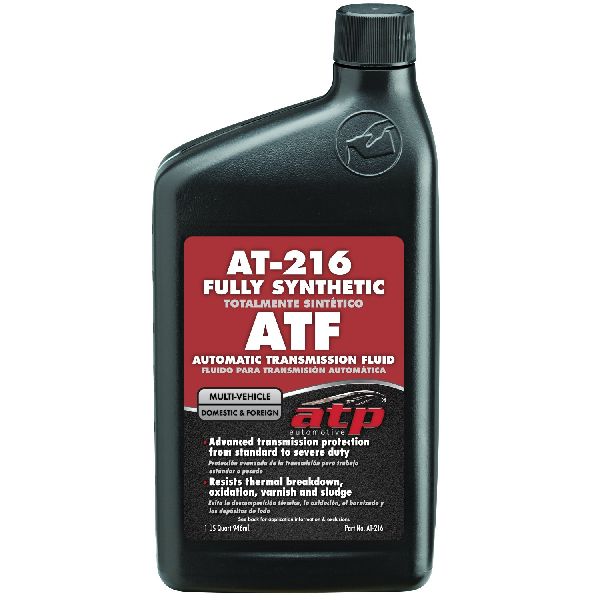

The information in this article is provided for general reference and educational purposes only. Vehicle specifications, procedures, and part compatibility can vary by production date, trim level, and region. Always consult your vehicle's factory service manual and verify part numbers before purchasing or performing repairs. Safety-critical components such as airbags, seat belts, and braking systems should be installed by a qualified professional.
- Chevrolet Cobalt:
- 🧭 Diagnostic Flowchart
- 🎬 Helpful Videos
- 🛍️ Shop This Part
- What's Unique About the 2005-2010 Chevrolet Cobalt
- Symptoms You May Notice
- Most Likely Causes
- Rare But Worth Checking
- Diagnosis Steps
- Parts You'll Likely Need
- Related Codes That Often Appear With This One
- Technical Service Bulletins (TSBs) & Recalls
- Platform-Specific Known Issues
- Mechanic-Grade Diagnostic Values
- Hidden / Shadow Codes Worth Checking
- Scan Tool Commands That Help
- Wiring & Ground Locations
- Real Owner Repair Stories
- OEM Part Supersession History
- Model Year Variations Within This Range
- Other Known Issues on This Vehicle
- Used vs. New Parts: Buying Guide for This Vehicle
- Real Owner Stories
- 2005-2010 Chevrolet Cobalt
- Chevrolet Cobalt with Automatic Transmission
- Chevrolet HHR (Platform Mate)
- NHTSA Reported Incident
- NHTSA Reported Incident
- Related OBD-II Codes
- Frequently Asked Questions
- 🎟️ Get 5% Off