

U0073 on 2008-2009 Hummer H2: Control Module Communication Bus 'A' Off Explained
This code indicates a total loss of communication on the main vehicle data network (GMLAN). It's a serious fault often caused by wiring damage under the driver's side floor/door area, a faulty control module (especially the BCM), or issues with aftermarket electronics. Diagnosis is complex, frequently points to corroded wires or connectors near the driver's kick panel, and usually requires professional help.
- U0073 on a 2008-2009 H2 is a critical network failure, not a simple sensor issue.
- The most likely causes are wiring damage (especially from water/corrosion under the driver's side floor), a faulty control module, or problems with aftermarket electronics.
- Do not drive the vehicle. It is unsafe and you risk being stranded.
- This is not a DIY-friendly repair. Professional diagnosis with the right tools is almost always required to avoid expensive misdiagnosis.
- Before suspecting expensive modules, thoroughly inspect the wiring harness in the driver's footwell and under the door sill for corrosion or damage.
What's Unique About the 2008-2009 Hummer H2
The 2008-2009 Hummer H2 uses the GM GMT900 truck platform's complex GMLAN high-speed network. Unlike earlier models which used a simpler Class 2 serial data bus, this CAN bus system is more sensitive to interference and voltage fluctuations. H2s are also frequently modified with aftermarket alarms, stereos, and lighting, which, if improperly installed by tapping into the CAN bus wires, can disrupt the network and trigger a U0073 code. Furthermore, water intrusion into the cabin, a known issue for H2s and their platform mates, can corrode wiring harnesses and critical splice packs (like SP205) located under the carpet and in the driver's side kick panel area above the emergency brake pedal.
Symptoms You May Notice
- Check Engine Light is on
- Multiple other warning lights are on (ABS, Airbag, Stabilitrak, etc.)
- Vehicle may not start or may crank but not fire.
- Transmission may be stuck in one gear (limp mode) or shift erratically.
- Loss of function in power windows, door locks, radio, or instrument cluster gauges.
- "Service 4WD" or other messages on the driver information center
- Inability for a standard OBD-II scanner to communicate with the vehicle's modules
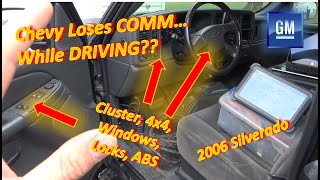
- Gauges sweeping or acting erratically, door locks cycling while driving. 🎬 Watch: Diagnosing erratic gauges and loss of communication while driving.
- Replacing a single module (like the TCM or BCM) without confirming it is the source of the network failure. The U0073 code is often accompanied by other 'U' codes pointing to various modules, but the root cause is the network itself, not necessarily all the modules that are reporting errors.
Most Likely Causes
- Wiring Harness Damage or Corrosion 🔴 High Probability H2s and other GMT900 vehicles can suffer from water leaks that pool in the driver-side floor pan. This corrodes the main wiring harness, the transmission pass-through connector, and splice packs (like SP205) located under the dash/kick panel. Wiring can also chafe near the parking brake mechanism or where it passes through the firewall. GM TSB #08-07-30-021H specifically calls out harness issues on this platform.
How to confirm: Visually inspect the wiring harness under the driver's side carpet, kick panel, and near the OBD-II port for signs of corrosion (green or white powder), chafing, or broken wires. Pay close attention to the large transmission connector and any splice packs. A multimeter can be used to check for shorts to ground or power on the CAN bus wires (Pins 6 and 14 at the OBD-II port).
Typical fix: Repairing the specific section of damaged wire. This involves cutting out the corroded or broken section, soldering in a new piece of wire, and sealing it with heat shrink tubing.
Est. part cost: $10-$100 - Faulty Control Module 🟡 Medium Probability Any module on the network (ECM, TCM, BCM, ABS, etc.) can fail internally and either stop communicating or 'shout' on the network, bringing the entire bus down. The Body Control Module (BCM) is a particularly common failure point on this platform that can cause a U0073 code.
How to confirm: This is a process of elimination. A technician will use a scan tool to see which modules are not communicating. They will then disconnect modules one by one from the CAN bus until communication is restored. The last module disconnected is the likely culprit.
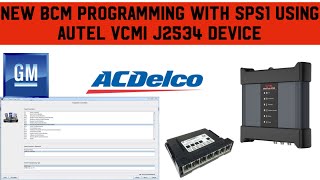
Typical fix: Replace the faulty module. The new module will need to be programmed to the vehicle using a specialized GM tool. 🎬 Watch: How to program a new Body Control Module.
Est. part cost: $200-$1000+ - Improperly Installed Aftermarket Electronics 🟡 Medium Probability H2s are popular vehicles for customization. Aftermarket remote starters, alarms, and stereos are often tapped into the vehicle's wiring. If they are connected incorrectly to the GMLAN bus wires instead of using a proper interface module, they can cause interference and communication failures.
How to confirm: Inspect the vehicle for any non-factory electronics. Trace their wiring to see how they are integrated. Disconnect the aftermarket device completely and see if the U0073 code clears and network communication is restored.
Typical fix: Remove the aftermarket device or reinstall it correctly using a dedicated data bus interface module, ensuring it does not interfere with the GMLAN bus.
Est. part cost: $0-$150 - Poor Battery Voltage or Ground Connection ⚪ Low Probability → Shop Vehicle Battery While not unique to the H2, low system voltage from a weak battery or alternator, or a corroded main ground, can cause unpredictable behavior in sensitive electronic modules. A voltage spike from an improper jump-start can also blow the 175-Amp 'Mega Fuse' on the battery distribution block, cutting power to multiple modules and causing a U0073 code.
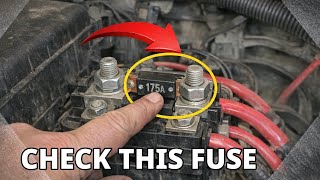
How to confirm: Test the battery voltage with the engine off (should be >12.4V). Check the charging system voltage with the engine running (should be 13.7-14.7V). Inspect and clean the main battery terminals and chassis ground connections. Check the 175A Mega Fuse for continuity if the issue occurred after a jump start. 🎬 See how a blown Mega Fuse causes communication codes.
Typical fix: Charge or replace the battery, replace the Mega Fuse, or repair the faulty ground connection.
Est. part cost: $20-$250
Rare But Worth Checking
- Failed Termination Resistor: The CAN bus requires a 120-ohm resistor at each end of the network (usually inside the ECM and another module, often the BCM on this platform). If one of these fails, it disrupts the entire network. Diagnosis involves measuring the resistance across the CAN high and low pins (Pin 6 and 14) at the OBD-II port with the battery disconnected. A healthy network should read approximately 60 ohms. A reading of 120 ohms indicates an open circuit or a missing termination resistor.
Diagnosis Steps
- Check battery voltage and inspect main power and ground connections. Ensure voltage is stable and above 12.4V.
- Connect a professional scan tool (GMLAN compatible) to the OBD-II port. Check for which modules are and are not communicating.
- Disconnect the battery.
- Using a multimeter, measure the resistance between Pin 6 (CAN High - Dark Green wire) and Pin 14 (CAN Low - Tan wire) at the OBD-II port. A healthy network should read approximately 60 ohms.
- If resistance is 120 ohms, it indicates an open circuit or a missing termination resistor. If it's close to 0 ohms, it indicates a short between the CAN high and low wires.
- Visually inspect the main wiring harness, especially under the driver's side door sill plate, under the carpet, and near the parking brake assembly for any signs of corrosion, water damage, or chafing. Pay special attention to splice packs SP205 located above the parking brake pedal area.
- Inspect the large electrical connector at the transmission for corrosion or backed-out pins, as noted in TSB #08-07-30-021H.
- If an aftermarket device is present, disconnect it first to see if the problem resolves.
- If a wiring fault isn't obvious, begin disconnecting modules from the GMLAN bus one at a time, reconnecting the battery and re-scanning after each one is disconnected. When communication is restored to the other modules, the last module disconnected is the likely source of the fault.
Parts You'll Likely Need
- Body Control Module (BCM)
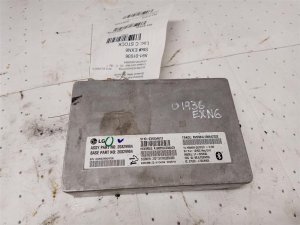
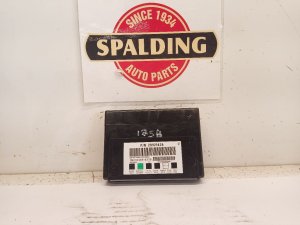
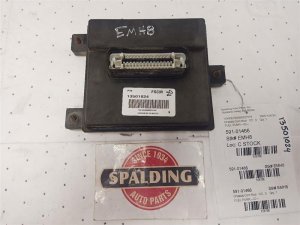
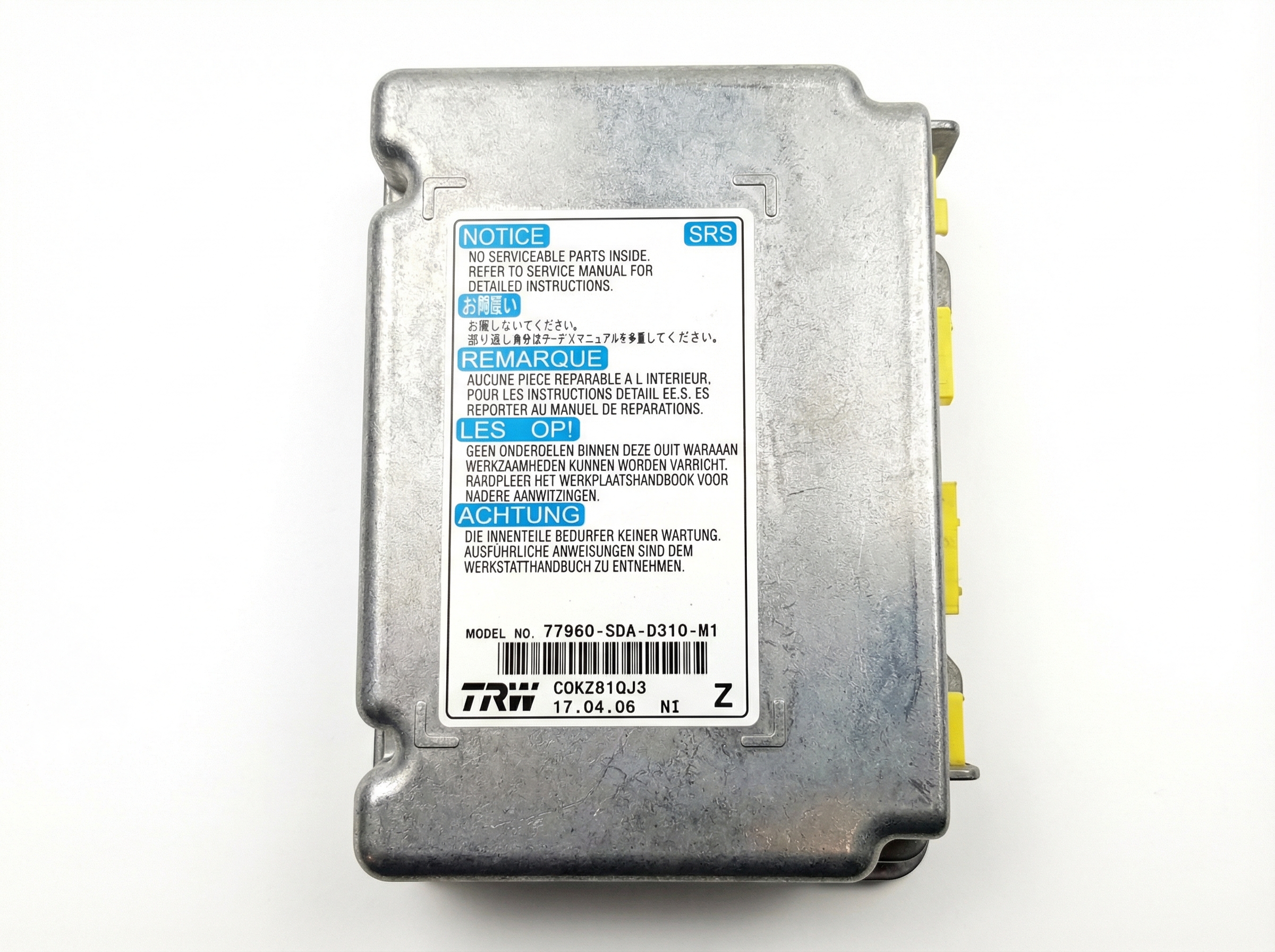
(OEM #15872421, 15828601, 22860591, 25847588)— The BCM is a central hub for many functions and a common point of failure on GM trucks of this era that can bring down the communication network. It is located on the driver's side attached to the firewall.
Trusted brands: ACDelco (GM Genuine), Dorman (Remanufactured)
OEM price range: $250-$400
Aftermarket price range: $150-$300 - Transmission Control Module (TCM) — The TCM is another critical module on the high-speed bus. A failure here, or corrosion in its connector, can cause both the U0073 code and severe shifting problems.
Trusted brands: ACDelco
OEM price range: $300-$500
Aftermarket price range: $200-$400
Related Codes That Often Appear With This One
- U0100 — Lost Communication With ECM/PCM
- U0101 — Lost Communication with TCM
- U0121 — Lost Communication With Anti-Lock Brake System (ABS) Control Module
- U0140 — Lost Communication With Body Control Module
- P0700 — Transmission Control System (MIL Request). This code is set when the TCM experiences a fault and requests the ECM to turn on the Check Engine Light. It often appears with network codes if the TCM is unable to communicate.
Technical Service Bulletins (TSBs) & Recalls
- GM TSB #08-07-30-021H: Addresses intermittent 'No Crank, No Start,' intermittent 'Service Stabilitrak' DIC message, and various communication DTCs including U0073. It points to potential issues with the 16-way transmission wiring harness connector, chafed harnesses, and poor grounds on GMT900 vehicles.
Platform-Specific Known Issues
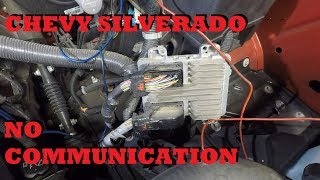
- Owner Experience: Chasing U0073 on a GMT900 Truck: An owner of a Chevrolet Silverado (a platform mate) reported a sudden onset of U0073, P0700, and other codes, along with erratic gauges and cycling door locks. An initial check of the CAN bus resistance showed a perfect 60 ohms, suggesting the main bus wiring was intact. The problem was intermittent, happening after the truck was running for about 30 seconds. The final solution was found by inspecting the main transmission connector; it had water inside, causing corrosion on the lower pins. The owner cleaned the pins, filled the connector with dielectric grease to prevent future moisture intrusion, and all communication codes were resolved. This highlights the vulnerability of connectors exposed under the vehicle.
Mechanic-Grade Diagnostic Values
- CAN Bus Resistance (Battery Disconnected) — expected: ~60 Ohms (± 5 Ohms). Failure: A reading of ~120 Ohms indicates an open in the bus or a failed termination resistor. A reading near 0 Ohms indicates a short between the CAN High and CAN Low wires.
- GMLAN High Wire Voltage (Key On, Engine Off) — expected: ~2.5V (recessive state) toggling to ~3.5V (dominant state). Failure: Voltage stuck high, low, or not toggling indicates a short or open on the line.
- GMLAN Low Wire Voltage (Key On, Engine Off) — expected: ~2.5V (recessive state) toggling to ~1.5V (dominant state). Failure: Voltage stuck high, low, or not toggling indicates a short or open on the line.
- 175-Amp Mega Fuse Continuity — expected: Near 0 Ohms (continuity beep on multimeter). Failure: Infinite resistance (OL or no beep) indicates the fuse is blown.
Scan Tool Commands That Help
- GM Tech2 / GDS2: Module Isolation — When a U0073 code is present and all modules are offline, a technician can use the scan tool to see a list of expected modules. They then physically disconnect modules one-by-one until communication is restored to the remaining modules, identifying the faulty one.
- GM Tech2 / GDS2: Setup New BCM / SDM Primary Key Setup — After replacing the Body Control Module (BCM), the new module must be programmed. A critical step is performing the "SDM Primary Key Setup" or a similar function to create a handshake between the new BCM and the existing Sensing and Diagnostic Module (airbag module). Failure to do this will result in an airbag warning light.
- GM Tech2 / GDS2: 30-Minute Security Relearn Procedure — After replacing the BCM, if the vehicle fails to start due to the Passlock security system, this procedure is required. It involves cycling the ignition on for 10-minute intervals three times to allow the vehicle to learn the new module's security credentials.
Wiring & Ground Locations
- SP205 — In the main body harness, located under the driver's side dash, typically taped to the harness above and to the left of the parking brake pedal assembly.. This is a major splice pack for the high-speed GMLAN data lines. Corrosion or a poor connection here due to water intrusion from the cowl or A-pillar area can take down the entire network.
- G200 — On the left side of the dash, near the left kick panel.. This is a primary interior ground point. A loose or corroded G200 can cause intermittent issues with multiple modules that rely on it, including the BCM, potentially leading to network communication codes.
- G203 — At the lower right side of the dash, behind the right kick panel.. This serves as a ground point for several modules on the passenger side. While less commonly the culprit for a total network down situation, it can cause communication issues with specific modules.
- DLC (Data Link Connector) — Lower left side of the instrument panel, to the left of the steering column.. This is the primary diagnostic port. The GMLAN High and Low wires are at Pins 6 and 14, respectively. These pins can become damaged or spread from frequent use, causing poor scan tool connection. It's the main point for testing bus resistance.
- 175A Mega Fuse — Inside the battery distribution block, a small plastic box on or near the positive battery terminal.. This is the main fuse protecting multiple high-power circuits, including feeds to various control modules. A voltage spike from an improper jump-start can blow this fuse, cutting power and causing a U0073 code.
OEM Part Supersession History
25847588→22860591— Part consolidation and potential internal revisions by the manufacturer.
Heads up: While these part numbers are often listed as interchangeable for the GMT900 platform, it is critical to order the BCM based on the vehicle's specific VIN to ensure it has the correct base software for the vehicle's options. A used module will require programming and may not accept a new VIN if it's from a significantly different vehicle.
Model Year Variations Within This Range
- 2009 only: The 2009 Hummer H2 added E85 FlexFuel capability to the 6.2L V8 and standard Bluetooth connectivity. While these changes don't directly alter the U0073 diagnostic procedure, the ECM and radio/VCIM software are different from the 2008 model, which is a consideration when sourcing used control modules.
Diagnostic Flowchart
Used vs. New Parts: Buying Guide for This Vehicle
When a used part is the smart pick: A used Body Control Module (BCM) can be a cost-effective option if purchased from a reputable seller who can confirm the donor vehicle's year and model. It is also a viable source for harness connectors or sections of wiring that need to be spliced in to repair corrosion or damage.
Donor-vehicle mileage cap: roughly under 150000 miles for the part to have meaningful remaining life.
What to inspect on the donor part:
- For a BCM, ensure the part number matches or is a direct supersession of the original.
- Verify the donor vehicle was not a flood or fire victim, as this can cause hidden electronic damage.
- When buying wiring, look for clean, corrosion-free connectors and flexible, uncracked wire insulation.
- Ask the seller if the used BCM has been 'unlocked' or if they can provide the VIN of the donor vehicle, as this may be needed for reprogramming.
OEM-only on this vehicle (don't cheap out):
- Body Control Module (BCM): While used is an option, a new OEM (ACDelco) part programmed with the vehicle's VIN by the dealer or a qualified shop with a GM subscription is the most reliable repair.
- 175-Amp Mega Fuse: Given the low cost and critical function, always use a new, correctly rated fuse.
Aftermarket brands forum-validated for this vehicle:
- ACDelco (GM Genuine) for control modules.
- Dorman offers remanufactured BCMs that can be an alternative to new OEM, but ensure they come with a warranty.
Brands owners have reported issues with on this vehicle:
- Unknown, no-name electronic modules from online marketplaces. These often have high failure rates or can cause further network issues.
Real Owner Stories
Aggregated from forums and TSBs cited above. Mileages and costs reflect what owners reported in those sources.
2008 Hummer H2
Symptoms: Intermittent no-starts and a flood of 'U' codes including U0073.
What fixed it: The owner replaced multiple modules (BCM, TCCM, ECM) with no success; forum discussion pointed toward a wiring harness issue as the likely culprit, though a final fix was not posted.
Source hint: HummerForums.com - 'Dtc: U0073 calling all hummer techs'
Chevrolet Silverado (GMT900 Platform Mate)
Symptoms: A sudden cascade of communication codes including U0073 and U0101, along with erratic gauges and cycling door locks.
What fixed it: The owner found water and corrosion inside the main transmission connector. Cleaning the connector pins and applying dielectric grease resolved all communication issues.
Source hint: SilveradoSierra.com - 'U0073 & U0101 Network Errors...'
Related OBD-II Codes
Frequently Asked Questions
I heard there's a TSB for communication issues on my 2008 H2. What does it cover?
My mechanic suspects the Body Control Module (BCM) is bad. Is that a common failure on these Hummers?
Where are the most common places for wiring to get damaged and cause a U0073 code on my H2?
I just had a remote starter installed and now my truck has a U0073 code. Could they be related?
My gauges are sweeping and the door locks are cycling on their own. Is this part of the U0073 problem?
I tried to jump-start my H2 and now it has this code and won't start. What should I check first?
Helpful Videos
Used OEM Parts in Stock
New Aftermarket Parts Available

The information in this article is provided for general reference and educational purposes only. Vehicle specifications, procedures, and part compatibility can vary by production date, trim level, and region. Always consult your vehicle's factory service manual and verify part numbers before purchasing or performing repairs. Safety-critical components such as airbags, seat belts, and braking systems should be installed by a qualified professional.
- Hummer H2:
- 🧭 Diagnostic Flowchart
- 🎬 Helpful Videos
- 🛍️ Shop This Part
- What's Unique About the 2008-2009 Hummer H2
- Symptoms You May Notice
- Most Likely Causes
- Rare But Worth Checking
- Diagnosis Steps
- Parts You'll Likely Need
- Related Codes That Often Appear With This One
- Technical Service Bulletins (TSBs) & Recalls
- Platform-Specific Known Issues
- Mechanic-Grade Diagnostic Values
- Scan Tool Commands That Help
- Wiring & Ground Locations
- OEM Part Supersession History
- Model Year Variations Within This Range
- Used vs. New Parts: Buying Guide for This Vehicle
- Real Owner Stories
- 2008 Hummer H2
- Chevrolet Silverado (GMT900 Platform Mate)
- Related OBD-II Codes
- Frequently Asked Questions
- 🎟️ Get 5% Off