

U0073 on 2016-2023 Mazda CX-9: Control Module Communication Bus 'A' Off Guide
U0073 on a 2016-2023 Mazda CX-9 indicates a complete failure of the main communication network (CAN bus). This is often caused by a weak battery, poor ground connections, or a single faulty module pulling the network down. While less common than on the first generation, water intrusion affecting the BCM can also be a cause. Diagnosis is complex and professional help is strongly recommended.
- U0073 is a critical network failure code that makes the vehicle unsafe to drive. Towing is recommended.
- Before any complex diagnostics, fully test the battery. A weak battery is a frequent cause of this code on the 2016-2023 CX-9.
- Check for obvious issues first: blown fuses, corroded main ground wires, and any visible damage to the wiring harness.
- Diagnosis is complex and usually requires professional tools. Do not replace expensive modules without confirming they are the source of the problem.
What's Unique About the 2016-2023 Mazda CX-9
For the second-generation Mazda CX-9 (2016-2023), the electrical system is highly integrated. Unlike the previous generation which had well-documented, frequent failures of the Transmission Control Module (TCM) from heat and the Body Control Module (BCM) from clogged sunroof drains, this generation is more susceptible to network-wide issues caused by low battery voltage or poor grounds. However, owners should still be aware of potential water leaks from improperly sealed windshields or clogged A/C drains that can affect modules. Owners have reported numerous warning lights appearing at once, often traced back to a weak or failing battery that can't support the complex electrical demands of the vehicle's many modules.
Symptoms You May Notice
- Multiple warning lights on the dashboard (Check Engine, ABS, TCS, etc.)
- Engine may not start or may stall while driving
- Transmission may get stuck in one gear (limp mode) or shift harshly
- Loss of power steering assist
- Malfunction of electronic accessories like power windows or the infotainment screen
- Inability for an OBD-II scanner to communicate with most modules
- Instrument cluster gauges (RPM, Speedo) drop to zero while driving.
- Replacing a single control module (like the TCM or PCM) without confirming it is the source of the network failure. The U0073 code indicates the entire network is down, which is often caused by a wiring or power supply issue, not just one module.
Most Likely Causes
- Weak or Failing Battery 🔴 High Probability → Shop Vehicle Battery Modern vehicles like the CX-9 have a high electrical demand. A battery with low voltage or diminished capacity can cause modules to not initialize correctly, leading to network communication errors.
How to confirm: Test the battery voltage at rest (should be >12.4V) and while the engine is running (should be 13.7V-14.7V). Perform a load test to check its actual health.
Typical fix: Replace the vehicle's battery.
Est. part cost: $150-$350 - Corroded or Loose Ground Wires 🟡 Medium Probability Main ground points in the engine bay or under the dash can corrode over time, creating a poor connection. This introduces electrical noise that disrupts CAN bus signals. Key ground points are from the battery to the chassis and engine to the chassis.
How to confirm: Visually inspect major ground straps from the battery to the chassis and from the engine to the chassis. Clean any corrosion and ensure connections are tight. A wiring diagram can help locate all critical ground points.
Typical fix: Clean the contact surfaces of the ground connection with a wire brush and re-secure the connection.
Est. part cost: $0-$10 - Damaged CAN Bus Wiring 🟡 Medium Probability
How to confirm: Visually inspect the wiring harnesses for any signs of rodent damage, chafing, or pinching, especially near the firewall, under the carpets, and around the fuse box. A multimeter can be used to check for continuity and shorts between the CAN-H and CAN-L wires.
Typical fix: Repair the damaged section of the wiring harness.
Est. part cost: $10-$100 - Faulty Control Module ⚪ Low Probability
How to confirm: Use a high-end scan tool to see which modules are not communicating on the network. Disconnect the suspect module; if communication returns for the other modules, the disconnected one is faulty. A 'burnt electronics' smell near a module can also be a clue.
Typical fix: Replace the failed module (e.g., ABS module, BCM, PCM) and program the new one to the vehicle.
Est. part cost: $400-$1500+
Rare But Worth Checking
- Aftermarket Electronics Interference: Poorly installed remote starters, alarms, or even phone chargers plugged into the OBD-II port can interfere with the CAN bus and cause communication errors. A self-service emissions testing kiosk has also been anecdotally reported to trigger this code temporarily.
- Water Intrusion into Body Control Module (BCM): → Shop Body Control Module While a very common issue on the first-generation CX-9 due to clogged sunroof drains, it is less common but still possible on the second generation. A poorly sealed replacement windshield or clogged A/C drain can allow water into the cabin, potentially damaging the BCM located in the driver or passenger footwell area and causing widespread electrical issues, including U0073.
Diagnosis Steps
- Check Battery and System Voltage: Ensure the battery has at least 12.4 volts at rest and the charging system is working correctly (13.7-14.7V when running). Clean battery terminals. Low voltage is a very common trigger for this code.
- Perform a Full System Scan: Use a professional-grade scan tool to attempt to communicate with all modules. Note which modules are reporting 'No Communication'.
- Inspect Fuses: Check all fuses related to control modules (PCM, BCM, ABS, etc.) in both the interior and engine bay fuse boxes.
- Inspect CAN Bus Wiring: Visually inspect visible sections of the wiring harness for damage, corrosion, or loose connections, paying close attention to the twisted pair of CAN wires. Check harnesses near the firewall, under the dash, and around the battery.
- Check CAN Bus Resistance: With the battery disconnected, measure the resistance between Pin 6 (CAN-H) and Pin 14 (CAN-L) at the OBD-II port. A healthy network should read approximately 60 ohms. A reading of 120 ohms indicates a problem with a terminating resistor or an open in the circuit. A reading near 0 ohms indicates a short circuit.
- Isolate the Faulty Module: If a module is suspected, disconnect it from the network and re-check CAN bus resistance and communication. If the network comes back online, the disconnected module is the cause of the failure.
- Seek Professional Help: If the cause is not obvious after these steps, a technician with an oscilloscope will be needed to analyze the data signals on the CAN bus directly.
Parts You'll Likely Need
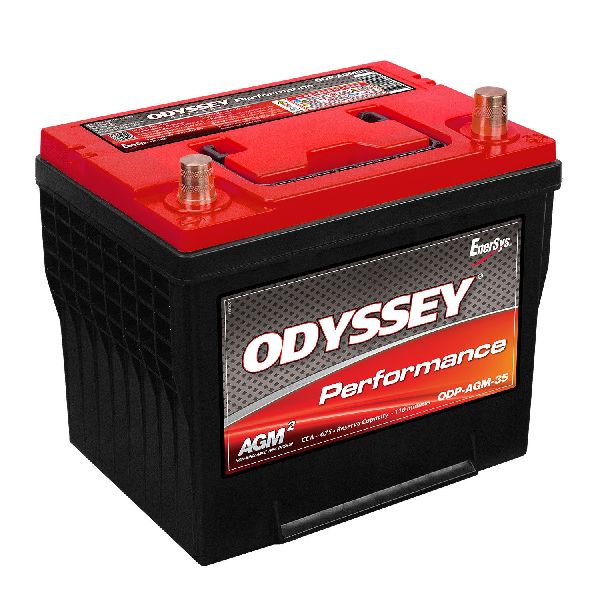
- Vehicle Battery — A weak or failing battery is a very common cause of network communication codes on modern, electronically-dense vehicles.
Trusted brands: Bosch, Interstate, DieHard
OEM price range: $250-$400
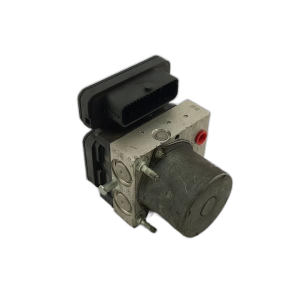
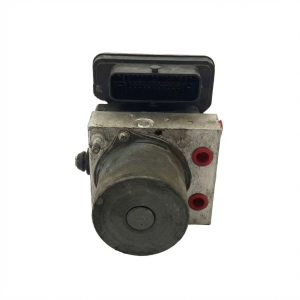
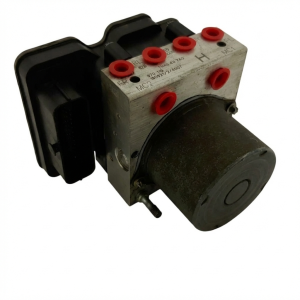
Aftermarket price range: $150-$350 - ABS Control Module — The ABS module is a central node on the CAN bus. If it fails internally, it can short out the entire network, causing a U0073 code.
Trusted brands: Bosch, Mazda OE
OEM price range: $800-$1500
Aftermarket price range: $500-$1000
Related Codes That Often Appear With This One
- U0100 — Lost Communication With ECM/PCM. This appears when other modules on the network can no longer hear from the engine computer due to the bus failure.
- U0101 — Lost Communication With TCM. This appears when other modules on the network can no longer hear from the transmission computer.
- U0121 — Lost Communication With ABS Control Module. This appears when other modules can no longer hear from the anti-lock brake system.
- U0140 — Lost Communication With Body Control Module. This appears when other modules can no longer hear from the BCM.
Technical Service Bulletins (TSBs) & Recalls
- 01-002-23a / 01-013/21: Addresses a known issue of coolant leaks from a cracked cylinder head on 2016-2020 2.5T engines. The fix involves a redesigned cylinder head.
Mechanic-Grade Diagnostic Values
- CAN Bus Network Resistance — expected: Approximately 60 Ω. Failure: 120 Ω indicates an open circuit or a missing terminating resistor. ~0 Ω indicates a short between CAN-H and CAN-L. Readings above 62 Ω can indicate high resistance in a connector.
- CAN High Voltage to Ground — expected: 2.5V to 3.0V DC. Failure: A low voltage of 1.4VDC or less can indicate a fault.
- CAN Low Voltage to Ground — expected: 2.5V to 2.0V DC. Failure: A low voltage of 1.4VDC or less can indicate a fault.
- Resistance to Ground on CAN lines — expected: Mega-ohms or an open circuit.. Failure: Low resistance (e.g., under 10k Ω) indicates a short to ground on the CAN line.
Scan Tool Commands That Help
- Mazda M-MDS/MDARS: Front Body Control Module (FBCM) Configuration (Read/Write) — This function is mandatory when replacing the F-BCM. It reads the vehicle's specific configuration from the old module and writes it to the new one. If the old module is unreadable, 'As-Built' data must be used. Failure to perform this will result in a non-functional system.
- FORScan: Network Test — This function pings all expected modules on the network and reports which ones are not responding. It is a critical first step to see the scope of the communication failure and identify which modules are offline, helping to narrow down the search for the fault.
Wiring & Ground Locations
- Front Body Control Module (F-BCM) — In the driver's side of the cabin, located behind the kick panel near the interior fuse box, and attached to it.. The F-BCM is a major communications hub. A failure in this module, its connectors, or its power/ground supply can bring down the entire CAN bus, directly causing a U0073 code. It is also susceptible to water damage from windshield leaks.
- Ground Points G-01 / G-02 — Typically located in the engine bay on the chassis frame rail or inner fender, serving as major ground points for the engine harness.. A corroded or loose main ground for the engine or powertrain harness can cause voltage drops or introduce electrical noise that disrupts CAN communication between critical modules like the PCM and TCM, triggering a U0073.
Real Owner Repair Stories
- MHH Auto Forum User (2011 Mazda CX-9 (First Gen, but principle applies)) — U0073 code present, lost communication with TCM, AT light on, car in limp mode.
❌ Tried (didn't work) Using a standard scan tool (Launch) could not communicate with the TCM.
✅ What actually fixed it The user discovered the car would run perfectly ONLY when an ELM327 adapter (used for FORScan) was plugged into the OBD-II port. This indicated a fault in the CAN bus wiring, likely an open circuit or faulty terminating resistor, where the diagnostic tool was unintentionally completing the circuit. The final fix would be to find and repair the open circuit in the CAN wiring between the OBD-II port and the rest of the network.
Model Year Variations Within This Range
- 2021-2023: Starting in model year 2021, the CX-9 received an updated infotainment system with a larger 10.25-inch screen. While the engine and transmission remained the same, this change introduced a newer generation of multimedia module and associated software. While not a direct cause of U0073, any CAN bus diagnosis involving the infotainment system must account for the different hardware and software in these later years.
Diagnostic Flowchart
Other Known Issues on This Vehicle
Issues unrelated to this code that are worth knowing about as an owner of this generation:
- Cracked Cylinder Head Coolant Leak 🔴 High — Common on 2016-2020 models with the 2.5T engine. A slow coolant leak develops from a crack near the exhaust manifold, often noticed by a sweet smell or low coolant level. (Ref: TSB 01-002-23a (supersedes 01-013/21))
- Infotainment 'Ghost Touch' / Delamination 🟠 Medium — Very common on 2016-2020 models. The touchscreen digitizer fails, causing random, phantom inputs. The issue is hardware-related (digitizer failure), not software. (Ref: Mazda had warranty extension programs for similar issues on other models.)
- Carbon Buildup on Intake Valves 🟡 Low — Inherent to all Skyactiv-G direct injection engines. Over time (typically 60k-100k miles), carbon deposits can build up on intake valves, potentially causing misfires on cold starts or rough idling.
Used vs. New Parts: Buying Guide for This Vehicle
When a used part is the smart pick: Used parts are generally not recommended for fixing a U0073 code on this vehicle, with the exception of simple wiring harnesses or connectors if a specific break is identified. Most causes relate to the battery (always buy new) or control modules (require programming).
Donor-vehicle mileage cap: roughly under 80000 miles for the part to have meaningful remaining life.
What to inspect on the donor part:
- For a wiring harness, ensure there are no cuts, abrasions, or signs of rodent damage.
- Check connectors for corrosion, bent pins, or cracked plastic housings.
- Verify the part number on a used module EXACTLY matches the original, including any suffix letters.
OEM-only on this vehicle (don't cheap out):
- Body Control Module (BCM)
- Powertrain Control Module (PCM)
- ABS Control Module
Aftermarket brands forum-validated for this vehicle:
- Bosch (for ABS modules, as they are often the OEM supplier)
Brands owners have reported issues with on this vehicle:
- Unbranded, no-name control modules from online marketplaces. These often have quality issues and cannot be programmed correctly to the vehicle.
Real Owner Stories
Aggregated from forums and TSBs cited above. Mileages and costs reflect what owners reported in those sources.
2011 Mazda CX-9
Symptoms: Intermittent limp mode, 'Christmas tree' dashboard lights, and instrument cluster gauges dropping to zero while driving. The owner noted a past water leak from clogged sunroof drains that had soaked the vehicle's carpet.
What fixed it: The issue was linked to a water-damaged module caused by the previous sunroof drain leak.
Source hint: Reddit r/MazdaCX9 - '2011 CX-9 having intermittent issue and U0073, U0100, U0101 codes'
2007-2015 Mazda CX-9
Symptoms: The U0073 code appeared immediately after the vehicle was plugged into a self-service OBD-II emissions kiosk for a state-required check.
What fixed it: The code was cleared after a single key cycle, as the external diagnostic tool had only temporarily disrupted the CAN bus.
Source hint: Mazdas247 - '2007~2015 CX-9 Code U0073 after State required emissions check'
Related OBD-II Codes
Frequently Asked Questions
Can a weak battery really cause a U0073 communication error on my 2016-2023 Mazda CX-9?
Does TSB 01-002-23a relate to the U0073 code on my CX-9?
Why did my CX-9 gauges drop to zero and the dashboard light up like a Christmas tree?
Could a previous water leak be causing my intermittent U0073 code?
Is it safe to use a used Body Control Module (BCM) to fix this code?
Can an emissions testing kiosk trigger a U0073 on my Mazda?
Helpful Videos
Used OEM Parts in Stock
New Aftermarket Parts Available


The information in this article is provided for general reference and educational purposes only. Vehicle specifications, procedures, and part compatibility can vary by production date, trim level, and region. Always consult your vehicle's factory service manual and verify part numbers before purchasing or performing repairs. Safety-critical components such as airbags, seat belts, and braking systems should be installed by a qualified professional.
- Mazda CX-9:
- 🧭 Diagnostic Flowchart
- 🎬 Helpful Videos
- 🛍️ Shop This Part
- What's Unique About the 2016-2023 Mazda CX-9
- Symptoms You May Notice
- Most Likely Causes
- Rare But Worth Checking
- Diagnosis Steps
- Parts You'll Likely Need
- Related Codes That Often Appear With This One
- Technical Service Bulletins (TSBs) & Recalls
- Mechanic-Grade Diagnostic Values
- Scan Tool Commands That Help
- Wiring & Ground Locations
- Real Owner Repair Stories
- Model Year Variations Within This Range
- Other Known Issues on This Vehicle
- Used vs. New Parts: Buying Guide for This Vehicle
- Real Owner Stories
- 2011 Mazda CX-9
- 2007-2015 Mazda CX-9
- Related OBD-II Codes
- Frequently Asked Questions
- 🎟️ Get 5% Off