

U0073 on 2021-2023 Nissan Rogue: Control Module Communication Bus 'A' Off Causes and Fixes
U0073 on a 2021-2023 Nissan Rogue means there's a major communication failure between the vehicle's computers. The most likely causes are a weak battery, poor ground connections, or a faulty control module. Start by testing the battery and cleaning all major ground points before attempting more complex diagnostics, as low voltage is a very common trigger for this code on electronically-sensitive modern cars.
- U0073 is a serious network failure code. Do not continue to drive the vehicle.
- Always start diagnosis with the simplest things: test the battery and inspect all major ground connections.
- This is not a typical DIY repair. Diagnosing the root cause almost always requires professional-level scan tools and electrical testing.
- Do not replace expensive modules like the ECM without a definitive diagnosis that proves it is the source of the failure.
What's Unique About the 2021-2023 Nissan Rogue
The 2021-2023 Nissan Rogue (T33 generation) has a complex and segmented CAN bus system. Diagnosing a U0073 code can be challenging because many different modules can log a communication fault, making it difficult to pinpoint the original source without advanced diagnostic tools. While no specific TSB directly addresses U0073 for this model, a related service campaign for some 2021 models involves reprogramming the ABS/VDC control unit to address potential software glitches that could affect network stability. Technicians often find that issues in one central module, like the ABS or a forward-facing radar sensor, can bring the entire network down.
Symptoms You May Notice
- Check Engine Light is on
- Multiple warning lights on the dashboard (ABS, VDC, AWD, etc.)
- Vehicle may not start or cranks but fails to start
- Engine may stall unexpectedly
- Loss of power steering assist
- Instrument cluster gauges may stop working or behave erratically
- Transmission may not shift correctly or may enter a limp mode
- Loss of features like power windows, door locks, or radio
- Front collision/driver assist systems disabled warning
- Replacing the Engine Control Module (ECM) first. The ECM is often just reporting the communication problem, it is rarely the cause of a U0073 code.
- Replacing random sensors. A U0073 code is a network-level problem, not a sensor failure.
- Clearing codes without fixing the root cause. If the underlying issue (like a weak battery or bad ground) isn't resolved, the code will return.
Most Likely Causes
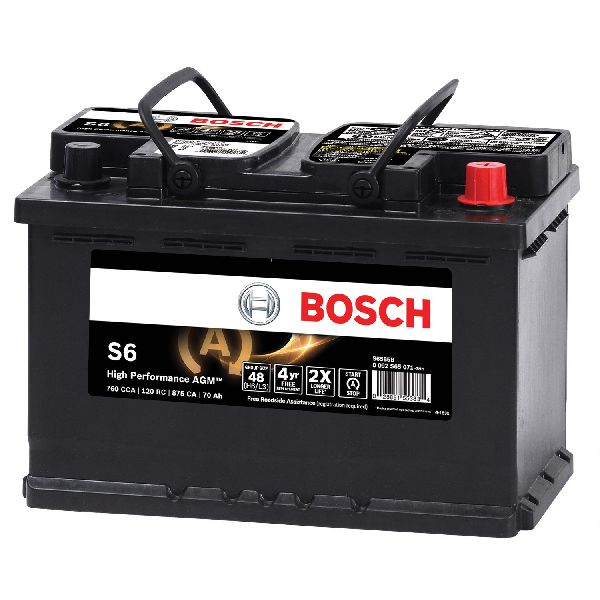
- Weak or Failing Battery 🔴 High Probability → Shop Vehicle Battery Modern vehicles like the Rogue are packed with electronics that are highly sensitive to voltage. A battery that is even slightly weak can cause modules to fail to initialize during startup or drop offline, triggering a cascade of network codes. In low voltage situations (under 12.0V), different modules will stop communicating at different thresholds.
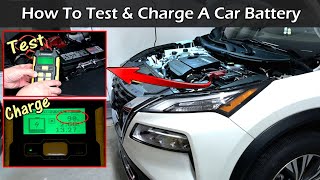
How to confirm: Test the battery with a digital multimeter or an electronic battery tester. 🎬 Watch: How to test and charge your Rogue's battery at home. A healthy, resting battery should be at or above 12.4 volts. Check the voltage while cranking; if it drops below 10 volts, the battery is weak and likely the cause. Many auto parts stores will test your battery and charging system for free.
Typical fix: Recharge or replace the battery. Ensure the new battery meets or exceeds OEM specifications for Cold Cranking Amps (CCA).
Est. part cost: $150-$350 - Corroded or Loose Ground Connections 🟡 Medium Probability Nissan vehicles have historically been susceptible to issues from poor grounds. Key grounding points can corrode over time, creating resistance that disrupts module communication. On the T33 Rogue, important grounds are located near the battery, on the firewall, and on the large steel cross-member behind the dashboard.
How to confirm: Visually inspect the main battery-to-chassis ground strap, engine-to-chassis ground straps, and any smaller ground points near the fuse box and under the dash. Look for rust, looseness, or fraying. A voltage drop test on the ground circuit is the definitive diagnostic method.
Typical fix: Remove, clean, and securely re-attach the ground connections. This involves wire brushing the terminal and the chassis contact point to bare metal. In some cases, the ground strap itself may need to be replaced.
Est. part cost: $5-$50 - Faulty Control Module 🟡 Medium Probability
How to confirm: This requires a professional scan tool that can perform a network 'roll call' or 'CAN Diag Support Monitor' to see which module is not responding. The technician may then try to disconnect the suspect module to see if communication on the network is restored. A burnt electronic smell near a module can also be an indicator of failure.
Typical fix: Replace the failed module (e.g., ABS Control Module, BCM, etc.) and perform the necessary programming and configuration using an OEM-level scan tool like Nissan's CONSULT.
Est. part cost: $400-$1500 - Damaged CAN Bus Wiring ⚪ Low Probability
How to confirm: Visually inspect the wiring harnesses for any signs of physical damage, chafing, or rodent activity, especially near the firewall, under the carpets, and around the fuse boxes. A technician will use a multimeter to check for continuity and shorts on the CAN High and CAN Low wires.
Typical fix: Repair the damaged section of the wiring harness. This requires carefully splicing, soldering, and heat-shrinking the wires to maintain the integrity of the twisted pair.
Est. part cost: $10-$100 (for repair materials)
Rare But Worth Checking
- Faulty Intelligent Power Distribution Module (IPDM): → Shop Fuse Box The IPDM is a smart fuse and relay box that powers many other modules. While more common on older models, its failure can disrupt CAN communication and should be considered if other causes are ruled out.
- Interference from Aftermarket Electronics: A poorly installed remote starter, alarm, dashcam, or even a phone charger can introduce electrical noise onto the CAN bus, causing communication errors. Temporarily disconnecting all aftermarket devices is a valid diagnostic step. A user on a Nissan forum traced issues to a hardwired dashcam with a poor ground connection near the interior fuse box.
- Blown Fuses: A blown fuse for a critical module (like the ECU or ABS) can take that module offline and trigger a U0073 code. High-level fuses like those labeled 'Ignition' or 'Elec B' can power multiple modules at once.
- Water Intrusion in Front Radar Sensor: The front radar sensor, located behind the front emblem, is part of the ADAS system and a node on the CAN bus. Moisture can seep into the sensor, causing corrosion and internal failure. This can cause intermittent 'Front Radar Obstruction' warnings before eventually creating a network-wide U0073 fault.
Diagnosis Steps
- Scan All Modules: Use a professional-grade scan tool to pull codes from ALL vehicle modules, not just the engine computer. Note which modules are reporting 'Lost Communication' codes.
- Check Battery and Charging System: Ensure the battery has a full charge (12.4V+ at rest) and the alternator is charging correctly (13.5-14.5V when running). A weak battery is a primary cause of network codes.
- Inspect Fuses: Check all fuses related to control modules, including those in the engine bay and cabin fuse boxes. Pay special attention to fuses for ECM, BCM, ABS, and any labeled 'Elec B' or 'Ignition'.
- Inspect Grounds: Visually inspect, clean, and tighten the main battery ground, engine grounds, and chassis grounds. Key areas include the firewall, inner fenders, and the main cross-member behind the dashboard.
- Perform a Network 'Roll Call': Use the scan tool to see which modules are actively communicating and which are offline. The Nissan CONSULT tool's 'CAN Diag Support Monitor' is ideal for this.
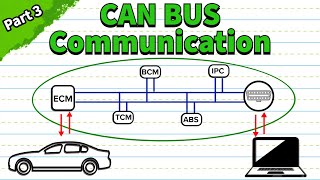
- Check CAN Bus Resistance: With the battery disconnected, measure the resistance between Pin 6 (CAN-H) and Pin 14 (CAN-L) at the OBD-II port. A healthy network should read approximately 60 ohms. 🎬 See this expert guide on CAN bus troubleshooting and resistance testing. A reading of 120 ohms indicates a missing terminating resistor or an open circuit.
- Isolate the Fault: If a specific module is suspected, a technician may disconnect it to see if the rest of the network comes back online. If it does, that module is likely faulty.
- Inspect Wiring: If resistance is incorrect or modules are still offline, begin a visual inspection of the CAN bus wiring harness for damage, corrosion, or water intrusion, paying close attention to known chafe points near the engine and suspension components.
Parts You'll Likely Need
- Vehicle Battery — Low system voltage is a very common cause of communication faults on modern, electronically-dense vehicles.
Trusted brands: Nissan OEM, Interstate, DieHard
OEM price range: $200-$350
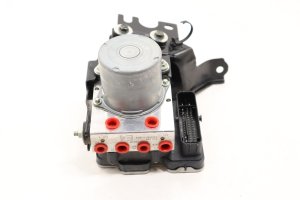
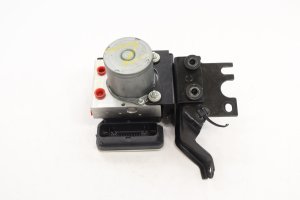
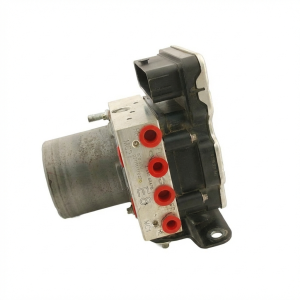
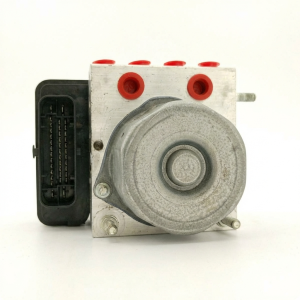
Aftermarket price range: $150-$250 - ABS Control Module — The ABS module is a central node on the CAN bus. A failure here, whether hardware or software, can bring down the entire network. A service campaign for reprogramming this unit exists for the 2021 model year. WARNING: On 2021+ models, this module stores mileage; using a used part can permanently alter your vehicle's odometer.
Trusted brands: Nissan OEM, Bosch
OEM price range: $800-$1200
Aftermarket price range: $500-$900 - Battery Ground Cable — Corrosion or looseness at the main ground connection point is a frequent and often overlooked cause of intermittent network communication problems.
Trusted brands: Nissan OEM
OEM price range: $50-$100
Aftermarket price range: $25-$60
Related Codes That Often Appear With This One
- U0100 — Lost Communication With ECM/PCM 'A'
- U0101 — Lost Communication with TCM
- U0121 — Lost Communication With Anti-Lock Brake System (ABS) Control Module
- U0140 — Lost Communication With Body Control Module
- U1000 — A manufacturer-specific code Nissan uses for CAN Communication Circuit faults, often seen alongside other U-codes.
- C1A17-49 — ICC (Intelligent Cruise Control) sensor malfunction, pointing to a fault with the front radar unit which can bring down the network.
Technical Service Bulletins (TSBs) & Recalls
- NTB21-030: Voluntary service campaign for certain 2021 Rogues to reprogram the ABS/VDC control unit. While not directly for U0073, it addresses software stability in a key network module.
- NTB21-001B: Discusses a TCM communication error (U0101) causing a no-start on other Nissan models, relevant for understanding how module communication failures manifest.
- NTB21-011: Pertains to updating the Telematics Communication Unit (TCU) software to prevent false maintenance alerts, showing the importance of software updates for module communication.
Platform-Specific Known Issues
- ABS/VDC Module Software: Nissan issued a voluntary service campaign (NTB21-030) for the 2021 Rogue to reprogram the ABS/VDC control unit. This suggests that software glitches in this specific module could be a source of network instability, potentially leading to codes like U0073.
- Sensitivity to Low Voltage: Owners on forums frequently report that a slightly weak battery can cause a cascade of warning lights and communication codes on the T33 Rogue. One user on Reddit noted, 'If the battery voltage gets too low it throws loads of codes since every sensor is reading off of the voltage.' This makes battery testing the most critical first step.
Mechanic-Grade Diagnostic Values
- CAN Bus Resistance — expected: ~60 Ω (ohms). Failure: A reading of ~120 Ω indicates an open circuit or missing terminating resistor. A reading significantly less than 60 Ω suggests a short circuit or extra terminating resistor.
- CAN Bus Voltage (Idle/Recessive State) — expected: Both CAN-H and CAN-L should be at ~2.5V.. Failure: Voltages that are stuck high, low, or at battery/ground potential indicate a short in the wiring or a faulty module transceiver.
- CAN Bus Voltage (Active/Dominant State) — expected: CAN-H rises to ~3.5V and CAN-L drops to ~1.5V.. Failure: A lack of this voltage swing on an oscilloscope indicates no data is being transmitted on the bus.
- System Voltage During Module Programming — expected: 12.0V - 15.5V. Failure: Voltage outside this range can cause reprogramming to fail and potentially damage the control module.
Scan Tool Commands That Help
- Nissan CONSULT-III Plus: CAN Diag Support Monitor — This is the primary function to perform a network 'roll call' and automatically identify which specific control modules are not communicating, which is the first step in isolating the source of a U0073 code.
- Nissan CONSULT-III Plus: Work Support > Manual Configuration / Variant Coding — This function is mandatory after replacing a major control module like the ABS unit or BCM. It configures the new module to the vehicle's specific options (e.g., AWD vs FWD). Failure to perform this will leave the system inoperative.
- Nissan CONSULT-III Plus: Work Support > AUTO AIM — This is a required calibration procedure after replacing the front camera unit for the ADAS system to ensure it is aimed correctly.
Wiring & Ground Locations
- Body Control Module (BCM) — Located in the driver's side footwell, behind the lower dashboard trim panel, near the interior fuse box.. The BCM is a central hub for multiple vehicle functions and a primary node on the CAN bus. A failure or connector issue here can cause a network-wide shutdown.
- Front Radar Sensor — Mounted behind the Nissan logo on the front grille or in the lower bumper area.. This ADAS sensor is a node on the CAN bus. It is exposed to the elements, and failure from water intrusion or physical damage can disrupt the entire communication network, triggering U0073.
- OBD-II DLC Connector — Under the driver's side dashboard.. This is the primary access point for diagnostics. Pin 6 (CAN-H) and Pin 14 (CAN-L) are used to measure the resistance and voltage of the entire CAN 'A' bus.
- Potential Harness Chafe Points — Inspect the engine wiring harness where it passes near the corners of the cylinder head, suspension shock towers, and accessory brackets.. Vibrations can cause the harness to rub against sharp metal edges, eventually shorting the CAN wires to ground or each other, which will immediately take the network down.
Real Owner Repair Stories
- Reddit user Draidx in /r/NissanRogue (2019 Nissan Rogue (similar T32 platform)) — Multiple electrical issues, error codes seen in logs but not active, car would 'freak out' intermittently.
❌ Tried (didn't work) Multiple dealer visits where technicians could not duplicate the problem despite seeing historical error codes.
✅ What actually fixed it A bad wiring harness was found to be the cause after a technician finally experienced the fault while driving. The harness was likely chafed or had an internal break. - AliExpress Product Review (2021-2024 Nissan Rogue) — Persistent 'RADAR SENSOR SIGNAL INVALID' code (P1B0D), leading to disabled ADAS features.
❌ Tried (didn't work) Clearing codes without addressing the hardware.
✅ What actually fixed it Replaced the front cruise distance radar sensor. Visual inspection of the old unit confirmed internal moisture and corrosion on the circuit traces. - Reddit user in /r/NissanRogue (2021 Nissan Rogue) — N/A - Owner received a notice in the mail.
✅ What actually fixed it Owner was notified of a voluntary service campaign to bring the vehicle to a dealer to have the ABS/VDC control unit reprogrammed to fix a potential software issue.
Model Year Variations Within This Range
- 2021 only: Some 2021 models were part of a voluntary service campaign to reprogram the ABS/VDC control unit. This suggests early production software may have had stability issues that could contribute to network faults. 2022-2023 models likely have this updated software from the factory.
- 2021-2023: Starting with the 2021 model year, the ABS control module stores the vehicle's mileage. This is a critical change, as installing a used ABS module from a vehicle with higher mileage will permanently and irreversibly write that higher mileage to the instrument cluster.
Diagnostic Flowchart
Other Known Issues on This Vehicle
Issues unrelated to this code that are worth knowing about as an owner of this generation:
- 1.5L VC-Turbo (KR15DDT) Engine Failure 🔴 High — A NHTSA investigation was opened for 2021-2023 models due to reports of engine failure, loss of power, and metal shavings in the oil. This is attributed to main bearing and L-link damage. A recall was later issued for some 2023-2025 models for bearing seizure due to premature oil breakdown. (Ref: NHTSA Campaign, Recall for 2023+ models)
- CVT Transmission Behavior 🟠 Medium → Shop Transmission Assembly — Owners report issues like shuddering, hesitation on acceleration, and lurching. While Nissan has made improvements to its CVTs, reliability concerns persist for some owners.
- Infotainment System Glitches 🟡 Low — Common complaints include the screen freezing, going blank, becoming unresponsive, or randomly restarting, which can disable the backup camera and other functions. (Ref: Software updates may be available from dealers.)
- Forward Collision/Driver Assist System Faults 🟠 Medium — Owners report false warnings or the system disabling itself. This is sometimes caused by a dirty sensor on the front of the vehicle but can also indicate a deeper electrical or sensor issue.
- Engine Oil Dilution 🟠 Medium — The 1.5L VC-Turbo engine can be prone to fuel mixing with the engine oil, causing the oil level to rise and degrading its lubricating properties, which can lead to premature wear.
Used vs. New Parts: Buying Guide for This Vehicle
When a used part is the smart pick: Only for purely mechanical/non-electronic parts related to the fix, such as a battery ground cable or a mounting bracket. Used electronic modules are extremely risky on this platform.
Donor-vehicle mileage cap: roughly under 50000 miles for the part to have meaningful remaining life.
What to inspect on the donor part:
- For wiring harnesses, inspect for any non-factory tape, splices, or repairs.
- Check all connector pins for signs of corrosion (green/white powder), moisture, or being bent.
- Ensure all plastic clips, tabs, and grommets on a harness are intact to prevent future chafe damage.
OEM-only on this vehicle (don't cheap out):
- ABS Control Module: Strongly recommended to use new OEM only. On 2021+ models, this part stores vehicle mileage, and installing a used unit from a higher-mileage donor will permanently increase your car's odometer reading.
- Body Control Module (BCM): Must be new OEM. It is VIN-specific and requires programming with the Nissan CONSULT tool to function.
- Telematics Control Unit (TCU): Must be new OEM. TCUs are registered to a specific VIN and will not function if swapped from another vehicle.
Brands owners have reported issues with on this vehicle:
- Unknown/unverified brands for complex electronic modules like the BCM or ABS controller. The risk of incompatibility and need for dealer programming makes OEM the safest choice.
Real Owner Stories
Aggregated from forums and TSBs cited above. Mileages and costs reflect what owners reported in those sources.
2021 Nissan Rogue
Symptoms: 4 warning lights came on pretty much one after another; every sensor is reading off of the voltage.
What fixed it: Testing and replacing/recharging the battery, as low voltage was causing modules to drop offline.
Source hint: Reddit r/Nissan thread titled '4 warning lights came on pretty much one after another'
2021 Nissan Rogue
Symptoms: Network instability and potential communication codes related to the ABS/VDC system.
What fixed it: Reprogramming the ABS/VDC control unit per the voluntary service campaign.
Source hint: NTB21-030: Voluntary service campaign for certain 2021 Rogues
Related OBD-II Codes
Frequently Asked Questions
My 2021 Nissan Rogue has multiple warning lights on; does TSB NTB21-030 apply to this issue?
Can a weak battery really cause my Rogue to throw a U0073 code and disable my driver assist systems?
Where are the main ground points I should check on my 2021-2023 Rogue to fix communication errors?
Is there a specific tool needed to diagnose which module is causing the U0073 code in my Rogue?
My 2023 Rogue has metal shavings in the oil; is this related to the U0073 communication code?
Does the Mitsubishi Outlander share this same communication network issue?
Helpful Videos
Used OEM Parts in Stock
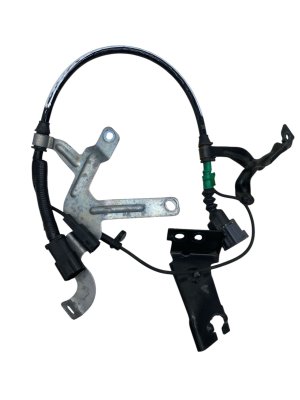
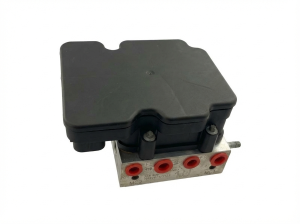
New Aftermarket Parts Available
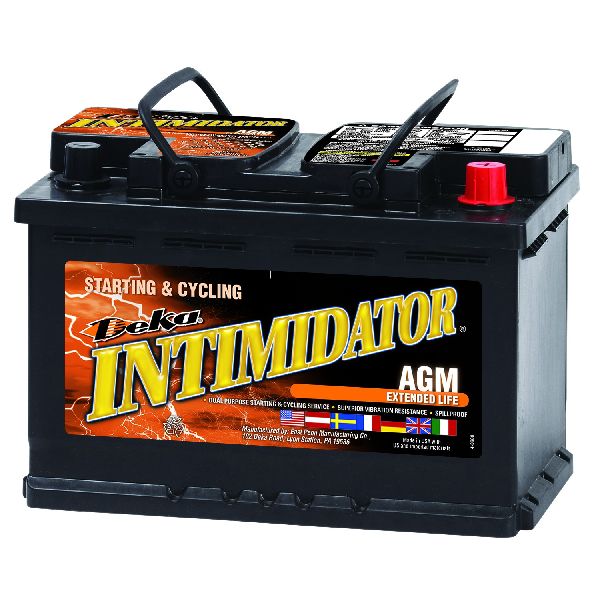

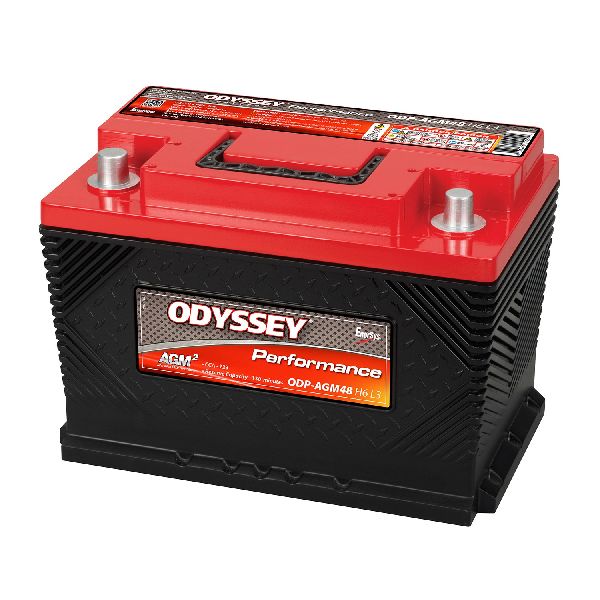

The information in this article is provided for general reference and educational purposes only. Vehicle specifications, procedures, and part compatibility can vary by production date, trim level, and region. Always consult your vehicle's factory service manual and verify part numbers before purchasing or performing repairs. Safety-critical components such as airbags, seat belts, and braking systems should be installed by a qualified professional.
- Nissan Rogue:
- 🧭 Diagnostic Flowchart
- 🎬 Helpful Videos
- 🛍️ Shop This Part
- What's Unique About the 2021-2023 Nissan Rogue
- Symptoms You May Notice
- Most Likely Causes
- Rare But Worth Checking
- Diagnosis Steps
- Parts You'll Likely Need
- Related Codes That Often Appear With This One
- Technical Service Bulletins (TSBs) & Recalls
- Platform-Specific Known Issues
- Mechanic-Grade Diagnostic Values
- Scan Tool Commands That Help
- Wiring & Ground Locations
- Real Owner Repair Stories
- Model Year Variations Within This Range
- Other Known Issues on This Vehicle
- Used vs. New Parts: Buying Guide for This Vehicle
- Real Owner Stories
- 2021 Nissan Rogue
- 2021 Nissan Rogue
- Related OBD-II Codes
- Frequently Asked Questions
- 🎟️ Get 5% Off