

U0100 on 2005-2009 Chevrolet Equinox: Lost Communication with ECM Causes and Fixes
On a 2005-2009 Equinox, code U0100 usually points to an electrical problem, not a failed Engine Control Module (ECM). The most likely causes are a weak battery, corroded ground wires, a corroded under-hood fuse block, or a damaged wiring harness. A bad ECM is possible but rare.
- Do not immediately assume the ECM is bad. U0100 is most often caused by a simple electrical problem.
- Start your diagnosis by testing the battery and cleaning all main power and ground connections.
- Carefully inspect the engine wiring harness for any signs of chafing or damage, as this is a common failure point on GM vehicles of this era.
- This code indicates a serious problem that can make the vehicle unsafe to drive. Address it immediately.
- Due to the complexity of network diagnostics, professional help is recommended if the basic checks do not solve the issue.
What's Unique About the 2005-2009 Chevrolet Equinox
For the first-generation Equinox and its Pontiac Torrent sibling, U0100 is frequently an electrical issue rather than a computer failure. A key vulnerability for this specific platform is the Underhood Fuse Block (UBEC), which is prone to internal corrosion causing intermittent power to the ECM. These vehicles are also of an age where battery and grounding issues are common. Unlike later models which have specific, well-documented TSBs for chafed harnesses, the primary culprits on the 2005-2009 models are more general: poor battery connections, corroded main engine or body grounds, and potential corrosion within the fuse block or its wiring. Manufacturer records like Bulletin #PIT5427B also suggest that network codes like U0100 can be accompanied by a wide array of chassis and communication codes (such as C0800 or U0121) when connector integrity is compromised.
Symptoms You May Notice
- Check Engine Light is on.
- Vehicle will not start or has a crank-no-start condition.
- Intermittent stalling while driving.
- Transmission may shift harshly or not at all.
- Loss of power steering assist.
- Multiple warning lights on the instrument cluster (ABS, StabiliTrak, etc.).
- Instrument cluster gauges may drop to zero or behave erratically.
- Security light may be illuminated.
- Replacing the ECM first. The root cause is almost always a simpler and cheaper issue like a bad battery, poor ground connection, corroded fuse block, or damaged wire. Always diagnose the basics first.
Most Likely Causes
- Weak or Failing Battery 🔴 High Probability → Shop Vehicle Battery As vehicles age, batteries lose their ability to hold a full charge. Low system voltage is a very common cause of communication errors across all modern vehicles, and is often the first thing to check. NHTSA ODI #10733263 highlights a case where an owner replaced the battery twice while dealing with recurring codes including U0100, P0700, and U0073.
How to confirm: Test the battery with a multimeter. A healthy, fully charged battery should read at least 12.6 volts with the engine off. A reading of 12.2V under no load, as reported by one owner, is indicative of a discharged or weak battery. Many auto parts stores will test your battery for free.
Typical fix: Recharge or replace the battery.
Est. part cost: $150-$250 - Corroded or Loose Battery Terminals/Grounds 🔴 High Probability → Shop Vehicle Battery Corrosion builds up over time, especially in regions with high humidity or road salt. The main engine and chassis ground straps are exposed to the elements and are common failure points. A poor ground can prevent modules from operating correctly.
How to confirm: Visually inspect the battery terminals for white or greenish corrosion. Follow the negative battery cable to the chassis and engine block, inspecting for tightness and corrosion. Key ground locations to check are from the battery to the passenger side cylinder head and from the body to the driver's side cylinder head. A voltage drop test across the ground connections can confirm a bad connection.
Typical fix: Clean the battery terminals and all ground connection points with a wire brush. Replace corroded cable ends or entire ground straps if necessary.
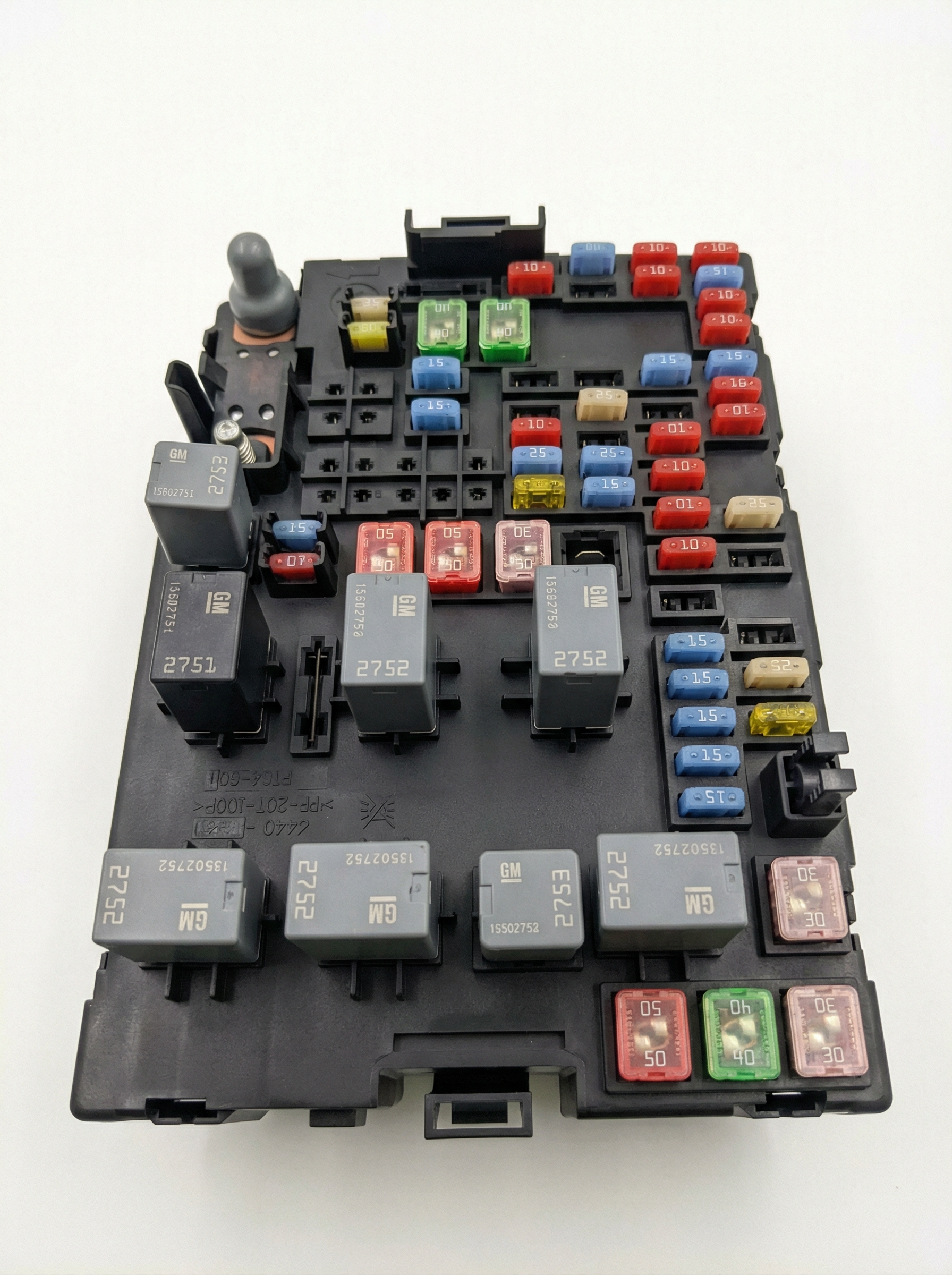
Est. part cost: $5-$50 - Corroded Underhood Fuse Block (UBEC) 🟡 Medium Probability → Shop Fuse Box The underhood fuse block on this platform is not perfectly sealed. Over many years, moisture can get inside and cause corrosion on the internal circuit board traces and terminal connections, leading to intermittent power loss for the ECM and other modules.
How to confirm: After checking fuses, a technician may need to disconnect the battery and carefully disassemble the fuse block. Look for green or white corrosion on the multi-layered internal connectors and circuit paths. This is a known, but difficult to diagnose, failure point.
Typical fix: In some cases, the fuse block can be disassembled and cleaned with electrical contact cleaner. However, if the corrosion is severe and has eaten through the metal traces, the entire fuse block assembly must be replaced.
Est. part cost: $150-$400 - Damaged Wiring Harness 🟡 Medium Probability Engine movement and vibrations can cause wiring to rub against sharp edges. GM TSB 08-07-30-021H, while for trucks, highlights common chafe points near the transmission and where harnesses are secured by clips, which is relevant diagnostic advice. Additionally, Bulletin #PIT5427B advises technicians to inspect the X411 connector specifically for damage or corrosion that can trigger U0100 and other communication codes.
How to confirm: Visually inspect the engine wiring harness, particularly where it runs from the engine intake manifold to the transmission bell housing and near any mounting brackets. Look for any signs of chafing, melting, or rodent damage. Pay close attention to the CAN bus wires (typically a twisted pair of wires).
Typical fix: Repair the damaged section of wire. This involves cutting out the bad section, splicing in a new piece of wire with solder and heat shrink, and re-routing or protecting the harness to prevent future damage.
Est. part cost: $10-$100 - Faulty Engine Control Module (ECM) ⚪ Low Probability → Shop Engine Control Module (ECM) While less common, the ECM can fail internally due to age, heat, or moisture intrusion. NHTSA ODI #10676316 describes a vehicle where U0100 was found alongside throttle position and knock control codes, leading to a diagnosis at a service center.
How to confirm: This is a last resort after all wiring, power, and ground issues have been ruled out. A professional will use a scan tool to see if the ECM is online. They may also perform 'pin-out' testing at the ECM connector to verify it's receiving power, ground, and has network activity.
Typical fix: Replace the Engine Control Module. The new module will need to be programmed to the vehicle's VIN.
Est. part cost: $200-$600
Rare But Worth Checking
- Faulty Transmission Control Module (TCM): → Shop Transmission Assembly The TCM is also on the high-speed CAN bus. A failure within the TCM or its wiring/connector can disrupt the entire network. NHTSA ODI #10176882 records a case where U0100 was specifically defined as "Lost Communications with Transmission Control Module (TCM)" alongside a U2105 code for the engine module.
- Aftermarket Device Interference: Improperly installed remote starters, alarms, or audio equipment can interfere with the CAN bus network, causing communication codes.
Diagnosis Steps
- Check the battery. Ensure it is fully charged (12.6V+) and passes a load test. Clean and tighten the terminals.
- Scan for other codes. The presence of other U-series codes in various modules can help pinpoint if the issue is with one module or the entire network.
- Inspect all fuses. Check the fuses in both the under-hood and interior fuse panels, especially those labeled ECM, BCM, TCM, and IGN. Pay close attention to the condition of the fuse terminals in the under-hood block for any signs of corrosion.
- Inspect grounds. Visually inspect and clean the main battery ground, chassis grounds, and engine block ground straps. Ensure they are tight and free of corrosion. A voltage drop test is the most effective way to confirm a good ground.
- Inspect the wiring harness. Carefully examine the engine wiring harness for any signs of physical damage, chafing, or melting, paying close attention to areas where it contacts the engine, transmission, or firewall.
- Check CAN bus resistance. With the battery disconnected, use a multimeter to check the resistance between the two CAN bus terminals (Pin 6 and Pin 14) at the OBD-II port. A healthy network should read approximately 60 ohms.
- Inspect the Underhood Fuse Block (UBEC). If other tests are inconclusive, carefully inspect the UBEC for internal corrosion. This may require professional assistance.
- If all else fails, seek professional help. As noted in NHTSA ODI #11231903, a mechanic may need to check communication specifically between the PCM, TCM, and BCM to verify if any poor connections exist even when no obvious physical faults are found.
Parts You'll Likely Need
- Battery — Low system voltage from a weak battery is a primary cause of communication faults.
Trusted brands: ACDelco, DieHard
OEM price range: $180-$250
Aftermarket price range: $150-$220 - Engine Control Module (ECM)
(OEM #12612290, 12613888 (For 2007 3.4L V6, check VIN for exact match))— This is the part to replace only after all other possibilities (wiring, power, grounds, fuse block) have been exhaustively checked and ruled out.
Trusted brands: ACDelco (OEM), Cardone, Flagship One
OEM price range: $300-$600
Aftermarket price range: $200-$450 - Underhood Fuse Block — Internal corrosion can cause intermittent power loss to critical modules like the ECM, triggering communication faults.
Trusted brands: ACDelco (OEM), Dorman
OEM price range: $250-$400
Aftermarket price range: $150-$300
Related Codes That Often Appear With This One
- U0073 — Stands for 'Control Module Communication Bus A Off'. It indicates a general failure of the high-speed communication network, which is often the underlying cause of the U0100 code.
- U0101 — Stands for 'Lost Communication with TCM'. If the network is down due to a wiring fault or fuse block issue, communication with both the engine and transmission modules is often lost at the same time.
- P0700 — This is a general transmission fault code. It gets stored when the Transmission Control Module (TCM) loses communication with the ECM and requests the Check Engine Light to be turned on.
Technical Service Bulletins (TSBs) & Recalls
- 08-07-30-021H: While not for the Equinox specifically, this GM bulletin addresses U0100 on many trucks and SUVs from the same era. It details diagnosing GMLAN communication loss caused by issues like backed-out terminals in the transmission harness connector and chafed wiring harnesses. Its diagnostic logic is highly relevant for tracing the fault on an Equinox.
- Bulletin #PIT5427B: This manufacturer bulletin addresses cases where U0100 appears alongside multiple "U" and "C" codes. It specifically directs technicians to inspect the X411 connector for damage or corrosion and replace any affected terminals.
Platform-Specific Known Issues
- Underhood Fuse Block (UBEC) Corrosion: → Shop Fuse Box A significant number of U0100 faults on the 2005-2009 Equinox and Pontiac Torrent are traced back to the underhood fuse block. Moisture intrusion over time leads to corrosion on the internal multi-layer connectors and printed circuits. This creates high resistance or open circuits for the power feeds to the ECM and other modules, causing them to drop off the network intermittently. Diagnosis requires disassembly of the fuse block to inspect for the tell-tale green corrosion. While cleaning is sometimes possible, replacement is often necessary for a permanent repair.
Mechanic-Grade Diagnostic Values
- High-Speed GMLAN Bus Resistance — expected: Approximately 60 Ω between Pin 6 (CAN-High) and Pin 14 (CAN-Low) of the DLC with the battery disconnected.. Failure: A reading of 120 Ω indicates an open circuit or a problem with one of the two terminating resistors (one is in the ECM, the other often in the BCM). A reading of 0 Ω indicates the CAN-High and CAN-Low wires are shorted together.
- High-Speed GMLAN Bus Voltage (Key On, Engine Off) — expected: CAN High (Pin 6) should be ~2.66V and CAN Low (Pin 14) should be ~2.34V on average. Both wires toggle relative to a 2.5V bias.. Failure: CAN High shorted to ground will pull both lines low. CAN Low shorted to ground will cause CAN High to stay at 2.5V while CAN Low goes to 0V. A short to 12V on either line will pull the entire bus high.
- ECM Power and Ground Pins — expected: With the key on, verify battery voltage (12.0-14.5V) at the specified power input pins on the ECM connector. Verify ground pins have less than 0.1 Ω of resistance to the negative battery terminal.. Failure: Voltage below 10V during cranking or high resistance on a ground pin indicates a power supply or ground path issue that must be fixed before condemning the ECM.
Scan Tool Commands That Help
- Tech2/GDS2: Module Communication Status — Use this function to poll the high-speed CAN bus and see which modules are actively communicating. If the ECM is not listed or shows 'Not Responding', it confirms the U0100 from the perspective of the scan tool, helping to isolate the problem to the ECM or its direct connections.
- Tech2/GDS2: Security Relearn / VIN Programming — This is required after replacing the ECM. The new or used module must be programmed with the vehicle's VIN and a security relearn procedure must be performed to allow the engine to start.
Wiring & Ground Locations
- G101 — At the left front corner of the vehicle, near the underhood fuse block.. This is a primary ground point for the Engine Control Module (ECM) and Transmission Control Module (TCM). Corrosion or looseness here can directly cause a loss of power or a floating ground for the ECM, triggering U0100.
- G103 — At the left side of the engine compartment, on the cowl, often near the brake booster.. This ground serves the Body Control Module (BCM), Instrument Panel Cluster (IPC), and the Data Link Connector (DLC). A fault here can disrupt communication between the BCM (which acts as a gateway) and the rest of the network.
- G105 — At the lower right rear of the engine.. This serves as another engine block ground. Poor engine-to-chassis grounds can cause modules to seek ground paths through data lines, corrupting communication and causing U-codes.
- Underhood Fuse Block (UBEC) — Left (driver's) side of the engine compartment.. This is a major junction point for power and data lines. The internal multi-layered connectors are a known weak point for corrosion, which can cause intermittent power loss to the ECM, leading directly to U0100.
- ECM Connectors — On the Engine Control Module, typically mounted to the engine or firewall.. The pins for power, ground, and the High-Speed GMLAN bus (Pins 6 & 14 at the DLC) terminate here. Checking for voltage, ground, and resistance at these connector pins is the final step before condemning the ECM.
Real Owner Repair Stories
- Reddit user r/MechanicAdvice (2008 Chevrolet Equinox Sport, ~82,200 miles) — Single click then no-crank, no-start. After replacing a dead battery, the vehicle is completely silent when trying to start. Multiple dash lights on. Only code present is U0100.
❌ Tried (didn't work) Replacing the battery. The old battery tested as dead, but a new battery did not resolve the no-start condition.
✅ What actually fixed it The user's report is a classic example of the initial diagnostic steps. While the final fix is not posted, the symptoms (dead battery followed by U0100 and no-crank) strongly point to a primary electrical failure (bad ground, corroded fuse block, or main power connection) that the new battery could not overcome. The 12.2V reading on the new battery is also low and indicates it was either not fully charged or there is a significant parasitic drain. - Chevrolet Forum user (2008 Equinox Sport) — Vehicle died while driving at 70mph, resulted in a no-crank condition with multiple warning messages on the dash (Service Airbag, Stabilitrak, etc.).
❌ Tried (didn't work) Checking fuses and swapping relays.
✅ What actually fixed it This was a recurring issue for the owner. The first time it happened, the owner was advised by a mechanic to run a supplementary ground wire from the metal body of the ECM to a good chassis ground. This temporarily fixed the problem, strongly indicating the original ECM ground path was compromised. When the issue returned years later, the owner suspected the ECM again, but the underlying cause is almost certainly a poor ground connection.
OEM Part Supersession History
12597121 (Hardware Number)→12612290, 19210738— Standard hardware and software revisions by the manufacturer.
Heads up: For a 2007 3.4L Equinox, part number 12612290 is a common replacement. It's crucial to match the part number or have a supplier program the replacement ECM with the vehicle's VIN to ensure compatibility.
Model Year Variations Within This Range
- 2007: For 2007, the Equinox received a revised suspension, redesigned instrument panel and controls, and StabiliTrak became standard. These changes mean the interior wiring and BCM logic may differ slightly from 2005-2006 models.
- 2008-2009: The 3.6L V6 engine became an option on Sport models. Vehicles with the 3.6L engine will have a different ECM and engine-specific wiring harness compared to the standard 3.4L V6. Diagnostic procedures for the engine itself would differ, but the U0100 network diagnosis remains largely the same.
Diagnostic Flowchart
Used vs. New Parts: Buying Guide for This Vehicle
When a used part is the smart pick: A used Underhood Fuse Block (UBEC) from a dry, southern climate vehicle is a smart, cost-effective choice. It's a common failure point due to corrosion, so a clean, used unit can be a reliable replacement. Used wiring harnesses or connectors can also be sourced for pigtails to repair damaged sections.
Donor-vehicle mileage cap: roughly under 120000 miles for the part to have meaningful remaining life.
What to inspect on the donor part:
- For a UBEC: Disassemble partially at the junkyard. Look for any signs of white or green powder/corrosion on the internal layers. If any is present, reject the part.
- For an ECM: Check the casing for any signs of being opened or water damage. Ensure all connector pins are straight and not corroded.
- Check the donor vehicle's RPO code sticker (in the glove box) to ensure it has similar options, as this can affect BCM/ECM programming.
OEM-only on this vehicle (don't cheap out):
- Engine Control Module (ECM). While remanufactured units from reputable sources are acceptable, avoid untested used ECMs. They require VIN programming with specialized tools to function, and a used module may have the same internal flaws as the one you are replacing.
Aftermarket brands forum-validated for this vehicle:
- ACDelco (OEM for UBEC, ECM)
- Cardone (Remanufactured ECMs)
- Flagship One / FS1 (Pre-programmed ECMs)
Brands owners have reported issues with on this vehicle:
- Unbranded, 'white box' electronic modules from online marketplaces. These often have high failure rates and lack proper programming or warranty support.
Real Owner Stories
Aggregated from forums and TSBs cited above. Mileages and costs reflect what owners reported in those sources.
Chevrolet HHR
Symptoms: After experiencing high interior heat, the vehicle had a no-start condition. After a jump start, it set code U0100 and exhibited hard shifting and a loss of power steering.
What fixed it: The issue was temporarily resolved by disconnecting the battery to reset the modules.
Source hint: Chevy HHR Network: 'U0100 code have to pass this info on'
2005-2009 Chevrolet Equinox
Symptoms: Intermittent U0100 faults where modules would drop off the network, causing various warning lights and potential stalling issues.
What fixed it: Replacement of the underhood fuse block (UBEC) was required due to internal corrosion from moisture intrusion.
Source hint: Vehicle Specific Issue: Underhood Fuse Block (UBEC) Corrosion
NHTSA Reported Incident
Symptoms: An owner reported a theft deterrent fuel enable signal lost (P1626), traction control not allowed (C0276), and lost communications with the TCM (U0100) and ECM (U2105).
What fixed it: These multiple communication failures often stem from a shared power or ground source, such as the underhood fuse block or main battery cables.
Source hint: NHTSA ODI #10176882
Related OBD-II Codes
Frequently Asked Questions
My 2007 Equinox has a U0100 code and the fuse block looks corroded. Is this a common problem?
Should I check the battery first for a U0100 code, even if it seems to work?
I saw GM TSB 08-07-30-021H mentioned. Does that apply to my 2008 Equinox?
Where are the most important ground wires to check for corrosion on my Equinox?
My Equinox won't start and has a U0100 code right after I replaced a dead battery. What's going on?
Besides the Check Engine Light, what other strange symptoms can a U0100 code cause on this vehicle?
Helpful Videos

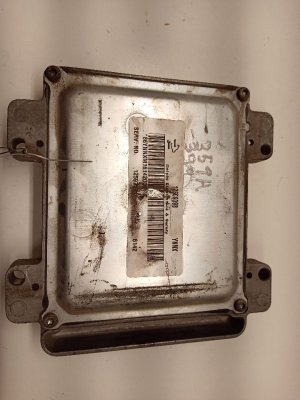
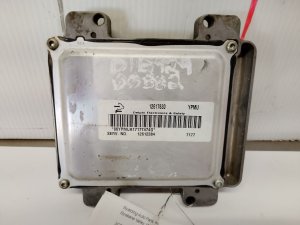
Used OEM Parts in Stock
New Aftermarket Parts Available

The information in this article is provided for general reference and educational purposes only. Vehicle specifications, procedures, and part compatibility can vary by production date, trim level, and region. Always consult your vehicle's factory service manual and verify part numbers before purchasing or performing repairs. Safety-critical components such as airbags, seat belts, and braking systems should be installed by a qualified professional.
- Chevrolet Equinox:
- 🧭 Diagnostic Flowchart
- 🎬 Helpful Videos
- 🛍️ Shop This Part
- What's Unique About the 2005-2009 Chevrolet Equinox
- Symptoms You May Notice
- Most Likely Causes
- Rare But Worth Checking
- Diagnosis Steps
- Parts You'll Likely Need
- Related Codes That Often Appear With This One
- Technical Service Bulletins (TSBs) & Recalls
- Platform-Specific Known Issues
- Mechanic-Grade Diagnostic Values
- Scan Tool Commands That Help
- Wiring & Ground Locations
- Real Owner Repair Stories
- OEM Part Supersession History
- Model Year Variations Within This Range
- Used vs. New Parts: Buying Guide for This Vehicle
- Real Owner Stories
- Chevrolet HHR
- 2005-2009 Chevrolet Equinox
- NHTSA Reported Incident
- Related OBD-II Codes
- Frequently Asked Questions
- 🎟️ Get 5% Off