

U0100 on 2019-2022 Honda Insight: Causes and Fixes for Lost ECM/PCM Communication
On a 2019-2022 Honda Insight, code U0100 is most often caused by a weak 12-volt battery, even if it passes a basic test. Replacing the 12V battery (approx. $200-$350) is the most likely fix. This is a DIY-friendly task with a difficulty of 1/5.
- For a U0100 code on a 2019-2022 Insight, the first and most important step is to check the 12V battery. It is the most likely culprit.
- Consider replacing the 12V battery if it is more than three years old, regardless of test results, as a cost-effective first step.
- Check the vehicle's recall status for BCM software (X95) and DC-DC converter (K9E) issues, as these are known platform weaknesses that can cause this code.
- Do not drive the vehicle. A U0100 code means the engine could shut down at any time, creating a serious safety hazard.
What's Unique About the 2019-2022 Honda Insight
The 3rd generation Honda Insight is highly sensitive to the health of its 12-volt battery. Many owners report that a slightly degraded 12V battery, even one that passes a standard dealer test, can cause a cascade of seemingly unrelated warning lights and communication errors like U0100. Furthermore, this vehicle range was subject to recalls for software issues in the Body Control Module (BCM) that caused communication disruptions (NHTSA 20V771000), and for faulty DC-DC converters that could fail to charge the 12V battery (NHTSA 21V022000), directly leading to the conditions that trigger this code.
Symptoms You May Notice
- Engine will not start or cranks very slowly
- Engine stalls while driving
- Multiple warning lights on the dashboard simultaneously, often described as a 'Christmas tree' effect (e.g., Check Engine, Brake System, ACC, LKAS, Power Steering).
- Loss of power or vehicle entering 'limp mode'
- Transmission not shifting correctly
- Malfunction of various electronic components like windshield wipers, turn signals, or rearview camera, often related to the BCM recall.
- Replacing the PCM when the actual fault was a weak 12V battery. On this specific vehicle, the battery should always be the first suspect for any network communication code.
Most Likely Causes
- Weak or Failing 12-Volt Battery 🔴 High Probability → Shop Vehicle Battery The Insight's complex electronic systems are very sensitive to voltage. Owner forums are filled with examples of a weak 12V battery causing widespread electronic issues, including communication faults, even when the battery seems to test 'good'. A recall on the DC-DC converter, which charges the 12V battery, further highlights the importance of this component.
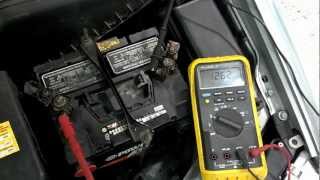
How to confirm: Test the 12V battery with a multimeter. A healthy battery should show ~12.6V with the car off. More importantly, test it under load. 🎬 See how to perform a battery load test with a multimeter. A drop below 12.0V with accessories on (accessory mode) indicates a weak battery. Given the low cost and high probability, if the battery is over 3 years old, replacing it is a wise first step. Do not trust a basic 'pass' from a parts store tester if symptoms persist.
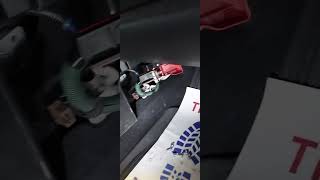
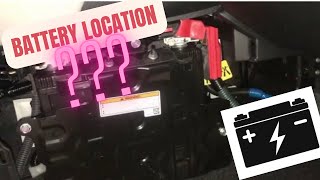
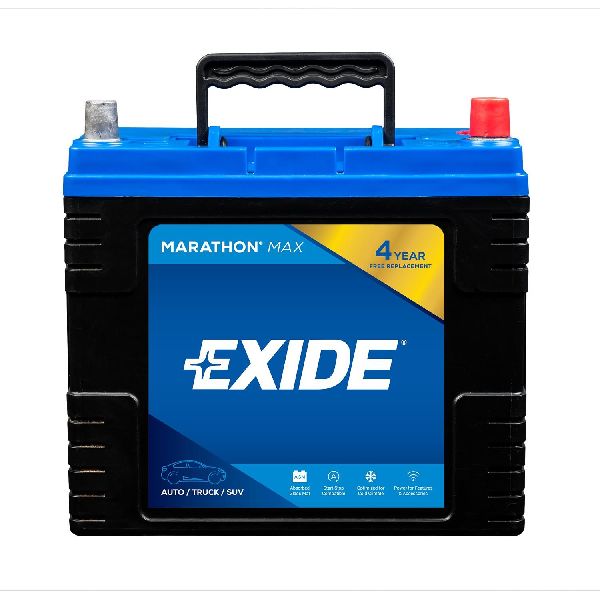
Typical fix: Replace the 12-volt AGM battery. The 2019-2022 Honda Insight requires a Group Size 51R AGM battery. 🎬 Watch: How to locate and replace your Insight's 12V battery. Do not substitute with a standard flooded battery.
Est. part cost: $200 - $350 - Body Control Module (BCM) Software Glitch 🟡 Medium Probability → Shop Body Control Module Honda issued recall X95 (NHTSA 20V771000) for 2019-2020 models due to a BCM software error that caused intermittent communication disruptions between modules. A malfunctioning BCM can flood the CAN bus with errors, preventing the PCM from communicating.
How to confirm: Check your vehicle's VIN on the NHTSA or Honda owner's website to see if recall X95 is open for your car. A Honda dealer can also check the BCM software version and determine if the update has been applied.
Typical fix: The dealer will update the BCM software free of charge under the recall.
Est. part cost: $0 if recall applies, $500 - $800 for a new BCM - CAN Bus Wiring or Connector Issue ⚪ Low Probability Rodent damage to engine bay wiring harnesses is a known issue on modern Hondas.
How to confirm: Visually inspect wiring harnesses connected to the PCM and BCM for any signs of damage, corrosion, or looseness. A technician can perform a CAN bus resistance test at the OBD-II port; a healthy network should read approximately 60 ohms with the battery disconnected.
Typical fix: Repair the damaged section of the wiring harness or clean/re-seat the corroded connector.
Est. part cost: $10 - $300 depending on the extent of the damage - Failed Powertrain Control Module (PCM) ⚪ Low Probability → Shop Engine Control Module (ECM)
How to confirm: This is a diagnosis of exclusion. If the battery, all related fuses, grounds, and CAN bus wiring have been confirmed to be good, the PCM itself is the likely culprit. This requires advanced diagnostics by a professional.
Typical fix: Replace the PCM. The new module must be programmed to the vehicle's VIN and specific options.
Est. part cost: $800 - $1200
Rare But Worth Checking
- Faulty Engine Start/Stop Switch:
Diagnosis Steps
- Check the 12V Battery: Do not skip this step. Test the battery's voltage at rest (~12.6V) and under load (e.g., accessory mode with lights and fan on). Due to the Insight's sensitivity, replace any battery older than three years as a primary diagnostic step, even if it passes a basic test. A voltage drop to 11.8V or lower under load is a strong indicator of a weak battery.
- Check for Recalls: Enter your VIN on the Honda or NHTSA website to verify that recalls X95 (BCM Software) and K9E (DC-DC Converter) have been completed.
- Scan for Other Codes: Use an advanced OBD-II scanner to check for codes in all modules. Codes like U128D or U1281 strongly point to the BCM software issue.
- Inspect Fuses and Grounds: Check all fuses related to the PCM, ECM, and BCM in the under-hood and interior fuse panels. Inspect the main battery ground strap and chassis ground points for tightness and corrosion.
- Inspect Wiring: Perform a visual inspection of the wiring harnesses connected to the PCM (located in the engine bay) and BCM. Look for any signs of rodent damage, chafing, or corrosion on the connector pins.
- Test CAN Bus Resistance: With the 12V battery disconnected, use a multimeter to measure the resistance between Pin 6 (CAN-H) and Pin 14 (CAN-L) on the OBD-II port. A reading of approximately 60 ohms indicates the main network wiring and terminating resistors are likely intact.
- Professional Diagnosis: If the steps above do not identify the issue, the problem is likely a complex wiring fault or a failed PCM, which requires professional diagnosis with an oscilloscope and dealer-level scan tools.
Parts You'll Likely Need
- 12-Volt AGM Battery
(OEM #31500-TXM-100M (replaces 31500-TXM-A01))— This is the most frequent cause of communication codes and widespread electrical issues on the 2019-2022 Insight.
Trusted brands: Honda OEM (Yuasa), DieHard 51R-AGM, Duralast Platinum AGM 51R-AGM
OEM price range: $300 - $400
Aftermarket price range: $200 - $350
Related Codes That Often Appear With This One
- U0029 — This code indicates a general CAN bus performance issue, which often accompanies a specific module communication loss like U0100.
- U0122 — Lost Communication with Vehicle Dynamics Control Module. When the PCM goes offline, communication with other critical modules like the VDC (ABS, traction control) is also lost.
- U128D, U1291, U1281, U1280 — These codes are specifically mentioned in Honda's service bulletin for the BCM software glitch, indicating a loss of B-CAN communication.
Technical Service Bulletins (TSBs) & Recalls
- Honda Recall X95 / NHTSA 20V771000: BCM Software Communication Error.
- Honda Service Bulletin 20-039: Details the BCM software update for recall X95, noting it fixes B-CAN communication loss and associated DTCs U128D, U1291, etc.
- Honda Recall K9E / NHTSA 20V798000: DC-DC Converter May Shut Down.
Platform-Specific Known Issues
- Recall X95 (NHTSA ID 20V771000): A software error in the Body Control Module (BCM) can cause communication disruptions with other modules on 2019-2020 models, leading to multiple warning lights and system malfunctions (wipers, lights, etc.). The fix is a free software update from the dealer.
- Recall K9E (NHTSA ID 20V798000): On 2020-2021 models, the DC-DC converter may shut down, preventing the 12V battery from recharging, which can lead to a dead battery and communication codes. This was caused by a manufacturing issue with transistors in the Power Control Unit (PCU). The fix is a PCU software update.
- High Sensitivity to 12V Battery Health: Owners frequently report that a slightly weak 12V battery is the root cause of multiple simultaneous system warnings, even if the battery passes a standard load test. A voltage drop under accessory load is a key indicator.
Mechanic-Grade Diagnostic Values
- CAN Bus Voltage (Key ON, Engine OFF) — expected: CAN-H (Pin 6): ~2.6V to 3.5V; CAN-L (Pin 14): ~1.5V to 2.4V.. Failure: Voltages outside these ranges, or a voltage on one line that mirrors the other, indicates a short or open in the CAN harness.
- PCM Power Supply and Ground at PCM Connector — expected: Constant battery voltage (12.0-12.6V) at the specified power supply pin (e.g., Pin A3 on some models) and less than 0.2 Ω resistance to ground on the ground pin (e.g., Pin A33).. Failure: No voltage at the power pin points to a blown fuse or a faulty PGM-FI main relay. High resistance on the ground pin indicates a corroded or loose ground connection.
- F-CAN line check (Key OFF) — expected: Less than 1.0V on both CAN-H and CAN-L lines.. Failure: Voltage present on the CAN lines with the key off can indicate a module that is not 'sleeping' correctly and may be causing a parasitic drain or network noise.
Hidden / Shadow Codes Worth Checking
- DTC Snapshot Data: Honda's i-HDS software doesn't use 'shadow codes' in the same way as some other manufacturers. Instead, it provides a 'DTC Snapshot' or 'Freeze Frame' data with any stored code. This snapshot is critical as it shows the state of all major system parameters at the exact moment the U0100 code was set, which can point to the root cause (e.g., showing a system voltage of 10.5V when the fault occurred). (see via Honda i-HDS or an advanced professional scan tool with Honda-specific software.)
Scan Tool Commands That Help
- Honda i-HDS (or HDS): All DTC Check — This is the first step to see which other modules are reporting a communication loss. The i-HDS software displays results quickly and groups systems with DTCs at the top, providing an immediate overview of the network's health.
- Honda i-HDS (or HDS): F-CAN Bus Connected Unit Check — Found under the CAN gateway functions, this command actively polls all modules on the high-speed powertrain network (F-CAN). It will return a list of 'OK' or 'NG' (No Good) modules, instantly telling a technician if the PCM is the only module offline or if multiple modules are affected.
- Honda i-HDS (or HDS): Replace ECM/PCM — This function is required after physically installing a new PCM. It registers the new module with the vehicle's immobilizer system and other control units. Without this step, the vehicle will not start.
- Honda i-HDS (or HDS): BCM Re-program — Used to perform software updates, such as the one for recall X95. It is also required if the BCM is replaced, to program the new module to the car's specific configuration and keys.
Wiring & Ground Locations
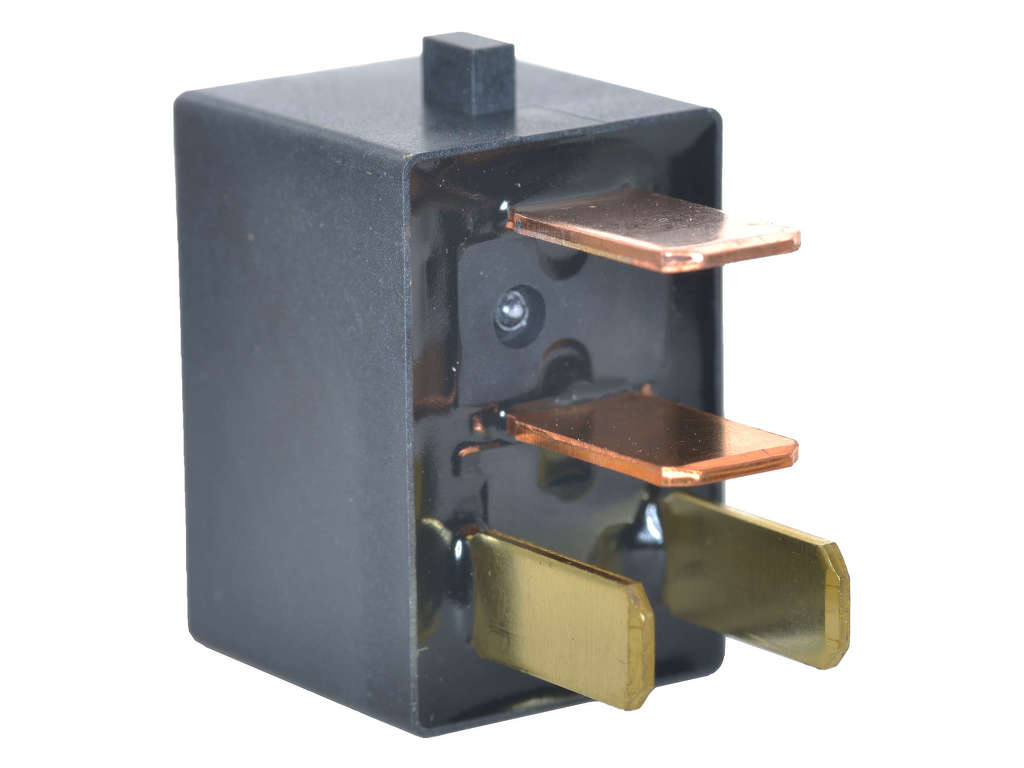
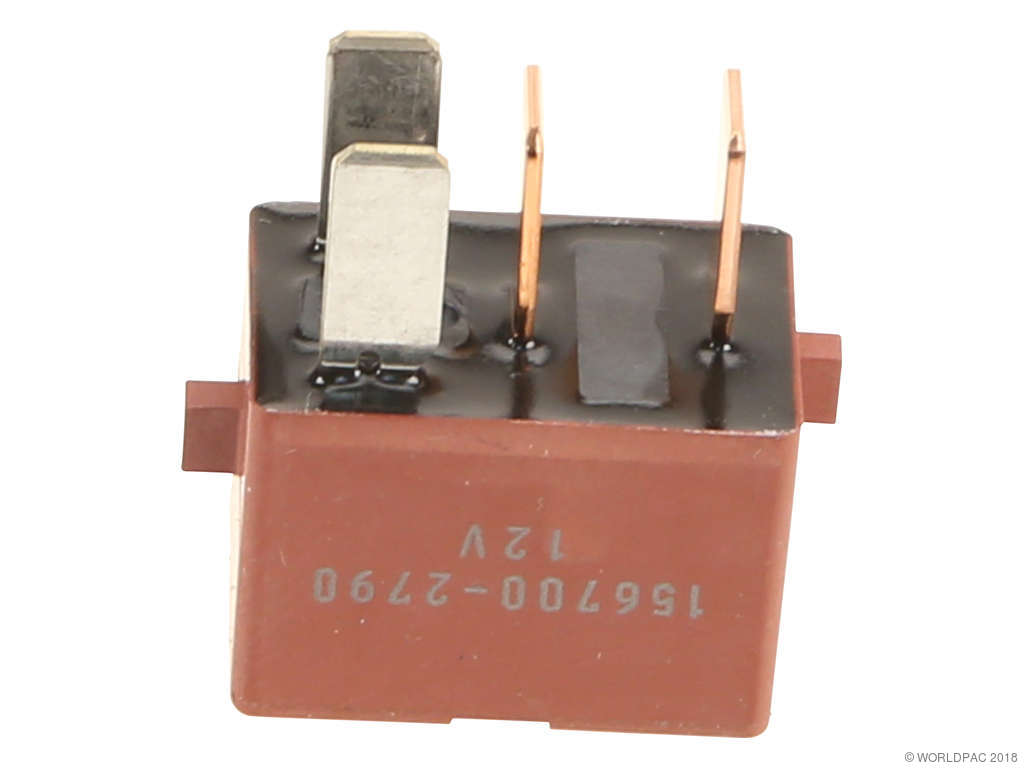
- PGM-FI Main Relay — Typically located in the under-hood fuse and relay box. On some newer Hondas, the functions are split between a relay in the under-hood box and a fuel pump relay under the dash.. The PGM-FI main relay supplies the primary power to the PCM. If this relay fails or has burnt contacts, the PCM will lose power and be unable to communicate, directly causing a U0100 code and a no-start condition.
- Ground G503 — Located behind the driver's side kick panel, near the interior fuse box.. This is a major ground point for several interior electronics, including the Body Control Module (BCM). A loose or corroded G503 can cause intermittent BCM malfunctions and B-CAN network errors, which can disrupt the gateway function and prevent communication with the PCM.
- Gateway Module (Gauge Control Module) — The instrument cluster itself serves as the gateway module in this vehicle.. The gateway is the translator between the high-speed F-CAN bus (for the PCM) and the low-speed B-CAN bus (for body electronics). If the instrument cluster/gateway fails, the BCM and other body modules cannot see the PCM, which can log a U0100 code even if the PCM itself is functioning perfectly.
Real Owner Repair Stories
- Forum Reports (2019 Honda Insight) — Multiple warning lights ('Christmas tree' dash), U0100 and other communication codes.
❌ Tried (didn't work) Replacing the 12V battery., Having the dealer perform the BCM software update recall.
✅ What actually fixed it A technician found a loose primary ground connection during a diagnostic inspection. Cleaning and tightening the ground bolt resolved all symptoms and cleared the codes. The repair was billed as one hour of diagnostic labor. - Forum Reports (2020 Honda Insight) — Intermittent no-start, multiple warning lights, U0100 stored.
❌ Tried (didn't work) Testing the 12V battery (it tested good)., Clearing codes (they returned).
✅ What actually fixed it A visual inspection of the engine bay revealed a wiring harness near the firewall had been chewed by rodents. Repairing the damaged CAN bus wires in the harness restored communication and fixed the issue. - Forum Reports (2019 Honda Insight EX) — All warning lights came on, car went into limp mode. U0100 and a cascade of other 'U' codes were present.
❌ Tried (didn't work) Taking it to the dealer for the BCM software recall (X95). The issue persisted after the update.
✅ What actually fixed it Despite the original 12V battery testing 'good' at a parts store, the owner replaced it with a new Group 51R AGM battery as a last resort. This immediately solved the problem, and the codes did not return. This highlights the vehicle's extreme sensitivity to battery health. - NHTSA ODI #11496856 — An owner reported a series of permanent communication codes including U0100, U0029-00, U1204, U12A5, and U0111 affecting the electric powertrain traction motor control module and electric power steering.
When the Usual Fixes Don't Work
- In several owner-reported cases, the official Honda recall fix for the BCM software (X95) did not resolve the 'Christmas tree' dashboard lights and U0100 code. The problem was only resolved after the owner independently decided to replace the 12-volt battery, even when dealer and parts store tests showed the battery as 'good'. This strongly suggests that for the 2019-2022 Insight, a weak-but-not-dead battery is a more common cause than the software glitch addressed by the recall.
OEM Part Supersession History
Varies by VIN→Varies by VIN— PCM and BCM are VIN-locked and programmed with vehicle-specific data, including immobilizer keys and trim level options.
Heads up: A used PCM or BCM from a donor vehicle cannot be installed without reprogramming by a dealer or a specialized service using tools like Honda i-HDS. The immobilizer will prevent the car from starting. Swapping internal EEPROM chips is a highly advanced procedure not feasible for most shops.
Model Year Variations Within This Range
- 2019-2020: These model years are subject to recall X95 (NHTSA 20V771000) for a BCM software glitch causing communication errors. This should be a primary check for these years.
- 2020-2021: These model years are subject to recall K9E (NHTSA 20V798000) for a DC-DC converter issue that can fail to charge the 12V battery. This makes a dead battery a more probable cause for these specific years.
- 2022: The base LX trim was discontinued. More importantly, 2022 models are not covered by the major BCM or DC-DC converter recalls, meaning a diagnosis for U0100 on a '22 model should focus more heavily on the 12V battery condition, wiring, or grounds as the primary suspects.
Diagnostic Flowchart
Other Known Issues on This Vehicle
Issues unrelated to this code that are worth knowing about as an owner of this generation:
- A/C Condenser Leak 🟠 Medium — Common enough that Honda extended the warranty on the A/C condenser to 10 years for many vehicles, including those with similar parts. Owners report failures causing loss of cooling. (Ref: Warranty Extension (not a formal recall))
- Hood Flutter/Rattle at Highway Speeds 🟡 Low — A widely reported issue on owner forums where the hood appears to shake or vibrate, especially at highway speeds. It is generally considered an annoyance rather than a safety risk.
- Infotainment System Reboots / Glitches 🟡 Low — Some owners report the head unit randomly rebooting, or issues with Android Auto/Apple CarPlay connectivity.
- Denso Fuel Pump Failure 🔴 High — Part of a massive Honda recall. The fuel pump impeller can deform, leading to a loss of fuel pressure and potential engine stall. (Ref: NHTSA 24-024)
- Poor Exterior Panel Gaps 🟡 Low — Owners frequently complain about inconsistent or large panel gaps from the factory, particularly around the trunk lid. This is a cosmetic issue.
Used vs. New Parts: Buying Guide for This Vehicle
When a used part is the smart pick: For this specific repair, used parts are generally not recommended for the primary electronic modules. However, simple mechanical or electrical components like the PGM-FI main relay or a start/stop switch assembly can be sourced from a reputable used parts dealer with a good return policy.
Donor-vehicle mileage cap: roughly under 50000 miles for the part to have meaningful remaining life.
What to inspect on the donor part:
- For any used electrical part, inspect connectors for signs of corrosion, melting, or bent pins.
- Check the part for water damage indicators or rust.
- Ensure the donor vehicle was not in a flood or fire.
OEM-only on this vehicle (don't cheap out):
- Powertrain Control Module (PCM)
- Body Control Module (BCM)
Aftermarket brands forum-validated for this vehicle:
- Batteries: DieHard (AGM), Duralast Platinum (AGM), Optima (YellowTop, if an exact fit is available)
Brands owners have reported issues with on this vehicle:
- Avoid off-brand, cheap USB chargers and remote start systems, as they are documented sources of CAN bus interference.
Real Owner Stories
Aggregated from forums and TSBs cited above. Mileages and costs reflect what owners reported in those sources.
2020 Honda Insight
Symptoms: Multiple system warnings appeared (Brake, ACC, LKAS). The battery showed 12.7V at rest but dropped to 11.8V under load. A dealer claimed the battery was fine.
What fixed it: Replacing the 5-year-old 12V battery resolved the issue.
Source hint: Reddit r/hondainsight: '2020 Insight – Multiple System Warnings + Low Voltage Under Load. Battery or Wiring?'
2019-2020 Honda Insight
Symptoms: Intermittent communication disruptions between modules and malfunction of electronic components like windshield wipers, turn signals, or rearview camera.
What fixed it: Dealer performed a free BCM software update under recall X95.
Source hint: Honda Recall X95 / NHTSA 20V771000: BCM Software Communication Error.
2020 Honda Insight
Symptoms: An owner reported permanent codes U0100, U0029-00, U1204, U12A5, U1205, U012D, U1206, and U0111 affecting the electrical system, traction motor control, and power steering.
What fixed it: Diagnostic investigation into the gateway and powertrain traction motor control module communication.
Source hint: NHTSA ODI #11496856
Related OBD-II Codes
Frequently Asked Questions
My 2019 Honda Insight has multiple warning lights on the dash; could this be related to a recall?
The dealership says my 12V battery passed their test, but I still have U0100 and other codes. Should I replace it?
What is the fix for the DC-DC converter issue on 2020-2021 Insights?
Can I use a standard flooded battery to replace the 12V battery in my 2019-2022 Insight?
I'm seeing codes U128D and U1281 along with U0100. What does this mean for my Insight?
Is there a specific wiring issue I should look for in the engine bay?
Helpful Videos
We Have This Part in Stock

The information in this article is provided for general reference and educational purposes only. Vehicle specifications, procedures, and part compatibility can vary by production date, trim level, and region. Always consult your vehicle's factory service manual and verify part numbers before purchasing or performing repairs. Safety-critical components such as airbags, seat belts, and braking systems should be installed by a qualified professional.
- Honda Insight:
- 🧭 Diagnostic Flowchart
- 🎬 Helpful Videos
- 🛍️ Shop This Part
- What's Unique About the 2019-2022 Honda Insight
- Symptoms You May Notice
- Most Likely Causes
- Rare But Worth Checking
- Diagnosis Steps
- Parts You'll Likely Need
- Related Codes That Often Appear With This One
- Technical Service Bulletins (TSBs) & Recalls
- Platform-Specific Known Issues
- Mechanic-Grade Diagnostic Values
- Hidden / Shadow Codes Worth Checking
- Scan Tool Commands That Help
- Wiring & Ground Locations
- Real Owner Repair Stories
- When the Usual Fixes Don't Work
- OEM Part Supersession History
- Model Year Variations Within This Range
- Other Known Issues on This Vehicle
- Used vs. New Parts: Buying Guide for This Vehicle
- Real Owner Stories
- 2020 Honda Insight
- 2019-2020 Honda Insight
- 2020 Honda Insight
- Related OBD-II Codes
- Frequently Asked Questions
- 🎟️ Get 5% Off