

U0100 on 2013-2018 Ram 2500/3500: Lost Communication with ECM/PCM Causes and Fixes
On a 2013-2018 Ram 2500/3500, U0100 with a no-start condition is often caused by a software issue fixed by a dealer update per TSB #18-037-16 REV. A, especially on 2015 models. If the software is current, the most likely causes are a faulty ABS module crashing the network, chafed wiring (especially near the driver-side shock tower or A/C lines), or weak batteries/corroded grounds. Do not replace the ECM first.
- For a 2015 Ram HD with a no-start and U0100, the first step is to have a dealer check for a software update per TSB #18-037-16 REV. A.
- Do not immediately replace the ECM. A faulty ABS module, chafed wiring, or a weak battery are more common and cheaper-to-fix causes.
- This is a critical code that makes the vehicle unsafe and unreliable to drive. Professional diagnosis is strongly recommended.
- If code U0121 (Lost Communication with ABS) is also present, the ABS module is the most likely culprit.
What's Unique About the 2013-2018 Ram 2500/3500
For this generation of Ram Heavy Duty trucks, particularly 2015 models with the 6.7L Cummins engine and 68RFE transmission (sales code DG7), the U0100 code is famously linked to a specific software problem. Ram issued Technical Service Bulletin (TSB) #18-037-16 REV. A addressing a "No crank/No start" condition accompanied by this code. This makes a dealer-level software update a primary and unique first diagnostic step. Additionally, owners and technicians frequently report that a failing ABS module can bring down the entire communication network, falsely implicating the ECM as the cause of the U0100 code. Another common issue is corrosion within the large 60-pin C1 and 50-pin C2 connectors at the ECM, which are located on the driver's side of the engine block and exposed to the elements.
Symptoms You May Notice
- Engine will not crank or start (no-crank, no-start)
- Engine stalls intermittently while driving
- Check engine light is on
- ABS, traction control, and other warning lights may be illuminated on the instrument cluster
- Loss of power while driving or truck enters 'limp mode'
- Scan tool cannot communicate with the ECM/PCM but may communicate with other modules
- Replacing the ECM/PCM before checking for software updates or diagnosing the rest of the CAN network.
- Replacing the starter when the root cause is a no-start command due to the communication failure.
- Overlooking a faulty ABS module that is crashing the entire network.
Most Likely Causes
- Outdated Module Software (Specifically on 2015 models) 🔴 High Probability Ram identified a software anomaly causing a no-start and U0100, particularly on 2015 models with the 6.7L Cummins and 68RFE transmission (sales code DG7), prompting TSB #18-037-16 REV. A.
How to confirm: A Ram dealer or a properly equipped independent shop must check the vehicle's software calibration level against the TSB using a wiTECH scan tool.
Typical fix: Flashing the ECM/PCM with the updated software. This is a dealer-only or professional-level repair.
Est. part cost: $0-$200 (Labor for reflash) - Faulty ABS Module 🟡 Medium Probability → Shop ABS Control Module Multiple owner and technician reports confirm that an internal failure in the ABS module can short out or flood the CAN bus with corrupt data, preventing other modules from communicating. A tech on RamForum.com noted it was a 'gut feeling' fix based on seeing it multiple times.
How to confirm: With a capable scan tool, a technician can attempt to communicate with each module individually. If all modules are unresponsive and the U0100 code is present, unplugging the main electrical connector to the ABS module may restore communication to the rest of the network. If communication returns, the ABS module is the culprit.
Typical fix: Replace the ABS module and program the new unit to the vehicle using a tool like wiTECH.
Est. part cost: $250-$600 - Chafed or Corroded Wiring Harness 🟡 Medium Probability The engine wiring harness is known to chafe against engine components, A/C lines, the firewall, and brackets. A common chafe point is near the driver's side shock tower. Connectors, especially the main ECM C1/C2 connectors and the gray 22-pin C222 connector on the driver's side frame rail, are susceptible to corrosion and poor pin tension.
How to confirm: Visually inspect the main wiring harness for any signs of rubbing, melting, or physical damage. A user on cumminsforum.com found a corroded CAN wire inside the loom near the shock tower that was not visible externally. Disconnect and inspect the main ECM/PCM connectors (C1/C2) for green or white corrosion on the pins. A multimeter can be used to check for 60 ohms of resistance across pins 6 (CAN C +) and 14 (CAN C -) of the OBD-II port; a reading of 120 ohms points to a break in the wiring or a bad terminating resistor, while 0 ohms indicates a short.
Typical fix: Repair the damaged section of the harness and protect it from future damage. Clean or replace corroded connectors. Mopar offers a repair kit for the 60-way C1 connector (part number 05135640AA).
Est. part cost: $10-$300 - Weak or Failing Battery / Bad Ground ⚪ Low Probability → Shop Vehicle Battery These trucks have complex electrical systems, often with dual batteries. Low system voltage below 12.4V can cause random communication faults between modules. Key grounds to inspect are battery-to-body (above driver's headlight), battery-to-frame, and the main engine block-to-frame ground strap.
How to confirm: Test both batteries individually under load, not just for static voltage. Ensure battery voltage is above 12.4V with the engine off. Inspect all major ground straps from the battery to the frame, body, and engine block for tightness and corrosion.
Typical fix: Replace the weak battery (or both if they are original and old). Clean, tighten, or replace corroded ground straps.
Est. part cost: $150-$450
Rare But Worth Checking
- Faulty Totally Integrated Power Module (TIPM): → Shop Fuse Box The TIPM is the central electrical hub and a known weak point on many FCA vehicles. An internal failure can disrupt power or communication lines to the ECM, causing a U0100.
- Failed ECM/PCM: This is the most expensive part and should only be considered after all other possibilities (software, wiring, grounds, and other modules) have been exhaustively ruled out. An example OEM part number for a 2013-2015 6.7L is Mopar #68170201AB.
Diagnosis Steps
- Scan all vehicle modules for codes. Use an advanced scanner that can see all modules (ABS, TIPM, BCM, etc.). Note any other 'U' codes, especially U0121.
- If the vehicle is a 2015 model with a no-start condition, consult a Ram dealer to check for and perform TSB #18-037-16 REV. A before any other steps.
- Check and load test the battery/batteries. Ensure system voltage is stable and above 12.4V.
- Inspect all major power and ground connections for tightness and corrosion. Key locations include battery-to-body, battery-to-frame, and engine-to-frame.
- Visually inspect the engine wiring harness for obvious signs of chafing, melting, or corrosion, particularly near the ECM connectors, A/C lines, and the driver's side shock tower.
- If U0121 (Lost Communication with ABS) is present, locate the ABS module, disconnect its main electrical connector, and see if communication with the ECM is restored. If it is, the ABS module is the fault.
- With the battery disconnected, use a multimeter to check for 60 Ohms of resistance between Pin 6 (CAN High) and Pin 14 (CAN Low) at the OBD-II diagnostic port. This verifies the integrity of the two 120 Ohm terminating resistors and the bus wiring.
- Disconnect and inspect the main C1 (60-pin) and C2 (50-pin) connectors at the ECM on the driver's side of the engine block for any signs of corrosion or bent pins.
- If all else fails, the issue may be with the TIPM or the ECM itself, which requires advanced diagnostics by a professional technician.
Parts You'll Likely Need
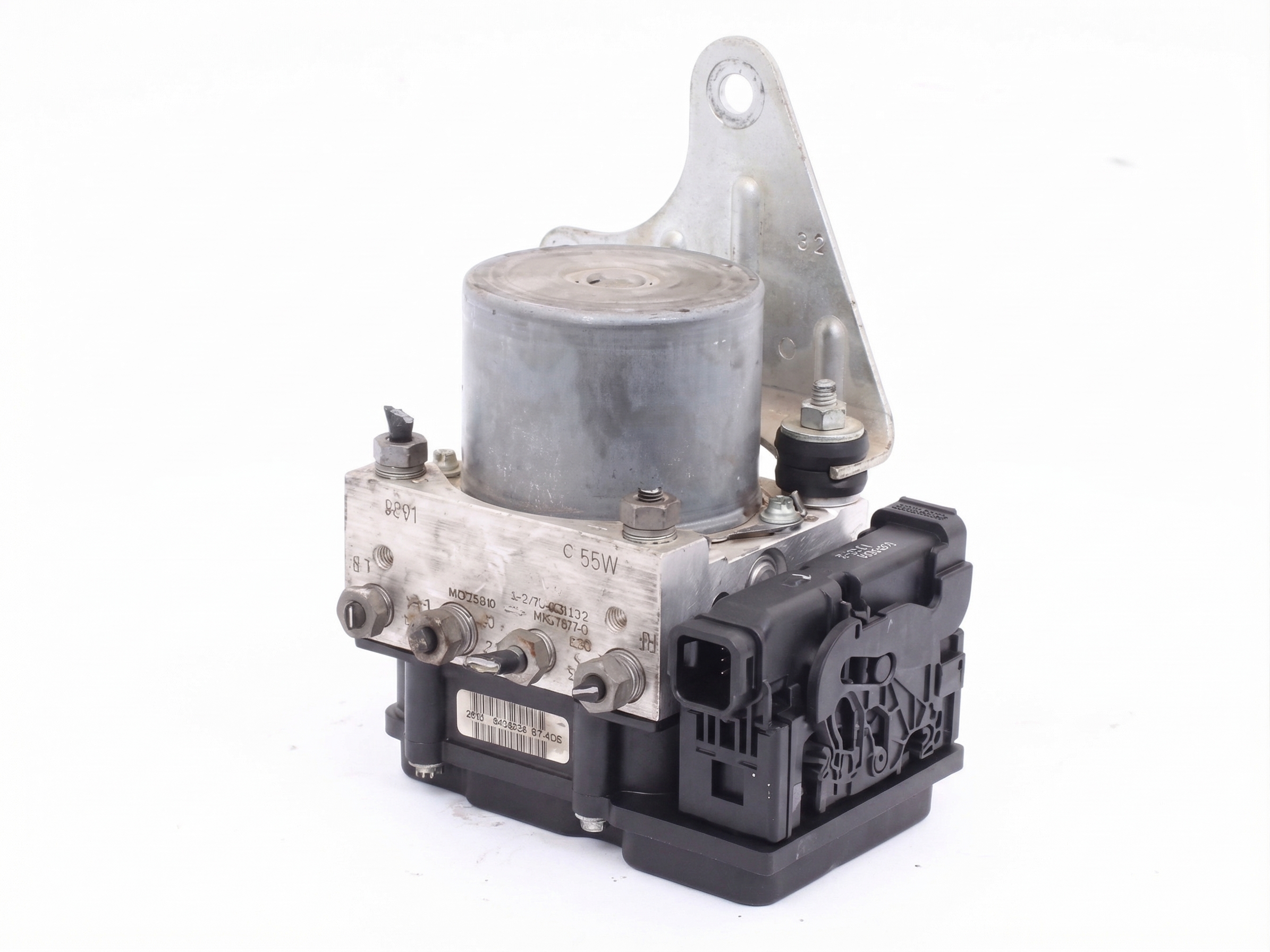
- ABS Control Module
(OEM #68267784AD (Example, VIN specific))— A common failure point on this platform where an internal fault in the ABS module can bring down the entire CAN bus network, triggering a U0100 code.
Trusted brands: Mopar, Bosch
OEM price range: $400-$600
Aftermarket price range: $250-$450 - Engine Control Module (ECM/PCM)
(OEM #68170201AB (Example for 2013-15 6.7L, VIN specific))— This is the last resort part to be replaced after all other diagnostic steps have been completed, as it is rarely the true cause of the failure despite what the code implies.
Related Codes That Often Appear With This One
- U0101 — Lost Communication with TCM. The Transmission Control Module is on the same network and a bus failure will often take it offline along with the ECM.
- U0121 — Lost Communication With ABS Control Module. This is a key code. If seen with U0100, it strongly suggests the ABS module itself may be the source of the network failure.
- P0562 — System Voltage Low. This code points towards a weak battery or poor ground connection as the potential root cause of the communication failure.
- C2206 — Vehicle Configuration Mismatch. This code can appear with U0100 when a module, such as the ABS unit, is failing and causing network conflicts.
Technical Service Bulletins (TSBs) & Recalls
- TSB #18-037-16 REV. A - Addresses a no-crank/no-start condition with U0100 on 2015 Ram 2500/3500 trucks with the 6.7L Cummins and 68RFE transmission via an ECM/PCM software update.
- TSB #18-091-16 - Notes that U0100 (Lost Communication With ECM/PCM) may be present alongside other codes like P2281 (Air Leak Between MAF And Throttle Body) and various solenoid switch valve codes.
- TSB #08-037-21 - While referencing a different model, this bulletin highlights how U0100 can occur simultaneously with U0140 (Lost Communication With Body Control Module) and U0102 (Lost Communication With Transfer Case Control Module).
Platform-Specific Known Issues
- ECM Connector Corrosion: The C1 and C2 connectors on the ECM, mounted on the driver's side of the engine block, are highly susceptible to water and road salt intrusion, leading to pin corrosion and communication failures like U0100.
- Wiring Harness Chafing: The main engine harness is frequently reported to rub through its insulation where it passes near the driver's side shock tower, A/C lines, or other brackets, causing CAN bus wires to short to ground.
Mechanic-Grade Diagnostic Values
- CAN Bus Network Resistance — expected: 54-67 Ohms (typically ~60 Ohms) between Pin 6 (CAN C High) and Pin 14 (CAN C Low) at the OBD-II port with battery disconnected.. Failure: A reading of ~120 Ohms indicates an open circuit or a failed terminating resistor. A reading near 0 Ohms indicates a short between the CAN wires.
- CAN C High Voltage — expected: ~2.5V to 3.0V DC to ground (Key On, Engine Off) at Pin 6 of the OBD-II port.. Failure: Significant deviation, such as being stuck at 0V, 5V, or battery voltage, indicates a short to ground or power.
- CAN C Low Voltage — expected: ~2.0V to 2.5V DC to ground (Key On, Engine Off) at Pin 14 of the OBD-II port.. Failure: Significant deviation, such as being stuck at 0V, 5V, or battery voltage, indicates a short to ground or power.
- Module Ground Circuit Resistance — expected: Less than 0.1 Ohms between a module's ground pin and the negative battery terminal.. Failure: Higher resistance indicates a poor ground connection, which can corrupt data signals and cause communication faults.
Scan Tool Commands That Help
- wiTECH or equivalent professional scanner: Network Topology / View All Modules — This function should be used at the start of diagnosis to get a visual map of all modules on the network and see which ones are not communicating. This quickly identifies if the problem is isolated to the ECM or if multiple modules are offline, pointing to a wider bus issue.
- wiTECH or equivalent professional scanner: ECU Reset / Re-establish Vehicle Configuration — After replacing a module like the ABS controller or ECM, this function is required to program the new module to the vehicle's VIN and options. It ensures all modules on the network recognize the new component.
Wiring & Ground Locations
- CAN Bus Terminating Resistors — There are two 120-Ohm terminating resistors in the network. One is located internally within the ECM/PCM. The second is often located in the module at the furthest end of the bus, which on some Cummins applications can be the Instrument Cluster or the ABS module. On some setups, it may be a separate plug-in resistor near the end of the harness.. The two resistors in parallel create the 60-Ohm resistance needed for clean signal transmission. If one resistor (or the module containing it) fails or is disconnected, the bus resistance will jump to ~120 Ohms, causing signal reflections and communication loss.
- Star Connector (CAN Bus Junction) — On related Ram platforms, this central wiring hub is located behind the driver's side kick panel, near the parking brake. It's a block where multiple CAN bus harnesses connect.. This connector is a common single point of failure. Water intrusion from a leaky windshield or clogged sunroof drain can corrode the pins, causing a network-wide communication failure that often sets a U0100 code. Wiggling the connectors can sometimes temporarily restore communication, confirming it as the source of the problem.
- Main Battery Grounds — Key ground points include a strap from the battery to the body located above the driver's side headlight, a battery-to-frame ground, and the main engine block-to-frame ground strap.. A high-resistance ground at any of these primary locations can cause unstable voltage across the entire electrical system, leading to unpredictable communication faults between modules.
- ECM Connectors C1/C2 — The large 60-pin (C1) and 50-pin (C2) connectors are located directly on the ECM, which is mounted on the driver's side of the engine block.. These connectors are directly exposed to engine bay elements. Corrosion or pushed-out pins on the CAN bus or power/ground circuits within these specific connectors will directly cause a U0100 code by isolating the ECM from the network.
Real Owner Repair Stories
- RamForum.com user 'Joe Merchak' (2018 Ram (generationally similar)) — Truck would not start intermittently. After a restart, the check engine light came on with code U0100 and the truck had no power. A full scan revealed multiple communication codes with various modules (transmission, power steering, etc.) even though those systems appeared to be working.
❌ Tried (didn't work) Clearing codes (they returned), Considering a battery issue due to cold weather
✅ What actually fixed it The dealer technician replaced the ABS module. The tech stated that he had seen this issue before where an internal failure in the ABS module 'crashes the bus,' causing widespread communication faults and a U0100 code. - cumminsforum.com (paraphrased from common reports) (2013-2018 Ram 2500/3500 with Cummins) — Intermittent no-start, U0100, and other communication codes. Scan tool cannot connect to ECM.
❌ Tried (didn't work) Replacing batteries, Checking fuses, Cleaning visible connector terminals
✅ What actually fixed it A break or corrosion was found in the CAN bus wiring inside the main harness loom, often near the driver's side shock tower or where the harness rubs against A/C lines. The damage was not visible from the outside, requiring the tech to unwrap the harness and physically inspect the twisted pair of CAN wires for damage.
Documented NHTSA Reports
- An owner reported a communication or control module fault within the vehicle’s network involving codes U0100, U0159, U0140, U0137, U0102, U10121, and U0101 (NHTSA ODI #11662767).
- Manufacturer Bulletin #18-037-16 notes that updated software was released to address a No crank/No start issue specifically associated with code U0100.
Model Year Variations Within This Range
- 2015: This model year is specifically called out in TSB #18-037-16 REV. A for a no-crank/no-start condition with U0100, making a software update the primary first step, which is less of a documented issue for other years in this range.
Diagnostic Flowchart
Other Known Issues on This Vehicle
Issues unrelated to this code that are worth knowing about as an owner of this generation:
- Steering 'Death Wobble' 🔴 High — Common across the generation, often triggered by hitting a bump at highway speeds (50-70 mph). Can occur at any mileage, often due to worn track bar, ball joints, or steering damper. (Ref: Multiple TSBs and recalls have been issued over the years for steering components, but the issue persists for many owners.)
- 68RFE Transmission Failures 🟠 Medium → Shop Transmission Assembly — Common in trucks that tow heavy or are tuned for higher power. Issues include torque converter shudder, valve body failure, and clutch pack burnout, often appearing after 60,000 miles.
- DEF/SCR System Problems 🟠 Medium — Issues with DEF injectors, pumps, and sensors are common, leading to check engine lights, limp mode, and no-start conditions if the DEF tank is perceived as empty. (Ref: Multiple software update TSBs (e.g., 18-027-16 REV. C) were released to improve system logic and diagnostics.)
- Cracked Exhaust Manifold Bolts 🟡 Low — The bolts securing the exhaust manifold to the cylinder head are prone to breaking due to heat cycles, causing exhaust leaks (ticking noise when cold).
- CP4.2 High-Pressure Fuel Pump Failure (2019-2020 Models) 🔴 High — While primarily affecting the 2019-2020 models that came after this generation, it's a critical issue for buyers looking at the cusp of the generation change. The CP4 pump can fail catastrophically, sending metal debris through the entire fuel system, requiring a >$10,000 repair. (Ref: Recall Y78 was issued to replace the CP4 pump with a more reliable CP3 pump on affected 2019-2020 trucks.)
- Grid Heater Bolt Failure 🔴 High — The nut and bolt for the grid heater relay can come loose and fall into the intake manifold, potentially causing catastrophic engine damage. It is a well-known issue in the Cummins community.
Used vs. New Parts: Buying Guide for This Vehicle
When a used part is the smart pick: For a faulty ABS module, a used part from a reputable salvage yard can be a cost-effective option, provided it comes from a vehicle with a similar configuration and has a warranty. Used wiring harnesses or connectors (pigtails) are also excellent for repairing specific damaged sections without replacing the entire loom.
Donor-vehicle mileage cap: roughly under 100000 miles for the part to have meaningful remaining life.
What to inspect on the donor part:
- For modules, check for any signs of water damage, fire damage, or physical impact on the donor vehicle.
- Ensure the part number on the used module is an exact match or a known compatible replacement.
- For wiring, inspect for any cuts, brittleness, or previous repair attempts. Ensure connector pins are straight and free of corrosion.
- Ask for the VIN of the donor vehicle to help with potential programming needs.
OEM-only on this vehicle (don't cheap out):
- Engine Control Module (ECM/PCM): Due to the complexity of VIN programming and anti-theft integration, using a used ECM can be very difficult. It is highly recommended to use a new or professionally remanufactured, pre-programmed unit from a specialist like Flagship One or Solo Auto.
- Totally Integrated Power Module (TIPM): Similar to the ECM, the TIPM is VIN-specific and controls many vehicle functions. A used TIPM may not be compatible and can cause more electrical issues. A new Mopar unit is the safest bet.
Aftermarket brands forum-validated for this vehicle:
- For remanufactured modules, companies like Cardone are widely available, but OEM or specialized remanufacturers are often preferred for critical components like the ECM.
Brands owners have reported issues with on this vehicle:
- Avoid unbranded, 'no-name' electronic modules from online marketplaces. These often have high failure rates and can lack the proper software or programming capabilities.
Real Owner Stories
Aggregated from forums and TSBs cited above. Mileages and costs reflect what owners reported in those sources.
2015 Ram 3500 6.7L Cummins
Symptoms: No-crank, no-start condition with code U0100 and U0101 present.
What fixed it: The issue was addressed via the TSB software update rather than replacing the ECM.
Source hint: hdrams.com forum thread titled '2015 3500 no-crank no-start u0100 u0101'
2013-2018 Ram 2500/3500
Symptoms: U0100 code present; technician had a 'gut feeling' based on seeing the issue multiple times on this platform.
What fixed it: Replacing the ABS module, which was internally shorted and flooding the CAN bus with corrupt data.
Source hint: ramforum.com thread titled 'u0100 code'
2013-2018 Ram 2500/3500 6.7L Cummins
Symptoms: No-start condition with multiple communication codes including U0100, U010C, U0121, U11E9, U0101, and U0404.
What fixed it: Tracing and repairing a corroded CAN bus wire inside the wiring harness loom near the shock tower.
Source hint: cumminsforum.com thread titled 'no-start u0100 u010c u0121 u11e9 u0101 u0404'
Related OBD-II Codes
Frequently Asked Questions
I have a 2015 Ram 2500 with the 6.7L Cummins and 68RFE; is there a specific fix for my U0100 code?
Can a faulty ABS module really cause a U0100 'Lost Communication with ECM' code on my Ram?
Where are the most common wiring chafe points that cause U0100 on these trucks?
My Ram 3500 won't start and shows U0100; should I check the battery first?
Is there a specific repair kit for corroded ECM connectors on the 2013-2018 Ram?
How can I tell if my U0100 is a wiring issue or a bad terminating resistor?
Helpful Videos
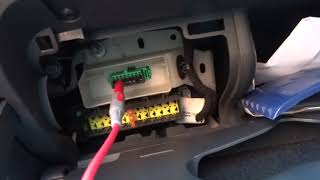
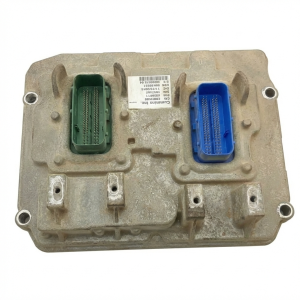
Used OEM Parts in Stock
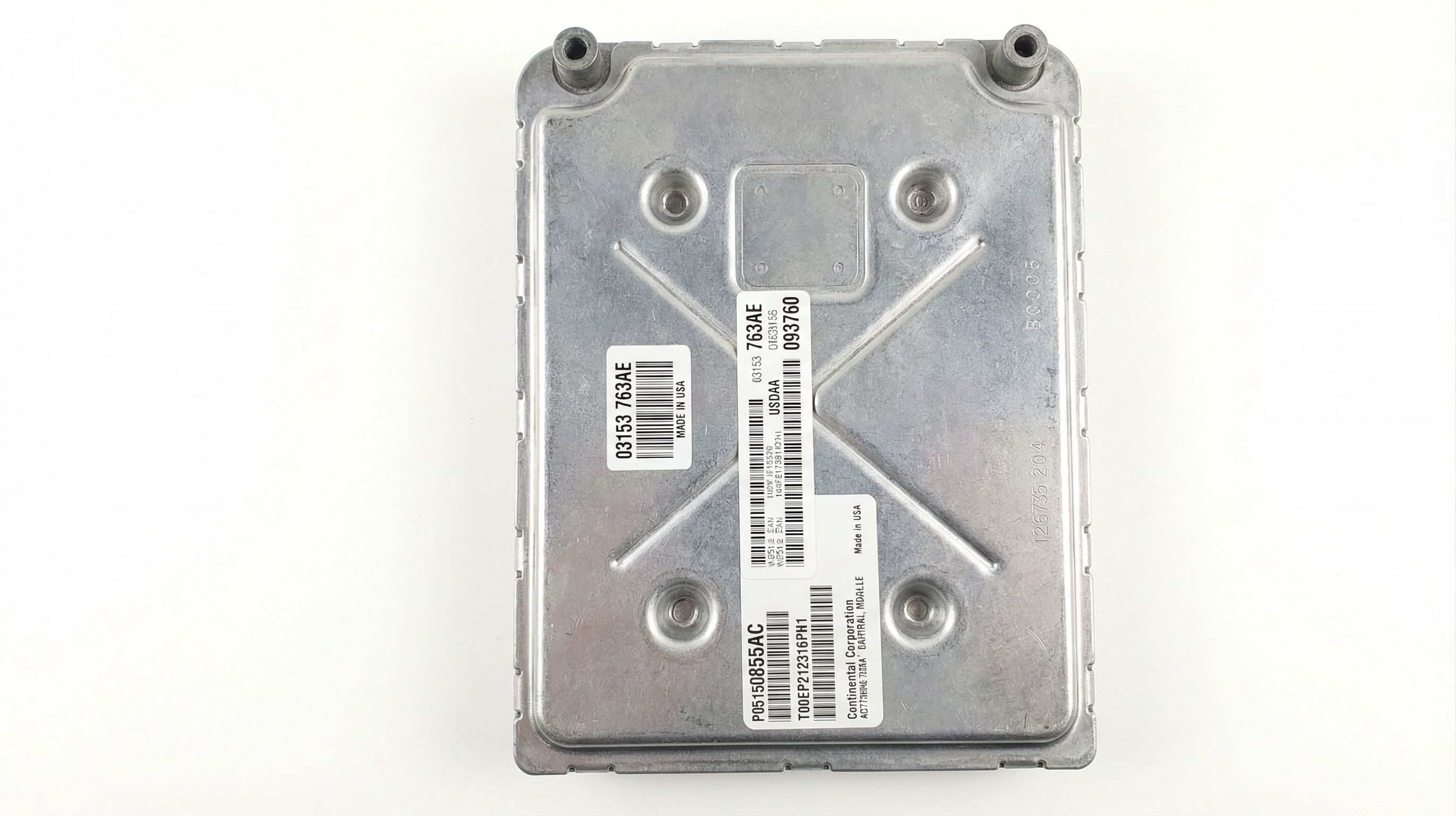
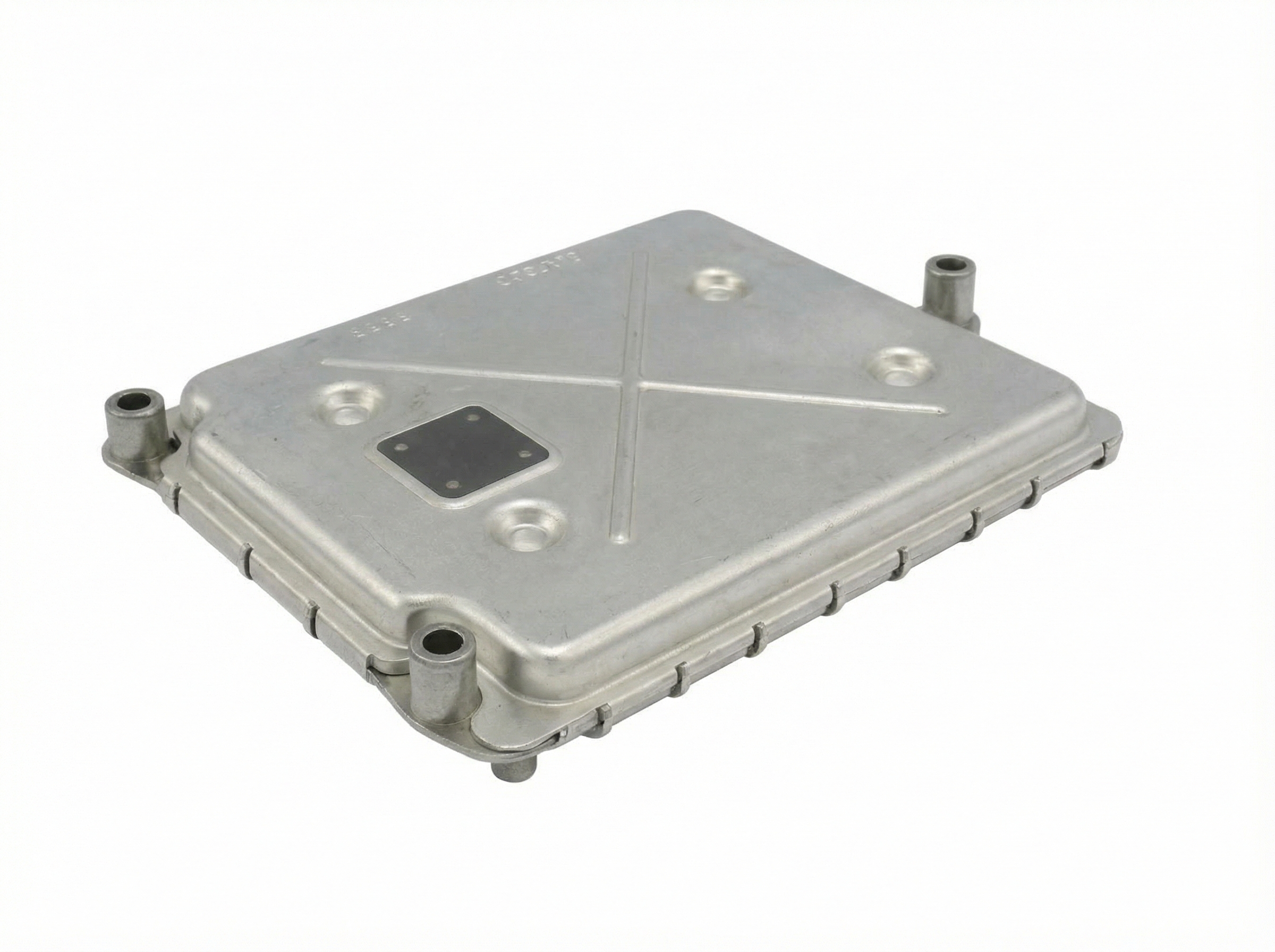
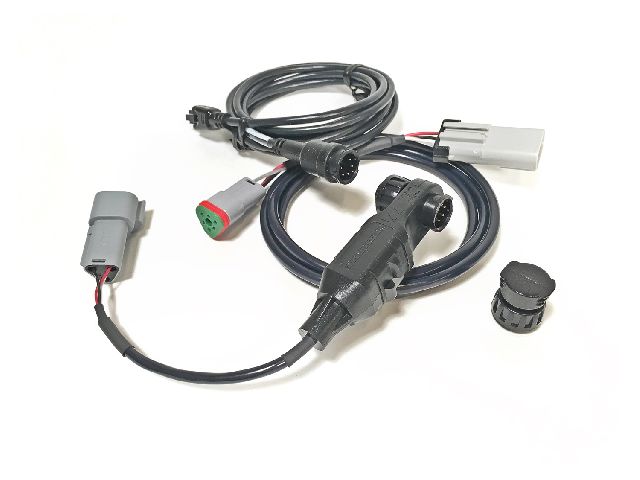
New Aftermarket Parts Available

The information in this article is provided for general reference and educational purposes only. Vehicle specifications, procedures, and part compatibility can vary by production date, trim level, and region. Always consult your vehicle's factory service manual and verify part numbers before purchasing or performing repairs. Safety-critical components such as airbags, seat belts, and braking systems should be installed by a qualified professional.
- Ram 2500/3500:
- 🧭 Diagnostic Flowchart
- 🎬 Helpful Videos
- 🛍️ Shop This Part
- What's Unique About the 2013-2018 Ram 2500/3500
- Symptoms You May Notice
- Most Likely Causes
- Rare But Worth Checking
- Diagnosis Steps
- Parts You'll Likely Need
- Related Codes That Often Appear With This One
- Technical Service Bulletins (TSBs) & Recalls
- Platform-Specific Known Issues
- Mechanic-Grade Diagnostic Values
- Scan Tool Commands That Help
- Wiring & Ground Locations
- Real Owner Repair Stories
- Documented NHTSA Reports
- Model Year Variations Within This Range
- Other Known Issues on This Vehicle
- Used vs. New Parts: Buying Guide for This Vehicle
- Real Owner Stories
- 2015 Ram 3500 6.7L Cummins
- 2013-2018 Ram 2500/3500
- 2013-2018 Ram 2500/3500 6.7L Cummins
- Related OBD-II Codes
- Frequently Asked Questions
- 🎟️ Get 5% Off