

U0100 on 2007-2016 Volvo S80: Lost Communication With ECM Causes and Fixes
On a 2007-2016 Volvo S80, code U0100 almost always points to a weak battery, corroded grounds, or a faulty Central Electronic Module (CEM) before the ECM itself. Start by testing the battery and checking all main ground connections before suspecting expensive modules. Water intrusion into the CEM is a very common trigger for this code on the P3 platform.
- Always start diagnosis for U0100 on a Volvo S80 by testing the battery and inspecting all major ground connections.
- The Central Electronic Module (CEM) is a more likely point of failure than the Engine Control Module (ECM). Check it for water damage.
- Do not replace the ECM unless all other, more common, possibilities have been ruled out by proper diagnostics.
- Driving with this code is risky as the vehicle may stall or enter limp mode without warning.
- Using a Volvo-specific diagnostic tool like VIDA will provide much more accurate information than a generic OBD-II scanner.
What's Unique About the 2007-2016 Volvo S80
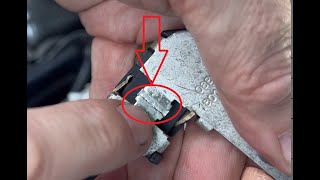
The second-generation Volvo S80 (P3 platform) is notoriously sensitive to electrical system health. Unlike many other vehicles where U0100 might point directly to a failed ECM, on this Volvo, the root cause is frequently a more basic electrical issue. A weak battery, a corroded ground strap, or a failing Central Electronic Module (CEM)—which acts as the car's main network gateway—are far more common culprits. The CEM in particular is known for failing due to water damage 🎬 Watch: Fixing a water-damaged Volvo CEM from clogged sunroof drains or a leaking windshield cowl, making it a primary suspect. Owners often find that addressing these foundational electrical problems resolves the communication loss without needing to replace the expensive ECM.
Symptoms You May Notice
- Check Engine Light is on
- Vehicle will not start or is hard to start
- Engine stalls intermittently while driving
- Transmission may shift erratically or get stuck in one gear ('limp mode')
- Multiple warning lights on the dashboard (e.g., ABS, SRS, Transmission Service Urgent, Anti-Skid Service Required)
- Loss of power or vehicle entering 'limp mode'
- Instrument cluster gauges drop to zero or behave erratically
- Message display shows dashes '----' instead of normal information
- Replacing the Engine Control Module (ECM) without first verifying the battery, ground connections, and the Central Electronic Module (CEM). An expensive ECM is often replaced when the actual fault was a simple, low-cost electrical issue like a bad ground or a weak battery.
- Replacing the battery but failing to check the alternator's output, leading to a recurrence of the problem when the new battery is drained.
Most Likely Causes
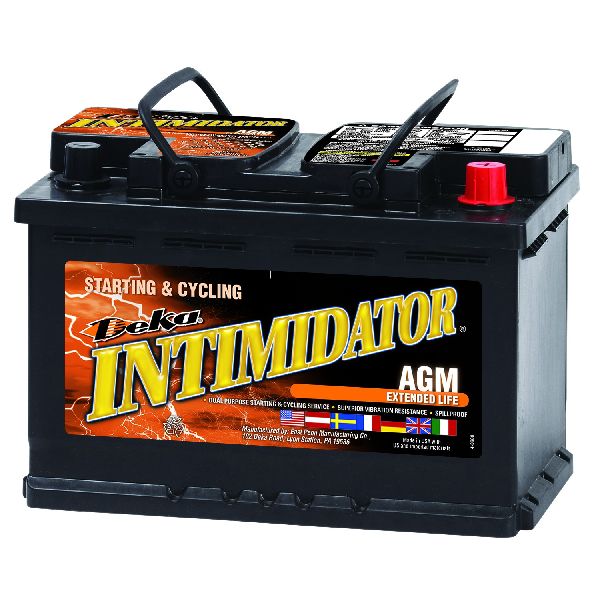
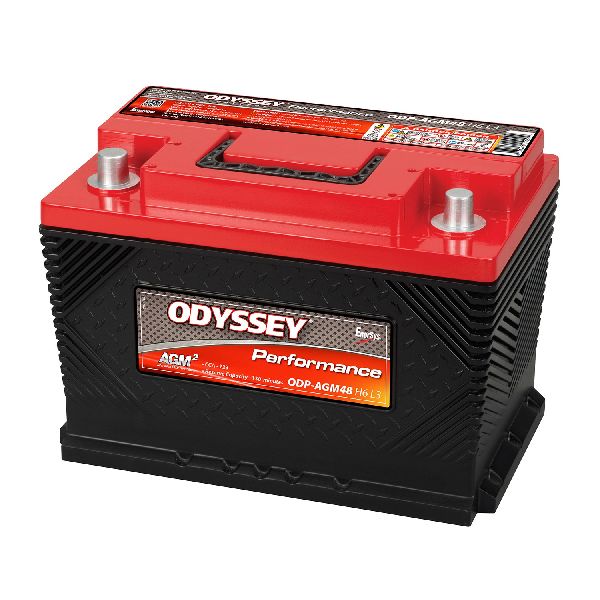
- Weak or Failing Battery 🔴 High Probability → Shop Vehicle Battery Volvos on the P3 platform are highly sensitive to voltage fluctuations. A battery that is even slightly weak can cause communication dropouts between modules, triggering a flood of U-codes.
How to confirm: Test the battery with a multimeter or a digital battery tester. A healthy, fully charged battery should read at least 12.6 volts with the engine off. Perform a load test to check its ability to hold a charge. Any reading below 12.2V suggests a weak or discharged battery that needs charging or replacement.
Typical fix: Recharge or replace the battery. Ensure the new battery is of the correct type (AGM vs. standard) and capacity for the vehicle.
Est. part cost: $150-$350 - Faulty Central Electronic Module (CEM) 🔴 High Probability The CEM is located under the dashboard on the driver's side and is highly susceptible to water damage from clogged sunroof drains or a leaking windshield cowl. It is the central gateway for the CAN network, and its failure disrupts all communication. This is a well-documented weak point on the P3 platform.
How to confirm: Scan the vehicle with a Volvo-specific scanner (like VIDA) to check for codes stored in the CEM itself. Visually inspect the CEM and its connectors for signs of water intrusion, green/blue corrosion, or a burnt smell. Check the carpets and headliner for dampness, which indicates a leak.
Typical fix: If water damaged, the leak must be fixed first by clearing drains or resealing the windshield. The CEM may be repairable by a specialist service (e.g., Xemodex, Module Master), or it may need to be replaced and programmed to the vehicle. Replacement requires software loading and pairing with the car's VIN.
Est. part cost: $400-$1200 (for remanufactured/repair service), $1000-$1500 (for new OEM) - Corroded or Loose Ground Connections 🟡 Medium Probability Ground straps can corrode over time, creating high resistance and unstable voltage supply to critical modules like the ECM and CEM. Key ground points are the main battery ground, engine-to-chassis strap, and the grounds near the ECM.
How to confirm: Visually inspect the main battery ground cable, engine-to-chassis ground strap, and other major grounding points. Look for fraying, looseness, or green/white corrosion. Perform a voltage drop test on the ground circuit with a multimeter to confirm high resistance.
Typical fix: Remove, clean the contact points on the strap and chassis with a wire brush until shiny, apply dielectric grease, and re-secure the connection. If the strap is badly corroded or frayed, replace it.
Est. part cost: $20-$60 - Damaged CAN Bus Wiring or Connectors ⚪ Low Probability Wiring can become damaged from abrasion against chassis components, heat from the engine/exhaust, or rodent activity. The main connectors for the ECM and CEM can also develop corrosion or have pins back out.
How to confirm: Visually inspect the wiring harness leading to the ECM (in the engine bay) and CEM (under the dash). Check for continuity on the CAN High and CAN Low wires (typically twisted pairs) with a multimeter. Check the resistance between the CAN H and CAN L pins at the OBD-II port (should be ~60 ohms with the battery disconnected). Check the pins in the connectors for corrosion or damage.
Typical fix: Repair the damaged section of wiring using solder and heat shrink. Clean corroded connector pins with a specialized pick and contact cleaner, or replace the affected connector.
Est. part cost: $50-$300
Rare But Worth Checking
- Failed Engine Control Module (ECM): → Shop Engine Control Module (ECM) While this is the component named in the code definition, it is less likely to be the cause than the battery, grounds, or CEM. It should only be considered after all other possibilities have been thoroughly ruled out. ECM failure is rare without an external cause like a short circuit or water damage.
- Faulty Alternator: → Shop Alternator A failing alternator can produce incorrect voltage (either too high or too low) or excessive AC ripple voltage, which can disrupt module communication. This should be checked if battery issues persist.
Diagnosis Steps
- Read all fault codes from all modules using a Volvo-specific scanner (VIDA is highly recommended). Note all 'U' codes and any codes stored in the CEM.
- Test the battery. Ensure it is fully charged (12.6V+) and passes a load test. Many P3 owners have resolved U0100 simply by replacing an aging battery.
- Inspect the battery terminals and main power/ground cables for corrosion and tightness. Clean as necessary.
- Locate and inspect the main engine and chassis ground straps. The strap from the engine to the passenger-side frame rail is a common point of failure. 🎬 See how to clean and repair vehicle ground connections Remove, clean all contact points to bare metal, and reinstall.
- Inspect the Central Electronic Module (CEM), located under the driver-side dashboard. Check for any signs of water damage, corrosion on the connectors, or a burnt smell. Feel the carpet for dampness and check sunroof drains by pouring water into the sunroof cassette and ensuring it drains under the car, not into the cabin.
- Check fuses related to the ECM and CEM in the engine bay and cabin fuse boxes.
- Visually inspect the wiring harness and connectors at the Engine Control Module (ECM), which is typically in the engine bay near the firewall. Look for any obvious damage, corrosion, or loose pins.
- If available, use an oscilloscope to check for a valid CAN signal (square waves) on the CAN High and Low wires at the OBD-II port. This can confirm if the network is active.
- Do not replace the ECM unless it has been definitively proven to be the source of the failure by a professional using advanced diagnostic tools.
Parts You'll Likely Need
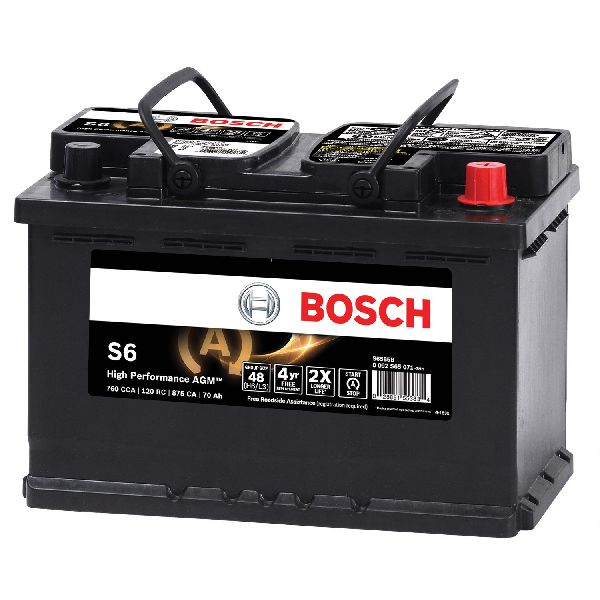
- Battery — A weak or failing battery is the most common cause of communication codes on this platform.
Trusted brands: Bosch, Interstate, Volvo OE
OEM price range: $250-$350
Related Codes That Often Appear With This One
- U0101 — This code indicates 'Lost Communication with TCM' (Transmission Control Module). Since the TCM and ECM are on the same high-speed CAN network, a network-wide problem like a bad CEM or wiring issue will often cause both codes to appear together.
- Multiple U-codes — A general CAN bus failure will prevent many modules from communicating, resulting in a cascade of U-codes (e.g., U0121 for ABS, U0140 for BCM/CEM) being stored across the vehicle. Seeing a large number of U-codes strongly points to a central network problem rather than a single module failure.
- CEM-xxxx codes — If you use a Volvo-specific scanner (VIDA), you may find codes stored within the CEM itself that point to internal faults or communication errors, providing a more direct diagnosis than the generic U0100.
Technical Service Bulletins (TSBs) & Recalls
- TJ 26575 - A Technical Journal (similar to a TSB) may exist for some models addressing software updates for the ECM to resolve communication issues. Owners should check with a dealer.
- Recall R246 / NHTSA 11V378000 - For 2007 S80 models, addresses incorrectly routed power steering return hoses that could lead to fluid loss. While not directly related to U0100, it highlights the type of factory issues present in early models of this generation.
Platform-Specific Known Issues
- Water intrusion into the cabin from clogged sunroof drains or a poorly sealed windshield can drip directly onto the Central Electronic Module (CEM), causing corrosion and failure that leads to network codes like U0100. This is the most notorious issue related to this code on P3 platform cars.
- A specific owner experience on Swedespeed forums detailed a 2008 S80 with U0100 and a no-start condition. After replacing the battery with no success, the cause was traced to a corroded main engine ground strap. Cleaning the contact points on the frame and engine block resolved the issue completely.
- Another common report involves the car suddenly dying while driving, with the dash going dark and displaying 'Anti-Skid Service Required' just before the U0100 code is stored. This scenario often points to a failing CEM that is intermittently losing power or shorting internally.
Mechanic-Grade Diagnostic Values
- CAN Bus Resistance (High-Speed Network) — expected: ~60 Ohms. Failure: A reading of 120 Ohms indicates an open circuit or a missing terminating resistor (often in the ECM or ABS module). A reading near 0 Ohms indicates a short between CAN High and CAN Low wires.
- CAN High Voltage (to Ground) — expected: ~2.6V (Key On, Engine Off). Failure: Voltage significantly different, or 0V, indicates a short to ground or open circuit.
- CAN Low Voltage (to Ground) — expected: ~2.4V (Key On, Engine Off). Failure: Voltage significantly different, or 0V, indicates a short to ground or open circuit.
- Alternator AC Ripple Voltage — expected: < 0.5V AC. Failure: AC voltage exceeding 0.5V indicates failing diodes in the alternator, which can introduce electrical noise that disrupts module communication.
Hidden / Shadow Codes Worth Checking
- CEM-DF13: CAN-H, high speed network. Signal too high. This indicates a short to voltage on the high-speed CAN bus high wire. (see via Volvo-specific scanner like VIDA.)
- CEM-DF14: CAN-H, high speed network. Signal too low. This indicates a short to ground on the high-speed CAN bus high wire. (see via Volvo-specific scanner like VIDA.)
- CEM-DF15: CAN-L, high speed network. Signal too high. This indicates a short to voltage on the high-speed CAN bus low wire. (see via Volvo-specific scanner like VIDA.)
- CEM-DF16: CAN-L, high speed network. Signal too low. This indicates a short to ground on the high-speed CAN bus low wire. (see via Volvo-specific scanner like VIDA.)
- CEM-1A51 to CEM-1A64: Communication with a specific control module is missing. For example, CEM-1A5F indicates lost communication with the ECM. These codes are logged by the CEM when it doesn't hear from a specific module on the network. (see via Volvo-specific scanner like VIDA.)
Scan Tool Commands That Help
- VIDA (Vehicle Information & Diagnostics for Aftersales): CEM Reload / ECM Reload — This software function is required after replacing the Central Electronic Module (CEM) or Engine Control Module (ECM). It downloads the correct software and configuration for the specific vehicle's VIN, without which the new module will not function.
- VIDA (Vehicle Information & Diagnostics for Aftersales): Network Test — This function actively polls all control modules on the network and displays their status (e.g., 'Responding' or 'Not Responding'). It's a critical first step to see the scope of the communication failure and identify which modules are offline.
Wiring & Ground Locations
- CEM (Central Electronic Module) — Located in the passenger compartment, under the dashboard on the driver's side, typically above the pedals.. The CEM is the central gateway for the high and low-speed CAN networks. A failure here, often from water damage, will cause a network-wide communication loss and trigger U0100.
- Main Engine Ground Strap — Commonly runs from the top of the engine (near the torque mount) to the passenger side strut tower or frame rail.. Corrosion or looseness at this primary ground point creates an unstable voltage supply for the ECM and other critical engine bay modules, leading to communication dropouts.
- G31/10 (Ground Point) — Located on the right-hand A-post.. This is a chassis ground point for several interior components. While less likely to be the primary cause, poor grounding here can contribute to general electrical instability.
- ECM (Engine Control Module) — Located in the engine bay, housed in a black plastic box near the firewall on the passenger side.. This is the module that other modules have lost communication with. Checking its connectors for corrosion or damage is a key diagnostic step.
Real Owner Repair Stories
- Matthews Volvo Site user report (2014 Volvo XC60 (P3 Platform sibling)) — Sudden 'Brake, please make a safe stop' message, dead instrument cluster, no-start condition, U0100 code stored.
❌ Tried (didn't work) Initial diagnosis pointed towards wiring, but checks showed no obvious faults.
✅ What actually fixed it The root cause was a water-damaged Central Electronic Module (CEM) located under the dashboard. Replacing the CEM and fixing the source of the water leak resolved all symptoms and cleared the code.
OEM Part Supersession History
Various (e.g., 30765624)→Various (e.g., 31394157)— Revisions for reliability and feature updates.
Heads up: A used CEM from another vehicle, even with a matching part number, will NOT work without being 'cloned' or reprogrammed. The CEM is coded to the car's specific VIN and immobilizer data. A new module requires a software download from a Volvo dealer or specialist with VIDA. Services like Xemodex or Module Master can transfer data from your old CEM to a new or refurbished one.
Model Year Variations Within This Range
- 2007-2009: Early models featured a pop-up navigation screen. The Haldex AWD coupling was a Gen 3 system, updated to Gen 4 mid-way through the 2009 model year.
- 2010-2013: A facelift for the 2010 model year introduced a new grille, more chrome trim, and interior updates. The V8 engine option was discontinued after 2010. The base 3.2L engine received a slight power increase in 2011.
- 2014-2016: A second major facelift occurred in 2014, revising bumpers and grilles. Later models replaced the pop-up navigation with an integrated center infotainment screen (Sensus). New 2.0L four-cylinder 'Drive-E' engines paired with an 8-speed automatic transmission were introduced on base models starting in 2015, significantly improving fuel economy.
Diagnostic Flowchart
Other Known Issues on This Vehicle
Issues unrelated to this code that are worth knowing about as an owner of this generation:
- Aisin-Warner TF-80SC Transmission Hard Shifting / Valve Body Failure 🔴 High → Shop Transmission Assembly — Common on higher mileage vehicles (80k+ miles), especially if transmission fluid has not been changed. Symptoms include harsh upshifts or downshifts, and shift flares. (Ref: Several software update TSBs were issued to improve shift quality, but mechanical failure of the valve body is common.)
- 3.2L SI6 Engine Oil Consumption / PCV System Failure 🟠 Medium — Early models (pre-2012) were more prone to oil consumption due to piston ring design. The PCV breather box is also a common failure point, leading to a whistling noise at idle and potential oil leaks. (Ref: Volvo had an extended warranty program for the piston ring issue on some affected engines.)
- Power Steering System Leaks 🟠 Medium — Leaks can develop from the reservoir, hoses, or the power steering pump itself. Some 2007 models were recalled for incorrectly routed hoses. (Ref: Recall R246 for some 2007 models.)
- Worn Front Suspension Control Arm Bushings 🟠 Medium — The heavy front end of the S80 causes premature wear of the front control arm bushings, typically noticeable after 60k-80k miles. Symptoms include clunking noises over bumps and imprecise steering.
- Clogged Sunroof Drains 🔴 High — A very common issue. The four drain tubes for the sunroof become clogged with debris, causing water to back up and leak into the cabin, often damaging the CEM or other electronics.
Used vs. New Parts: Buying Guide for This Vehicle
When a used part is the smart pick: A used part is a viable option for the Central Electronic Module (CEM), but ONLY if you send it along with your original module to a specialist service (like Xemodex) to have your car's data cloned onto it. This is often more cost-effective than buying a new CEM from Volvo. Simple mechanical parts like ground straps are perfectly fine to source from a donor car.
Donor-vehicle mileage cap: roughly under 120000 miles for the part to have meaningful remaining life.
What to inspect on the donor part:
- For a CEM, ensure there are no signs of water damage, corrosion on the pins, or physical damage to the casing.
- Verify the part number on the used CEM is compatible, though the cloning process is more critical than an exact match.
- For any used part, check the donor vehicle for signs of flood or fire damage.
- When sourcing a ground strap, ensure the cable is not frayed, and the metal terminals are not heavily corroded or cracked.
OEM-only on this vehicle (don't cheap out):
- Engine Control Module (ECM)
- Central Electronic Module (CEM) - If buying new, it must be an OEM part programmed by a dealer. A used OEM part is only an option with a cloning service.
Aftermarket brands forum-validated for this vehicle:
- Xemodex (CEM/ECM Repair and Cloning Service)
- Module Master (CEM Repair Service)
Brands owners have reported issues with on this vehicle:
- Unknown, no-name electronic modules sold on auction sites without a warranty or clear return policy.
Real Owner Stories
Aggregated from forums and TSBs cited above. Mileages and costs reflect what owners reported in those sources.
2008 Volvo S80 T6
Symptoms: No Crank, No Start condition. Owner replaced the battery but the issue persisted with code U0100.
What fixed it: Cleaning the contact points on the main engine-to-chassis ground strap (frame and engine block) to remove corrosion.
Source hint: Swedespeed Forum - Thread titled '2008 S80 T6 No Crank, No Start, U0100'
Volvo S80 V8
Symptoms: A 'Christmas tree' of warning lights on the dashboard and a U0100 code.
What fixed it: The CEM was diagnosed with water damage and corrosion on the connectors; it was sent to Xemodex for a rebuild.
Source hint: MatthewsVolvoSite - Thread 'S80 V8 - U0100 and a Christmas tree of lights'
2007 Volvo S80
Symptoms: Chasing a U0100 Lost Communication code; owner already replaced the battery and alternator without success.
What fixed it: Discovery of a hairline crack in the CEM circuit board, visible only under magnification.
Source hint: Volvoforums - 'U0100 Lost Communication with ECM on 2007 S80'
Related OBD-II Codes
Frequently Asked Questions
My 2007 S80 is acting up; is there a recall for electrical issues like U0100?
Why does my S80 show 'Anti-Skid Service Required' and '----' on the dash before failing to start?
Can a weak battery really cause a U0100 code on a Volvo S80?
Where is the CEM located on my S80, and why does it fail?
How can I test if my S80's CAN bus wiring is damaged?
Is there a specific ground strap I should check on my S80 T6?
Helpful Videos



We Have This Part in Stock


The information in this article is provided for general reference and educational purposes only. Vehicle specifications, procedures, and part compatibility can vary by production date, trim level, and region. Always consult your vehicle's factory service manual and verify part numbers before purchasing or performing repairs. Safety-critical components such as airbags, seat belts, and braking systems should be installed by a qualified professional.
- Volvo S80:
- 🧭 Diagnostic Flowchart
- 🎬 Helpful Videos
- 🛍️ Shop This Part
- What's Unique About the 2007-2016 Volvo S80
- Symptoms You May Notice
- Most Likely Causes
- Rare But Worth Checking
- Diagnosis Steps
- Parts You'll Likely Need
- Related Codes That Often Appear With This One
- Technical Service Bulletins (TSBs) & Recalls
- Platform-Specific Known Issues
- Mechanic-Grade Diagnostic Values
- Hidden / Shadow Codes Worth Checking
- Scan Tool Commands That Help
- Wiring & Ground Locations
- Real Owner Repair Stories
- OEM Part Supersession History
- Model Year Variations Within This Range
- Other Known Issues on This Vehicle
- Used vs. New Parts: Buying Guide for This Vehicle
- Real Owner Stories
- 2008 Volvo S80 T6
- Volvo S80 V8
- 2007 Volvo S80
- Related OBD-II Codes
- Frequently Asked Questions
- 🎟️ Get 5% Off