

U0101 on 2007-2010 Saturn Outlook: Lost Communication with TCM Causes and Fixes
On a 2007-2010 Saturn Outlook, code U0101 is most often caused by a chafed and corroded wire right at the main connector to the Transmission Control Module (TCM). This is a well-documented failure on the GM Lambda platform. Inspecting and repairing this specific wire is the most likely fix and can save you from a costly, unnecessary TCM replacement.
- Code U0101 means the Transmission Control Module (TCM) has lost communication.
- Before buying any parts, inspect the wiring harness at the TCM connector for chafing and corrosion; this is the most likely cause on a Saturn Outlook.
- Symptoms are severe and include the vehicle being stuck in limp mode, making it unsafe to drive.
- Always check the simple things first: battery health and the TCM fuse.
- If the TCM must be replaced, it will require programming to your vehicle's VIN.
What's Unique About the 2007-2010 Saturn Outlook
The Saturn Outlook and its GM Lambda platform siblings (GMC Acadia, Buick Enclave, Chevy Traverse) are known for a specific wiring failure that causes the U0101 code. The wiring harness leading to the TCM, located on the front of the transmission, is prone to rubbing against the sharp edge of the connector itself or other components. Over time, this chafing wears through the wire's insulation, allowing moisture to enter, causing corrosion (often seen as 'green crusties') and eventually breaking the electrical connection. This specific, well-documented issue, often highlighted in GM Technical Service Bulletins like PIP4990D and 17-NA-211, is the most common culprit for this code, far more so than actual TCM failure.
Symptoms You May Notice
- Check Engine Light is on
- Transmission warning light is on
- "Service Stabilitrak" message may appear on the driver information center
- Vehicle is stuck in 'limp mode' (will not shift out of a low gear)
- Harsh or erratic shifting, sometimes with a loud clunk when moving from Park to Drive or Reverse
- Inability to shift out of Park
- Gear indicator on the dashboard is blank or incorrect
- Vehicle may stall, especially when shifting
- Scan tool cannot communicate with the TCM
- Replacing the entire transmission when the issue is a simple wiring fault.
- Replacing the TCM without first verifying its power, ground, and communication wires are intact. The wiring is the most common failure point, as confirmed by numerous owner experiences and GM service bulletins.
Most Likely Causes
- Chafed Wire at TCM Connector 🔴 High Probability → Shop Transmission Wiring Harness The design of the wiring harness and its routing allows a wire to rub directly against the sharp plastic edge of the TCM connector housing or other nearby components, causing it to fail over time. GM TSBs PIP4990D and 17-NA-211 specifically call out inspecting the harness for rubbing.
How to confirm: Locate the TCM on the front of the transmission, below the radiator. Disconnect the large 16-way electrical connector. Carefully peel back the plastic conduit or tape and inspect the wires for signs of rubbing, green corrosion, or a complete break right where they enter the connector. Multiple owner forums confirm this is the primary failure point.
Typical fix: Repair the broken wire using a sealed, waterproof butt connector. Ensure the repaired section is protected with heat shrink tubing. Some owners also add dielectric grease to the connector to prevent future moisture intrusion. Reroute the harness slightly to prevent it from rubbing again. If the connector housing itself is damaged, a replacement pigtail like the Dorman 645-800 may be used.
Est. part cost: $5-$50 - Poor Power or Ground to TCM 🟡 Medium Probability General corrosion or loose connections can affect any vehicle. GM TSB 08-07-30-021H points to poor connections, grounds, and water intrusion as a known issue on similar GM SUVs. TSB 17-NA-211 also advises checking TCM grounds (like G106/G107) and load testing the circuits. Manufacturer Bulletin #PIP4990C further advises technicians to check terminal pin fit at the transmission connector and the underhood fuse block when U0101 is present.
How to confirm: Check the TCM fuse in the underhood fuse block. Use a multimeter to verify battery voltage and a solid ground at the appropriate pins on the TCM connector (with the key on). A weak or dead battery can also cause this code. A voltage drop test under load is the most effective way to confirm a bad connection.
Typical fix: Replace the blown fuse. If a ground connection is loose or corroded, remove the bolt, clean the contact surfaces to bare metal, and re-secure it tightly. Address any water intrusion issues found.
Est. part cost: $1-$15 - Failed Transmission Control Module (TCM) ⚪ Low Probability → Shop Transmission Assembly
How to confirm: This should only be considered after all wiring, power, and ground circuits have been thoroughly tested and confirmed to be good. If the TCM has proper power and ground but still won't communicate on the CAN bus, the module itself has likely failed.
Typical fix: Replace the Transmission Control Module (also called a TEHCM). The new module will require programming to the vehicle's VIN, which typically requires dealer-level scan tools. Note that installing a used TCM can cause persistent U0101 codes in other modules until it is properly reprogrammed.
Est. part cost: $200-$700
Diagnosis Steps
- Check for other codes. Scan for all codes in all modules. Multiple 'U' codes suggest a network-wide problem, while a solitary U0101 points more directly to the TCM circuit. TSB Bulletin #PIP4990D recommends gathering all other diagnostic trouble codes in the vehicle as part of the initial review.
- Check the battery. Ensure the battery is fully charged (12.6V+ engine off, 13.8-14.5V engine on) and the terminals are clean and tight. Low voltage can cause communication errors.
- Check the TCM fuse. Inspect the fuse for the TCM in the underhood fuse block. Replace if blown. TSB PIP4990D notes that mispositioned fuses can also be a cause.
- Inspect the TCM Connector. This is the most critical step for this vehicle. Locate the TCM on the front of the transmission. Disconnect the main harness and carefully inspect the wires for chafing and corrosion, especially right at the connector housing, as this is a known failure point.
- Verify Power and Ground. If the wiring looks good, use a multimeter to test for 12V power and good ground continuity at the TCM connector pins. A load test is recommended to ensure the circuit can carry current.
- Check CAN Bus Wires. If power and grounds are good, check the resistance between the two CAN bus wires (typically pins 6 and 14 at the OBD-II port). It should be approximately 60 ohms. If it's 120 ohms, there's a break in the circuit or a missing terminating resistor. If it's near zero, the wires are shorted together.
- Condemn the TCM. If all wiring, power, grounds, and the CAN network are confirmed to be good, the TCM itself is the likely culprit and should be replaced and programmed.
Parts You'll Likely Need
- Sealed Butt Connectors / Wiring Repair Supplies — This is needed to fix the most common cause: the chafed wire at the TCM connector.
Trusted brands: 3M, Dorman
Aftermarket price range: $5-$20 - Transmission Control Module (TCM/TEHCM)
(OEM #24256140 (ACDelco Reman))— This is the part to replace only if all wiring, power, and ground checks have passed, and the module is confirmed to be faulty. Requires programming.
Trusted brands: ACDelco, Dorman, Sonnax
OEM price range: $400-$700
Aftermarket price range: $200-$500 - TCM Connector Pigtail — If the connector housing or multiple pins are damaged beyond repair, a replacement pigtail is needed. The Dorman 645-800 is a multi-purpose connector that may be suitable for this repair.
Trusted brands: Dorman
Aftermarket price range: $30-$60
Related Codes That Often Appear With This One
- U0100 — Lost Communication with ECM/PCM. If the network is unstable, multiple modules may report communication loss.
- U0073 — Control Module Communication Bus 'A' Off. This is a general network code indicating a wider problem on the high-speed CAN bus, reinforcing the likelihood of a wiring or module issue affecting the entire network.
- P0700 — Transmission Control System (MIL Request). This code is set by the ECM when the TCM detects a fault and requests the Check Engine Light to be turned on. It almost always accompanies a more specific transmission code, including U0101.
Technical Service Bulletins (TSBs) & Recalls
- 08-07-30-021H: A broad GM TSB for multiple SUVs/trucks covering Loss of High Speed GMLAN. It lists U0101 and points to backed-out terminals in the transmission connector, chafed wiring, and poor connections as primary causes, reinforcing the diagnostic path for the Outlook.
- PIP4990D / 17-NA-211: These bulletins, which supersede each other, specifically address DTC U0101. They explicitly instruct technicians to inspect the transmission connector pins for damage, check TCM grounds, and look for harness chafing before replacing any parts.
- Bulletin #PIP4990C: This manufacturer communication advises that technicians may find U0101 as a current or stored history code and should specifically check terminal pin fit at the transmission connector and the underhood fuse block.
Platform-Specific Known Issues
- A well-documented issue on the GM Lambda platform involves the wires in the main TCM harness connector chafing against the connector's own housing. This leads to a broken wire (often with green corrosion) and triggers the U0101 code. This is confirmed in multiple TSBs and owner forums.
- A user on gmc-trucks.com with a 2008 Sierra experiencing U0073 and U0101 found that water had entered the aftermarket transmission connector he had previously installed, causing corrosion on the lower pins. Cleaning the connector and adding dielectric grease resolved the issue.
Mechanic-Grade Diagnostic Values
- TCM Power Supply Pin Voltage — expected: 12.0 - 12.6 V with ignition on, engine off.. Failure: Low or no voltage indicates a problem with the fuse, relay, or supply wire. A significant voltage drop when the connector is plugged in suggests a short in the TCM or a high-resistance fault in the supply circuit.
- TCM Ground Pin Resistance — expected: Below 0.5 Ω to a known good chassis ground.. Failure: High resistance indicates a corroded or loose ground connection at G106/G107, preventing the module from powering on correctly.
- CAN Bus Resistance (at DLC) — expected: Approximately 60 Ω between Pin 6 (CAN High) and Pin 14 (CAN Low) with the battery disconnected.. Failure: A reading of 120 Ω indicates an open circuit or a missing terminating resistor (one of the modules, often the TCM or ECM, is offline). A reading near 0 Ω indicates the CAN High and Low wires are shorted together.
- CAN Bus Voltage (at DLC) — expected: CAN High (Pin 6) should be 2.5-3.5V and CAN Low (Pin 14) should be 1.5-2.5V with the key on.. Failure: Voltages outside these ranges indicate a short to power, short to ground, or a faulty module pulling the bus voltage high or low.
Scan Tool Commands That Help
- GM Tech2 / GDS2: Module Communication Status — To verify which specific modules on the High Speed GMLAN are not communicating. This helps determine if the fault is isolated to the TCM or is a wider network issue.
- GM Tech2 / GDS2 / Techline Connect: Service Programming System (SPS) — This is mandatory after installing a new or remanufactured TEHCM. The function flashes the module with the correct software and calibrates it to the vehicle's specific VIN. Failure to program will result in a no-start condition or persistent communication codes.
- GM Tech2 / GDS2: Transmission Service Fast Learn — After a new TEHCM has been installed and programmed with SPS, this procedure must be run. It allows the newly programmed module to learn the specific hydraulic and mechanical characteristics of the clutches in that particular transmission to ensure smooth shifting.
Wiring & Ground Locations
- G106 / G107 — G106 is commonly found on the front center of the frame cross rail, below the crankshaft pulley. G107 is often located nearby on the right-hand (passenger side) front of the frame. Always verify with a vehicle-specific diagram.. These are the primary grounds for the TEHCM. TSB 17-NA-211 specifically instructs technicians to inspect these grounds for looseness or corrosion, as a poor connection here will starve the module of a stable electrical reference, causing it to drop off the network.
- TEHCM Main Connector (16-way) — On the front of the transmission case, facing the radiator.. This is the single point of connection for all power, ground, and communication lines to the TEHCM. It is the most common failure point due to wires chafing on the connector body or nearby components, as well as moisture intrusion causing pin corrosion.
- Underhood Fuse Block — In the engine compartment, typically on the driver's side.. The TEHCM receives its power via a fuse in this block. TSBs mention that poor terminal fit or mispositioned fuses in the block can cause a loss of power to the module, triggering a U0101 code.
Real Owner Repair Stories
- acadiaforum.net user (2008 GMC Acadia (Lambda Platform sibling)) — Check engine light on, harsh shifting, codes U0073 and U0101.
❌ Tried (didn't work) Initial diagnosis pointed towards a faulty TCM.
✅ What actually fixed it The owner inspected the main transmission connector and found multiple wires had chafed through their insulation right at the connector body. One wire was completely broken. The owner repaired the broken wire and insulated the others, which resolved all codes and shifting issues.
OEM Part Supersession History
Varies by year (e.g., 24256861)→Multiple revisions exist (e.g., 24275868, 24256524). It is critical to verify the correct part number by VIN.— Updates to address internal component failures like pressure switch durability and solenoid performance.
Heads up: Installing a TEHCM from a different year or with the wrong calibration ID can result in a no-start condition, immediate limp mode, or failure to program. The module MUST be programmed to the vehicle's VIN using a J2534 device or GM diagnostic tool.
Diagnostic Flowchart
Used vs. New Parts: Buying Guide for This Vehicle
When a used part is the smart pick: A used wiring harness pigtail from a junkyard is an excellent, cost-effective choice if the original connector housing is damaged. Buying a used TEHCM is generally NOT recommended due to the high risk of it having the same internal flaws (like torn pressure membranes) and the absolute requirement for professional reprogramming, which adds significant cost and complexity.
Donor-vehicle mileage cap: roughly under 80000 miles for the part to have meaningful remaining life.
What to inspect on the donor part:
- For a wiring pigtail, ensure the connector body is not cracked and the locking tabs are intact.
- Cut the pigtail with as much wire as possible.
- Inspect the donor vehicle for signs of flood or fire damage.
OEM-only on this vehicle (don't cheap out):
- Transmission Control Module (TEHCM) - While quality remanufactured units from brands like ACDelco, Sonnax, or Street Smart Transmission are viable, cheap, unverified aftermarket modules should be avoided due to high failure rates and programming issues.
Aftermarket brands forum-validated for this vehicle:
- Sonnax (for TEHCM and internal repair kits)
- ACDelco (OEM remanufactured TEHCM)
- Street Smart Transmission (remanufactured TEHCM)
- Dorman (for connector pigtails)
Brands owners have reported issues with on this vehicle:
- Unbranded, no-name TEHCMs sold on auction sites without a warranty or programming support.
Real Owner Stories
Aggregated from forums and TSBs cited above. Mileages and costs reflect what owners reported in those sources.
2008 GMC Sierra
Symptoms: Vehicle was experiencing U0073 and U0101 network error codes.
What fixed it: The owner found that water had entered an aftermarket transmission connector, causing corrosion on the lower pins. Cleaning the corrosion from the connector and adding dielectric grease resolved the issue.
Source hint: gmc-trucks.com - Thread 'U0073 & U0101 Network Errors'
Related OBD-II Codes
Frequently Asked Questions
I have a U0101 code on my Outlook. What is the most important thing to check first?
My mechanic wants to replace the Transmission Control Module (TCM). Is this the likely fix?
Are there any official GM service bulletins for the U0101 code on my Saturn Outlook?
My Outlook is stuck in 'limp mode' and the 'Service Stabilitrak' message is on. Is this related to U0101?
If I find a broken wire at the TCM connector, what is the recommended repair?
I have a 2009 GMC Acadia with a U0101 code. Does this information apply to my vehicle?
My scan tool can't communicate with the TCM. Does that automatically mean the TCM has failed?
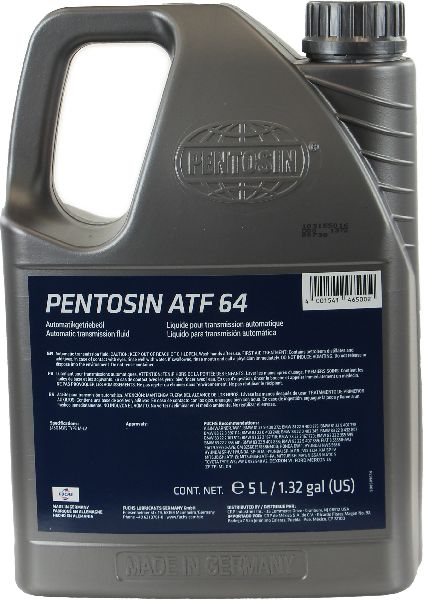
We Have This Part in Stock


The information in this article is provided for general reference and educational purposes only. Vehicle specifications, procedures, and part compatibility can vary by production date, trim level, and region. Always consult your vehicle's factory service manual and verify part numbers before purchasing or performing repairs. Safety-critical components such as airbags, seat belts, and braking systems should be installed by a qualified professional.
- Saturn Outlook:
- 🧭 Diagnostic Flowchart
- 🛍️ Shop This Part
- What's Unique About the 2007-2010 Saturn Outlook
- Symptoms You May Notice
- Most Likely Causes
- Diagnosis Steps
- Parts You'll Likely Need
- Related Codes That Often Appear With This One
- Technical Service Bulletins (TSBs) & Recalls
- Platform-Specific Known Issues
- Mechanic-Grade Diagnostic Values
- Scan Tool Commands That Help
- Wiring & Ground Locations
- Real Owner Repair Stories
- OEM Part Supersession History
- Used vs. New Parts: Buying Guide for This Vehicle
- Real Owner Stories
- 2008 GMC Sierra
- Related OBD-II Codes
- Frequently Asked Questions
- 🎟️ Get 5% Off