

U0121 on 2014-2020 Nissan Rogue: Lost Communication With ABS Module Causes and Fixes
This code means the ABS module isn't communicating, disabling your anti-lock brakes and stability control. The most likely causes are a faulty ABS module, bad wiring/connectors, or a simple blown fuse. A weak battery can also trigger this code. A replacement module is costly and requires professional programming.
- U0121 means your Rogue's ABS and stability control systems are offline due to a communication failure with the ABS module.
- The most common fixes are replacing a faulty ABS module, repairing damaged wiring/connectors, or addressing a weak battery/bad ground.
- Your regular brakes will work, but without ABS, so drive with extreme caution until the issue is resolved.
- Diagnosis requires a multimeter and a good scan tool; module replacement requires professional programming.
What's Unique About the 2014-2020 Nissan Rogue
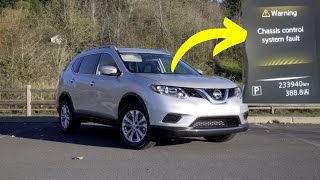
For the second-generation (T32) Nissan Rogue, the U0121 code is a straightforward network communication failure. While there are no major recalls for this specific code on the 2014-2020 models, it's a common fault that points directly to an issue with the ABS module's power, ground, data lines, or the module itself. The problem is rarely a simple sensor; it's almost always a failure in the core ABS electrical system or the module. The 'Chassis Control System Error' message is a hallmark symptom on this platform 🎬 Watch: See what the Chassis Control System Error looks like when the ABS module goes offline.
Symptoms You May Notice
- ABS warning light is on
- Traction Control or VDC/ESC (Vehicle Dynamic Control) light is on
- 'Chassis Control System Error' message appears on the instrument cluster
- Wheels may lock up during hard braking
- Loss of traction control on slippery surfaces
- Cruise control may be disabled
- In rare cases, a no-start condition may occur, as the immobilizer system can be affected by the ABS module communication failure.
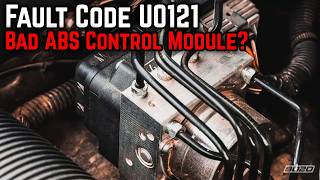
- Replacing a wheel speed sensor. While wheel speed sensor codes can sometimes appear with a U0121, the U-code itself points to a communication failure of the main module, not a sensor input. A U0121 code is not a wheel speed sensor issue. 🎬 Watch: A quick explanation of the U0121 communication code
Most Likely Causes
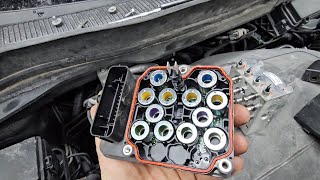
- Faulty ABS Control Module 🔴 High Probability → Shop ABS Control Module The ABS module is an electronic component that can fail internally over time due to heat, vibration, or internal circuit board issues. Forum discussions with Nissan technicians suggest this is a frequent failure point on the Rogue after other causes are eliminated.
How to confirm: After confirming the module has proper 12V power, a solid ground, and the CAN bus wiring is intact (testing for ~60 ohms), a professional scan tool will still be unable to establish communication with the module. This points to an internal failure.
Typical fix: Replace the entire ABS pump and module assembly. The new or remanufactured unit must be programmed to the vehicle's VIN. Repair services offer to fix the original module, which can be a plug-and-play solution that avoids programming.
Est. part cost: $800-$1600 for OEM, $400-$700 for used or remanufactured. - Wiring Harness or Connector Damage 🟡 Medium Probability The wiring harness leading to the ABS module can be damaged by road debris, abrasion against other components, or rodents chewing on the soy-based wire insulation. The main connector is also susceptible to moisture intrusion and pin corrosion.
How to confirm: Visually inspect the wiring harness loom around the ABS module, under the air filter box, and near the battery tray for any breaks, chafing, or signs of rodent damage. Disconnect the ABS module connector and check for green or white corrosion on the pins. Use a digital multimeter to check for continuity on the power, ground, and CAN bus wires between the module and a known good point.
Typical fix: Repair the damaged section of the wire using automotive-grade butt connectors and heat-shrink tubing. Replace the corroded connector pigtail if necessary. Apply dielectric grease to the connector to prevent future moisture damage.
Est. part cost: $20-$150 - Weak Battery or Poor Ground Connection 🟡 Medium Probability → Shop Vehicle Battery
How to confirm: Test the battery voltage with the engine off; it should be above 12.4V. Perform a load test to ensure the battery can hold a charge. Check that battery terminals are clean and tight. Inspect the main chassis ground straps for corrosion or looseness, especially the smaller ground wire on the passenger side of the engine bay.
Typical fix: Charge or replace the battery. Clean or tighten the battery terminals and chassis ground connections.
Est. part cost: $0-$250 - Blown Fuse or Power Supply Issue ⚪ Low Probability Electrical surges or shorts can cause the dedicated fuses for the ABS module to blow, cutting off its power.
How to confirm: Locate the fuse box(es) in the engine bay (IPDM E/R) and interior using the owner's manual. Visually inspect the fuses labeled for the ABS or VDC system (often multiple, including 30A/40A for the motor and 10A for the control unit). Use a multimeter to check for 12V power at the module's power supply pins with the key on.
Typical fix: Replace the blown fuse. If the fuse blows again immediately, it indicates a short circuit in the wiring or the ABS module itself that needs to be diagnosed.
Est. part cost: $1-$10
Diagnosis Steps
- Scan for all codes in all modules. Note any other communication (U-codes) or ABS (C-codes) that are present. If U0121 is the only U-code, the problem is likely isolated to the ABS module or its direct wiring.
- Check the battery and charging system. Ensure the battery has a full charge (>12.4V engine off, ~14V engine on) and that terminals are clean and tight. A weak battery is a common cause of communication faults.
- Inspect ABS-related fuses. Check the fuse boxes in both the engine bay (IPDM) and the passenger compartment for any blown fuses labeled 'ABS' or 'VDC'.
- Locate the ABS module in the engine bay. Carefully inspect the wiring harness and connector for any visible damage, corrosion, rodent activity, or chafing.
- Test Power and Ground at the Module. Disconnect the ABS module connector. Use a digital multimeter to check for 12V power and a solid ground connection at the appropriate pins in the connector (refer to a vehicle-specific wiring diagram).
- Test the CAN Bus Circuit. With the battery disconnected, measure the resistance between the CAN High and CAN Low wires in the harness connector (typically pins 6 and 14 at the OBD-II port). A healthy network should read approximately 60 ohms. A reading of 120 ohms suggests a break in the circuit or a faulty terminating resistor (often inside a module). A reading near 0 ohms indicates a short between the two wires.
- If power, ground, and CAN bus wiring all test good, the ABS module has most likely failed internally and needs to be replaced or sent for repair.
Parts You'll Likely Need
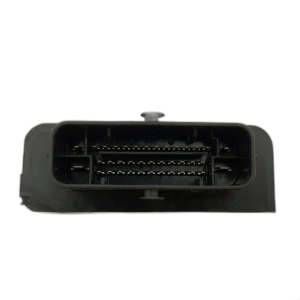
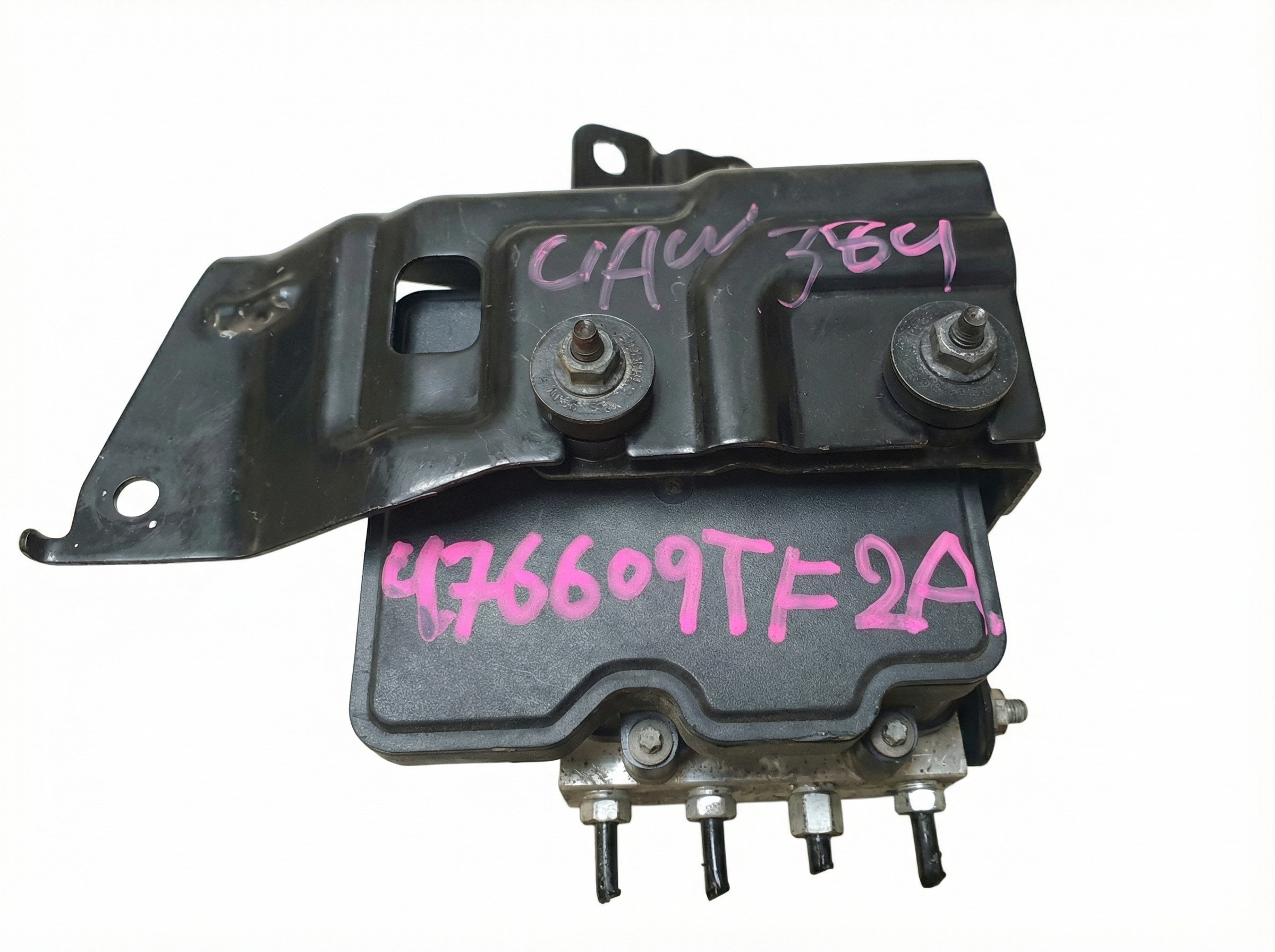
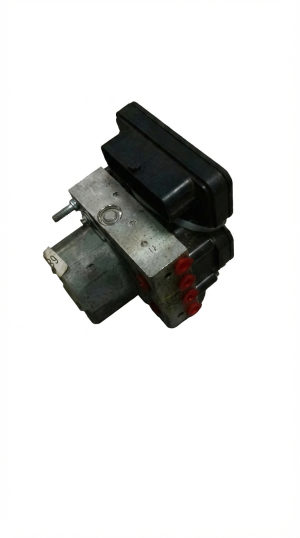
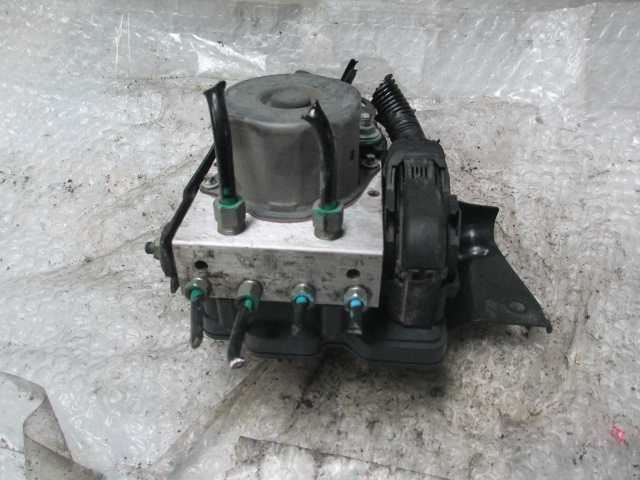
- ABS Pump and Control Module Assembly
(OEM #Varies by year and FWD/AWD. Examples include 47660-4BA0A, 47660-4BF6A, 47660-5HA1B. Always verify with VIN.)— This is the most common cause of the U0121 code when wiring and power issues have been ruled out. The electronic control unit fails internally.
Trusted brands: Hitachi (OEM), Bosch, Advics
OEM price range: $1200-$1800
Aftermarket price range: $600-$1200 (New), $300-$600 (Used/Remanufactured)
Related Codes That Often Appear With This One
- U1000 — This is a generic Nissan code for a CAN Communication Circuit fault. It often appears alongside more specific U-codes like U0121, indicating a general network problem.
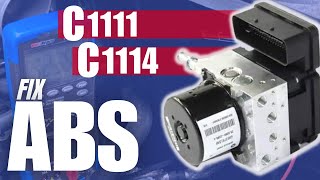
- C1110 — This code means 'ABS Actuator and Electric Unit Failure', pointing directly to an internal fault within the ABS module itself, corroborating the U0121 communication loss.
- U1002 — This code indicates the ABS control unit is not transmitting on the CAN bus for a short period. It often appears with U0121 and points strongly toward an issue with the ABS actuator/module.
Technical Service Bulletins (TSBs) & Recalls
- NTB21-030: While for the next-generation 2021 Rogue, this TSB addresses reprogramming the ABS/VDC control unit, showing a history of software-related fixes for Nissan's ABS systems.
Platform-Specific Known Issues
- Real Owner Experience: No-Start Condition: A 2018 Rogue owner on 2CarPros.com reported codes U0121 and U1002, which resulted in a no-start condition using the push-button start, although remote start still worked. A certified Nissan technician suggested the immobilizer was being affected by the ABS module communication fault, noting that they had replaced many of these expensive modules for similar issues.
- Wiring Harness Chafing Points: Owners and technicians on various forums point to specific areas where the wiring harness is prone to damage. Key areas to inspect are the loom that runs under the air filter box and around the battery tray, as it can rub against the chassis or other components, eventually wearing through the insulation of the CAN wires.
Mechanic-Grade Diagnostic Values
- CAN Bus Resistance — expected: ~60 Ω (Ohms) between CAN High and CAN Low pins (e.g., pins 6 and 14 at OBD-II port) with the battery disconnected.. Failure: A reading of ~120 Ω indicates a break in the circuit or one of the two terminating resistors is offline. A reading near 0 Ω indicates a short between the CAN High and Low wires.
- CAN Bus Voltage (Active Network) — expected: CAN High: ~2.7V. CAN Low: ~2.3V. The two should add up to approximately 5V.. Failure: Voltages that are stuck high, low, or do not mirror each other indicate a network fault, short to power/ground, or a faulty module pulling the bus down.
- Voltage Drop at ABS Module Ground — expected: Less than 0.1V - 0.5V between the ground pin on the harness connector and the negative battery terminal.. Failure: A reading higher than 0.5V indicates excessive resistance in the ground circuit, which can cause communication issues.
Scan Tool Commands That Help
- Nissan CONSULT III Plus: Reprogramming / Configuration — This function is mandatory after replacing the ABS module with a new or used unit. It writes the vehicle's VIN and configuration data to the module to ensure it communicates correctly with other systems like VDC, AWD, and Intelligent Cruise Control.
- Nissan CONSULT III Plus: Work Support > ABS > Adjust Steering Angle Sensor — After replacing the ABS module, the steering angle sensor's neutral position must be recalibrated. This function resets the straight-ahead position.
- Professional Bi-Directional Scan Tool: Active Test > ABS Pump Motor — Used to verify if the ABS module can respond to commands and activate the hydraulic pump motor. If the motor runs during the test, it confirms the module has power, ground, and some level of functionality, pointing the diagnosis more toward the CAN communication lines.
Wiring & Ground Locations
- ABS Actuator and Electric Unit (Control Unit) — In the engine bay, typically located on the passenger side, below the cowl panel and near the firewall. Access often requires removing the cowl top cover.. This is the physical location of the module itself. The main electrical connector here is the primary point for testing power, ground, and CAN signals directly at the source of the U0121 code.
- Main Harness Connector (to ABS Module) — Plugs directly into the ABS Actuator and Electric Unit.. This connector is a common failure point due to moisture intrusion and pin corrosion. All diagnostic voltage and resistance checks for the module's circuits are performed at this connector's harness side.
- CAN Bus Wires — A twisted pair of wires within the main engine and dash harnesses. On the T32 Rogue, the CAN bus runs at 500k baud. A known access point is the OBD-II connector (Pins 6 and 14).. These two wires are the communication lifeline for the ABS module. A break, short, or corrosion anywhere along this circuit will cause the U0121 code.
Real Owner Repair Stories
- 2CarPros.com Forum (2018 Nissan Rogue) — U0121 and U1002 codes, 'Chassis Control System Error' light, would not start with the push-button but would start with the remote starter.
❌ Tried (didn't work) The user confirmed the battery was good.
✅ What actually fixed it A certified Nissan technician on the forum diagnosed the issue as a faulty ABS module affecting the immobilizer system via the CAN bus. The technician noted this was a common failure and that they had replaced many ABS modules for this issue, which is the presumed final fix. The technician also advised removing any aftermarket RF-signal devices (phone chargers, toll passes) as they can interfere with the Nissan Anti-Theft System (NATS).
Model Year Variations Within This Range
- 2014-2020: ABS module part numbers are highly specific and not interchangeable based on drivetrain (FWD vs. AWD), build location (USA, Japan, Korea), and installed options like Adaptive Cruise Control (ACC) or Forward Emergency Braking. A 2017 facelift introduced some of these feature changes, making it critical to match part numbers exactly when sourcing a replacement.
Diagnostic Flowchart
Other Known Issues on This Vehicle
Issues unrelated to this code that are worth knowing about as an owner of this generation:
- CVT (Continuously Variable Transmission) Failure 🔴 High — Very common. Issues like shuddering, hesitation, and complete failure can occur, often around 100,000 miles. Repair/replacement is very expensive ($3,500-$5,500+). (Ref: Multiple class-action lawsuits have been filed regarding the Jatco CVT's reliability.)
- Air Conditioning (AC) Compressor Failure 🟠 Medium — Widespread reports of AC compressors failing prematurely, sometimes well before 100,000 miles, resulting in no cold air. (Ref: While no specific recall exists for the compressor itself on the T32, there are TSBs like NTB21-066 for the succeeding generation that address AC control unit software and IPDM issues that can cause AC inoperation, indicating a history of AC system problems.)
- EVAP System Clogs / Fuel Spill Issues 🟡 Low — Some owners experience issues with the fuel filler neck and EVAP canister, which can cause the fuel pump to click off prematurely when refueling.
- Automatic Emergency Braking (AEB) Malfunctions 🟠 Medium — Owners have reported the AEB system engaging unexpectedly when no obstacle is present, causing sudden and dangerous braking. (Ref: This has been the subject of investigation and lawsuits.)
- Electrical Glitches and Infotainment Problems 🟡 Low — Early models of this generation (2014-2016) were prone to issues like unresponsive touchscreens, Bluetooth connectivity problems, and random warning lights.
Used vs. New Parts: Buying Guide for This Vehicle
When a used part is the smart pick: A used ABS module from a reputable salvage yard is a very smart choice for this repair, as it can save over $1,000 compared to a new OEM part. The failure is typically electronic, so a used unit from a lower-mileage, non-flooded donor vehicle is a viable option provided you budget for professional programming.
Donor-vehicle mileage cap: roughly under 80000 miles for the part to have meaningful remaining life.
What to inspect on the donor part:
- Verify the part number on the used module EXACTLY matches the one on your original module.
- Ensure the donor vehicle had the same drivetrain (AWD/FWD) and options (Adaptive Cruise, etc.).
- Inspect the electrical connector on the used module for any signs of corrosion, bent pins, or physical damage.
- Ask for the VIN of the donor car to check its history for flood damage or major accidents.
OEM-only on this vehicle (don't cheap out):
- ABS Pump and Control Module Assembly. While aftermarket 'new' units exist, their long-term reliability is less documented than OEM (Hitachi) or professionally remanufactured OEM units. Given the critical safety function and programming requirements, sticking with OEM or a rebuilt OEM unit is strongly advised.
Aftermarket brands forum-validated for this vehicle:
- XeMODeX (for remanufacturing/repair services)
- Cardone (for remanufactured units)
Brands owners have reported issues with on this vehicle:
- Unbranded, no-name modules from online marketplaces, as they may have compatibility issues or be un-programmable.
Real Owner Stories
Aggregated from forums and TSBs cited above. Mileages and costs reflect what owners reported in those sources.
2018 Nissan Rogue
Symptoms: The vehicle displayed codes U0121 and U1002 and would not start using the push-button ignition, although the remote start feature still functioned.
What fixed it: A Nissan technician diagnosed the issue as a faulty ABS module interfering with the immobilizer system and indicated that replacing the ABS module was the required repair.
Source hint: vehicle_specific_issues: Real Owner Experience: No-Start Condition (citing 2CarPros.com)
Related OBD-II Codes
Frequently Asked Questions
My 2018 Rogue won't start and shows a 'Chassis Control System Error' message. Is this related to the U0121 code?
What does the 'Chassis Control System Error' message mean on my Nissan Rogue?
Besides the ABS light, what other systems might stop working when my Rogue has a U0121 code?
I've checked my Rogue's battery and fuses, and they're fine. What's the most likely cause of U0121?
Where is the most common place for wiring to get damaged and cause a U0121 code on this vehicle?
If I need to replace the ABS module on my Rogue, does the new part require special programming?
Is the U0121 problem unique to the Nissan Rogue?
Helpful Videos
We Have This Part in Stock

The information in this article is provided for general reference and educational purposes only. Vehicle specifications, procedures, and part compatibility can vary by production date, trim level, and region. Always consult your vehicle's factory service manual and verify part numbers before purchasing or performing repairs. Safety-critical components such as airbags, seat belts, and braking systems should be installed by a qualified professional.
- Nissan Rogue:
- 🧭 Diagnostic Flowchart
- 🎬 Helpful Videos
- 🛍️ Shop This Part
- What's Unique About the 2014-2020 Nissan Rogue
- Symptoms You May Notice
- Most Likely Causes
- Diagnosis Steps
- Parts You'll Likely Need
- Related Codes That Often Appear With This One
- Technical Service Bulletins (TSBs) & Recalls
- Platform-Specific Known Issues
- Mechanic-Grade Diagnostic Values
- Scan Tool Commands That Help
- Wiring & Ground Locations
- Real Owner Repair Stories
- Model Year Variations Within This Range
- Other Known Issues on This Vehicle
- Used vs. New Parts: Buying Guide for This Vehicle
- Real Owner Stories
- 2018 Nissan Rogue
- Related OBD-II Codes
- Frequently Asked Questions
- 🎟️ Get 5% Off