

U0140 on 2009-2019 Ford Flex: Lost Communication With Body Control Module Causes and Fixes
U0140 on a Ford Flex means the Body Control Module (BCM) has stopped communicating. Start by checking for a weak battery and blown fuses in the passenger compartment fuse box (also called the Smart Junction Box or SJB). If those are good, the cause is likely a wiring issue, often from a water leak down the A-pillar from a clogged sunroof drain, or a failed BCM, which requires professional diagnosis.
- U0140 means the Body Control Module (BCM) is offline.
- Always check the battery and BCM-related fuses first, as these are simple and common fixes.
- There is no single, common problem known to cause U0140 on the Ford Flex; a full electrical diagnosis is usually required.
- Symptoms include failure of lights, locks, windows, and wipers. A no-start condition is also possible.
- Replacing the BCM is the final step and requires professional programming to match your vehicle's VIN and options.
What's Unique About the 2009-2019 Ford Flex
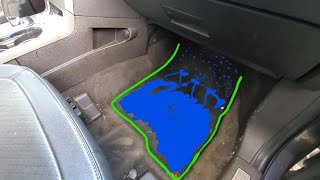
The Ford Flex spans one generation with a major refresh in 2013 that updated its electronic architecture. Unlike some other Ford vehicles that have a well-documented, common failure point for U0140 (like a specific corroded ground or wiring harness), the Flex does not. However, a recurring theme in owner forums is water intrusion causing BCM/SJB failure. Clogged sunroof drains or cowl vents can allow water to run down the A-pillar and directly onto the BCM/SJB and its connectors, causing corrosion and communication failures. Diagnosis requires a methodical check of the vehicle's electrical system, starting with signs of water leaks in the driver's footwell.
Generation note: The Ford Flex was produced in a single generation, but it had a significant facelift for the 2013-2019 model years. This update included changes to the electrical systems, and as a result, the Body Control Module (BCM), also known as the Smart Junction Box (SJB), has different part numbers for the 2009-2012 and 2013-2019 periods.
Symptoms You May Notice
- Power windows, power door locks, or power mirrors stop working.
- Interior or exterior lights (headlights, turn signals) work erratically, flicker, or not at all.
- Windshield wipers behave abnormally or fail to operate.
- Remote keyless entry fails.
- Multiple warning lights illuminated on the dashboard (e.g., ABS, traction control, airbag).
- Vehicle will not start (crank-no-start) in some cases.
- Parasitic battery drain that causes a dead battery after sitting. 🎬 Learn how to test for parasitic battery drain with a multimeter.
- Instrument cluster gauges may behave erratically or go dark.
- Replacing individual components like a window motor or light switch when the root cause is a lack of communication from the BCM that controls them.
- Immediately replacing the BCM without first checking for common and less expensive causes like a weak battery, blown fuses, or water intrusion from clogged drains.
Most Likely Causes
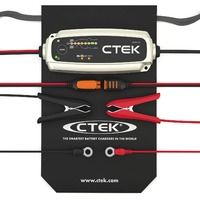
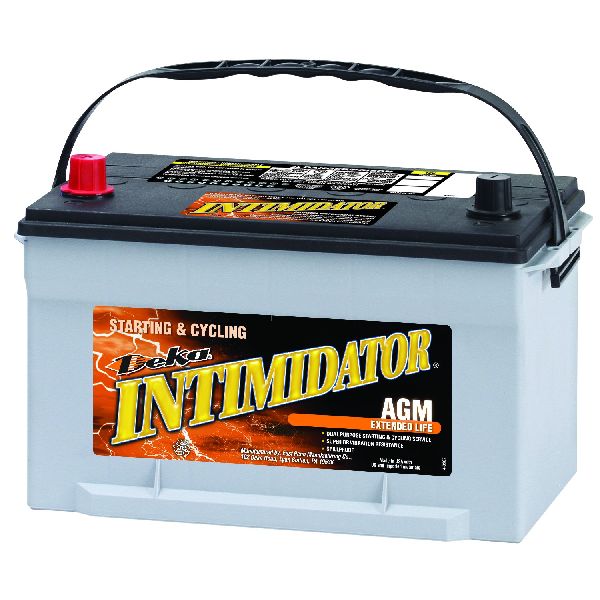
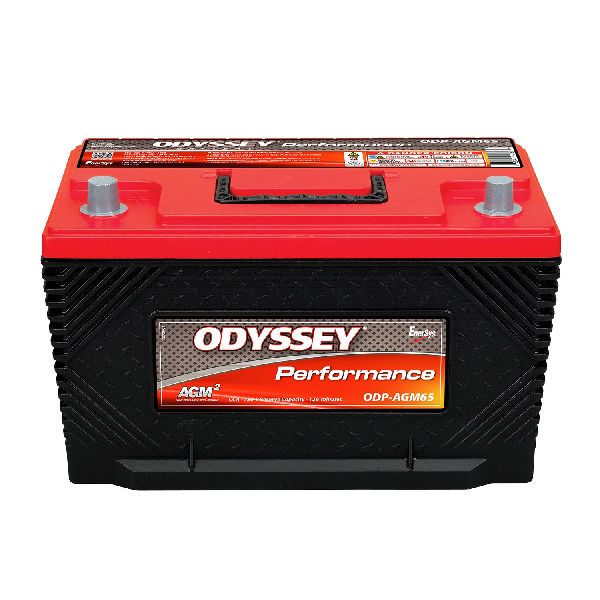
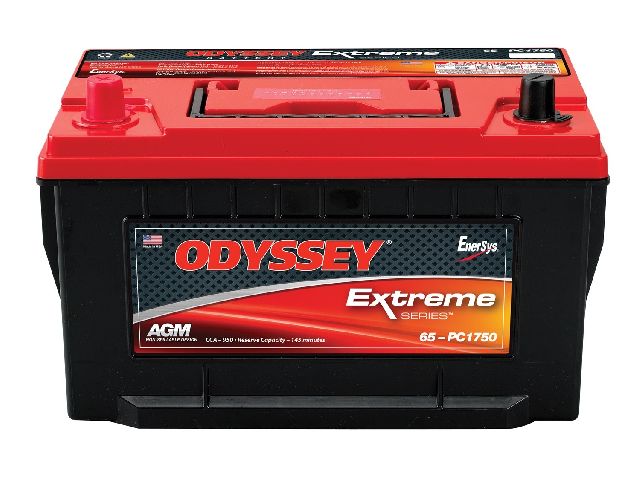
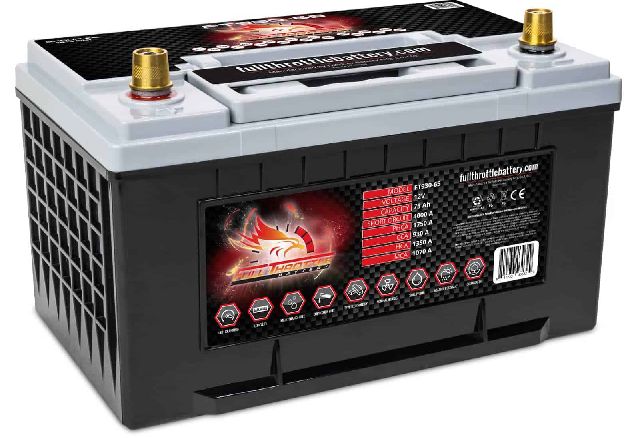
- Low Battery Voltage or Charging System Fault 🔴 High Probability → Shop Vehicle Battery All modern vehicles with multiple computer modules are sensitive to voltage. A weak battery or failing alternator can cause modules to drop off the network unexpectedly, triggering communication codes like U0140.
How to confirm: Test the battery voltage with a multimeter with the engine off; it should be above 12.4V. With the engine running, voltage should be between 13.7V and 14.7V. A load test provides the most accurate assessment of battery health.
Typical fix: Recharge or replace the battery. If the charging system is faulty, replace the alternator.
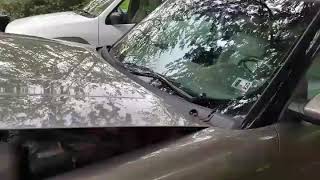
Est. part cost: $150-$400 - Water Intrusion into BCM/SJB 🟡 Medium Probability The Ford Flex is susceptible to water leaks from clogged sunroof drains or cowl drains under the windshield wipers. 🎬 Watch: How to find and clear clogged cowl drains. Water can travel down the A-pillar and drip directly onto the BCM (SJB) and its electrical connectors, located in the driver's side footwell area, causing corrosion and short circuits.
How to confirm: Peel back the carpet in the driver's footwell and inspect for dampness, rust, or water stains. Check the BCM/SJB connectors for green or white corrosion. To confirm a clogged drain, slowly pour water into the sunroof channel; it should drain behind the front wheel, not inside the car.
Typical fix: Clear the clogged drain tube using compressed air or a flexible wire. Thoroughly dry the BCM connectors and apply dielectric grease to prevent future corrosion. If the connector or BCM is heavily corroded, it will need to be replaced.
Est. part cost: $10-$800 - Blown Fuse for the BCM 🟡 Medium Probability The BCM on the Flex is integrated into the passenger compartment fuse box (Smart Junction Box). An electrical short in a connected component can blow a fuse, cutting power to the module.
How to confirm: Inspect all fuses in the interior fuse panel, located under the driver's side dashboard. Check the owner's manual for fuses labeled 'BCM', 'SJB', or 'Body Control Module'.
Typical fix: Replace the blown fuse. If the fuse blows again immediately, there is an underlying short circuit that must be diagnosed.
Est. part cost: $1-$10 - Wiring Harness Damage or Corrosion 🟡 Medium Probability
How to confirm: Visually inspect wiring harnesses for damage, especially where they pass through the doors, A-pillars, and under the dashboard. Check BCM connectors for corrosion, often caused by water leaks from the windshield or sunroof.
Typical fix: Repair the damaged section of wire or clean/replace the corroded connector. This often requires professional service.
Est. part cost: $10-$500 - Failed Body Control Module (BCM) ⚪ Low Probability → Shop Body Control Module
How to confirm: This is a diagnosis of exclusion. If all power, ground, and network wiring to the BCM test good, and there are no signs of water damage, but a professional scan tool still cannot communicate with it, the module itself has likely failed internally.
Typical fix: Replace the Body Control Module. The new module must be programmed to the vehicle's VIN and specific options using a Ford-specific diagnostic tool like IDS.
Est. part cost: $400-$800
Rare But Worth Checking
- Poor BCM Ground Connection: While not a widely documented issue on the Flex specifically, a loose or corroded ground is a common cause for this code on many Ford vehicles and is worth checking. The BCM ground point is typically located behind the driver's side kick panel.
- Aftermarket Accessory Interference: A poorly installed remote starter, alarm system, or audio equipment can disrupt CAN bus communications and trigger this code.
Technical Service Bulletins (TSBs) & Recalls
- TSB Bulletin #SSM 48563: While documented for the F-150 platform, this bulletin notes that U0140 can be set in the Powertrain Control Module (PCM) or Instrument Panel Cluster (IPC) alongside other communication codes like U0401 and U0101, often coinciding with transmission shift concerns or a malfunction indicator lamp (MIL).
Diagnosis Steps
- Read All Trouble Codes: Use a high-quality OBD-II scanner capable of reading U-codes from all vehicle modules, not just the engine computer.
- Check Battery Health: Verify the battery has a full charge (12.4V+ engine off) and that the alternator is charging correctly (13.7-14.7V engine on). A weak battery is a very common cause of communication codes.
- Inspect for Water Intrusion: This is a key step for the Flex. Pull back the driver's side carpet and check for any dampness near the kick panel and under the dash. Visually inspect the BCM/SJB and its connectors for any signs of corrosion.
- Test Sunroof/Cowl Drains: If equipped with a sunroof, slowly pour water into the front drain channels to ensure they are not clogged and draining to the ground. Check that cowl drains under the wiper assembly are also clear of debris.
- Inspect Fuses: Carefully check all fuses in the passenger compartment fuse panel (under the driver's side dash). Consult the owner's manual to identify all fuses related to the BCM/Smart Junction Box.
- Network Test (Professional): A technician will use a scan tool to attempt to communicate directly with the BCM. If the BCM is 'offline', they will proceed to check for power and ground at the BCM's main connectors using a digital multimeter.
- CAN Bus Resistance Check (Professional): If power and ground are good, the technician will check the resistance of the CAN bus network at the diagnostic port. This helps identify opens, shorts, or faulty terminating resistors in the network wiring.
- Condemn the BCM: If all wiring, power, grounds, and network integrity are confirmed to be good, the BCM itself is declared faulty and requires replacement and programming. 🎬 See a professional walkthrough of BCM diagnosis and programming.
Parts You'll Likely Need
- Body Control Module (Smart Junction Box)
(OEM #Varies by year. Examples: 9A8T-15604-AA (2009-12), BA8Z-15604-A (2009-12), DG1T-14C689-EA (2013-16). Always verify with VIN.)— This is the part to replace if all wiring, power, and ground inputs are verified as good, but the module still will not communicate. It is the last step in diagnosis.
Trusted brands: Motorcraft
OEM price range: $450-$800
Aftermarket price range: $300-$600 (Remanufactured) - Automotive Battery — A weak or failing battery is a frequent cause of intermittent communication codes
Related Codes That Often Appear With This One
- U0073 — U0073 (Control Module Communication Bus 'A' Off) indicates a total network failure. If you see this with U0140, it points to a problem with the main CAN bus wiring itself, not just the BCM.
- U0155 — U0155 (Lost Communication With Instrument Panel Cluster) often appears with U0140 because the BCM and Instrument Cluster are in constant communication. Seeing both codes points toward a shared network wiring or power/ground issue.
Mechanic-Grade Diagnostic Values
- HS-CAN Network Resistance — expected: Approximately 60 Ω (Ohms) when measured between Pin 6 (CAN-H) and Pin 14 (CAN-L) at the DLC with the battery disconnected.. Failure: A reading of ~120 Ω indicates one of the two terminating resistors is offline (often in the BCM or PCM). A reading near 0 Ω indicates a short between the two CAN wires. A reading of 40 Ω may indicate an improper third terminating resistor on the network.
- BCM Power and Ground — expected: Battery voltage (12.4V+ key-off) at the BCM power input pins and less than 0.1 Ω resistance between the BCM ground pins and a clean chassis ground.. Failure: No voltage, low voltage, or high resistance on a ground circuit indicates a wiring or fuse issue preventing the BCM from powering on.
- HS-CAN Voltage (Live Network) — expected: With key on, engine off, CAN High (Pin 6 at DLC, Pin 10 at C2280B) should be ~2.7V and CAN Low (Pin 14 at DLC, Pin 9 at C2280B) should be ~2.3V. The sum of both voltages should be ~5V.. Failure: Voltages stuck high, low, or at 0V indicate a short to power, short to ground, or an open circuit on the respective CAN line.
Hidden / Shadow Codes Worth Checking
- U0140:87: Lost Communication With Body Control Module: Missing Message. This subtype indicates that other modules on the network expected a specific message from the BCM within a certain timeframe and did not receive it. This points more toward the BCM being offline or failing to transmit, rather than a network-wide data collision. (see via Ford IDS (Integrated Diagnostic System) or an advanced aftermarket scan tool capable of reading manufacturer-specific DTC subtypes.)
Scan Tool Commands That Help
- Ford IDS/FDRS: Programmable Module Installation (PMI) — This is the primary function used after installing a new or used BCM. It either copies the configuration from the old module or downloads the vehicle's 'As-Built' data from Ford's servers to configure the replacement BCM for the specific vehicle options and VIN.
- Ford IDS/FDRS, FORScan: PATS Parameter Reset (Passive Anti-Theft System) — This is a mandatory security procedure after BCM replacement. It establishes a new security handshake between the BCM, PCM, and the vehicle keys. It requires a 10-minute security wait and two valid keys to complete.
- Ford IDS/FDRS, FORScan: BCM Self-Test — To command the BCM to run an internal diagnostic check and report any on-board faults. This can help determine if the module itself is aware of an internal failure.
- Ford IDS/FDRS, FORScan: Reset Battery Monitor Sensor (BMS) — After replacing the BCM or battery, this function should be run to calibrate the charging system to the battery's state of health, preventing over/undercharging.
Wiring & Ground Locations
- BCM / SJB — Under the driver's side dashboard, to the left of the steering column, often behind the kick panel.. This is the module that has lost communication. Its location is prone to water intrusion from a leaky A-pillar or cowl.
- C2280B — One of the main electrical connectors on the BCM/SJB.. This specific connector contains the High-Speed CAN bus network wires. Pin 10 (White/Blue) is CAN-H and Pin 9 (White) is CAN-L. These are the critical pins for network communication and must be checked for voltage, corrosion, and pin tension.
- G301 — Located at the base of the driver's side A-pillar, behind the kick panel.. This is a primary chassis ground point for components in the driver's side dash area. A loose or corroded G301 can cause a floating ground for the BCM, leading to communication failure.
- G202 — Located in the center of the dash area.. Another potential ground point for the BCM or related modules. Verifying all dash-area grounds is crucial when diagnosing network faults.
Real Owner Repair Stories
- Reddit user on r/Ford (Ford F-150 (similar Ford electronics architecture)) — Fried BCM
✅ What actually fixed it The root cause was identified as a poorly sealed windshield from the factory, allowing water to leak in and destroy the BCM. The fix was replacing the windshield and the BCM, followed by dealer programming. - Ford Flex Forum & Reddit Discussions (2013+ Ford Flex, often without sunroof) — Water stains on the A-pillar headliner, sometimes bluish in color.
❌ Tried (didn't work) Assuming the leak is from a sunroof when one isn't present.
✅ What actually fixed it Multiple owners report water leaks in the A-pillar area, leading to electrical issues. The common culprits are identified as either a faulty windshield seal or blocked roof rack mounting points (on models without the Vista Roof), allowing water to get inside the A-pillar and drip onto wiring and the BCM. The fix involves finding and sealing the leak source.
Documented NHTSA Reports
- NHTSA ODI #11704877: An owner reported that when the ignition is on with the engine off, multiple communication fault codes appear, including U0100, U0131, U0140, and U0151. These codes reportedly disappeared after the engine was started, though a steering fault remained.
- NHTSA ODI #11604166: A report describes a vehicle throwing codes P07F7, U0253, and U0140, where the dealership ultimately indicated the transmission would require service.
- NHTSA ODI #11693477: An owner found U0140:00-08 (BCM missing communication) and U1A00:87-08 (APIM private communication network malfunction) after performing an OBD-II scan to investigate potential transmission issues.
- NHTSA ODI #10937177: A detailed report lists U0140:00 in the Power Steering Control Module (PSCM) alongside various BCM codes like B10D7:87 and P1934:87, noting limited coverage by the manufacturer for these electrical faults.
"I Checked Everything" — The Actual Cause
- In some Ford vehicles, a U0140 code can be triggered by a software or configuration glitch within the BCM or a related module, not a physical wiring fault. In these cases, all physical tests (power, ground, CAN resistance) will pass. The resolution is to perform a 'Programmable Module Installation' (PMI) or module reconfiguration using a dealer-level scan tool to restore the correct software configuration.
OEM Part Supersession History
8A8Z-15604-A, 9A8Z-15604-A→BA8Z-15604-B— Revision and consolidation for early models.
Heads up: These early part numbers are for pre-facelift (2009-2012) models and are not compatible with 2013+ vehicles.DA8Z-15604-B, DA8Z-15604-C→DA8Z-15604-D— Revision for later models.
Heads up: These part numbers are for post-facelift (2013-2019) models and are not backward-compatible with pre-2013 vehicles due to electrical architecture changes.
Model Year Variations Within This Range
- 2009-2012 vs 2013-2019: The 2013 model year facelift introduced significant changes to the electrical system. The Body Control Module (BCM/SJB) is different and not interchangeable between the two periods. Fuse box layouts and some wiring colors/locations also changed, requiring year-specific wiring diagrams for accurate diagnosis.
Diagnostic Flowchart
Other Known Issues on This Vehicle
Issues unrelated to this code that are worth knowing about as an owner of this generation:
- Internal Water Pump Failure (3.5L Duratec) 🔴 High — Can occur anywhere from 50,000 to 150,000 miles. Failure allows coolant to mix with engine oil, leading to catastrophic engine damage if not caught early via the weep hole.
- Electric Power Steering (EPAS) Failure 🔴 High — Common enough to trigger a major recall (15S18) for 2011-2013 models. Can result in a sudden loss of power steering assist, making the vehicle difficult to steer at low speeds. (Ref: Ford Safety Recall 15S18)
- Faulty Door Latches 🟠 Medium — Widespread issue leading to multiple recalls and customer satisfaction programs (e.g., 19N09, 23S36). A broken latch can prevent the door from closing or cause it to unlatch while driving. (Ref: Recalls 15S16, 16S30, 23S36; CSP 19N09)
- Electrical System Faults 🟠 Medium — The most commonly reported complaint category to the NHTSA for the Flex, with the 2013 model year being particularly problematic. Issues range from parasitic drains to module failures. (Ref: Recall 18V548 (2018-2019 models, insecure alternator/starter cables))
Used vs. New Parts: Buying Guide for This Vehicle
When a used part is the smart pick: A used BCM from a junkyard is a financially tempting but technically challenging option. It only makes sense if you have access to Ford's IDS/FDRS software (or a shop that does) and are prepared for a complex programming process. It is not a plug-and-play part.
Donor-vehicle mileage cap: roughly under 120000 miles for the part to have meaningful remaining life.
What to inspect on the donor part:
- Verify the part number EXACTLY matches a compatible number for your vehicle's year and options.
- Inspect the donor vehicle for signs of water leaks, especially around the A-pillars and footwells. Avoid any BCM from a flood-damaged car.
- Check the connectors on the used BCM for any signs of corrosion (green or white powder) or bent pins.
OEM-only on this vehicle (don't cheap out):
- Body Control Module (BCM) / Smart Junction Box (SJB)
Aftermarket brands forum-validated for this vehicle:
- Motorcraft (OEM)
- Remanufactured units from reputable suppliers who offer pre-programming services (e.g., Flagship One, Module Mechanics) can be a viable alternative to the dealer.
Brands owners have reported issues with on this vehicle:
- Unknown/unbranded BCMs from online marketplaces. The risk of receiving a dead-on-arrival or incorrectly configured module is extremely high.
Real Owner Stories
Aggregated from forums and TSBs cited above. Mileages and costs reflect what owners reported in those sources.
2019 Ford Flex
Symptoms: Found a gallon of water in the floorboard after rain; other users reported this often leads to electrical problems.
What fixed it: Clearing clogged sunroof drains running down the A-pillar or clogged cowl drains.
Source hint: Reddit r/FordFlex - 'Gallon of Water in 2019 Flex floorboard? Where could it have come in?'
2014 Ford Flex
Symptoms: Water stains on the A-pillar despite not having a sunroof; water leaking inside the cabin near the BCM.
What fixed it: Addressing leaks from clogged drains in the roof gutter or windshield seals.
Source hint: Ford-Forums.com - 'Leaking around window or A Pillars'
Related OBD-II Codes
Frequently Asked Questions
Is there a recall for the electrical issues causing my Ford Flex to lose steering or communication?
Why is there water on my driver's side floorboard and could it cause the U0140 code?
Can a weak battery really cause my power windows and lights to act up?
Where is the Body Control Module (BCM) located in my Flex if I need to check for corrosion?
If I replace the BCM myself to fix the U0140 code, will it work immediately?
Helpful Videos


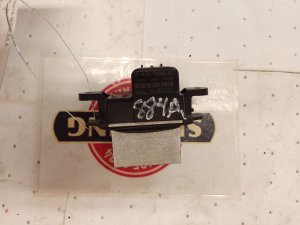
Used OEM Parts in Stock
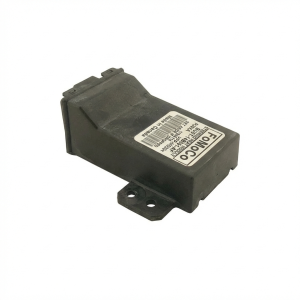
New Aftermarket Parts Available

The information in this article is provided for general reference and educational purposes only. Vehicle specifications, procedures, and part compatibility can vary by production date, trim level, and region. Always consult your vehicle's factory service manual and verify part numbers before purchasing or performing repairs. Safety-critical components such as airbags, seat belts, and braking systems should be installed by a qualified professional.
- Ford Flex:
- 🧭 Diagnostic Flowchart
- 🎬 Helpful Videos
- 🛍️ Shop This Part
- What's Unique About the 2009-2019 Ford Flex
- Symptoms You May Notice
- Most Likely Causes
- Rare But Worth Checking
- Technical Service Bulletins (TSBs) & Recalls
- Diagnosis Steps
- Parts You'll Likely Need
- Related Codes That Often Appear With This One
- Mechanic-Grade Diagnostic Values
- Hidden / Shadow Codes Worth Checking
- Scan Tool Commands That Help
- Wiring & Ground Locations
- Real Owner Repair Stories
- Documented NHTSA Reports
- "I Checked Everything" — The Actual Cause
- OEM Part Supersession History
- Model Year Variations Within This Range
- Other Known Issues on This Vehicle
- Used vs. New Parts: Buying Guide for This Vehicle
- Real Owner Stories
- 2019 Ford Flex
- 2014 Ford Flex
- Related OBD-II Codes
- Frequently Asked Questions
- 🎟️ Get 5% Off