

U0442 on 2009-2014 Ford F-150: Invalid Data from BCM 'B'
This code indicates that the Powertrain Control Module (PCM) received invalid data from the Body Control Module (BCM). The most common causes are a weak battery, corroded ground connections, or water intrusion into the BCM, often from a leaking third brake light or windshield.
- Before suspecting expensive modules, always test the battery and check for clean, tight connections. Low voltage is the most common cause of communication codes.
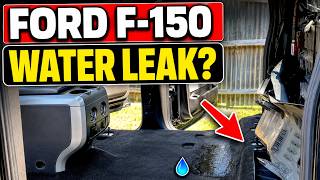
- On a 2009-2014 F-150, if you have code U0442 and other weird electrical problems, immediately check for water leaks in the cab, especially around the passenger footwell and third brake light.
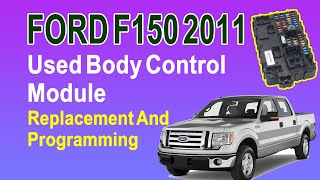
- The Body Control Module (BCM) is a likely culprit, but it must be confirmed with proper diagnostics. It is not a simple plug-and-play part; a replacement requires programming by a dealer or a well-equipped shop.
- Fixing the water leak is just as important as replacing the damaged part. If you replace the BCM without sealing the leak, the new part will also fail.
What's Unique About the 2009-2014 Ford F-150
For the 2009-2014 F-150 (12th generation), electrical issues related to the Body Control Module are frequently linked to water leaks. The BCM is located in the passenger-side kick panel, making it highly vulnerable to moisture dripping down from a poorly sealed windshield or a leaking third brake light gasket on the cab roof. This water intrusion is a well-documented issue that causes corrosion on the BCM connectors and internal failure, leading to a host of communication codes like U0442. Forum users consistently report finding green, corroded pins on BCM connectors after experiencing bizarre electrical problems.
Symptoms You May Notice
- Check Engine Light is on
- Multiple, unrelated warning lights on the dashboard (e.g., ABS, airbag, traction control).
- Erratic electrical functions: lights flickering, power windows/locks not working, or activating on their own.
- Horn blaring or not working at all.
- Key fob stops working or car alarm triggers randomly.
- Engine refuses to crank or start (no-start condition).
- Rapid battery drain when the truck is off (parasitic draw).
- Gauges on the instrument cluster behaving erratically or going dead.
- Replacing the PCM when the issue is with the BCM or its wiring.
- Replacing the BCM without first confirming it has stable power and ground, and without fixing the water leak that caused the original failure.
Most Likely Causes
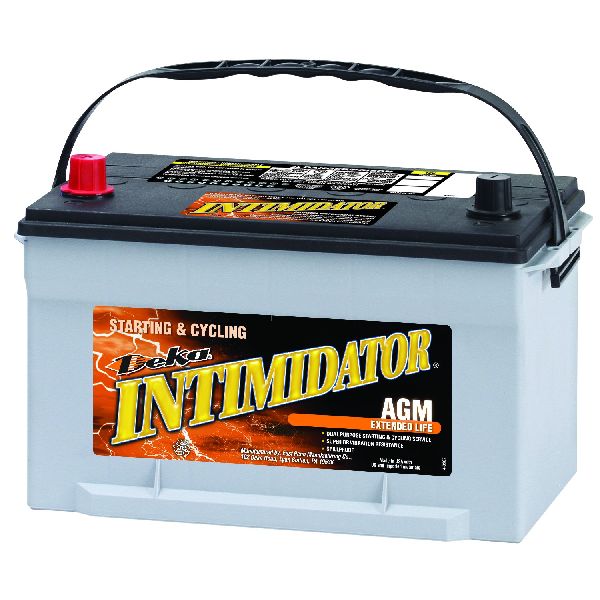
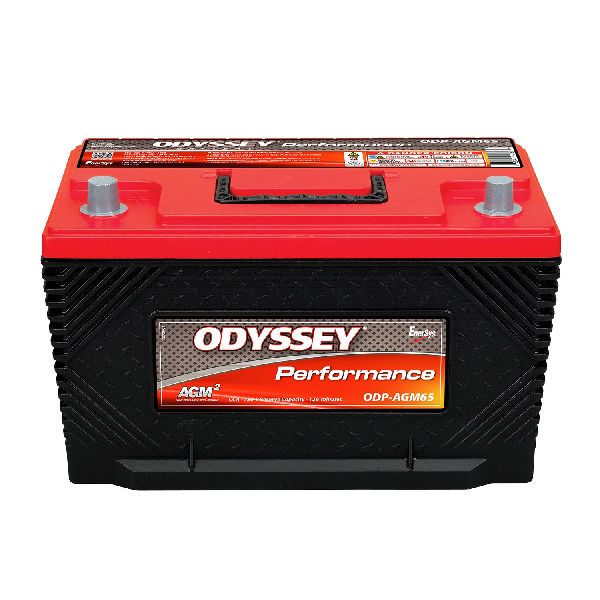
- Weak or Failing Battery 🔴 High Probability → Shop Vehicle Battery Low system voltage is a primary cause of module communication errors across all modern vehicles. During startup, a weak battery's voltage can dip below the stable threshold (typically 10V) needed by the modules, corrupting data and triggering codes like U0442.
How to confirm: Test the battery with a multimeter or a load tester. A healthy, fully charged battery should read ~12.6V with the engine off and maintain above 10V during cranking. Check the running voltage; it should be between 13.5V and 14.5V.
Typical fix: Replace the battery and clean the terminals.
Est. part cost: $150-$300 - Water Intrusion into Body Control Module (BCM) 🔴 High Probability → Shop Body Control Module The BCM is located in the passenger kick panel, directly in the path of common water leak paths from the windshield or the third brake light gasket. 🎬 Watch: How to fix a leaking third brake light Water from a leaking third brake light can run down the C-pillar and pool in the channel under the passenger door sill, directly affecting the BCM and its wiring.
How to confirm: Inspect the passenger side footwell carpet and headliner for dampness or water stains. Remove the passenger kick panel and sill plate and visually inspect the BCM and its electrical connectors for signs of moisture or blue/green corrosion.
Typical fix: First, fix the source of the water leak (e.g., reseal windshield, replace third brake light gasket). Then, disconnect the battery, remove the BCM, and attempt to clean the connectors and pins with an electrical contact cleaner. If corrosion is severe or the module is internally damaged, the BCM must be replaced and programmed.
Est. part cost: $300-$800 for a new BCM - Corroded or Loose Ground Wires 🟡 Medium Probability F-150s have several key chassis ground points. Over time, exposure to moisture and road salt can cause these connections to corrode, creating high resistance and unstable voltage for various modules. The main ground point for the BCM area is often cited as G300, located behind the passenger kick panel.
How to confirm: Locate the main BCM ground points (G300 is near the BCM itself). Check for tightness and signs of corrosion. Perform a voltage drop test on the ground circuit to confirm a solid connection (less than 0.2V drop is ideal).
Typical fix: Remove the ground connection, clean all contact surfaces (wire lug and chassis) to bare metal, apply dielectric grease, and re-secure tightly.
Est. part cost: $1-$5 for cleaning supplies
Rare But Worth Checking
- Damaged CAN Bus Wiring: While less common than power/ground issues, a wire in the communication network could be chafed, pinched, or broken, especially if aftermarket accessories have been installed. This requires methodical testing of the network wires with a multimeter.
- Failing Alternator: An alternator producing unstable voltage (either too high or too low) can disrupt module communication. This is usually accompanied by a battery warning light and other charging system symptoms.
Diagnosis Steps
- Check and record any other stored DTCs.
- Test the battery and charging system. Ensure battery voltage is above 12.4V and alternator output is stable between 13.5V and 14.5V.
- Inspect all fuses related to the BCM and PCM.
- Inspect the passenger footwell and kick panel area for any signs of water intrusion. Check the headliner near the third brake light as well.
- Visually inspect the Body Control Module (BCM) and its connectors for corrosion or damage. Pay close attention to the pins mentioned in forum threads.
- Check the main power and ground connections at the BCM for tightness and corrosion. Specifically check ground point G300.
- If no obvious issues are found, the problem may be a faulty BCM, a software issue, or a break in the CAN bus wiring, which typically requires professional diagnosis with an advanced scan tool and oscilloscope.
Parts You'll Likely Need
- Body Control Module (BCM)
(OEM #AL3Z-15604-B (example, part number is VIN specific and may be superseded by others like DL3Z-15604-B))— This module is the most common point of failure for this code, usually due to internal damage from water intrusion or voltage spikes.
Trusted brands: Motorcraft
OEM price range: $300-$800
Aftermarket price range: $200-$500 (Remanufactured) - Battery — A weak or failing battery is the number one cause of random communication codes in modern vehicles.
Trusted brands: Motorcraft, Interstate, DieHard
OEM price range: $200-$350
Aftermarket price range: $150-$250 - Third Brake Light Gasket
(OEM #AL3Z-13A613-B (for the entire light assembly, aftermarket gaskets are sold alone))— The original foam gasket is a known failure point that allows water to leak into the cab, which can then run down to the BCM. This is a critical preventative fix.
Trusted brands: Ford, Dorman, Moforkit
OEM price range: $20-$40
Aftermarket price range: $15-$30
Related Codes That Often Appear With This One
- U0140 — This is a more general 'Lost Communication With Body Control Module' code that often appears with more specific invalid data codes like U0442.
- B-series or C-series codes — Since the BCM controls many body and chassis functions, you may see other codes related to specific systems (e.g., lighting, locks, ABS) that are receiving bad data from the BCM.
Technical Service Bulletins (TSBs) & Recalls
- Compliance Recall 12C23: Pertains to the 6R80 transmission's lead frame, which can cause communication errors. While not directly for U0442, a failing lead frame can disrupt the entire network.
Platform-Specific Known Issues
- A known issue on 2009-2014 F-150s is water leaking from the third brake light assembly on the back of the cab, which can damage modules located on the rear cab wall or run down to the BCM.
- Water leaks from a poorly sealed windshield can also drip directly into the area of the BCM in the passenger kick panel.
Mechanic-Grade Diagnostic Values
- CAN Bus Network Resistance — expected: ~60 Ohms. Failure: A reading of ~120 Ohms indicates an open circuit or one of the terminating resistors is offline. A reading near 0 Ohms indicates a short between the CAN High and CAN Low wires.
- Battery Voltage During Cranking — expected: Above 10.0 Volts. Failure: Voltage dropping below 10.0V during engine start indicates a weak battery, which is a primary cause of module data corruption and communication codes.
- CAN Bus Baud Rate (HS-CAN) — expected: 500 kbps. Failure: Incorrect baud rate settings in a module can cause communication failures across the network.
- Ground Circuit Voltage Drop — expected: Less than 0.2 Volts (200mV). Failure: A reading higher than 0.2V between the BCM ground pin and the negative battery terminal indicates high resistance in the ground circuit, which can cause module instability.
Hidden / Shadow Codes Worth Checking
- Uxxxx:XX: Ford uses a 2-digit failure type code as a suffix to the primary DTC. For example, U0442:82 indicates 'Alive/Sequence Counter Incorrect'. U0442:2F indicates 'Signal Erratic'. These provide more specific diagnostic information than the base code alone. (see via A professional scan tool like Ford's IDS or advanced aftermarket software like FORScan is required to view these suffix codes. Basic OBD-II readers will only show the primary U0442 code.)
Scan Tool Commands That Help
- FORScan / IDS: PATS Parameter Reset (Passive Anti-Theft System) — This is a mandatory security procedure after installing a new or used BCM. It links the new BCM to the PCM and the vehicle's keys. It requires a 10-minute security wait and two programmed keys to complete.
- FORScan / IDS: Programmable Module Installation (PMI) — Used with Ford's IDS to download the configuration data (As-Built data) from a failing BCM and upload it to the new replacement module. This ensures all vehicle options are correctly configured.
- FORScan / IDS: BCM Self-Test — This on-demand test commands the BCM to check its own internal circuits and report any specific internal failures, helping to confirm if the module itself is faulty.
- FORScan / IDS: BMS Reset (Battery Management System) — Must be performed after replacing the BCM or the vehicle's battery. It resets the battery's state-of-health parameters stored in the BCM, ensuring correct charging strategy and preventing premature battery failure.
Wiring & Ground Locations
- G300 — Behind the passenger side kick panel, near the BCM.. This is a primary ground point for the BCM. Corrosion or looseness here is a very common cause of unstable BCM operation and communication codes.
- G302 / G303 — G302 is near the right side of the instrument panel; G303 is in the driver's side kick panel area.. These are other major body ground points. While G300 is the most critical for the BCM, a problem at these other grounds can introduce electrical noise and voltage instability onto the entire network.
- C2280F — One of the main multi-pin connectors at the Body Control Module.. This connector contains the HS-CAN bus lines. Specifically, Pin 16 (VDB04, WH-BU wire) is CAN High and Pin 17 (VDB05, WH wire) is CAN Low. Corrosion or a loose pin here will directly interrupt communication between the BCM and PCM.
- OBD-II Connector (DLC) — Under the driver's side dashboard.. Pin 6 (CAN High) and Pin 14 (CAN Low) are used for network diagnostics. Technicians measure resistance and voltage here to assess the health of the entire CAN bus without accessing individual modules.
Real Owner Repair Stories
- CarKiller Forum User (2010 Ford F-150 5.4L) — No crank, no start, rapidly flashing anti-theft light, multiple communication codes including U0100 (Lost Communication with ECM/PCM).
❌ Tried (didn't work) Replaced the PCM and programmed two new keys., Replaced the instrument cluster with a used unit.
✅ What actually fixed it The root cause was a broken wire. A CAN bus resistance test at the OBD-II port showed 120 Ohms instead of the correct 60 Ohms, indicating an open circuit. Tracing the wiring revealed an open in the CAN Low wire between the OBD-II port (pin 14) and the PCM connector (pin 43). Repairing the wire restored the 60 Ohm resistance and fixed the communication issue. - YouTube User 'p ná' (2013 Ford F-150) — Hazard lights on for no reason, brake warning light on, 'low brake fluid' message, power locks inoperative, interior lights not working with door open.
✅ What actually fixed it The user replaced the BCM with a used unit and performed a 'Programmable Module Installation' with Ford's IDS software. This fixed all the original symptoms. However, it created a new problem: the heater controls became inoperative and new network codes appeared, indicating that even with programming, a used BCM from a different vehicle may have compatibility issues with other modules. This highlights the importance of using the exact correct part number and the risks of used electronics.
OEM Part Supersession History
AL3Z-15604-B (and others)→DL3Z-15604-B— Part revision and update by Ford.
Heads up: The part number DL3Z-15604-B is specified for F-150s built from July 15, 2013, onwards. Using a BCM from a different model year or feature set, even if it physically fits, can lead to inoperative systems (like heater controls) after programming. Always match the part number exactly or use the VIN to get the latest correct supersession from a Ford dealer.
Model Year Variations Within This Range
- 2013-2014: A BCM part number change occurred for trucks built after July 15, 2013, moving to part number DL3Z-15604-B. This coincides with the model year 2013 refresh that introduced MyFord Touch and other electronic changes, making BCM compatibility between early and late models in this generation critical.
- 2011-2014: The introduction of new engines (5.0L Coyote V8 and 3.5L EcoBoost V6) in 2011 brought significant changes to the powertrain control systems and network architecture compared to the 2009-2010 models. While the BCM's core function is similar, its interaction with the PCM is different, making diagnostics and part swaps across this boundary more complex.
Diagnostic Flowchart
Other Known Issues on This Vehicle
Issues unrelated to this code that are worth knowing about as an owner of this generation:
- Ford 5.4L 3-Valve Engine: Cam Phaser Rattle 🔴 High — Extremely common on 2009-2010 models with the 5.4L engine, often appearing after 60,000-80,000 miles. Caused by worn phasers, low oil pressure, or failing VCT solenoids, leading to a distinct diesel-like knocking sound at idle.
- Ford 3.5L EcoBoost (Gen 1): Timing Chain Stretch & Rattle 🔴 High — Common on 2011-2014 models, often presenting as a brief but loud rattle on cold starts. Caused by a stretched primary timing chain. If ignored, it can lead to catastrophic engine damage. (Ref: Ford issued TSBs for this issue, though the specific numbers vary by model year and build date.)
- Ford 3.5L EcoBoost (Gen 1): Intercooler Condensation 🟠 Medium — Primarily affects 2011-2012 models, especially in humid climates. Moisture builds up in the stock intercooler during long drives, and sudden acceleration can cause the engine to ingest this water, leading to a violent shudder, misfires, and loss of power. (Ref: Ford TSB 13-8-1 was released to address this by installing a new air deflector and reprogramming the PCM.)
- Electronic Power Assisted Steering (EPAS) Failure 🔴 High — Affects 2011-2014 models. The EPAS rack can fail suddenly, resulting in a complete loss of power steering assist and a 'Steering Assist Fault' message. This makes the truck extremely difficult to steer. (Ref: Safety Recall 14S09 was issued for a small batch of 2014 models, but failures are reported across all EPAS-equipped years.)
- 6R80 Transmission: Molded Lead Frame Failure 🔴 High — Common across 2011-2014 models. The internal molded lead frame, which contains the transmission range and speed sensors, can fail, causing erratic shifting, sudden downshifts to 1st or 2nd gear at highway speeds, or getting stuck in one gear. (Ref: Ford issued multiple customer satisfaction programs and recalls (e.g., 12C23) for this issue over various model years.)
Used vs. New Parts: Buying Guide for This Vehicle
When a used part is the smart pick: A used BCM is a high-risk, high-reward option that should only be considered by advanced DIYers or professionals with access to Ford's IDS software. It is not a plug-and-play part. While significantly cheaper, it absolutely requires the part number to be an exact match and must be reprogrammed for the vehicle's VIN and PATS security system.
Donor-vehicle mileage cap: roughly under 150000 miles for the part to have meaningful remaining life.
What to inspect on the donor part:
- Verify the part number sticker is present and is an exact match to the failed unit.
- Thoroughly inspect the module's casing and all connector pins for any signs of water damage, corrosion (blue/green crust), or physical damage.
- If possible, source from a vehicle in a dry climate to minimize the risk of pre-existing water damage.
OEM-only on this vehicle (don't cheap out):
- Body Control Module (BCM): Due to the complex, vehicle-specific programming required for the anti-theft system (PATS), remote functions, and optional features, using a new OEM Ford/Motorcraft part or a Ford-authorized remanufactured unit is strongly recommended to avoid compatibility nightmares.
Aftermarket brands forum-validated for this vehicle:
- For the related preventative repair, aftermarket third brake light gaskets from brands like 'Moforkit' are often considered superior to the OEM foam gasket as they use more durable materials.
Brands owners have reported issues with on this vehicle:
- Be extremely cautious of non-brand, generic remanufactured BCMs from online marketplaces. They often have high failure rates or cannot be properly programmed to the vehicle.
Real Owner Stories
Aggregated from forums and TSBs cited above. Mileages and costs reflect what owners reported in those sources.
2017 Ford F-150 Platinum
Symptoms: BCM nightmare involving water leaks and corrosion on the module.
What fixed it: Diagnosis of BCM corrosion caused by a water leak.
Cost: $1300-$1300
Source hint: https://www.f150forum.com/f38/water-leak-bcm-nightmare-2017-platinum-f150-506997/
2015 Ford F-150
Symptoms: Horn failure traced back to the BCM.
What fixed it: Identified water corrosion on a specific BCM pin (C2280F, pin 20).
Source hint: https://www.f150forum.com/f118/2015-f150-horn-bcm-issue-499974/
2009-2014 Ford F-150
Symptoms: Electrical problems described as a '90s rave' due to the BCM getting soaked.
What fixed it: Addressing a windshield leak that was dripping directly onto the BCM in the passenger kick panel.
Source hint: https://www.reddit.com/r/Ford/comments/17g4g23/psa_f150_windshield_and_bcm_concerns/
Related OBD-II Codes
Frequently Asked Questions
Could the 6R80 transmission lead frame recall (12C23) be related to my U0442 code?
Why is my 2009-2014 F-150 horn failing or the alarm going off randomly alongside this code?
I have a 2011 F-150 with a 'Steering Assist Fault' and U0442; are they connected?
Can a weak battery really cause a U0442 communication code on my truck?
Where is the most common ground point to check for BCM issues on the 2009-2014 F-150?
Helpful Videos


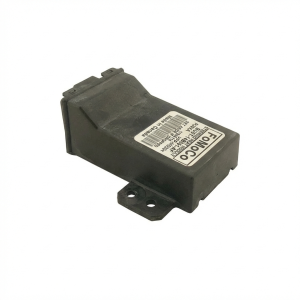
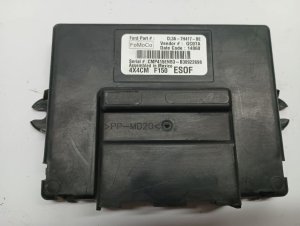
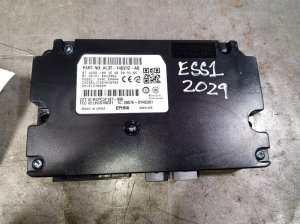
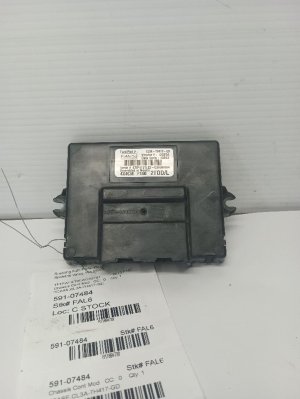
Used OEM Parts in Stock
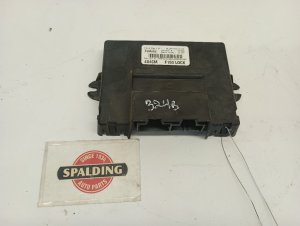
New Aftermarket Parts Available

The information in this article is provided for general reference and educational purposes only. Vehicle specifications, procedures, and part compatibility can vary by production date, trim level, and region. Always consult your vehicle's factory service manual and verify part numbers before purchasing or performing repairs. Safety-critical components such as airbags, seat belts, and braking systems should be installed by a qualified professional.
- Ford F-150:
- 🧭 Diagnostic Flowchart
- 🎬 Helpful Videos
- 🛍️ Shop This Part
- What's Unique About the 2009-2014 Ford F-150
- Symptoms You May Notice
- Most Likely Causes
- Rare But Worth Checking
- Diagnosis Steps
- Parts You'll Likely Need
- Related Codes That Often Appear With This One
- Technical Service Bulletins (TSBs) & Recalls
- Platform-Specific Known Issues
- Mechanic-Grade Diagnostic Values
- Hidden / Shadow Codes Worth Checking
- Scan Tool Commands That Help
- Wiring & Ground Locations
- Real Owner Repair Stories
- OEM Part Supersession History
- Model Year Variations Within This Range
- Other Known Issues on This Vehicle
- Used vs. New Parts: Buying Guide for This Vehicle
- Real Owner Stories
- 2017 Ford F-150 Platinum
- 2015 Ford F-150
- 2009-2014 Ford F-150
- Related OBD-II Codes
- Frequently Asked Questions
- 🎟️ Get 5% Off