

U0442 on 2009-2019 Ford Flex: Invalid BCM Data Causes and Fixes
Code U0442 on a Ford Flex means the Body Control Module (BCM) is sending corrupt data. This is most often caused by water leaking onto the BCM/SJB in the driver's footwell from clogged sunroof drains or bad A-pillar seals, a weak battery, or a wiring issue. Check for water damage and test the battery before considering a BCM replacement, which requires professional programming.
- U0442 on a Ford Flex points to a data problem with the Body Control Module (BCM), located in the driver's footwell.
- Before suspecting the BCM itself, check for the two most common causes: water leaking into the driver's footwell and a weak or failing battery.
- Visually inspect the BCM and its connectors for any green or white corrosion, which is a clear sign of water damage.
- Do not confuse this with the similar-sounding P0442 code, which is an unrelated EVAP system leak.
- If the BCM needs to be replaced, it must be programmed by a dealer or a qualified shop; it is not a DIY-friendly part to swap.
What's Unique About the 2009-2019 Ford Flex
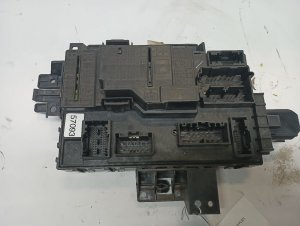
On the Ford Flex, the Body Control Module (BCM) is integrated with the interior fuse panel and is located in the driver's side footwell, tucked under the dashboard. This specific location makes it extremely vulnerable to water damage from common platform issues like clogged sunroof drains or leaking A-pillar/cowl body seams. Consequently, many instances of U0442 on the Flex are not due to a random electronic failure but are a direct result of water intrusion causing corrosion on the BCM's connectors and internal circuit board. This is a well-documented issue on owner forums.
Symptoms You May Notice
- Erratic or non-functional power windows, door locks, or mirrors
- Interior or exterior lights (headlights, turn signals) flickering or not working
- Windshield wipers behaving abnormally or failing to operate
- Remote keyless entry not working
- Multiple warning lights appearing on the dashboard (ABS, Airbag, Traction Control)
- Parasitic battery drain leading to a dead battery
- Vehicle may not start (crank-no-start condition)
- "Door Ajar" light stays on even when all doors are closed.
- Loss of communication with other modules, triggering a cascade of 'U' codes.
- Replacing individual components like light bulbs, window motors, or switches without first checking for a network code. The U0442 code indicates the problem lies with the central controller (BCM), not necessarily the end components.
- Replacing the battery without addressing an underlying parasitic drain caused by a faulty BCM. The new battery will also be drained over time.
- Replacing the PCM (Powertrain Control Module) when the code clearly indicates the issue is with 'Module B', the BCM.
Most Likely Causes
- Water Intrusion into Body Control Module (BCM) 🔴 High Probability → Shop Body Control Module The BCM is located in the driver's footwell, directly in the path of water from known leak points like clogged sunroof drains, degraded cowl/A-pillar body seams, or a poorly sealed windshield.
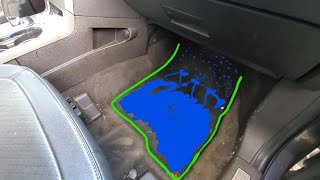
How to confirm: Peel back the carpet in the driver's footwell and inspect for dampness, water stains, or a musty smell. Visually inspect the BCM/SJB and its electrical connectors for any signs of green or white corrosion. A water test using a garden hose (not a pressure washer) on the roof and windshield area can help reveal the leak source.
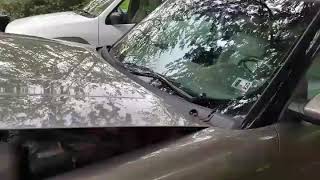
Typical fix: First, the source of the water leak must be found and repaired. Common fixes include clearing sunroof drains with compressed air 🎬 Watch: How to clean clogged cowl drains or flexible wire, or resealing body seams at the A-pillar and cowl area with automotive seam sealer. The BCM and its connectors must be disconnected, cleaned of all corrosion with electrical contact cleaner, and dried thoroughly. If cleaning does not restore function, the BCM must be replaced and programmed.
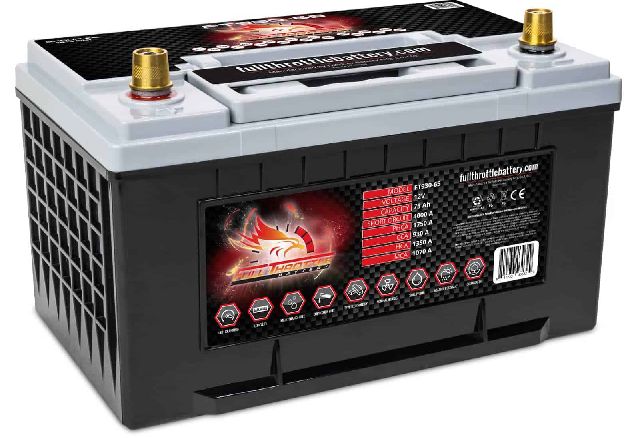
Est. part cost: $10 (sealant/cleaner) - $500 (BCM) - Weak or Failing Battery 🟡 Medium Probability → Shop Vehicle Battery Modern vehicles with multiple computer modules are highly sensitive to system voltage. A weak battery that drops below 12.2V at rest or below 10V during cranking can cause data corruption and communication errors between modules. A failing BCM can also cause a parasitic drain that kills the battery, creating a chicken-and-egg scenario.
How to confirm: Test the battery with a multimeter. A healthy battery should read ~12.4V or higher at rest. Check the voltage while cranking the engine; if it drops below 10V, the battery is weak and likely a contributing cause. Even if the battery tests well, it's worth load testing it to be certain.
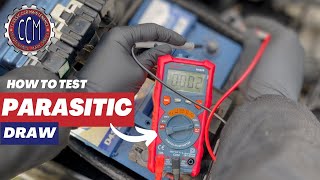
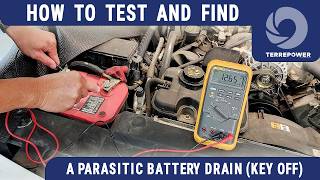
Typical fix: Replace the vehicle's battery. If a parasitic drain is suspected, perform a parasitic draw test to confirm 🎬 Watch: The easiest way to test parasitic draw the BCM is the source of the drain.
Est. part cost: $150-$250 - Corroded or Damaged BCM Wiring/Connectors 🟡 Medium Probability Often a direct result of water intrusion, the pins and wires in the connectors for the BCM can corrode, creating high resistance or short circuits that corrupt data signals. The location in the footwell also makes them susceptible to damage from kicking or debris.
How to confirm: After disconnecting the battery, unplug the electrical connectors from the BCM. Carefully inspect each pin and socket for signs of corrosion, moisture, or physical damage (bent or pushed-out pins). Tug gently on the wires to ensure they are secure in the connector.
Typical fix: Clean minor corrosion with an electrical contact cleaner and a small brush. Damaged connectors or terminals may need to be professionally repaired or replaced with a new pigtail.
Est. part cost: $10-$150 - Failed Body Control Module (BCM) ⚪ Low Probability → Shop Body Control Module
How to confirm: This is a diagnosis of exclusion. If the battery is good, there is no evidence of water damage, and all wiring/connections are confirmed to be intact, the BCM itself has likely failed internally due to an electronic fault.
Typical fix: Replace the Body Control Module and have it professionally programmed to the vehicle's VIN and specific options.
Est. part cost: $300-$600
Diagnosis Steps
- Check the Battery: Start by fully charging and load testing the battery. Ensure it maintains at least 12.4 volts at rest and doesn't drop below 10 volts during cranking. A weak battery is a very common cause of network codes.
- Scan for All Codes: Use a high-quality OBD-II scanner capable of reading manufacturer-specific codes (like FORScan) to check for any other 'U' codes or codes from other modules. Document all codes before clearing.
- Inspect for Water Intrusion: This is the most critical step for a Ford Flex. Pull back the driver's side carpet and remove the kick panel to thoroughly inspect the area around the BCM/SJB for any signs of moisture, staining, or corrosion.
- Perform a Water Leak Test: If the area is dry but suspicious, have a helper run water over the sunroof, windshield, and A-pillar area with a hose (no nozzle) while you watch for leaks inside with a flashlight.
- Inspect BCM Connectors: Disconnect the battery. Unplug the large electrical connectors from the BCM. Inspect them closely for green or white corrosion, discoloration from heat, or any bent/damaged pins.
- Clean and Test: If corrosion is found, clean the terminals with electrical contact cleaner and a small brush. Apply dielectric grease to the connectors before reassembly. Reconnect everything, clear the codes, and see if the problem returns.
- Check for TSBs: Search for Technical Service Bulletins related to water leaks in the A-pillar or cowl area for your specific model year. While no TSB is specific to U0442, TSBs for other models like 21-2403 and 19-2345 describe similar leak-sealing procedures.
- Professional Diagnosis: If the steps above do not resolve the issue, the problem likely requires professional diagnosis of the CAN bus wiring with an oscilloscope or a BCM replacement and programming by a dealer or qualified independent shop.
Parts You'll Likely Need
- Body Control Module (BCM) / Smart Junction Box (SJB)
(OEM #BA8Z-15604-B (Example, varies by year/options, check with VIN). Other examples include DG1T-14C689-EA for 2013-2016 models and AL8T-15T850-CG for 2010 models.)— This module is the source of the invalid data. It often fails due to internal water damage or electronic failure and is the ultimate fix if wiring and power issues are ruled out.
Trusted brands: Motorcraft (OEM), Dorman (Remanufactured)
OEM price range: $350-$500
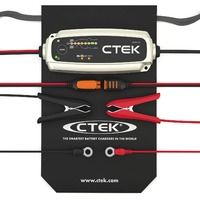
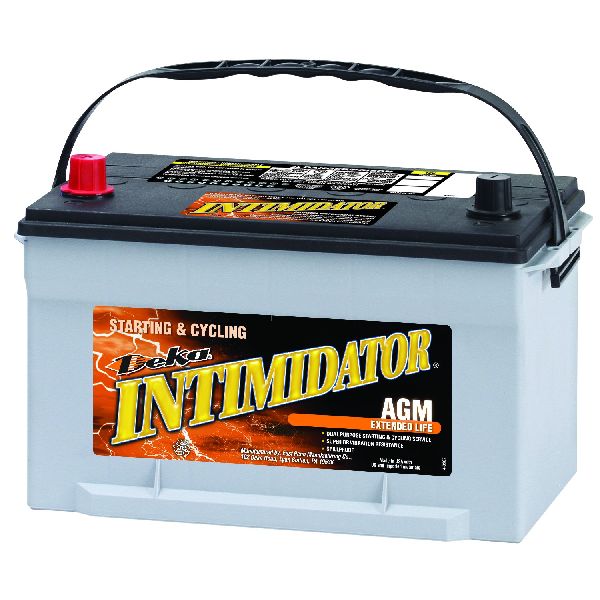
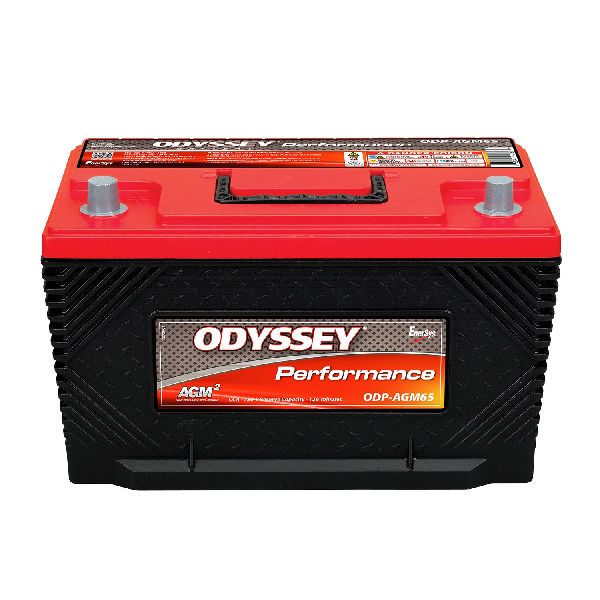
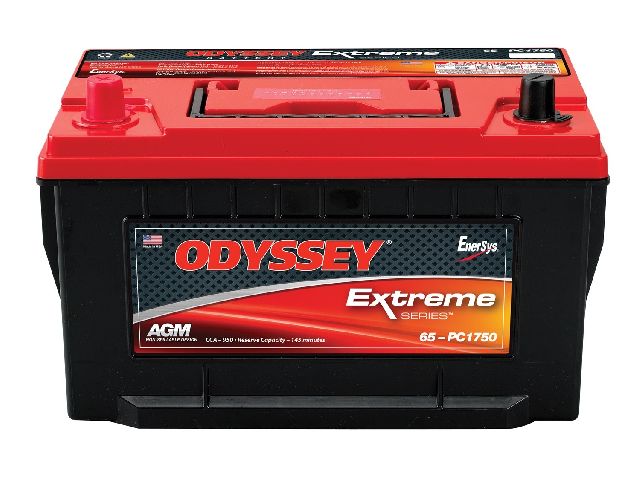
Aftermarket price range: $200-$400 (Refurbished) - Automotive Battery — Low system voltage from a weak battery is a very common cause of data corruption codes on modern vehicles.
Trusted brands: Motorcraft, Interstate, DieHard
OEM price range: $200-$275
Aftermarket price range: $150-$225 - Automotive Seam Sealer / 3M Strip-Calk — Used to repair the source of water leaks in the A-pillar and cowl body seams, which is a primary cause of BCM failure on the Flex.
Trusted brands: 3M, Permatex
OEM price range: $20-$40
Aftermarket price range: $15-$30
Related Codes That Often Appear With This One
- U0140 — U0140 means 'Lost Communication With Body Control Module'. If U0442 (invalid data) appears, a more severe fault can lead to U0140, where the module stops communicating entirely.
- Multiple 'U' codes — A faulty BCM can disrupt the entire CAN bus network, causing communication failures with many other modules, resulting in a cascade of U-prefix codes.
Technical Service Bulletins (TSBs) & Recalls
- While no TSB is directly for U0442 on the Flex, TSBs for other Ford vehicles describe the root cause. TSB 21-2403 for the Bronco and TSB 19-2345 for the F-150 detail procedures for sealing A-pillar and cowl body seams to fix water leaks into the cabin, a procedure directly applicable to the Flex's issue.
Platform-Specific Known Issues
- The Ford Flex is known to develop water leaks from clogged sunroof drains, which allows water to run down the A-pillar and drip directly onto the Body Control Module, causing corrosion and leading to this code.
- Another common leak point is the factory body seams in the cowl and A-pillar area, which can degrade over time and allow water to enter the cabin, soaking the BCM.
Mechanic-Grade Diagnostic Values
- CAN Bus Network Resistance — expected: ~60 Ohms (± 3 Ohms). Failure: A reading of ~120 Ohms indicates one of the two terminating resistors is offline (e.g., a module is disconnected or internally failed). A reading of 0 Ohms or very low resistance indicates a short between the CAN High and CAN Low wires.
- CAN High Voltage to Ground — expected: ~2.6 Volts (recessive state). Failure: Significant deviation from this voltage, 0V, or battery voltage indicates a network fault (short to ground, short to power, etc.).
- CAN Low Voltage to Ground — expected: ~2.4 Volts (recessive state). Failure: Significant deviation from this voltage, 0V, or battery voltage indicates a network fault.
- BCM Ground Resistance — expected: < 0.5 Ohms. Failure: Higher resistance indicates a poor ground connection, which can cause unstable module operation and data corruption.
Scan Tool Commands That Help
- FORScan: BCM Self-Test — To command the Body Control Module to run an internal diagnostic routine. This can sometimes reveal specific fault details that don't set a general DTC.
- FORScan / Ford IDS: Programmable Module Installation (PMI) — When replacing the BCM. This function copies the As-Built data configuration from the old module and writes it to the new one. This is essential for configuring vehicle options correctly.
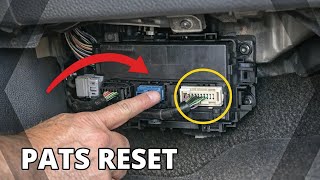
- FORScan / Ford IDS: PATS Parameter Reset — This is a mandatory step after installing a new or used BCM. It performs the security handshake between the BCM, PCM, and keys. It involves a 10-minute security wait and requires two valid keys.
- FORScan: Reset BCM — This command can clear temporary faults within the BCM's internal processors (FETs). If a circuit was temporarily overloaded, this reset might restore its function without needing to clear all DTCs or cycle the battery.
Wiring & Ground Locations
- G200 — Right front of the center console.. This is a primary interior ground point. A loose or corroded G200 can cause a wide range of erratic electronic behaviors, including issues with modules like the BCM that are grounded through this point.
- G201 — Located in the driver's side footwell, near the kick panel, sometimes described as below the headlamp switch.. This is a critical ground point for many components in the driver's side dash area. Its proximity to the BCM and potential water leak paths makes its integrity crucial for stable BCM operation.
- G300 / G302 — Located at the right 'D' pillar (G300) and left 'D' pillar (G302) respectively, in the rear of the vehicle.. These grounds are for rear body components (e.g., liftgate module, rear lights). While not a direct cause of U0442, a fault in a module grounded here could flood the CAN bus with errors, which might be misinterpreted by other modules.
- BCM Connector C2280C, Pin 10 — One of the large multi-pin connectors on the Body Control Module itself.. This is a specific ground pin (BK-WH wire) for the BCM. Verifying a solid ground at this exact pin is a key diagnostic step when suspecting a module or wiring issue.
Real Owner Repair Stories
- Ford Flex Forum user (2014 Ford Flex) — All four windows would not roll up or down, and the sunroof would not open.
❌ Tried (didn't work) Replaced the master window switch.
✅ What actually fixed it The vehicle was taken to a dealer who diagnosed that the Body Control Module (BCM) needed to be replaced. The failure was attributed to water damage, a common issue for the Flex.
OEM Part Supersession History
8A8Z-15604-A→BA8Z-15604-B— Revision and update for early model year Ford Flex (approx. 2009).
Heads up: The newer part number is the correct service replacement for the older one. Using a salvaged part with the old number may re-introduce original design flaws.9A8Z-15604-A→BA8Z-15604-B— Revision and update for early model year Ford Flex (approx. 2009).
Heads up: The newer part number is the correct service replacement for the older one.
Model Year Variations Within This Range
- 2013-2019: The 2013 model year introduced a significant facelift with updated exterior and interior styling, including changes to the center stack (MyFord Touch). While the BCM's location and core function remained the same, the specific part numbers and software configurations may differ from the 2009-2012 models. Always verify the part number with the vehicle's VIN.
Diagnostic Flowchart
Other Known Issues on This Vehicle
Issues unrelated to this code that are worth knowing about as an owner of this generation:
- Internal Water Pump Failure (3.5L Duratec V6) 🔴 High — Common after 80,000-150,000 miles. Failure can be premature.
- Power Transfer Unit (PTU) Overheating and Failure (AWD Models) 🔴 High — Can occur as early as 50,000 miles, very common by 100,000 miles. (Ref: TSB 19-2017 (for leaks))
- Defective Door Latch / 'Door Ajar' Light 🟠 Medium — Widespread across many Ford models of this era, including the Flex. (Ref: NHTSA Recalls 16S30, 20S30, 23S36)
- Electric Power Assisted Steering (EPAS) Failure 🔴 High — Most common on 2011-2013 models but can affect others. (Ref: Recall 15S18 / NHTSA Campaign 15V340000)
Used vs. New Parts: Buying Guide for This Vehicle
When a used part is the smart pick: A used Body Control Module (BCM) from a salvage yard is a very cost-effective option, especially since the primary failure mode (water damage) is often related to the specific vehicle's maintenance (clogged drains) rather than a universal part defect. A used part from a dry, non-corroded donor vehicle can be a perfectly good replacement.
Donor-vehicle mileage cap: roughly under 150000 miles for the part to have meaningful remaining life.
What to inspect on the donor part:
- Check the donor vehicle's CarFax or history for flood or water damage titles. Avoid these completely.
- Physically inspect the used BCM before purchase. Look for any signs of white or green crust (corrosion) on the connectors and pins.
- Check for any signs of a musty smell or water lines on the BCM casing or the surrounding fuse box plastic.
- Ensure the part number on the used BCM exactly matches the original part number from your vehicle, or is a known compatible supersession.
OEM-only on this vehicle (don't cheap out):
- While the physical BCM can be sourced from aftermarket or used, the programming is the critical step. There is no true 'plug-and-play' aftermarket BCM that doesn't require some form of programming or cloning.
Aftermarket brands forum-validated for this vehicle:
- Dorman (Remanufactured)
- Cardone (Remanufactured)
- Module Mechanics (Rebuilt OEM)
- AutoECMs (Refurbished)
Brands owners have reported issues with on this vehicle:
- Unknown 'pre-programmed' units from online marketplaces without a clear warranty or support for the PATS key relearn process. Some services offer cloning, which can work well, but require you to send in your old module.
Real Owner Stories
Aggregated from forums and TSBs cited above. Mileages and costs reflect what owners reported in those sources.
Ford Flex
Symptoms: Bizarre electrical problems including U-codes and water in the driver's footwell.
What fixed it: Finding and sealing leaks from sunroof drains or windshield seals, then cleaning or replacing the BCM.
Source hint: fordflex.net: Multiple threads discuss the link between water leaks in the driver's footwell and bizarre electrical problems
Ford Flex
Symptoms: Water stain on the A-pillar and electrical problems.
What fixed it: Traced to a bad windshield seal or clogged drains.
Source hint: Reddit r/FordFlex: A thread titled 'Leak in ford flex'
Lincoln MKT
Symptoms: Significant water leak issues leading to electrical problems and soaked floorboards.
What fixed it: Repairing water leaks and addressing module failures caused by the D4 platform's body construction.
Source hint: Lincoln MKT (Shared Ford D4 platform)
Related OBD-II Codes
Frequently Asked Questions
Is there a specific TSB for code U0442 on my Ford Flex?
Why does my Ford Flex have a 'Door Ajar' light and flickering headlights along with this code?
Can a weak battery cause U0442 communication errors in a Ford Flex?
Where is the BCM located in the Ford Flex so I can check for water damage?
How can I test if my sunroof drains are causing the electrical issues?
Does the Ford Taurus or Lincoln MKT suffer from the same U0442 issues as the Flex?
Helpful Videos
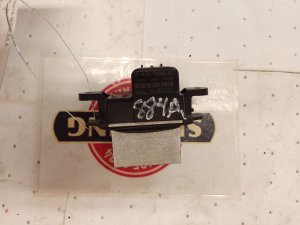
Used OEM Parts in Stock
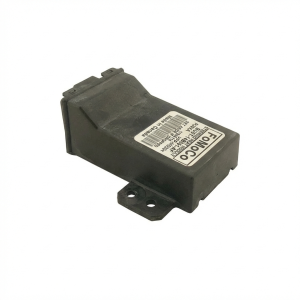
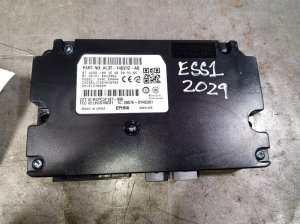
New Aftermarket Parts Available

The information in this article is provided for general reference and educational purposes only. Vehicle specifications, procedures, and part compatibility can vary by production date, trim level, and region. Always consult your vehicle's factory service manual and verify part numbers before purchasing or performing repairs. Safety-critical components such as airbags, seat belts, and braking systems should be installed by a qualified professional.
- Ford Flex:
- 🧭 Diagnostic Flowchart
- 🎬 Helpful Videos
- 🛍️ Shop This Part
- What's Unique About the 2009-2019 Ford Flex
- Symptoms You May Notice
- Most Likely Causes
- Diagnosis Steps
- Parts You'll Likely Need
- Related Codes That Often Appear With This One
- Technical Service Bulletins (TSBs) & Recalls
- Platform-Specific Known Issues
- Mechanic-Grade Diagnostic Values
- Scan Tool Commands That Help
- Wiring & Ground Locations
- Real Owner Repair Stories
- OEM Part Supersession History
- Model Year Variations Within This Range
- Other Known Issues on This Vehicle
- Used vs. New Parts: Buying Guide for This Vehicle
- Real Owner Stories
- Ford Flex
- Ford Flex
- Lincoln MKT
- Related OBD-II Codes
- Frequently Asked Questions
- 🎟️ Get 5% Off