

U0442 on 2010-2014 Ford Mustang: BCM Communication Error Causes & Fixes
On a 2010-2014 Mustang, code U0442 is most often caused by a weak battery or water damage to the Body Control Module (BCM), also called the Smart Junction Box (SJB), located in the passenger footwell. The water leak is a known platform flaw from clogged cowl drains. Check for damp carpets and test the battery before suspecting the module itself. A replacement BCM costs $200-$400 plus $150-$300 for mandatory dealer programming.
- Do not confuse U0442 (BCM communication error) with P0442 (EVAP leak). They are completely different problems.
- Before any complex diagnosis, test the battery. Low voltage is a very common cause for this code.
- The most likely cause on a 2010-2014 Mustang is water damage to the Body Control Module (BCM) in the passenger kick panel.
- Check for damp carpets in the passenger footwell and inspect the BCM connectors for green or white corrosion.
- Replacing the BCM requires professional programming; it is not a simple plug-and-play part.
What's Unique About the 2010-2014 Ford Mustang
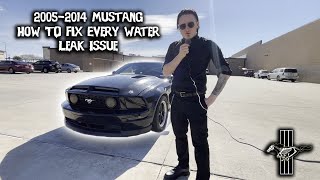
While U0442 is a generic network code, its appearance on the S197 Mustang platform (2005-2014) is frequently linked to a well-documented design flaw. The cowl drains under the windshield can clog with leaves and debris, causing rainwater to overflow and leak into the passenger-side footwell. 🎬 Watch: How to fix every Mustang water leak issue This water drips directly onto the BCM/SJB and its electrical connectors (specifically the large, gray C2280B connector is often cited), causing corrosion and leading to the exact kind of data corruption that triggers a U0442 code. This issue is so persistent it has been noted on the S197 platform for over a decade. It is critical not to confuse this code with the very common P0442, which indicates a small leak in the EVAP (emissions) system, often from a bad fuel filler neck seal on these cars.
Symptoms You May Notice
- Check Engine Light is on
- Erratic or non-functioning instrument cluster gauges
- Headlights, turn signals, or hazard lights not working or staying on
- HVAC (Air Conditioning/Heater) system is inoperative
- Power windows or locks behaving erratically or not working
- Key fob not responding or issues with the anti-theft system (PATS)
- Parasitic battery drain that kills the battery when parked
- Multiple random warning lights appearing on the dashboard (e.g., 'BRAKE', 'TPMS Failure', 'Service AdvanceTrac')
- Wipers turning on by themselves or not working at all
- Replacing individual components like the headlight switch or wiper motor when they are not the root cause. The BCM controls these items, and its failure makes it seem like they have failed.
- Confusing U0442 (BCM data error) with P0442 (EVAP leak). They are completely unrelated problems despite the similar code number.
Most Likely Causes
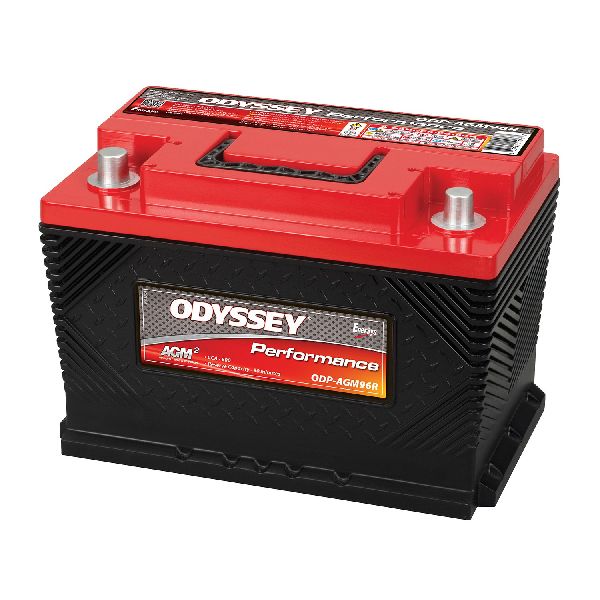
- Weak or Failing Battery 🔴 High Probability → Shop Vehicle Battery Low system voltage is a leading cause of data corruption on any modern vehicle. As the battery ages, its voltage can dip significantly during startup, causing modules to send invalid data. This should always be the first check.
How to confirm: Test the battery with a multimeter or an electronic battery tester. A healthy, resting battery should be at 12.4-12.6V. Check the voltage during engine cranking; if it drops below 10.5V, the battery is weak and likely the cause.
Typical fix: Replace the battery.
Est. part cost: $150-$250 - Corroded BCM/SJB Connectors due to Water Leak 🔴 High Probability This platform is known for clogged cowl/wiper drains, which causes water to leak directly onto the BCM (SJB) in the passenger kick panel, corroding the terminals. This is the most famous failure point for this code on this car.
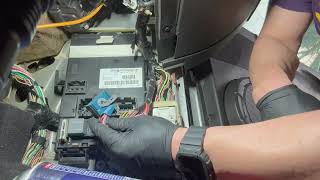
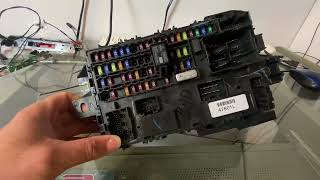
How to confirm: Peel back the carpet in the passenger footwell and feel for any dampness. Unplug the large electrical connectors from the BCM/SJB (especially C2280B) and visually inspect the pins and sockets for green or white corrosion. 🎬 Watch: Diagnosing Mustang Smart Junction Box connector issues A YouTube video by 'Carma Automotive' titled 'How to fix water leak for free in passenger footwell floor S197 Mustang' shows the exact location of the drain to clear.
Typical fix: Disconnect the battery. Carefully clean the corroded pins and connector terminals using an electrical contact cleaner and a small brush. Apply dielectric grease to the connectors before reassembly to prevent future moisture intrusion. The clogged drains under the cowl must also be cleared out. Some owners remove the rubber drain grommets entirely.
Est. part cost: $10-$20 - Failed Body Control Module (BCM/SJB) 🟡 Medium Probability → Shop Body Control Module Prolonged water exposure from the aforementioned leak can cause internal short circuits and permanent damage to the BCM itself. The problem is so common that it has even led to recalls on newer Mustang generations for the same issue.
How to confirm: This is typically diagnosed by exclusion. If the battery is good, the connectors are clean, and all power/ground wires to the module test good, the BCM itself is the likely culprit. A professional scan tool like FORScan may show a 'lost communication with BCM' error or be unable to communicate with the module at all.
Typical fix: Replace the Body Control Module and have the new unit programmed by a Ford dealer or qualified technician. Alternatively, send the original and a donor BCM to a cloning service.
Est. part cost: $200-$400 for the part, plus $150-$300 for programming/cloning.
Rare But Worth Checking
- Damaged CAN Bus Wiring: A wire in the network harness could be chafed, pinched, or shorted to ground somewhere in the vehicle, causing data corruption. This is less common than the BCM-specific issues but possible, especially if other recent work has been done on the car.
- Aftermarket Electronics: A poorly installed aftermarket alarm, remote start, or audio equipment can interfere with the MS-CAN bus and cause communication errors. These devices are often tapped into wiring near the BCM, creating a point of failure.
Diagnosis Steps
- Read all fault codes from all modules using a high-quality OBD-II scanner capable of reading Ford-specific 'U' codes, such as FORScan with a compatible adapter.
- Test the battery. Ensure it is fully charged (12.6V+) and holds voltage above 10.5V during cranking. A weak battery is the #1 cause of electronic issues. Replace if questionable.
- Inspect the passenger footwell and kick panel area for any signs of moisture or water stains. Peel back the carpet to check the padding underneath. This is the smoking gun for this platform.
- If any moisture is found, locate and clear the clogged cowl drains located under the plastic trim at the base of the windshield. There is one on each side. Many owners remove the rubber flap to prevent future clogs.
- Disconnect the negative battery terminal.
- Access the Body Control Module (BCM), also called the Smart Junction Box (SJB), in the passenger kick panel. Disconnect its electrical connectors (there are several).
- Carefully inspect the BCM and the connector pins for any green or white crust of corrosion. Pay close attention to the large gray connector, C2280B.
- If corrosion is found, clean it thoroughly with electrical contact cleaner and a small nylon brush. Allow it to dry completely and apply dielectric grease before reconnecting.
- If no issues are found with the battery or BCM wiring, the problem may be a faulty BCM or a wiring issue elsewhere in the vehicle, which requires professional diagnosis. A shop will verify power and ground signals at the BCM connectors before condemning the module.
Parts You'll Likely Need
- Body Control Module (Smart Junction Box)
(OEM #Varies by year/options. Common prefixes are AR3T- and BR3T-, e.g., AR3T-15604-BF. Must match part number exactly for replacement.)— This module is the source of the invalid data. It often fails due to internal damage from water intrusion, a known issue on this vehicle.
Trusted brands: Motorcraft (OEM)
OEM price range: $250-$450
Aftermarket price range: $150-$300 (Used/Remanufactured) - Battery — A weak or failing battery causes voltage drops that are a primary cause of module communication errors and data corruption.
Trusted brands: Motorcraft, Interstate, DieHard
OEM price range: $180-$250
Aftermarket price range: $150-$220 - Electrical Contact Cleaner & Dielectric Grease — Needed to clean corrosion from the BCM connectors caused by water leaks and to protect the connection from future moisture.
Trusted brands: CRC, Permatex
OEM price range: $15-$25
Aftermarket price range: $10-$20
Related Codes That Often Appear With This One
- U0140 — This code means 'Lost Communication With Body Control Module'. If U0442 (invalid data) is present, a total loss of communication (U0140) is also possible and points strongly to a BCM power, ground, or module failure.
- U0155 — Lost Communication With Instrument Panel Cluster (IPC) Control Module. Since the BCM routes many signals to the cluster, a BCM failure can interrupt this communication.
Technical Service Bulletins (TSBs) & Recalls
- TSB 08-26-7: Water Leak—Front Floor Area. Details procedures for diagnosing and repairing water leaks in the cowl area on 2005-2009 Mustangs, which is the same root cause for the 2010-2014 models.
- TSB 16-0074: 3.7L Engine - Coolant Pump Leak. Unrelated to U0442 but a key known issue for V6 owners.
- TSB 20-2233: Aluminum Panel Corrosion. Addresses the common hood paint bubbling issue.
Platform-Specific Known Issues
- The S197 Mustang platform is highly susceptible to water leaks into the passenger footwell caused by clogged cowl drains. This water drips directly onto the Body Control Module/Smart Junction Box, causing corrosion and electrical failures that manifest as communication errors.
Mechanic-Grade Diagnostic Values
- MS-CAN Bus Network Resistance — expected: ~60 Ohms. Failure: A reading of ~120 Ohms indicates an open circuit or a missing terminating resistor in a module (like the BCM or Instrument Cluster). A reading near 0 Ohms indicates a short between the CAN High and CAN Low wires.
- HS-CAN Bus Network Resistance — expected: ~60 Ohms. Failure: A reading of ~120 Ohms indicates an open circuit or a missing terminating resistor. A reading near 0 Ohms indicates a short between the CAN High and CAN Low wires.
- MS-CAN Bus Voltage (Key On, Engine Off) — expected: Varies, but CAN+ and CAN- should mirror each other around a central voltage.. Failure: A line stuck high (at 5V or 12V) or low (0V) indicates a short to power or ground.
- HS-CAN Bus Voltage (Key On, Engine Off) — expected: CAN High (Pin 6) to Ground: ~2.7V. CAN Low (Pin 14) to Ground: ~2.3V.. Failure: Voltages that are stuck high or low, or do not add up to approximately 5V, indicate a wiring fault or a faulty module transceiver.
Scan Tool Commands That Help
- Ford IDS / FDRS: Programmable Module Installation (PMI) — This function is mandatory when installing a new or used Body Control Module (BCM/SJB). It downloads the vehicle's specific 'As-Built' data from Ford's servers and configures the module with the correct VIN, security keys (PATS), and vehicle options.
- Ford IDS / FDRS: BCM Self-Test — This on-demand test queries the BCM for internal faults. It should be run after clearing codes to see if any hard faults are immediately detected by the module itself.
- FORScan: BCM As-Built Backup & Restore — Before attempting to replace a BCM, a technician can use FORScan to save the As-Built data from the original (even if faulty) module. This data can then be written to a replacement (used) module, effectively cloning it and avoiding the need for an expensive dealer visit.
Wiring & Ground Locations
- BCM / SJB — In the passenger-side kick panel, behind a trim cover.. This is the module setting the code. Its location makes it highly vulnerable to the common water leak from the cowl drains.
- Connector C2280B — The large, 52-pin gray lever-lock connector on the BCM/SJB.. This specific connector is the most frequently cited point of failure. Water from the cowl leak drips directly onto it, causing corrosion on pins related to power, ground, and CAN bus communication, triggering the U0442 code.
- G201 — On the passenger side kick panel, near the BCM/PCM area.. This is a primary ground point for the PCM. A poor connection here can cause unstable voltage and communication errors across the network.
- G300 — Next to the parking brake assembly on the driver's side.. While primarily for other components, all grounds contribute to the overall electrical stability of the vehicle. Intermittent ground issues can manifest as network codes.
- Engine Block to Chassis Ground — A braided strap or cable connecting the engine block (often near the starter or motor mount) to the vehicle's frame/chassis.. This is a main ground path for the entire electrical system, including the alternator. A corroded or loose connection here can cause system-wide voltage instability, leading to data corruption and 'U' codes.
Real Owner Repair Stories
- MustangForums.com user 'Burnhaven' (2006 Mustang (demonstrates identical S197 failure pattern)) — Intermittent failure of radio and windows. Later, the speedometer, tachometer, and wipers failed, followed by the engine quitting while driving.
❌ Tried (didn't work) Initially fiddling with the most accessible SJB connector seemed to work temporarily, but the problem returned and worsened.
✅ What actually fixed it The final diagnosis pointed to either a failing alternator or a bad Smart Junction Box (SJB). A key piece of advice from another user was to pull the SJB completely out and inspect ALL of its connectors (not just the easy one) for the tell-tale green corrosion from the water leak. The sequential failure of systems was a classic sign of either a corroding module or a failing charging system unable to keep up with electrical load.
OEM Part Supersession History
AR3T-15604-xx→BR3T-15604-xx (example)— Part revisions for reliability improvements or feature changes.
Heads up: Part numbers for the BCM/SJB must be matched EXACTLY when sourcing a replacement, especially a used one for cloning. Modules differ based on model year (2010 vs 2011+), body style (Coupe vs. Convertible), and option packages (base vs. premium). A physically identical module with the wrong part number will not program or function correctly.
Model Year Variations Within This Range
- 2010: The 2010 model used carry-over powertrains (4.0L V6, 4.6L V8) from the 2005-2009 generation, while having the refreshed body style. This can affect BCM part number compatibility.
- 2011-2014: These years introduced the new 3.7L V6 and 5.0L V8 engines, along with new 6-speed manual (MT82) and automatic (6R80) transmissions. These significant powertrain changes required different BCM software and potentially hardware, making part interchangeability with 2010 models unlikely.
- 2013-2014: A minor exterior facelift was introduced with a new front fascia and taillights. While the core electronics are similar to 2011-2012, features like updated infotainment or lighting could lead to different BCM part numbers. Always verify by the original part number.
Diagnostic Flowchart
Other Known Issues on This Vehicle
Issues unrelated to this code that are worth knowing about as an owner of this generation:
- MT82 Manual Transmission Issues 🔴 High — Common on 2011-2014 models with the 6-speed manual. Problems include high-RPM lockout, grinding, difficult shifting, and premature failure. This was the subject of a class-action lawsuit. (Ref: Multiple TSBs issued, but no full recall.)
- Aluminum Hood Corrosion 🟠 Medium — Widespread issue where paint bubbles and peels along the leading edge of the aluminum hood due to contamination during manufacturing. Affects many model years. (Ref: TSB 20-2233 (supersedes earlier versions))
- 3.7L V6 Water Pump Failure 🟠 Medium — Premature water pump failure on 2011-2014 V6 models, sometimes at low mileage. A related TSB suggests air entering the system is a cause. (Ref: TSB 16-0074)
- Takata Airbag Inflator Recall 🔴 High — Part of the massive global Takata recall. The driver and/or passenger airbag inflators can rupture during deployment, sending metal fragments into the cabin. (Ref: Ford Recall 19S01, 16S26, 15S21)
Used vs. New Parts: Buying Guide for This Vehicle
When a used part is the smart pick: A used BCM/SJB is an excellent, cost-effective option, but ONLY if you use a mail-in cloning service. You must send your original module and the donor (used) module to a specialist who will transfer all programming, VIN, and key data. This makes the replacement unit plug-and-play, avoiding expensive dealer programming.
Donor-vehicle mileage cap: roughly under 150000 miles for the part to have meaningful remaining life.
What to inspect on the donor part:
- The part number on the donor BCM MUST EXACTLY match the part number on your original module.
- Visually inspect all connector ports on the used module for any signs of green or white corrosion, or bent pins. Refuse any part with visible damage.
- Ask the salvage yard if the donor vehicle showed signs of water intrusion in the passenger footwell carpet or rust on the floor pan in that area.
- Confirm the donor vehicle's body style (Coupe or Convertible) matches yours, as these modules are not interchangeable.
OEM-only on this vehicle (don't cheap out):
- Body Control Module (BCM/SJB) - While a used OEM part is fine, there are no reputable new aftermarket manufacturers for this complex, vehicle-specific module.
Aftermarket brands forum-validated for this vehicle:
- For cleaning connectors: CRC QD Electronic Cleaner
- For protecting connectors: Permatex Dielectric Tune-Up Grease
Brands owners have reported issues with on this vehicle:
- Avoid any 'new' BCMs from unknown online marketplaces that do not carry the Ford/Motorcraft branding. These are often untested, faulty units.
Real Owner Stories
Aggregated from forums and TSBs cited above. Mileages and costs reflect what owners reported in those sources.
2010 Ford Mustang
Symptoms: Water runs off the windshield and right into a bad grommet, filling a cavity that runs into the cabin directly over the SJB location.
What fixed it: Re-sealing the grommets and fixing the cowl leak to stop water intrusion.
Source hint: S197Forum.com thread titled 'How to fix the Water Leak on the Passenger floor'
2014 Ford Mustang
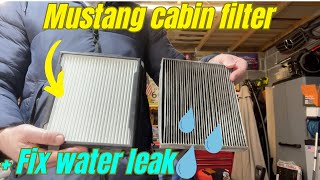
Symptoms: Water leaking into the passenger footwell floorboard because the cowl drains got clogged, forcing water into the Cabin Air Filter Box.
What fixed it: Clearing the clogged cowl/wiper drains to stop the leak.
Source hint: S197Forum.com: Leaking on passenger side floorboard
2015 Ford Mustang (S550)
Symptoms: Water leaked from a roof seam behind the windshield, ran down the A-pillar covers, and dumped directly onto the BCM.
What fixed it: Replacement of the BCM due to water damage.
Source hint: Mustang6G.com: Electrical issue (S550 but relevant)
Related OBD-II Codes
Frequently Asked Questions
Does TSB 08-26-7 apply to my 2010-2014 Mustang?
Where is the BCM/SJB located on my 2010-2014 Mustang?
Can I just swap in a used BCM from another Mustang to fix U0442?
Is there a specific connector I should check for corrosion first?
How can I prevent water from damaging my electronics again?
What voltage should my Mustang battery show to rule it out as a cause?
Helpful Videos

Used OEM Parts in Stock
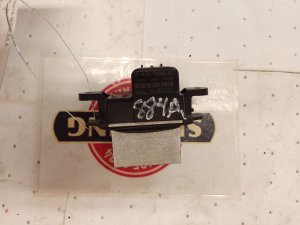
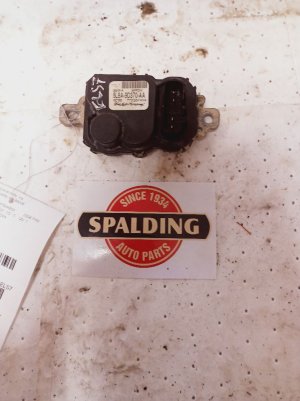
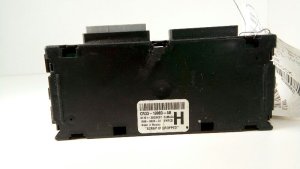
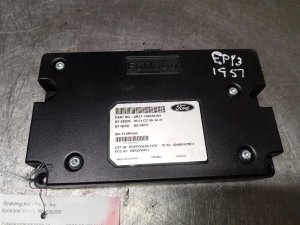
New Aftermarket Parts Available

The information in this article is provided for general reference and educational purposes only. Vehicle specifications, procedures, and part compatibility can vary by production date, trim level, and region. Always consult your vehicle's factory service manual and verify part numbers before purchasing or performing repairs. Safety-critical components such as airbags, seat belts, and braking systems should be installed by a qualified professional.
- Ford Mustang:
- 🧭 Diagnostic Flowchart
- 🎬 Helpful Videos
- 🛍️ Shop This Part
- What's Unique About the 2010-2014 Ford Mustang
- Symptoms You May Notice
- Most Likely Causes
- Rare But Worth Checking
- Diagnosis Steps
- Parts You'll Likely Need
- Related Codes That Often Appear With This One
- Technical Service Bulletins (TSBs) & Recalls
- Platform-Specific Known Issues
- Mechanic-Grade Diagnostic Values
- Scan Tool Commands That Help
- Wiring & Ground Locations
- Real Owner Repair Stories
- OEM Part Supersession History
- Model Year Variations Within This Range
- Other Known Issues on This Vehicle
- Used vs. New Parts: Buying Guide for This Vehicle
- Real Owner Stories
- 2010 Ford Mustang
- 2014 Ford Mustang
- 2015 Ford Mustang (S550)
- Related OBD-II Codes
- Frequently Asked Questions
- 🎟️ Get 5% Off