

U1000 on 2019-2024 Chevrolet Silverado: CAN Communication Failure Causes and Fixes
On a 2019-2024 Silverado, a U1000 code is most often caused by a faulty or corroded factory ground strap between the frame and body, particularly the one on the front passenger side. Inspecting, cleaning, and replacing these ground straps is the most likely fix and should be the first step before suspecting expensive modules.
- U1000 is a network communication error, not a specific component failure.
- The most likely cause on a 2019-2024 Silverado is a bad ground strap. Inspect all major grounds before any other diagnosis.
- Do not replace expensive computer modules unless a professional has definitively proven they are the cause of the failure.
- A weak battery can cause this code; always ensure the battery is healthy.
- Driving with this code can be unsafe due to the potential for losing critical systems like power steering or brakes.
What's Unique About the 2019-2024 Chevrolet Silverado
The fourth-generation Silverado (T1 platform) is known to have issues with premature corrosion and failure of key body and frame ground straps. A specific ground strap located in the front passenger wheel well area is frequently cited by owners and in service information as a primary failure point. This poor ground connection creates electrical instability that disrupts the sensitive CAN bus network, leading to a U1000 code and a variety of strange electrical symptoms. 🎬 Watch: Understanding U1000 communication codes and symptoms While any vehicle can have a communication fault, the high frequency of ground strap failures on this specific Silverado generation makes it the primary suspect, a known issue acknowledged in technical bulletins for related symptoms.
Symptoms You May Notice
- Check Engine Light is on
- Multiple other warning lights may appear intermittently (ABS, Traction Control, Power Steering, Service Stabilitrak)
- Loss of power steering assist
- Loss of power brake assist
- Intermittent failure of electrical accessories (radio, windows, instrument cluster)
- Engine may not start (no-crank condition)
- Transmission may shift erratically or enter 'limp mode'
- Scan tool may fail to communicate with one or more modules
- Radio or infotainment screen reboots or goes blank
- Headlights flicker or dim when using other accessories
- Replacing the Engine Control Module (ECM) or Body Control Module (BCM) without first verifying all grounds and wiring. A communication code rarely means the module reporting it has failed.
- Replacing the battery without also checking and cleaning the main ground straps, leading to a recurrence of the problem.
Most Likely Causes
- Corroded or Broken Frame/Body Ground Straps 🔴 High Probability → Shop Engine Ground Strap There are multiple documented cases and service campaigns on this platform where factory ground straps corrode and fail prematurely, causing widespread electrical issues. The strap in the front passenger wheel well is a particularly common culprit.
How to confirm: Visually inspect the main ground straps connecting the battery to the frame, the frame to the body (especially front passenger side), and the engine to the firewall. Look for green/white corrosion, broken braided wires, or loose connections. A voltage drop test across the strap while the engine is running and accessories are on will confirm high resistance (anything over 0.2V is suspect).
Typical fix: Replace the faulty ground strap with a new OEM or heavy-duty aftermarket strap. Ensure the mounting points on the frame and body are cleaned to bare metal before installation and protected with a dielectric grease or corrosion inhibitor. The OEM part number for the problematic passenger-side strap is often cited as 85773931. 🎬 See how to replace a bad Chevy ground strap
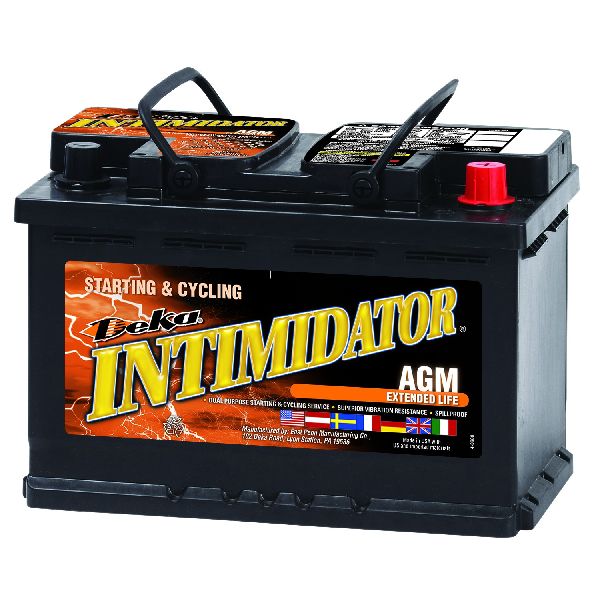
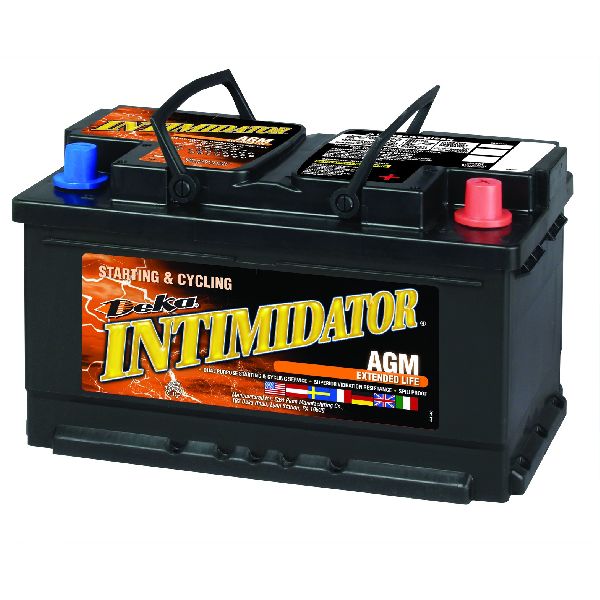
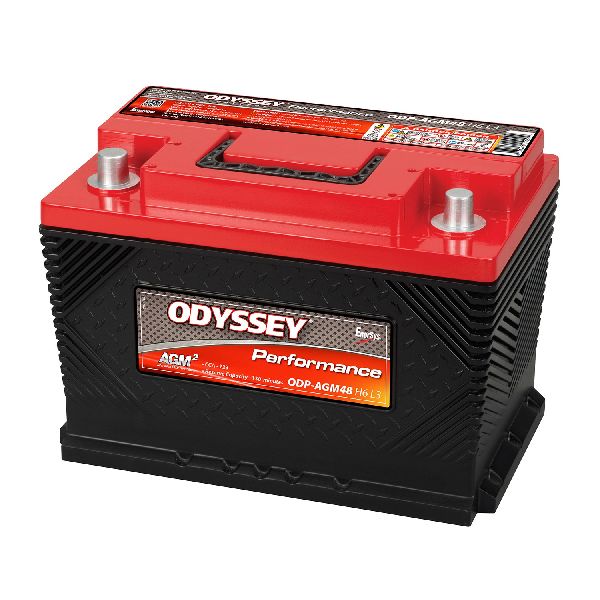
Est. part cost: $15-$60 - Weak or Failing Battery 🟡 Medium Probability → Shop Vehicle Battery Modern trucks with start-stop systems and high electrical loads are hard on batteries. Low voltage during startup is a very common cause of module communication errors.
How to confirm: Test the battery voltage with a multimeter. A healthy AGM battery should read approximately 12.8 volts with the engine off. Have the battery professionally load-tested at an auto parts store to confirm its health under load. Low voltage during cranking can cause modules to fail to initialize correctly and throw communication codes.
Typical fix: Replace the vehicle's battery. AGM batteries are required for vehicles with start-stop systems.
Est. part cost: $200-$400 - Poor BCM Ground (G218) 🟡 Medium Probability Technical Service Bulletin PIT5405C directly identifies a poor BCM ground at G218 as a cause for various electrical issues, including symptoms that overlap with a U1000 code. Forum discussions confirm this is a known issue.
How to confirm: Locate the G218 ground, typically found on the dash support structure behind the driver's side of the dashboard, near the A-pillar and speaker. Check if the connection is loose, corroded, or if sound-deadening insulation is trapped under the ground terminal, preventing a good connection.
Typical fix: Disconnect the battery, then remove the nut, clean the terminal and the mounting surface to bare metal, ensure no insulation is in the way, and securely re-tighten the G218 ground connection.
Est. part cost: $0-$5 - Damaged CAN Bus Wiring ⚪ Low Probability Rodent damage is a common cause of wiring failure. The soy-based wire insulation used in modern vehicles can attract rodents, who may chew through the CAN bus wiring harness. Manufacturer service bulletins for other Chevrolet models, such as Bulletin #GCUS-3-423 and Bulletin #PIT5369A, have specifically noted that U1000 can be triggered by engine harness issues that require unsecuring or revising the harness.
How to confirm: This requires advanced diagnostics. A technician will use a wiring diagram and a multimeter to check for continuity, shorts to power, or shorts to ground in the twisted pair of CAN bus wires (CAN High and CAN Low) leading to the module that is not communicating.
Typical fix: Repair the specific section of the damaged wiring harness. This may involve soldering in a new section of wire and protecting it with heat shrink and Tesa tape.
Est. part cost: $10-$100
Rare But Worth Checking
- Faulty Control Module: While possible, a module (like the BCM, ECM, or SDGM) can fail internally and disrupt the entire network. This should only be considered after all wiring, ground, and power issues have been completely ruled out, as it is an expensive and often misdiagnosed cause.
- Aftermarket Electronics: Improperly installed aftermarket accessories (such as remote starters, alarms, or lighting) that are tapped into CAN bus wires can corrupt the network and cause a U1000 code. Always check for recently installed accessories when diagnosing communication faults.
Diagnosis Steps
- Perform a full vehicle scan with a professional-grade scan tool to see which modules are storing the U1000 code and, more importantly, which modules are not communicating at all.
- Check and load test the battery to ensure it is providing stable voltage. A weak battery is a common cause of communication faults.
- Perform a thorough visual inspection of the main battery cables and all major ground straps. Pay extremely close attention to the braided strap in the front passenger wheel well area and the main battery-to-frame ground. Look for any signs of corrosion, looseness, or physical damage.
- Conduct a voltage drop test across the primary ground straps (battery-to-frame, frame-to-body). A reading of more than 0.2 volts indicates high resistance and a bad ground.
- Locate and inspect the BCM ground G218 behind the driver's side dash. Ensure it is clean, tight, and free from interference from the dash insulation mat, as detailed in TSB PIT5405C. 🎬 Watch: How to locate and clean the G218 ground
- If grounds and power are good, consult a vehicle-specific wiring diagram for the CAN bus network.
- Check the resistance of the CAN bus at the OBD-II port (with the battery disconnected). It should be approximately 60 ohms on pre-refresh models (2019-2022 LTD) and ~120 ohms on refresh models (2022.5+). A reading of 120 ohms on an early model indicates a break in the circuit or a missing terminating resistor. A reading near 0 ohms indicates a short between the CAN High and CAN Low wires.
- If a specific module is identified as offline, inspect its connector for corrosion or backed-out pins. Verify it is receiving proper power and ground.
- As a final step, a technician may disconnect modules one by one from the CAN network to see if communication is restored. If the network comes back online after disconnecting a certain module, that module is likely the source of the fault. Note that Bulletin #PIC3557 advises that a U1000 code may not always lead to a final repair and should sometimes be disregarded if it is not current.
Parts You'll Likely Need
- Frame to Body Ground Strap
(OEM #85773931)— This is the most frequently cited cause of communication faults on this specific Silverado platform due to premature corrosion and failure. This part number corresponds to the strap often found in the front passenger wheel well.
Trusted brands: ACDelco, Dorman, GM Genuine Parts
OEM price range: $25-$60
Aftermarket price range: $15-$40 - Battery — A weak or failing battery provides unstable voltage, which can prevent control modules from initializing and communicating correctly.
Related Codes That Often Appear With This One
- U0100 — Lost Communication With ECM/PCM
- U0101 — Lost Communication with TCM
- U0140 — Lost Communication With Body Control Module
- U0121 — Lost Communication With Anti-Lock Brake System (ABS) Control Module
- U0401 — Invalid Data Received From ECM/PCM
Technical Service Bulletins (TSBs) & Recalls
- Various Electrical Concerns: Addresses multiple electrical issues (including no-start, warning messages, and loss of power steering) that can be caused by a poor BCM ground at G218 or other electrical connection issues.
- Bulletin #PIT5369: Notes that a Malfunction Indicator Lamp may illuminate with U0100 and U1000 found in multiple high speed modules, often occurring during start-up.
- Bulletin #PIC3557: Provides diagnostic guidance for Class 2 communications, noting that a U1000 code may not always lead to a final repair and may need to be disregarded in certain diagnostic contexts.
- Shake and/or Shudder During Light Throttle Acceleration: Addresses a transmission shudder issue, often fixed with a fluid flush. While not directly a U1000 cause, it's a very common issue for this platform.
- Bent or Stuck Valves, Cylinder Head Replacement, Lifter Replacement: Relates to the common V8 lifter failure issue, providing diagnostic and repair information. This is a major known issue for the platform.
Platform-Specific Known Issues
- A technical service bulletin, PIT5405C, addresses various electrical concerns caused by a poor BCM ground at G218, which can produce symptoms identical to a U1000 fault.
- Owner forums and mechanic discussions frequently point to the ground strap in the front passenger wheel well as the number one cause for U1000 and related electrical gremlins on the T1 platform trucks.
- A Reddit user reported a dealer charging $370 for labor to replace a $9 ground strap (part number 85773931), highlighting the potential cost savings of a DIY inspection and repair.
Mechanic-Grade Diagnostic Values
- CAN Bus Resistance at DLC (Pins 6 & 14) — expected: Approx. 60 Ω on 2019-2022 LTD models (Global A). Approx. 120 Ω on 2022.5+ models (Global B/VIP).. Failure: On Global A, 120 Ω indicates an open circuit/terminating resistor issue; ~0 Ω indicates a short. On Global B, 60 Ω may indicate an issue.
- CAN Bus Voltage (Key On, Engine Off) — expected: CAN High (Pin 6 to Gnd): ~2.5V to 3.5V. CAN Low (Pin 14 to Gnd): ~1.5V to 2.5V.. Failure: Voltages shorted together (e.g., both read 2.5V), or one line is stuck high/low.
- Ground Wire Resistance — expected: Below 1.0 Ω from a module's ground pin to a clean chassis ground point.. Failure: Resistance greater than 1.0 Ω indicates a poor ground connection that can cause communication faults.
Scan Tool Commands That Help
- GDS2 (GM Global Diagnostic System 2): Network Communication Status — This function is used to poll all CAN buses (1-8) to see which modules are actively communicating and which are offline. It is the primary starting point for diagnosing a U1000 code on these modern GM vehicles, replacing the older 'Class 2 Message Monitor' used with the Tech 2.
- GDS2 with MDI2 Interface: Data Bus Diagnostic Tool — This tool, which installs with GDS2, acts as an external module to send messages on the bus to locate faults. It helps identify which modules are not responding to define a starting point for repair.
Wiring & Ground Locations
- G218 — On the dash support structure, typically behind the driver's side dashboard near the A-pillar and speaker.. This is the primary ground for the Body Control Module (BCM). TSB PIT5405C identifies that sound-deadening material can get trapped under this ground terminal from the factory, causing a poor connection and leading to a host of electrical issues, including communication codes.
- Passenger Side Frame/Body Ground — In the front passenger wheel well area, connecting the frame to the body. Often a braided, uninsulated strap.. This is the most commonly reported failure point for U1000 codes on this platform. It is exposed to the elements and corrodes or breaks, creating high resistance and destabilizing the entire vehicle network.
- G103 / G104 — These are primary engine/chassis grounds located on the cylinder heads or front of the engine block.. A loose or corroded main engine ground can cause voltage instability for the ECM and other critical engine-bay modules, triggering communication faults.
- CAN Bus Star Connectors — Located in the driver's side footwell, near the kick panel. They are small plastic blocks that act as hubs for the data network.. These are junction points for the CAN network. A loose pin, corrosion, or damaged wire at one of these connectors can take down an entire branch of the network, isolating multiple modules.
Real Owner Repair Stories
- Commenter on YouTube video '2014-2018 Chevy Silverado electrical issues (solved) part 2 pass side ground locations' (2014-2018 Silverado (Applies to 2019+ as well)) — Flickering dash lights, truck shutting down at idle, slipping transmission feeling, voltage reading under 14V (9-11V), Nav/radio shutting down.
❌ Tried (didn't work) Not specified, but implies other diagnostics were considered.
✅ What actually fixed it The problem was a bad ground that became rusted/dirty over time. The fix was to remove the ground screw, clean the contact points on the terminal and the body to bare metal, and re-secure it. This resolved all the electrical issues. - NHTSA ODI #11244385 — An owner reported that the vehicle would throw codes P0700, U0073, and U1000, resulting in a loss of engine power, the Check Stabilitrak light illuminating, and the vehicle bucking while gauges fluctuated.
OEM Part Supersession History
84789731→85773931— Unknown, but part supersession often indicates a revision to improve durability or fix a known issue. Given the high failure rate of the original ground straps, this change was likely intended to address corrosion or breakage problems.
Model Year Variations Within This Range
- 2019-2022 (LTD): These models use GM's 'Global A' electrical architecture. The CAN bus resistance measured at the DLC should be ~60 ohms.
- 2022.5-2024 (Refresh): These models, featuring the revised interior with large screens, use the newer 'Global B' or 'Vehicle Intelligence Platform' (VIP) electrical architecture. This system is more complex, uses CAN FD protocol, and has different diagnostic characteristics. For example, measuring CAN resistance at the DLC will show ~120 ohms, which is normal for this architecture. Diagnosing these trucks requires newer scan tools and software (like MDI2) that support CAN FD.
Diagnostic Flowchart
Other Known Issues on This Vehicle
Issues unrelated to this code that are worth knowing about as an owner of this generation:
- AFM/DFM Lifter Failure (5.3L & 6.2L V8) 🔴 High — Very common, can occur at low mileage (under 50k miles). Failures seem especially prevalent in 2019-2021 models. (Ref: Multiple TSBs exist, such as 21-NA-176, addressing diagnosis and repair. No formal recall, but class-action lawsuits have been filed.)
- Transmission Shudder/Harsh Shifting (8-speed & 10-speed) 🟠 Medium → Shop Transmission Assembly — Widespread issue, particularly in 2019-2022 models. Often described as feeling like driving over rumble strips between 35-55 mph. (Ref: TSB 18-NA-355 recommends a specific transmission fluid flush procedure as the primary fix.)
- Infotainment System Glitches 🟡 Low — Common complaints of screen blackouts, reboots, unresponsive touch controls, and backup camera issues. (Ref: Multiple software update TSBs have been released, such as 22-NA-142, to address various infotainment concerns.)
- Cracked Cylinder Heads (2.7L L3B Turbo) 🔴 High — A known issue on early (2019-2020) 2.7L Turbo engines where the head can crack, leading to coolant loss and overheating. GM redesigned the cylinder head in late 2020. (Ref: TSB 20-NA-213 addresses this issue.)
Used vs. New Parts: Buying Guide for This Vehicle
When a used part is the smart pick: For this code, used parts are generally not recommended for the primary failure items. Ground straps and batteries should always be purchased new. A used wiring harness from a low-mileage, non-corroded donor vehicle could be a cost-effective option if a specific section of the factory harness is damaged beyond repair (e.g., by rodents).
Donor-vehicle mileage cap: roughly under 30000 miles for the part to have meaningful remaining life.
What to inspect on the donor part:
- For a wiring harness, inspect for any signs of rodent damage (chew marks, nests).
- Check all connector pins for corrosion, bending, or being backed out.
- Ensure the harness comes from a vehicle in a dry, non-salt-belt region to minimize corrosion risk.
- Verify the part number and vehicle year to ensure compatibility, especially with the 2022.5 electrical architecture change.
OEM-only on this vehicle (don't cheap out):
- Control Modules (BCM, ECM, SDM): While not a common cause, if a module fails, it's critical to use an OEM part. Used modules often have VIN-locking and require dealer-level programming that many independent shops cannot perform. A new OEM module ensures compatibility and can be properly programmed to the vehicle.
Aftermarket brands forum-validated for this vehicle:
- Ground Straps: Dorman often produces heavy-duty or improved-design ground straps that can be a good alternative to OEM.
- Trailer Brake Controllers: Tekonsha (Prodigy series) and Curt are widely regarded as reliable aftermarket brands with proper vehicle-specific harnesses.
Brands owners have reported issues with on this vehicle:
- Generic, no-name electrical components or trailer brake controllers that require splicing into the factory harness instead of using a plug-in adapter. These are a frequent source of CAN bus communication errors.
Real Owner Stories
Aggregated from forums and TSBs cited above. Mileages and costs reflect what owners reported in those sources.
2019-2024 Chevrolet Silverado
Symptoms: Check engine light, Service Stabilitrak message, and various electrical gremlins.
What fixed it: Replacement of the ground strap in the front passenger wheel well (Part #85773931).
Cost: $370-$379
Source hint: r/Silverado - 'Issue' thread discussing ground strap part number 85773931 and labor costs
2019-2024 Chevrolet Silverado
Symptoms: Service Stabilitrak and brake messages appearing on the dash.
What fixed it: Cleaning and tightening the G218 ground connection behind the driver's side dashboard.
Source hint: GM-Trucks.com - 'Ground 218 and Service Stabiltrac' discussion
Related OBD-II Codes
Frequently Asked Questions
Does TSB PIT5405C apply to my 2019-2024 Silverado's electrical issues?
What is the specific part number for the problematic ground strap in the passenger wheel well?
Where is the G218 ground located on the 2019-2024 Silverado?
Can a bad battery cause a U1000 code on trucks with start-stop systems?
What should the CAN bus resistance be when testing the OBD-II port on a 2023 Silverado?
Is there a specific ground I should check if I have 'Service Stabilitrak' and U1000 codes?
Helpful Videos

We Have This Part in Stock


The information in this article is provided for general reference and educational purposes only. Vehicle specifications, procedures, and part compatibility can vary by production date, trim level, and region. Always consult your vehicle's factory service manual and verify part numbers before purchasing or performing repairs. Safety-critical components such as airbags, seat belts, and braking systems should be installed by a qualified professional.
- Chevrolet Silverado:
- 🧭 Diagnostic Flowchart
- 🎬 Helpful Videos
- 🛍️ Shop This Part
- What's Unique About the 2019-2024 Chevrolet Silverado
- Symptoms You May Notice
- Most Likely Causes
- Rare But Worth Checking
- Diagnosis Steps
- Parts You'll Likely Need
- Related Codes That Often Appear With This One
- Technical Service Bulletins (TSBs) & Recalls
- Platform-Specific Known Issues
- Mechanic-Grade Diagnostic Values
- Scan Tool Commands That Help
- Wiring & Ground Locations
- Real Owner Repair Stories
- OEM Part Supersession History
- Model Year Variations Within This Range
- Other Known Issues on This Vehicle
- Used vs. New Parts: Buying Guide for This Vehicle
- Real Owner Stories
- 2019-2024 Chevrolet Silverado
- 2019-2024 Chevrolet Silverado
- Related OBD-II Codes
- Frequently Asked Questions
- 🎟️ Get 5% Off