

U2101 on 2010-2017 Chevrolet Equinox: Control Module Incompatible Fixes
Code U2101 on a 2010-2017 Equinox means a major electronic control module (like the BCM or radio) was replaced but not programmed to your vehicle's VIN. This is not a DIY fix; the module must be programmed by a dealer or a shop with GM-specific tools. Expect to pay for 1-2 hours of labor for programming.
- U2101 is a programming issue, not a parts failure. It means a module was replaced and not configured for your specific vehicle.
- This is not a DIY repair. You must take the vehicle to a shop with GM-specific programming tools.
- Before paying for programming, inspect for common Equinox issues: water leaks and corroded wires under the driver's carpet and near the BCM.
- Do not replace any more parts. The problem lies in the software configuration of the module that was already replaced.
- A no-start condition with a security light is a classic symptom of an unprogrammed BCM on this vehicle.
What's Unique About the 2010-2017 Chevrolet Equinox
While U2101 is fundamentally a programming error on any GM vehicle, the 2010-2017 Equinox (and its platform-mate, the GMC Terrain) has specific vulnerabilities that often lead to this situation. The Body Control Module (BCM), a common culprit for this code, is prone to failure from water damage due to issues like clogged sunroof drains that allow water into the passenger-side footwell. Furthermore, this generation is known for corroded wiring splices under the driver's side carpet and in connectors under the vehicle, which can cause network failures that might be misdiagnosed, leading to unnecessary module replacement and subsequent U2101 codes if programming is missed.
Symptoms You May Notice
- Check Engine Light is on
- Service StabiliTrak, Service ABS, and/or Service Power Steering messages on the dash.
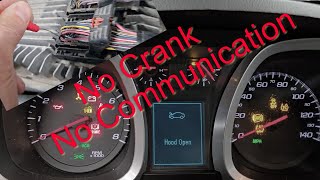
- Vehicle will not start, or it cranks but does not fire (crank-no-start).
- Security warning light is illuminated or flashing.
- Loss of power steering assist, making steering very difficult.
- Odometer display is blank, frozen, or shows dashes.
- Multiple other communication codes (e.g., U0121, U0140, U0100) are stored.
- Erratic behavior of interior electronics (radio, climate control, lights, windows).
- Replacing the Engine Control Module (ECM) when the Body Control Module (BCM) is the actual source of the problem.
- Replacing a module a second time, believing the replacement part is faulty, when the actual issue is the lack of programming.
- Replacing the ignition switch or other anti-theft components when a no-start is caused by an unprogrammed BCM.
- Replacing the ABS module (EBCM) or Power Steering Control Module (PSCM) when the communication loss is due to a corroded X411 connector or a bad BCM.
Most Likely Causes
- Replaced Control Module Not Programmed 🔴 High Probability The GM Global A electrical architecture used in this platform requires all major control modules to be VIN-matched. Any replacement, whether new or used, will not work 'plug-and-play' and must be configured.
How to confirm: Confirm with the vehicle owner if any modules (BCM, EBCM, Radio, HVAC, etc.) have been recently replaced. A professional scan tool can identify which module is not configured or has a VIN mismatch.
Typical fix: The improperly installed module must be programmed using the GM Service Programming System (SPS). This writes the vehicle's specific VIN and RPO configuration data to the module, integrating it into the vehicle's network.
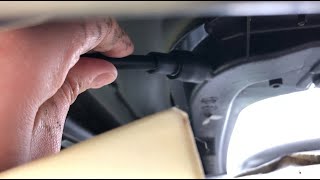
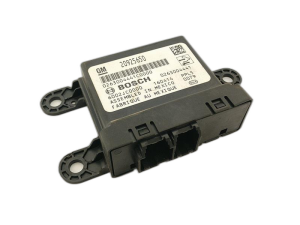
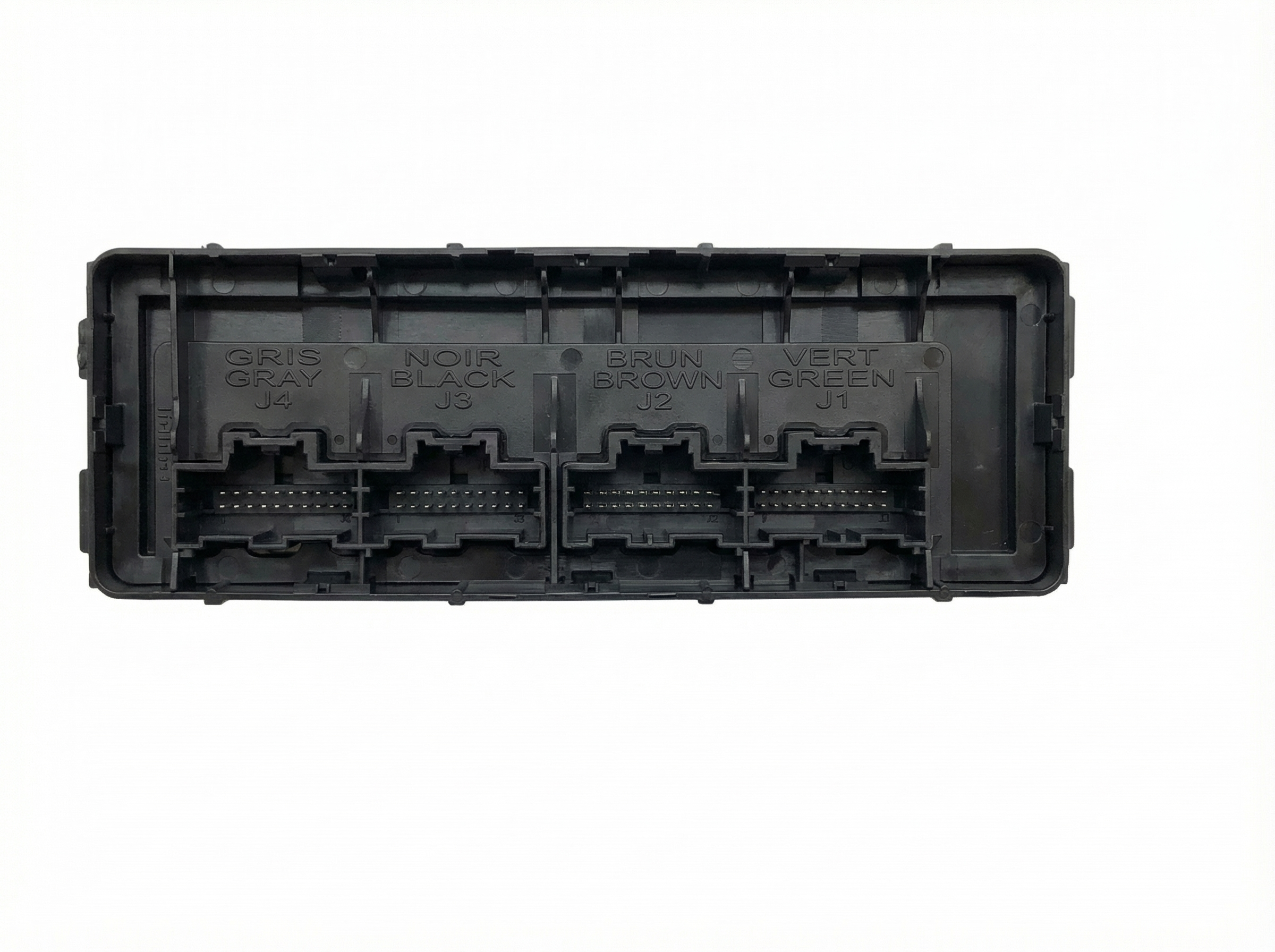
Est. part cost: $0 - Failed and Replaced Body Control Module (BCM) 🟡 Medium Probability → Shop Body Control Module The BCM on the Equinox is located behind the passenger side kick panel/glove box 🎬 See this walkthrough on BCM location and replacement, an area highly susceptible to water damage from clogged sunroof drains or windshield leaks, leading to corrosion and failure. Its replacement is a common trigger for code U2101.
How to confirm: Check for damp carpets, a musty smell, or signs of water intrusion in the passenger footwell. A scan tool will show a loss of communication with the BCM (U0140) or a U2101 code originating from it. The BCM itself may show signs of green corrosion on its connectors.
Typical fix: Replace the damaged BCM and have the new module professionally programmed. The source of the water leak (usually clogged sunroof drain tubes) must also be found 🎬 Watch: How to find and repair these common water leaks and repaired to prevent repeat failure.
Est. part cost: $200-$450 - Corroded Wiring or Splice Packs ⚪ Low Probability This platform is known for water getting into the cabin and corroding factory wire splices located under the driver's side carpet and door sill plate. This can take down the entire CAN bus communication network, causing multiple 'U' codes.
How to confirm: Pull back the driver's side carpet and inspect the wiring harness for green corrosion or broken wires. Also, inspect the X411 connector under the rear of the vehicle for corrosion, as noted in TSB PIT5427B. A multimeter check will show high resistance or an open circuit on the CAN bus lines.
Typical fix: Cut out the corroded section of wiring and repair the splices using solder and heat-shrink tubing. This is often misdiagnosed as a bad module, leading to unnecessary parts replacement.
Est. part cost: $10-$50
Rare But Worth Checking
- Aftermarket Radio or Remote Starter: Improperly installed aftermarket electronics can interfere with the CAN bus network, either by sending improper signals or by being wired incorrectly, causing communication faults. The radio is a gateway module on this platform, so an incorrect installation can bring down the network.
- Low Battery Voltage: → Shop Vehicle Battery While less common for this specific code, very low or unstable battery voltage can sometimes cause modules to lose their configuration or fail to communicate properly during startup. Always ensure the battery and charging system are healthy before complex network diagnosis.
Diagnosis Steps
- Verify Battery Health: Ensure the battery voltage is above 12.4V with the engine off and that the charging system operates correctly (13.5-14.5V). A weak battery can cause numerous, unrelated communication codes.
- Perform a Full Vehicle Scan: Use a professional, bidirectional scan tool (like GM GDS2) to scan all modules on the network. Note which modules are offline and which specific module is reporting the U2101 code.
- Identify the Source Module: The scan tool data should point to the specific module that is not configured correctly. This is your primary suspect. Ask the owner about any recent repairs or module replacements.
- Inspect for Common Platform Issues: Before programming, perform a visual inspection. Check for water damage in the passenger footwell near the BCM. Pull up the driver's side door sill and carpet to inspect the main wiring harness for green, corroded splices.
- Check TSB-Related Connectors: Inspect the X411 connector, located under the rear of the vehicle to the left of the fuel tank, for any signs of corrosion or pushed-out pins as per TSB PIT5427B.
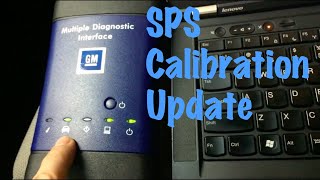
- Program the Module: If no wiring faults are found, the solution is to program the identified module. This must be done by a technician with access to GM's Service Programming System (SPS) via a J2534 Pass-Thru device or a dealer tool. 🎬 Watch: How to perform a module calibration update using SPS
- Perform Module Setup Procedures: After programming, some modules require additional setup steps, such as the 'Setup SDM Primary Key in BCM' procedure to sync with the airbag system.
- Clear All Codes and Re-Scan: After successful programming and setup, clear DTCs from all modules and perform another full scan to confirm that U2101 and all related communication codes are gone.
Parts You'll Likely Need
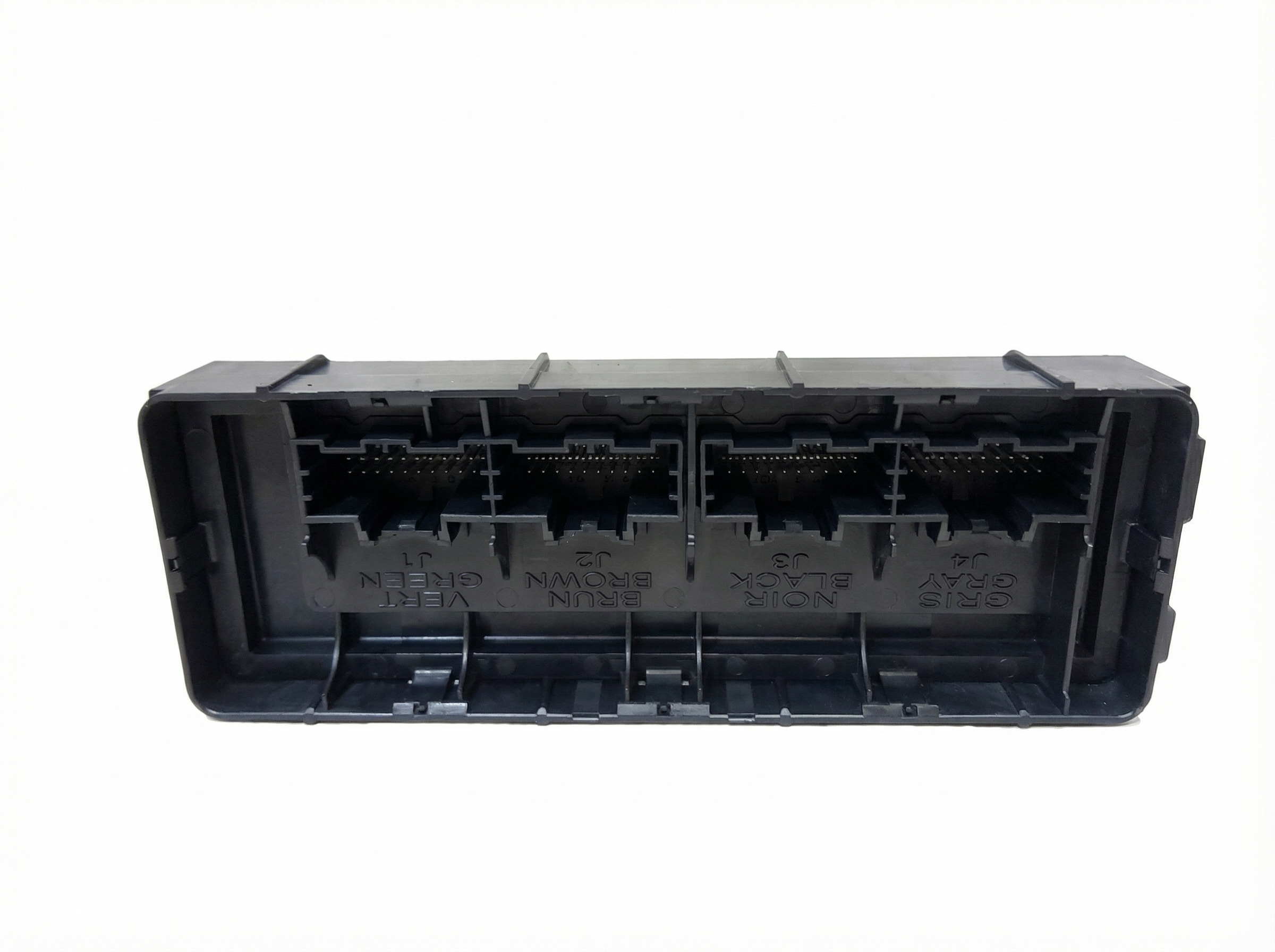
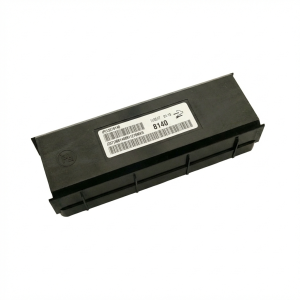
- Body Control Module (BCM)
(OEM #13586273, 13584695, 13534190 (Part number is VIN and option specific; always verify before purchase))— This module is a common failure point due to water damage. Its replacement is a primary trigger for the U2101 code if it is not programmed.
Trusted brands: ACDelco (OEM)
OEM price range: $250-$450
Aftermarket price range: $150-$300 (Often sold as remanufactured or requiring a mail-in cloning service) - Module Programming Service — This is not a physical part, but the required labor to configure a new or used control module to the vehicle's VIN using specialized equipment.
OEM price range: $150-$300
Aftermarket price range: $150-$300
Related Codes That Often Appear With This One
- U0140 — This code means 'Lost Communication with Body Control Module'. It often appears alongside U2101 if the BCM is the module that has been improperly replaced and is offline.
- U0121 — This code means 'Lost Communication with Anti-Lock Brake System (ABS) Control Module'. It can appear if the EBCM (ABS module) is the source of the U2101, or if a general network failure (like a corroded X411 connector) prevents communication.
- B1001 — This code for 'Option Configuration Error' can be set after a BCM replacement if the SDM (airbag module) key has not been set up in the new BCM, indicating a programming/setup step was missed.
- U2100 — Stands for 'Initial Configuration Not Complete'. This code often appears with U2101, indicating a module is 'blank' and has never been programmed, whereas U2101 can mean it was programmed for a *different* vehicle.
Technical Service Bulletins (TSBs) & Recalls
- PIT5427B: Addresses various service messages and communication DTCs caused by corrosion in the X411 connector under the rear of the vehicle.
- PIP4990D: Points to poor terminal fit at the transmission connector and underhood fuse block, as well as bad grounds, as a cause for communication code U0101.
- 15285C / 12313C: Special coverage adjustments for excessive oil consumption and timing/balance chain issues on the 2.4L engine, which are major unrelated problems with this vehicle.
Platform-Specific Known Issues
- Water intrusion into the cabin is a known issue that damages the BCM and wiring splices.
Documented NHTSA Reports
- NHTSA ODI #11581420 describes a vehicle that makes a strange beeping noise similar to a warning chime with no lights appearing, while storing multiple codes including U0121, U0140, and U2101.
- NHTSA ODI #10694215 reports a situation where a vehicle required an electronic steering rack replacement after codes C1B00 and U2101 were found during an inspection for steering wheel issues.
Mechanic-Grade Diagnostic Values
- High-Speed GMLAN Bus Resistance — expected: Approximately 60 Ohms (± 5 Ohms). Failure: A reading of 120 Ohms indicates an open in the bus or a missing terminating resistor. A reading of 0 Ohms indicates the CAN High and Low wires are shorted together. An infinite reading suggests an open circuit near the DLC.
- High-Speed GMLAN Bus Voltage (Key On, Engine Off) — expected: CAN High (Pin 6) and CAN Low (Pin 14) should both show a bias voltage of approximately 2.5V at rest. During active communication, CAN High will toggle towards 3.5V and CAN Low will toggle towards 1.5V.. Failure: Voltages stuck at 0V, battery voltage, or not toggling indicate a short to ground, short to power, or a dead module/bus.
Scan Tool Commands That Help
- GM GDS2/Techline Connect: Service Programming System (SPS) — This is the primary function used to flash a new control module with the correct VIN-specific firmware and configuration (RPO codes). It is required whenever a new BCM, ECM, or other major module is installed.
- GM GDS2: Theft Deterrent Relearn — This procedure is mandatory after installing a new BCM that was not cloned. It synchronizes the new BCM with the existing keys' transponder codes. The manual process involves 3 cycles of turning the key to 'ON' for 10 minutes each.
- GM GDS2: Data Bus Diagnostic Tool — This is a specific software utility within the GM diagnostic suite, introduced around 2015, designed to help technicians diagnose high-speed LAN communication issues by providing a guided diagnostic flow.
- GM GDS2: Setup SDM Primary Key in BCM — After replacing and programming a BCM, this function must be run to re-establish the secure link between the Body Control Module and the SDM (airbag module). Failure to do so can result in an airbag light and code B1001.
Wiring & Ground Locations
- BCM — Behind the passenger side of the center console/kick panel area. The interior fuse box is also located here.. This is the module most commonly associated with U2101 on this platform, often due to failure from water intrusion in this specific location.
- GMLAN Splice Packs (J302, J303, J311, etc.) — Located in the wiring harness that runs under the driver's side door sill plate and carpet.. These factory splices are a known weak point for corrosion due to water entering the cabin. A corroded splice can take down the entire GMLAN network, causing multiple 'U' codes that can be misdiagnosed as a failed module.
- G112 — Engine compartment ground point, location varies slightly by engine.. This is a primary ground point for the Engine Control Module (ECM) on the 2.4L engine. A poor ground here can cause a host of communication and engine performance issues, though it's less likely to be the direct cause of a U2101 configuration code.
- DLC (Data Link Connector) — Under the driver's side dashboard, to the left of the steering column.. This is the primary diagnostic port. Terminals 6 (CAN High) and 14 (CAN Low) can become worn or damaged from frequent use, leading to a failed connection with a scan tool and preventing diagnosis of the network.
Real Owner Repair Stories
- LS1Tech Forum User (GM Vehicle with GMLAN (Camaro)) — No crank, no communication with multiple modules.
❌ Tried (didn't work) Initial scans failed to connect properly.
✅ What actually fixed it The owner performed a resistance check at the DLC (pins 6 and 14) and measured 120 Ohms instead of the expected 60 Ohms. This correctly diagnosed an open circuit on the CAN bus, indicating a broken wire or a module with an internal terminating resistor was offline. This test pinpointed a wiring fault rather than a module programming issue.
"I Checked Everything" — The Actual Cause
- A common scenario for network codes like U2101 is when initial wiring checks (resistance) appear normal (around 60 ohms), yet communication problems persist. This often points to a single module on the bus that is internally failing and 'chattering' or corrupting the data stream without completely shorting or opening the circuit. The professional diagnostic procedure in this case is to disconnect modules from the high-speed GMLAN bus one by one until communication is restored, thereby isolating the faulty module.
OEM Part Supersession History
13586273→13534183— Standard part revision and update by GM.
Heads up: Part number 13586273 is a widely used BCM in the 2013-2017 timeframe. It is part of a family of interchangeable numbers including 13580697, 13584695, 13588447, 13589197, 13589324, and 13589325. While physically interchangeable, none of these modules are plug-and-play. They absolutely require programming (for new parts) or cloning (for used parts) to function.
Model Year Variations Within This Range
- 2010-2013: These early years of the generation are known for significant engine problems, particularly excessive oil consumption in the 2.4L 4-cylinder engine, which can lead to premature engine failure. While not directly related to U2101, a failing engine can cause voltage issues and other stresses on the electrical system.
- 2014-2017: These later-year models featured engine improvements and are generally considered more reliable. They also saw the introduction and wider adoption of the Chevrolet MyLink infotainment system, a more complex module on the CAN bus compared to the base radios in earlier models. A failure or improper replacement of a MyLink radio is a potential cause of U2101.
Diagnostic Flowchart
Other Known Issues on This Vehicle
Issues unrelated to this code that are worth knowing about as an owner of this generation:
- Excessive Oil Consumption (2.4L Ecotec) 🔴 High — Extremely common, especially on 2010-2013 models. Owners report adding a quart of oil every 1,000-2,000 miles. Caused by faulty piston rings. (Ref: Special Coverage Adjustment 15285C extended the warranty for piston ring replacement.)
- Stretched Timing/Balance Chains (2.4L Ecotec) 🔴 High — Very common, typically between 80,000 and 120,000 miles. Often a direct result of the oil consumption issue causing low oil pressure and starving the tensioners. (Ref: Special Coverage Adjustment 12313C addressed the balance shaft chain.)
- Clogged PCV System / Rear Main Seal Failure 🟠 Medium — Common in cold climates. The PCV orifice in the intake manifold can clog with ice/sludge, building excessive crankcase pressure and blowing out the rear main seal, causing a major oil leak. (Ref: TSB 14882)
- Sunroof Drain Leaks Causing Water Damage 🟠 Medium — A frequent complaint where clogged or detached drain tubes allow water to leak into the cabin, damaging the BCM, fuse block, or floor wiring harnesses.
Used vs. New Parts: Buying Guide for This Vehicle
When a used part is the smart pick: A used Body Control Module (BCM) from a salvage yard is only a viable option if you use a 'cloning service'. You must send your original BCM and the used replacement to a specialist who will copy the VIN, security data, and RPO configuration from the old module to the used one. This makes the used part plug-and-play.
Donor-vehicle mileage cap: roughly under 120000 miles for the part to have meaningful remaining life.
What to inspect on the donor part:
- Verify the part number on the used BCM matches one of the compatible numbers for your vehicle (e.g., 13586273, 13534183).
- Inspect the donor module for any signs of physical damage, especially corrosion on the pins from water intrusion.
- Obtain the VIN of the donor vehicle if possible to check its history, but understand this VIN will be overwritten during cloning.
OEM-only on this vehicle (don't cheap out):
- Body Control Module (BCM) - CRITICAL NOTE: A used BCM cannot be reprogrammed by a GM dealer. The dealer's SPS software will detect the existing VIN and refuse to overwrite it. You MUST either buy a new OEM module for dealer programming OR use a cloning service for a used module.
Aftermarket brands forum-validated for this vehicle:
- ACDelco (OEM/Genuine GM) is the only recommended source for a new BCM.
- Various mail-in cloning services are available online and have become a standard repair method for independent shops.
Brands owners have reported issues with on this vehicle:
- Avoid any used BCM sold as 'plug-and-play' without it being a clone of your original module. It will not work.
Real Owner Stories
Aggregated from forums and TSBs cited above. Mileages and costs reflect what owners reported in those sources.
2010-2017 Chevrolet Equinox
Symptoms: The owner experienced a wet BCM due to a sunroof drain leak. The dealership recommended a full replacement of the module.
What fixed it: The owner DIY rerouted the sunroof drain lines to prevent future leaks and addressed the moisture at the BCM.
Source hint: Reddit thread where an owner discusses the common sunroof drain leak issue leading to a wet BCM and the DIY rerouting of drain lines
2010-2017 Chevrolet Equinox
Symptoms: Complete network failure including errors for ECM, TCM, BCM, and ABS.
What fixed it: The issue was traced to water intrusion and corrosion specifically within the transmission connector.
Source hint: gm-trucks.com forum thread titled 'U0073 U0101 network errors cant communicate with ecm tcm bcm and abs'
Cross-Manufacturer Reference
Symptoms: An owner reported a strange beeping noise like a warning chime with no dash lights, while diagnostic scans revealed codes P219A, U0121, U0140, U0256, U0452, and U2101.
Source hint: NHTSA ODI #11581420
Cross-Manufacturer Reference
Symptoms: A driver noticed issues when turning the steering wheel; a dealer inspection found codes C1B00 and U2101, leading to a recommendation for a steering rack replacement.
Source hint: NHTSA ODI #10694215
Related OBD-II Codes
Frequently Asked Questions
I just replaced the BCM on my 2012 Equinox with a used one from a salvage yard, but now I have code U2101. Why?
Does TSB PIT5427B apply to my Equinox if I'm seeing Service StabiliTrak and communication codes?
My 2.4L Equinox is throwing U2101 and also burning a lot of oil. Are these related?
Can a wet carpet in the passenger footwell cause the U2101 code?
Is there a specific procedure I need to do after programming a new BCM to clear the security light?
Could a bad transmission connector cause the network errors I'm seeing?
Helpful Videos

We Have This Part in Stock

The information in this article is provided for general reference and educational purposes only. Vehicle specifications, procedures, and part compatibility can vary by production date, trim level, and region. Always consult your vehicle's factory service manual and verify part numbers before purchasing or performing repairs. Safety-critical components such as airbags, seat belts, and braking systems should be installed by a qualified professional.
- Chevrolet Equinox:
- 🧭 Diagnostic Flowchart
- 🎬 Helpful Videos
- 🛍️ Shop This Part
- What's Unique About the 2010-2017 Chevrolet Equinox
- Symptoms You May Notice
- Most Likely Causes
- Rare But Worth Checking
- Diagnosis Steps
- Parts You'll Likely Need
- Related Codes That Often Appear With This One
- Technical Service Bulletins (TSBs) & Recalls
- Platform-Specific Known Issues
- Documented NHTSA Reports
- Mechanic-Grade Diagnostic Values
- Scan Tool Commands That Help
- Wiring & Ground Locations
- Real Owner Repair Stories
- "I Checked Everything" — The Actual Cause
- OEM Part Supersession History
- Model Year Variations Within This Range
- Other Known Issues on This Vehicle
- Used vs. New Parts: Buying Guide for This Vehicle
- Real Owner Stories
- 2010-2017 Chevrolet Equinox
- 2010-2017 Chevrolet Equinox
- Cross-Manufacturer Reference
- Cross-Manufacturer Reference
- Related OBD-II Codes
- Frequently Asked Questions
- 🎟️ Get 5% Off