

U2101 on 2006-2010 Hummer H3: Control Module Configuration Incompatible Causes and Fixes
Code U2101 on a Hummer H3 almost always means the Body Control Module (BCM) has been replaced and not programmed to the vehicle's VIN. This often happens after the original BCM is destroyed by water from a clogged sunroof drain leaking down the A-pillar. The fix requires professional programming with a GM-specific scan tool, using a pre-programmed replacement module, or cloning the original BCM's data. A 30-minute Passlock security relearn procedure is mandatory after installation.
- U2101 is a programming issue, not a parts failure. It means a module (usually the BCM) was replaced but not configured for your H3.
- Check for water leaks in the passenger footwell. A clogged sunroof drain is the most common reason the original BCM fails, leading to this situation.
- You cannot fix this yourself by swapping parts or disconnecting the battery. The vehicle must go to a dealer or a specialized shop with GM programming tools.
- Before paying for a new BCM, ensure the water leak is permanently fixed to avoid destroying the new module.
What's Unique About the 2006-2010 Hummer H3
The Hummer H3 and its GMT355 platform mates (Chevy Colorado/GMC Canyon) are uniquely susceptible to this code due to a common design flaw: clogged sunroof drains that leak water directly onto the Body Control Module (BCM), located in the passenger-side footwell. Water runs from the sunroof tray, down the inside of the A-pillar, and drips onto the BCM and its connectors. This water damage frequently destroys the original BCM, forcing its replacement. When a new or used BCM is installed without being programmed with the vehicle's VIN and options, it triggers the U2101 code and often a no-start condition due to the Passlock anti-theft system, which the BCM controls.
Symptoms You May Notice
- Engine will not crank or start (no-crank, no-start)
- Engine starts for a second then immediately stalls
- Security or Passlock system warning light is illuminated or flashing
- Inability to communicate with the BCM with a scan tool
- Malfunctions in systems controlled by the BCM, such as keyless entry, Tire Pressure Monitoring System (TPMS), power windows, interior lighting, or the instrument cluster.
- Multiple 'Lost Communication' codes (U-codes) stored along with U2101.
- Odometer display is blank or frozen. 🎬 See how a faulty BCM causes odometer and display issues.
- Replacing the Engine Control Module (ECM) when the BCM is the actual problem.
- Replacing the ignition switch or Passlock sensor, suspecting an anti-theft system failure, when the root cause is the unprogrammed or failed BCM.
- Replacing the battery or starter, as the no-start symptom can be misleading.
- Attempting to 'reset' the computer by disconnecting the battery; this will not clear a U2101 code as it is a hard-coded configuration mismatch and may cause other issues.
Most Likely Causes
- Body Control Module (BCM) Replaced Without Programming 🔴 High Probability → Shop Body Control Module The BCM is frequently replaced due to a very common water intrusion issue from clogged sunroof drains. Any replacement BCM (new or used) must be programmed to the vehicle's VIN.
How to confirm: Check the vehicle's repair history for a recent BCM replacement. Use a professional scan tool to attempt to communicate with the BCM and verify its VIN and configuration data against the vehicle's.
Typical fix: The BCM must be programmed using a GM Tech 2 or equivalent professional scan tool. Alternatively, mail-in services can provide a pre-programmed BCM using the car's VIN and mileage, or clone the data from the old BCM to the new one, making it plug-and-play. After installation, a 30-minute Passlock relearn procedure is required.
Est. part cost: $0 - Failed Body Control Module (BCM) due to Water Damage 🔴 High Probability → Shop Body Control Module The BCM is located directly under the path of a common leak point from the sunroof drain tubes, leading to a high failure rate from corrosion. A less common but possible leak source is the HVAC evaporator drain hose.
How to confirm: Physically inspect the BCM and its connectors for signs of water damage, rust, or green/white corrosion. The BCM is located behind the passenger side kick panel. Water stains on the headliner or A-pillar trim are strong indicators.
Typical fix: Replace the damaged BCM with a new or refurbished unit and have it professionally programmed or cloned. The source of the water leak (usually the sunroof drains) must also be cleared and repaired to prevent a repeat failure. 🎬 Watch: How to clear and modify clogged sunroof drains. GM Bulletin 09-08-57-002C suggests using an automotive sealer on the drain hose connections.
Est. part cost: $150-$550 - Incorrect or Used BCM Installed 🟡 Medium Probability Owners may attempt to use a cheaper, used BCM from another H3 or a platform mate like a Chevy Colorado. These modules are not interchangeable without reprogramming as they contain the VIN and security information of the donor vehicle.
How to confirm: Check the part number on the installed BCM to ensure it is correct for the vehicle's year and model. A professional scan tool can read the VIN programmed into the module, which will not match the vehicle's actual VIN.
Typical fix: The incorrect module must be replaced with the correct part for the vehicle, followed by professional programming or cloning. A direct swap from an identical vehicle will not work without programming.
Est. part cost: $150-$550
Rare But Worth Checking
- Damaged Wiring or Poor Connection at BCM: While a wiring issue would more commonly set a 'Lost Communication' (U-codes), corrosion on the BCM connector pins from water intrusion can cause intermittent or incorrect data transmission. Specifically, the BCM's single-pin antenna connector can develop a poor connection, leading to keyless entry and TPMS failure even without obvious water damage. Cleaning and re-seating this connector can sometimes resolve these specific symptoms.
Diagnosis Steps
- Scan for all DTCs in all modules. Note any 'Lost Communication' (U-codes) or codes specific to the BCM (B-codes).
- Question the owner about recent repairs. Ask specifically if the Body Control Module (BCM) has been replaced. Inquire about any history of water leaks or wet carpets.
- Inspect the passenger-side footwell, A-pillar trim, and kick panel area for any signs of moisture or water staining, which strongly suggests a leaking sunroof drain.
- Gain access to the BCM behind the passenger kick panel. Carefully inspect the BCM and its electrical connectors for any signs of water damage, corrosion, or backed-out pins.
- Specifically check the single-pin antenna connector on the BCM. If keyless entry or TPMS are also faulty, try cleaning this pin and re-seating the connector firmly. 🎬 Watch: Fixing keyless entry and TPMS by cleaning BCM pins.
- Using a bidirectional scan tool (like a GM Tech 2), attempt to communicate with the BCM. Check if the VIN stored in the module matches the vehicle's VIN.
- If the VINs do not match or the module is 'blank', the BCM requires programming. This is the most likely scenario for a U2101 code.
- If the original BCM is installed and shows signs of corrosion, it has likely failed and needs to be replaced and programmed/cloned.
- Before installing a new BCM, find and fix the source of the water leak. This typically involves cleaning the sunroof drain tubes and may require applying sealer to the hose connections at the sunroof module.
- After installing a programmed or cloned BCM, perform the 30-Minute Security Relearn Procedure: Turn the key to 'ON' (run position) for 10-11 minutes until the security light turns off. Turn the key 'OFF' for 30 seconds. Repeat this cycle a total of three times. The vehicle should start on the next attempt.
Parts You'll Likely Need
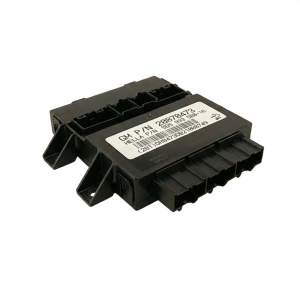
- Body Control Module (BCM)
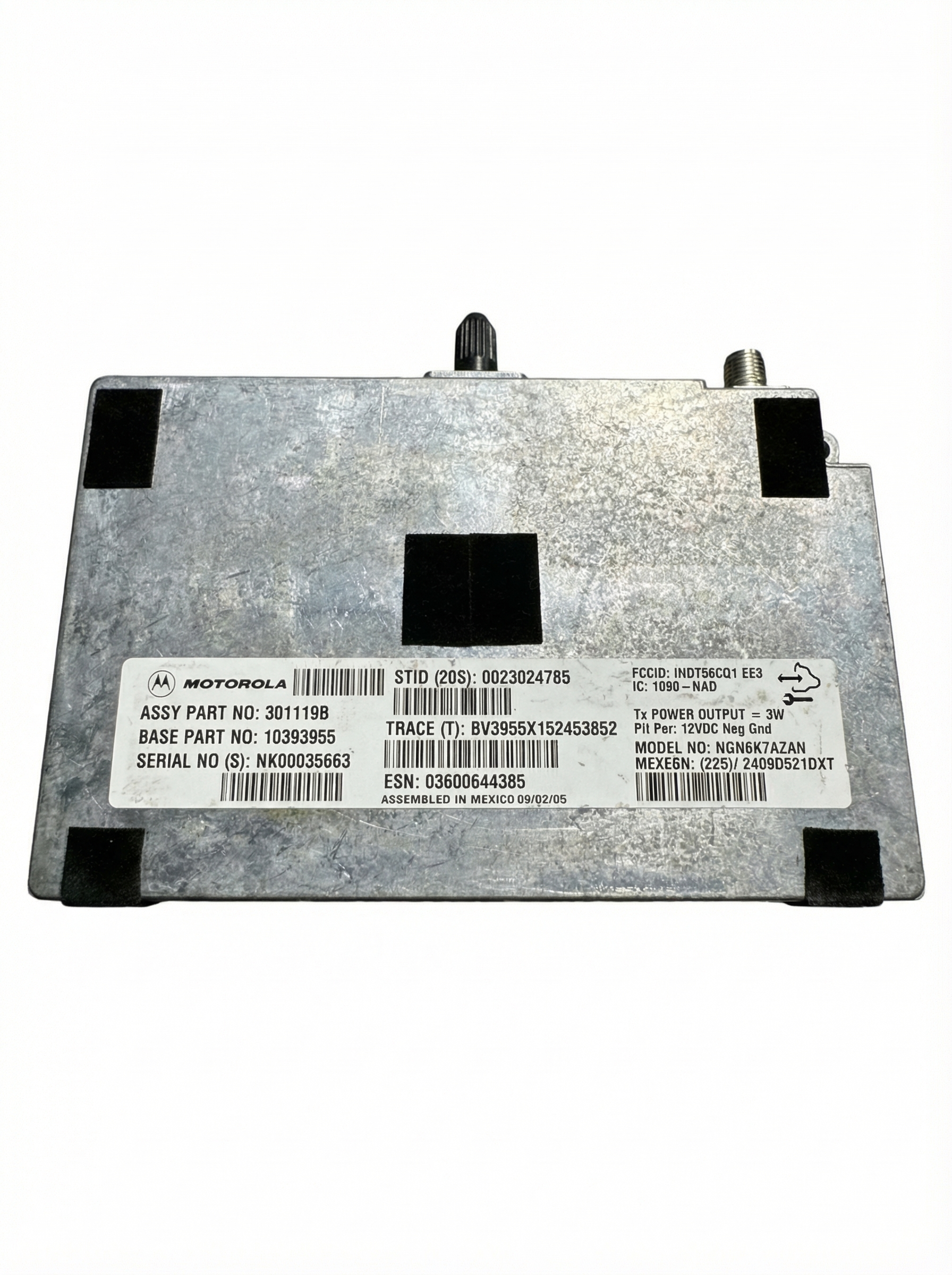
(OEM #25816709 (Primary for 06-08). Alternate/Superseded numbers include: 15785617, 15802491, 15802495, 15926780, 15926781, 15951588, 25816710.)— This is the module that most commonly fails due to water damage on the H3, and its replacement is the primary trigger for the U2101 code.
Trusted brands: ACDelco (OEM), Dorman
OEM price range: $250-$425
Aftermarket price range: $150-$250
Related Codes That Often Appear With This One
- U0140 — This code means 'Lost Communication With Body Control Module'. It will often appear with U2101 because other modules on the network cannot talk to the improperly configured or failed BCM.
- B1000 — This is a general 'ECU Malfunction' code that can be set by the BCM itself when it has an internal fault or is not configured correctly.
- P0601 — This code means 'Internal Control Module Memory Check Sum Error'. It can be set if the BCM's internal memory is corrupted, often as a result of water damage.
Technical Service Bulletins (TSBs) & Recalls
- GM Bulletin 07-08-49-020K: This bulletin is a quick reference guide for instrument panel cluster (IPC) odometer programming, which is relevant because the BCM stores the odometer value on the H3. It confirms that a Tech 2 scan tool is used to set up a replacement BCM, which includes loading the odometer value.
- GM Bulletin 09-08-57-002C: While a general GM truck bulletin, it addresses the root cause of leaking sunroof drain hose connections and recommends a fix using Kent Automotive High-Tech Clear Sealer at the sunroof nipple.
Documented NHTSA Reports
While U2101 is a configuration mismatch code for the Hummer H3, other manufacturers use it for similar module configuration errors. For instance, NHTSA ODI #10694215 describes a vehicle where U2101 was present alongside a steering rack issue, while NHTSA ODI #11581420 notes U2101 appearing with multiple communication codes (U0121, U0140) and strange warning chimes.
Platform-Specific Known Issues
- The BCM is highly susceptible to water damage from clogged sunroof drain tubes, a widely documented issue on the GMT355 platform (H3, Colorado, Canyon).
- Because the BCM integrates the Passlock anti-theft system, an unprogrammed or failed module will almost always result in a no-start condition, making the vehicle immobile.
- A simple poor connection at the BCM's antenna plug can disable the keyless entry and TPMS systems, mimicking a more severe BCM failure.
Mechanic-Grade Diagnostic Values
- High Speed GMLAN Bus Voltage (at DLC pins 6 & 14) — expected: GMLAN High (Pin 6) should average 2.66V. GMLAN Low (Pin 14) should average 2.34V. Both are biased to 2.5V and toggle during communication.. Failure: Voltages stuck high or low, or no voltage, indicates a short or open in the communication circuit.
- Low Speed GMLAN Bus Voltage (at DLC pin 1) — expected: A single-wire network that toggles between 0V and 5V, communicating at 33 kbps.. Failure: Voltage stuck at 0V or 5V indicates a short to ground or power. No activity indicates an open circuit or module failure.
- CAN Bus Termination Resistance — expected: Approximately 60 Ohms when measured between Pin 6 and Pin 14 of the DLC (with battery disconnected).. Failure: A reading of 120 Ohms indicates one of the two terminating resistors is open. A reading of 0 Ohms indicates a short between the high and low circuits.
Scan Tool Commands That Help
- GM Tech 2 / GDS2: Service Programming System (SPS) — This function is required to flash a new or used BCM with the correct VIN, software, and vehicle-specific calibrations. It is the primary step to resolve the U2101 configuration mismatch.
- GM Tech 2 / GDS2: Setup SDM Serial Number in BCM — After programming the BCM, this function must be performed to link the BCM with the Sensing and Diagnostic Module (SDM, or airbag module). Failure to do this will often result in an airbag warning light and a B1001 code.
- GM Tech 2 / GDS2: Tire Type/Pressure Selection — Used during BCM setup to configure the Tire Pressure Monitoring System (TPMS) for the specific wheels and tires on the vehicle.
- GM Tech 2 / GDS2: Immobilizer System Component Programming — Required to program the Passlock anti-theft system components after BCM replacement, followed by the 30-minute relearn procedure.
Wiring & Ground Locations
- BCM Location — Behind the right front (passenger side) kick panel.. This location makes the BCM highly vulnerable to water damage from clogged sunroof drains, the primary cause of BCM failure leading to a U2101 code.
- G320 — Under the rear of the middle console carpet.. This is a major body ground point. A poor connection here could cause a variety of BCM-related electrical issues, although it is less likely to cause a U2101 than a programming error.
- BCM Connectors (X1-X7) — The multiple connectors plugging into the BCM behind the passenger kick panel.. Water damage from the sunroof drain leak often causes corrosion on the pins of these connectors, leading to BCM failure or communication errors. Inspecting these is a critical diagnostic step.
- Class 2 Serial Data Pin — Pin K on the Generator Battery Control Module connector; Pin 15/16 on PCM Connector C1.. This is the communication line used by the BCM to talk to other modules. While U2101 is a configuration error, a fault on this wire could cause communication loss that might be misdiagnosed.
Real Owner Repair Stories
- Hummer Forums user 'Michele31415' (Hummer H3 with 30,000 miles) — Key fob had very short range. Dealer diagnosed a bad BCM.
❌ Tried (didn't work) Dealer attempted to install a used replacement BCM but failed, claiming the VIN was hard-coded and couldn't be changed., Dealer reinstalled the original BCM.
✅ What actually fixed it The story highlights a critical secondary problem: after the failed BCM swap attempt, the odometer jumped from ~30,000 to ~174,000 miles and became frozen. The final resolution was not posted, but the user was seeking a specialized BCM cloning/mileage correction service (like gmflash.com or upfix.com) because the dealer could not resolve the incorrect mileage issue they created. This confirms that installing a used BCM with higher mileage can permanently overwrite the cluster's odometer reading if not handled correctly.
OEM Part Supersession History
15785617, 15802491, 15802495→25816709 (primary for 2006-2008 models)— Standard part updates and revisions by the manufacturer.
Heads up: While multiple part numbers exist, they are not always interchangeable across all years or option packages without correct programming. It is critical to use a part number specified for the vehicle's year and options or use a cloning service. Using a BCM from a different year can introduce compatibility issues even after programming.
Model Year Variations Within This Range
- 2006-2008 vs 2009-2010: The communication protocol shifted from primarily Class 2 Serial Data in earlier models to a more widespread use of High Speed GMLAN (CAN bus) in later models (2009+). While the U2101 code's meaning is the same, the diagnostic approach for network issues may differ slightly. The BCM part numbers also change for the later model years.
Diagnostic Flowchart
Used vs. New Parts: Buying Guide for This Vehicle
When a used part is the smart pick: A used BCM is a very common and cost-effective choice for this repair, but ONLY if you use a mail-in cloning service. These services copy all critical data (VIN, mileage, key data, options) from your old, water-damaged BCM to the used donor BCM. This makes the replacement unit plug-and-play, avoiding expensive dealership programming and the risk of odometer corruption.
Donor-vehicle mileage cap: roughly under 999999 miles for the part to have meaningful remaining life.
What to inspect on the donor part:
- Verify the part number on the used BCM matches one of the compatible numbers for your vehicle's year.
- Inspect the connectors on the donor BCM for any signs of green or white corrosion, or bent pins. Reject any unit with visible damage.
- If possible, ask the seller if the donor vehicle had water intrusion issues. Avoid BCMs from known flood or leak-damaged vehicles.
OEM-only on this vehicle (don't cheap out):
- While the BCM itself can be a used part (if cloned), there are no other components in this specific repair that are typically replaced.
Aftermarket brands forum-validated for this vehicle:
- ACDelco (OEM Remanufactured)
- Dorman (Offers remanufactured units, but programming is still required)
Brands owners have reported issues with on this vehicle:
- Unknown, no-name brands from online marketplaces without a warranty or clear return policy should be avoided due to the critical nature of this component.
Real Owner Stories
Aggregated from forums and TSBs cited above. Mileages and costs reflect what owners reported in those sources.
2006 Hummer H3
Symptoms: No crank, no start, and the key would not come out of the ignition.
What fixed it: Identified a bad BCM, ordered a pre-programmed unit, installed it, and then performed the 30-minute security relearn procedure to get the vehicle started.
Cost: $549-$549
Source hint: Reddit.com/r/Hummer - Thread: '2006 Hummer H3, No crank, no start, key won't come out of the ignition.'
Hummer H3
Symptoms: Experienced months of minor electrical issues and Passlock problems, which eventually culminated in a total no-start situation after the sunroof drains clogged and soaked the interior.
What fixed it: The issue necessitated a BCM replacement.
Source hint: HummerForums.com - Thread: 'H3 wont start'
Related OBD-II Codes
Frequently Asked Questions
My 2007 Hummer H3 won't start and the security light is on. Is this related to the U2101 code?
I found water on the passenger side floor of my H3. Could this cause a U2101 code?
I just replaced the BCM in my H3 and now it won't start and shows U2101. What did I do wrong?
Can I just buy a used BCM from another 2008 H3 and swap it into mine to save money?
What is the 30-Minute Security Relearn Procedure and when do I need to do it?
My keyless entry and TPMS stopped working at the same time I got the U2101 code. Is the entire BCM fried?
How do I permanently fix the sunroof leak that damages the BCM?
Helpful Videos

Used OEM Parts in Stock
New Aftermarket Parts Available

The information in this article is provided for general reference and educational purposes only. Vehicle specifications, procedures, and part compatibility can vary by production date, trim level, and region. Always consult your vehicle's factory service manual and verify part numbers before purchasing or performing repairs. Safety-critical components such as airbags, seat belts, and braking systems should be installed by a qualified professional.
- Hummer H3:
- 🧭 Diagnostic Flowchart
- 🎬 Helpful Videos
- 🛍️ Shop This Part
- What's Unique About the 2006-2010 Hummer H3
- Symptoms You May Notice
- Most Likely Causes
- Rare But Worth Checking
- Diagnosis Steps
- Parts You'll Likely Need
- Related Codes That Often Appear With This One
- Technical Service Bulletins (TSBs) & Recalls
- Documented NHTSA Reports
- Platform-Specific Known Issues
- Mechanic-Grade Diagnostic Values
- Scan Tool Commands That Help
- Wiring & Ground Locations
- Real Owner Repair Stories
- OEM Part Supersession History
- Model Year Variations Within This Range
- Used vs. New Parts: Buying Guide for This Vehicle
- Real Owner Stories
- 2006 Hummer H3
- Hummer H3
- Related OBD-II Codes
- Frequently Asked Questions
- 🎟️ Get 5% Off