

U3000 on 2010-2016 Porsche Panamera: Control Module Fault Diagnosis and Fixes
U3000 on a 2010-2016 Panamera indicates a generic control module failure. Most often, this is caused by a water-damaged Rear Body Control Module (BCM) located in the trunk on the right side, near the battery. Check for dampness in the trunk, especially after rain, before replacing any parts.
- U3000 is a generic code; you MUST use a high-level scan tool to find out which module is at fault.
- On a 2010-2016 Panamera, immediately suspect the Rear Body Control Module (BCM) and check the trunk for any signs of water or dampness.
- Before condemning any expensive module, ensure the vehicle's battery is fully charged and healthy, as low voltage can trigger this code.
- If you find water damage, replacing the module is not enough. You must find and fix the source of the leak, which is usually a clogged drain.
What's Unique About the 2010-2016 Porsche Panamera
The first-generation (970) Panamera uses a sophisticated network of control modules, including separate Front and Rear Body Control Modules (BCMs). The platform's most well-documented electrical vulnerability is the Rear BCM's susceptibility to water damage. Clogged drains from the sunroof or rear spoiler can allow water to accumulate in the trunk where the module is located, leading to corrosion, short circuits, and a host of electrical failures that manifest as a U3000 code. Forum users on Rennlist and 6speedonline frequently report this exact failure mode.
Symptoms You May Notice
- Multiple, unrelated warning lights on the dashboard (e.g., airbag, ABS, chassis faults, tail light defective).
- Erratic or non-functional electronics, such as power windows, door locks, interior lights, or the radio.
- Parasitic battery drain that causes a dead battery after the vehicle sits.
- Key fob not being recognized, or problems with the keyless entry system.
- Vehicle fails to start, with some electronics working but others dead.
- Climate control system is unresponsive or operates unexpectedly.
- Spoiler warning light or failure of the active spoiler to operate.
- Power trunk lid fails to open or close.
- Air suspension failure warnings or the car sitting unevenly.
- Replacing individual components like window motors or light bulbs when the root cause is the BCM not powering them.
- Replacing the battery without addressing an underlying parasitic drain caused by a faulty, water-damaged BCM, leading to the new battery also dying.
- Replacing the spoiler motor or trunk latch when the failure is caused by the water-damaged Rear BCM that controls them.
Most Likely Causes
- Water-Damaged Rear Body Control Module (BCM) 🔴 High Probability → Shop Body Control Module The Rear BCM is located in the right-hand side of the trunk, an area prone to water collection from clogged sunroof, spoiler, or body drains. This is a widely documented failure point for the Panamera platform, with numerous owner accounts on forums like Rennlist.
How to confirm: After identifying the Rear BCM as the source with a scan tool, physically inspect the module. Pull back the right-side trunk carpeting and check for any signs of moisture, corrosion on the module's connectors, or a damp smell in the battery/fuse box area. Opening the water-damaged module often reveals a rusted or corroded circuit board.
Typical fix: Replace the Rear BCM and clean or replace its connectors if corroded. The source of the water leak must be identified and repaired by clearing drains (spoiler drains are common culprits) or replacing seals to prevent a repeat failure. The new BCM will require programming to the vehicle using a tool like PIWIS, though some owners have reported success with used, part-number-matched modules.
Est. part cost: $400-$800 - Low Battery Voltage or Failing Battery 🟡 Medium Probability → Shop Vehicle Battery Modern luxury cars with many electronic modules are highly sensitive to voltage. A battery that is weak or failing can cause modules to malfunction during startup, triggering false communication codes. A user on Rennlist with multiple communication codes found their issue was a dead battery after the car sat for months.
How to confirm: Test the battery's voltage and health with a multimeter or an electronic battery tester. Check the voltage with the car off (should be >12.4V) and while the engine is running (should be 13.7V-14.7V). Ensure the battery passes a load test.
Typical fix: Recharge or replace the vehicle's battery. Ensure the new battery is correctly registered (coded) to the vehicle's system using a scan tool to ensure proper charging and longevity.
Est. part cost: $250-$500 - Damaged Wiring or Corroded Connectors ⚪ Low Probability
How to confirm: This requires a visual inspection of the wiring harness connected to the module identified by the scan tool. Look for chafed wires, rodent damage, or green/white corrosion on connector pins. This is often a secondary effect of water intrusion that damaged the BCM.
Typical fix: Repair the damaged section of the wiring harness or clean/replace the corroded connector. One owner on Rennlist noted that after a BCM replacement, lingering electrical gremlins were traced back to rusted wires that also needed cleaning/repair.
Est. part cost: $50-$300
Rare But Worth Checking
- Failed Gateway Module: The Gateway module acts as the central router for all module communications. Its failure can cause widespread communication issues that could be reported as a U3000 fault in another module.
- Failed Engine Control Unit (ECU/DME): While less common than BCM issues, some sources report ECU failures on Panamera models, particularly around 2012, which could present with a U3000 code.
- Failed Front Body Control Module (BCM): → Shop Body Control Module The Panamera also has a Front BCM located under the driver's dashboard. While less exposed to water, it can still fail and cause widespread electrical issues.
Diagnosis Steps
- Scan the vehicle with a Porsche-specific diagnostic tool (e.g., PIWIS, iCarsoft POR V2.0) to identify which specific module has logged the U3000 fault. This is the most critical first step.
- Test the vehicle's battery and charging system to rule out low voltage as the cause. Ensure the battery is fully charged and passes a load test.
- If the Rear BCM is the implicated module, inspect the trunk area thoroughly for signs of water intrusion. Pull back the right-side trunk liner to access the module and check under the spare tire and around the battery and fuse box area for dampness or corrosion.
- If water damage is found, identify and clear the clogged drains. Common sources are the drains for the active spoiler and the sunroof. A YouTube video demonstrates clearing the spoiler drains with compressed air or a small tool.
- If no water is present, inspect the wiring and connectors going to the identified module for any visible damage, corrosion, or loose pins. Pay close attention to the large connectors on the BCM.
- If the battery, wiring, and connectors are all good, the module itself is the most likely fault and requires replacement.
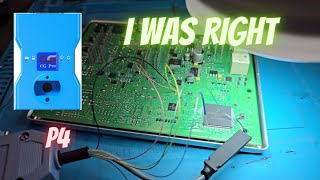
- After replacement, the new module must be programmed and coded to the vehicle's VIN and specific options. This is typically done with a PIWIS tool. Attempting to swap microchips from the old board to a new one can be done but is complex and may introduce new errors.
Parts You'll Likely Need
- Rear Body Control Module (BCM)
(OEM #97061826003 (example, must match original))— This is the most common point of failure on the 2010-2016 Panamera to cause a U3000 code, usually due to water damage in the trunk. Part number must be matched exactly from the original unit.
Trusted brands: Porsche (OEM)
OEM price range: $400-$800
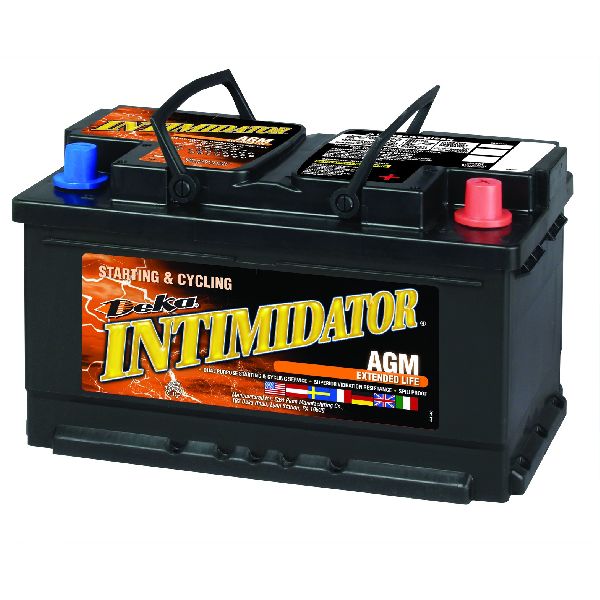
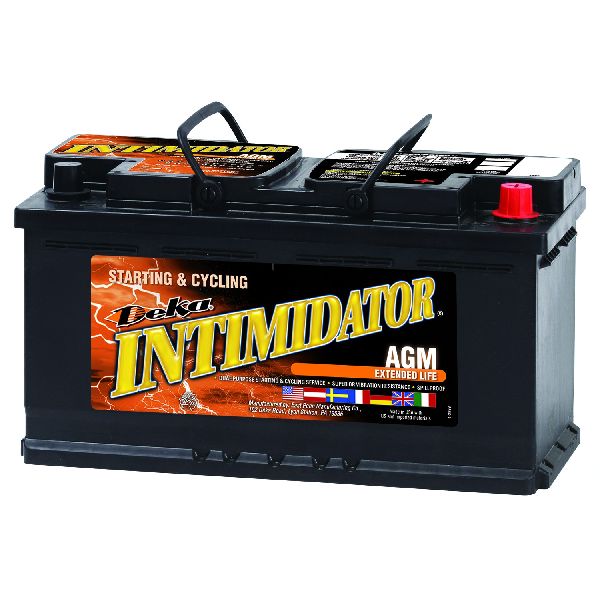
Aftermarket price range: $150-$300 (Used, e.g., from eBay) - AGM Battery — Low voltage is a frequent cause of spurious electronic faults. A healthy battery is critical, and it must be coded to the car upon replacement.
Trusted brands: Varta, Bosch, Interstate
OEM price range: $400-$600
Aftermarket price range: $250-$400
Related Codes That Often Appear With This One
- Multiple CAN bus codes (U-codes) — A U3000 code often signifies a network problem. If a primary module like the BCM or Gateway is failing, it can cause a cascade of communication errors with other modules on the network.
- Chassis System Failure — This warning is frequently associated with air suspension problems, which can be triggered by a faulty Rear BCM or low battery voltage.
Technical Service Bulletins (TSBs) & Recalls
- While not directly for U3000, Porsche has issued TSBs for water ingress issues. TSB 246/22 (ENU 5586 5) addresses checking for and sealing leaks around the rear lid and body seals to prevent damage to the rear lid lock, a related water-damage symptom.
Platform-Specific Known Issues
- The Rear Body Control Module in the 2010-2016 Panamera is highly vulnerable to water damage from clogged drains, a known issue for this generation.
- Spoiler drains are a primary culprit for water leaks into the trunk. Debris like leaves can block them, causing water to overflow into the electronics area.
- Sunroof drains can also become clogged and lead to water ingress, though this may present in the cabin footwells as well as the trunk.
Mechanic-Grade Diagnostic Values
- CAN Bus Resistance (entire network) — expected: ~60 Ohms. Failure: 120 Ohms indicates an open circuit or unplugged terminating module. ~0 Ohms indicates a short between CAN High and Low lines.
- CAN Bus Voltage (Key On, Engine Off) — expected: CAN High: ~2.6V to 3.5V (active); CAN Low: ~2.4V to 1.5V (active). Both lines idle near 2.5V.. Failure: Voltages that are stuck high/low, reversed, or one line at 0V indicate a short to power or ground.
- Disconnected Module CAN Port Resistance — expected: 28kΩ - 50kΩ. Failure: Significant deviation suggests an internal fault within the disconnected module.
Hidden / Shadow Codes Worth Checking
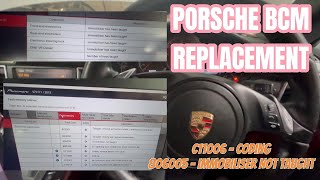
- 806005: Immobiliser Not Taught. This is not a standard DTC but a descriptive fault shown in PIWIS after a new or used BCM is installed without correct programming. It indicates the BCM is not synchronized with the vehicle's immobilizer system. (see via Porsche PIWIS diagnostic tool, under the Rear BCM fault memory after module replacement.)
- C11006: Coding. Another PIWIS-specific fault indicating the module has not been programmed with the vehicle's specific equipment and options (e.g., air suspension, spoiler type, etc.). (see via Porsche PIWIS diagnostic tool, under the Rear BCM fault memory after module replacement.)
Scan Tool Commands That Help
- PIWIS: Automatic coding — After installing a new control module (like a BCM), this function writes the vehicle's specific configuration data to the module. Often requires an online connection.
- PIWIS: Commission immobilizer — This is a critical security procedure required after replacing an immobilizer-related part like the Front or Rear BCM. It teaches the module to recognize the vehicle's keys. It requires both keys to be present and an online connection to Porsche servers.
- PIWIS: Integration test — After programming, this function checks all control units to ensure they are communicating correctly and their status is normal.
Wiring & Ground Locations
- Rear BCM — Right side of the luggage compartment, near the battery and fuse box area.. This is the most common module to fail and set a U3000 code due to its vulnerability to water damage from clogged drains in this location.
- Front BCM — Under the left side of the dashboard.. A less common but potential source of a U3000 code if it fails internally.
- MB13 / MB14 — Ground points located at the left end (MB13) and left center (MB14) of the cockpit cross member.. Poor grounds for the front BCM or other interior modules can cause communication faults. These are key locations to check for corrosion or looseness when diagnosing widespread electrical issues.
Real Owner Repair Stories
- Rennlist Forum User (Porsche Panamera 970) — Multiple errors on the dashboard after the car was stored.
❌ Tried (didn't work) Initial diagnosis pointed to multiple communication faults.
✅ What actually fixed it The root cause was a water-damaged Rear BCM due to a leaking boot seal. The user replaced the module and cooked wiring, but the car then threw multiple new errors. The fix required using a PIWIS II tool to properly code the new module to the car. The user noted that this likely required an online connection (PPN), making it a difficult DIY job without the right setup. - Rennlist Forum Discussion (Post-2010 Porsche Panamera) — N/A - Discussion on coding limitations.
❌ Tried (didn't work) Using aftermarket tools for deep ECU coding.
✅ What actually fixed it This was a preventative discussion. Multiple sources, including tuning companies, stated that after 2010, Panamera modules have distinct ID codes stored on Porsche's main server in Germany. Because the BCMs are tied to the immobilizer, replacing them requires a PIWIS tool with a live internet connection to Porsche's servers for programming. A used module cannot be simply swapped in without this online programming step.
Model Year Variations Within This Range
- 2014-2016 (970.2 Facelift): The 2014 facelift introduced significant changes. Panamera S/4S models switched from a 4.8L V8 to a 3.0L twin-turbo V6. The infotainment system (PCM) was updated, and exterior styling (headlights, taillights, bumpers) was revised. While the fundamental Rear BCM water ingress issue remains, the updated electronics and software mean that diagnosing and coding modules may differ slightly from the earlier 970.1 cars.
Documented NHTSA Reports
While the U3000 code on the Panamera is typically associated with Body Control Modules, it is important to note that across different manufacturers, this code can indicate internal module failures in other critical systems. For example, NHTSA ODI Investigation #PE14030 describes U3000 (specifically sub-codes like U3000-46, U3000-49, and U3000-96) in relation to electric power steering failures where the diagnostic protocol required the replacement of the entire electronic power assist system.
Diagnostic Flowchart
Other Known Issues on This Vehicle
Issues unrelated to this code that are worth knowing about as an owner of this generation:
- Air Suspension Failure 🔴 High — Common issue as the vehicles age. Failures can include leaking air struts/springs, faulty height sensors, or a burned-out compressor.
- Camshaft Adjuster Bolt Failure (V8 Models) 🔴 High — Affects 2010-2012 V8 models. The aluminum bolts can shear off, potentially causing catastrophic engine damage. (Ref: Recall 17V-368 / Porsche Campaign AH08)
- Coolant Pipe Leaks (V8 Models) 🟠 Medium — Early models had glued-in coolant pipes in the engine valley that would fail. Later revisions used a more secure bolt-in design. Leaks can also occur from plastic vent lines under the intake manifold.
- PDK Transmission Issues 🟠 Medium — While generally robust, failures of the PDK transmission can occur, often related to the electronically controlled clutch section. Symptoms include rough shifting or delayed engagement. Repairs are very expensive.
- Carbon Buildup on Intake Valves 🟡 Low — Like many direct-injection engines, the Panamera's engines can suffer from carbon buildup on the intake valves over time, leading to reduced performance and misfires.
Used vs. New Parts: Buying Guide for This Vehicle
When a used part is the smart pick: A used Rear BCM is a viable and cost-effective option ONLY IF you have access to a specialist who can clone the data from your original module to the donor module. The original module must be intact enough for its data to be read. If cloning is not an option, a used part offers no advantage over a new one, as both will require expensive online dealer programming.
Donor-vehicle mileage cap: roughly under 80000 miles for the part to have meaningful remaining life.
What to inspect on the donor part:
- The part number MUST match your original module exactly.
- Inspect the donor module's connectors for any signs of corrosion, bent pins, or heat damage.
- If possible, get information on the donor vehicle. Avoid parts from flood-damaged cars, as the module may have latent water damage even if it looks clean.
OEM-only on this vehicle (don't cheap out):
- Rear Body Control Module (BCM)
- Front Body Control Module (BCM)
- Gateway Module
Aftermarket brands forum-validated for this vehicle:
- For control modules on this platform, there are no known-good aftermarket 'brands'. The choice is between OEM new, OEM used (from a dismantler), or a remanufacturing/cloning service for your original unit.
Brands owners have reported issues with on this vehicle:
- Any used module sold 'as-is' without a guaranteed return policy should be avoided. The risk of receiving a non-programmable or faulty unit is high.
Real Owner Stories
Aggregated from forums and TSBs cited above. Mileages and costs reflect what owners reported in those sources.
2010-2016 Porsche Panamera (970)
Symptoms: The owner described a 'FUBAR' rear BCM with multiple electrical issues and questioned if a used module would work.
What fixed it: Replacement of the Rear BCM; the owner noted that lingering electrical gremlins required cleaning and repairing rusted wires in the harness that were also damaged by water.
Source hint: Rennlist - 'rear control issues (will a used one work?)'
2010-2016 Porsche Panamera (970)
Symptoms: Multiple communication codes appeared after the vehicle had been sitting for several months.
What fixed it: Testing and replacing the dead battery to restore proper voltage to the electronic modules.
Source hint: Rennlist owner account
Related OBD-II Codes
Frequently Asked Questions
Does Porsche TSB 246/22 apply to the water ingress causing my U3000 code?
Can I use a used Rear BCM from another 970 Panamera to fix this?
Why is my active spoiler warning light on alongside the U3000 code?
Is the U3000 code related to the AH08 recall for my V8 Panamera?
Could a simple dead battery cause these multiple dashboard warning lights?
Where should I look for water damage if my Rear BCM is failing?
Helpful Videos

Used OEM Parts in Stock
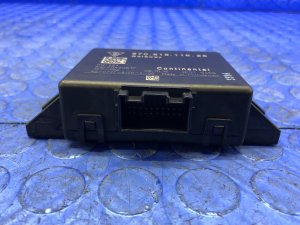
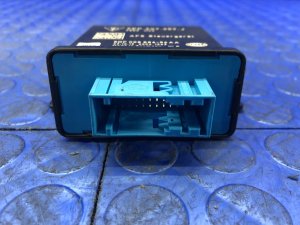
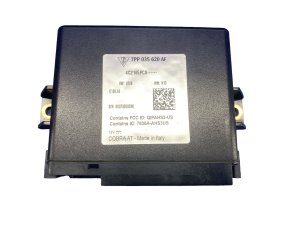
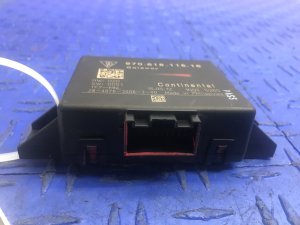
New Aftermarket Parts Available



The information in this article is provided for general reference and educational purposes only. Vehicle specifications, procedures, and part compatibility can vary by production date, trim level, and region. Always consult your vehicle's factory service manual and verify part numbers before purchasing or performing repairs. Safety-critical components such as airbags, seat belts, and braking systems should be installed by a qualified professional.
- Porsche Panamera:
- 🧭 Diagnostic Flowchart
- 🎬 Helpful Videos
- 🛍️ Shop This Part
- What's Unique About the 2010-2016 Porsche Panamera
- Symptoms You May Notice
- Most Likely Causes
- Rare But Worth Checking
- Diagnosis Steps
- Parts You'll Likely Need
- Related Codes That Often Appear With This One
- Technical Service Bulletins (TSBs) & Recalls
- Platform-Specific Known Issues
- Mechanic-Grade Diagnostic Values
- Hidden / Shadow Codes Worth Checking
- Scan Tool Commands That Help
- Wiring & Ground Locations
- Real Owner Repair Stories
- Model Year Variations Within This Range
- Documented NHTSA Reports
- Other Known Issues on This Vehicle
- Used vs. New Parts: Buying Guide for This Vehicle
- Real Owner Stories
- 2010-2016 Porsche Panamera (970)
- 2010-2016 Porsche Panamera (970)
- Related OBD-II Codes
- Frequently Asked Questions
- 🎟️ Get 5% Off