


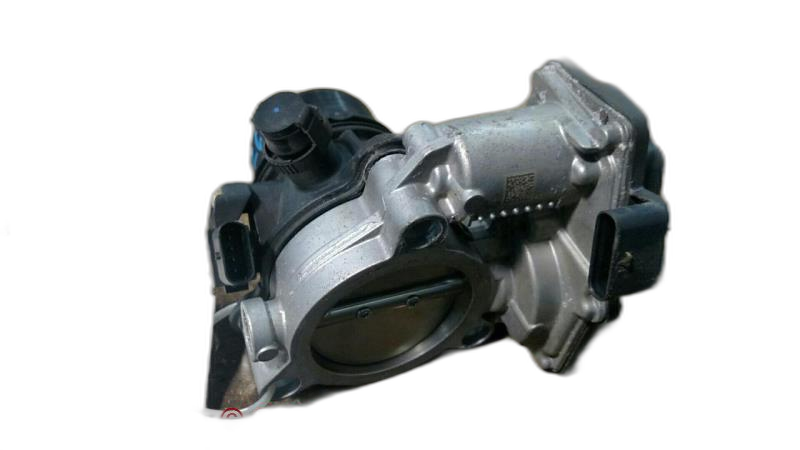

Warning Signs of a Failing Throttle Body Assembly
- Rough Idling: The engine idles unevenly or stalls.
- Poor Acceleration: The car hesitates or lacks power when accelerating.
- Check Engine Light: The check engine light comes on, often with codes related to the throttle body.
- Decreased Fuel Economy: You may notice you're not getting as many miles per gallon.
- Engine Surging: The engine speed increases and decreases erratically.
Testing the Throttle Body Assembly
- Visual Inspection: Check for dirt, carbon buildup, or damage to the throttle body.
- Scan for Codes: Use an OBD-II scanner to retrieve any trouble codes.
- Throttle Body Cleaning: Clean the throttle body and see if the symptoms improve. If cleaning helps temporarily, the throttle body may be failing.
- Voltage Test: Use a multimeter to check the voltage at the throttle position sensor. Refer to your vehicle's service manual for correct values.
- Live Data: Use a scan tool to monitor the throttle position sensor readings while operating the throttle. Look for smooth and consistent readings.
Common Failure Causes
- Carbon Buildup: Deposits accumulate on the throttle plate and bore, restricting airflow.
- Electrical Issues: Problems with the throttle position sensor or motor can cause malfunctions.
- Wear and Tear: Over time, the moving parts can wear out.
- Moisture Intrusion: Water or other fluids can damage the electrical components.
- Vacuum Leaks: Leaks in the intake system can affect throttle body performance.