

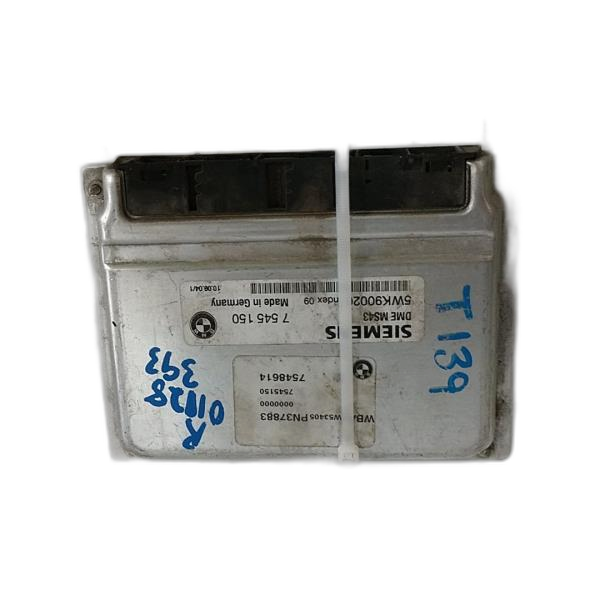
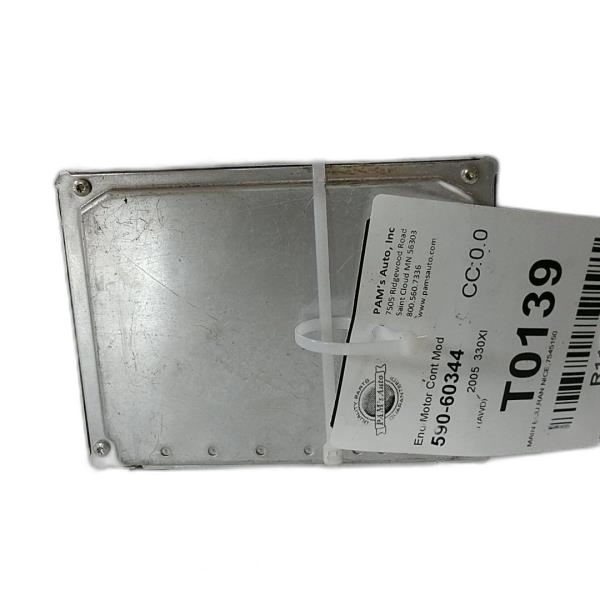
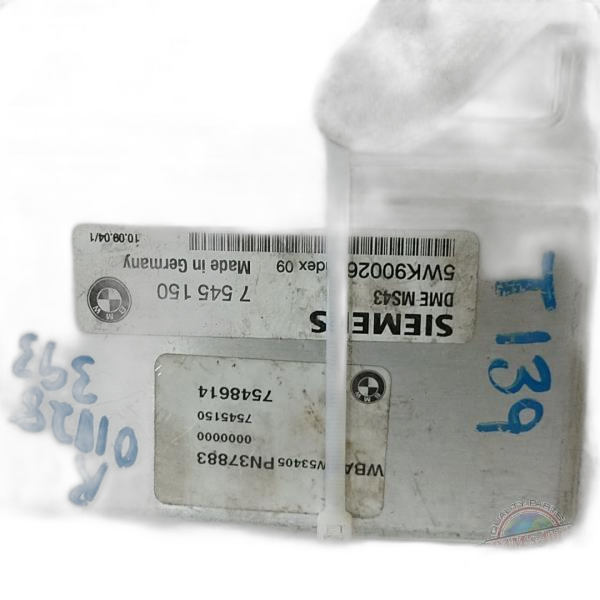

Warning signs that your Engine Control Unit (ECU) might be failing include:
- Check Engine Light: This is often the first sign. The light might come on and off.
- Engine Stalling: The engine might suddenly stop running, especially at idle.
- Poor Engine Performance: You might notice a decrease in power, rough idling, or hesitation during acceleration.
- Reduced Fuel Economy: Your car might use more gas than usual.
- Starting Problems: The car might be hard to start or not start at all.
- Transmission Issues: Erratic or harsh shifting can sometimes be related to ECU problems.
To test if the ECU is the problem, a mechanic will typically:
- Check for any trouble codes stored in the ECU's memory using a scan tool.
- Inspect the wiring and connections to the ECU for damage or corrosion.
- Test the sensors and actuators that the ECU controls to make sure they are working properly.
- Perform a voltage and ground test on the ECU itself.
- Sometimes, a mechanic might temporarily install a known good ECU to see if the problem goes away. This is often the most definitive test.
Common causes of ECU failure include:
- Overheating: Excessive heat can damage the internal components of the ECU.
- Voltage Spikes: Sudden increases in voltage can fry the ECU.
- Water Damage: Moisture can cause corrosion and short circuits.
- Vibration: Constant vibration can loosen connections and damage components over time.
- Age: Like any electronic device, ECUs can simply wear out over time.