


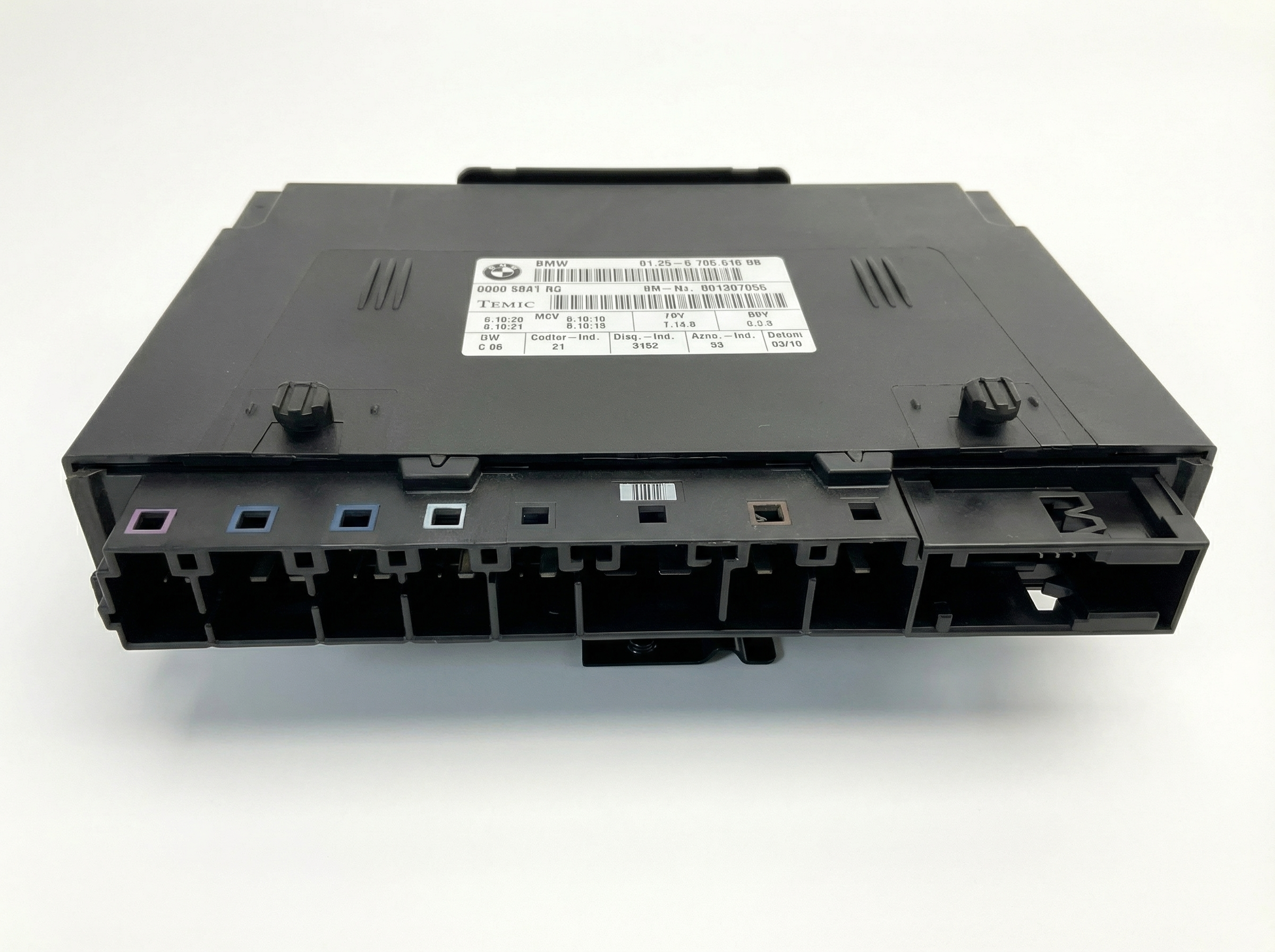

If your BMW's seat isn't moving like it should, or if you're having trouble adjusting it, the seat control module might be the problem. Here are some warning signs:
- The seat won't move forward, backward, up, or down.
- The seat only moves in one direction.
- The seat moves slowly or erratically.
- The seat memory function doesn't work.
- You hear a clicking sound from under the seat when trying to adjust it.
To figure out if the seat control module is the issue, you can try a few things. First, check the fuses related to the seat. A blown fuse is a common cause of seat problems. You can also use a scan tool to check for diagnostic trouble codes (DTCs) related to the seat control module. If you get a code pointing to the module, it's a good indication that it's failing. Another test is to swap the seat control module with one from a working seat (if applicable and possible). If the problem moves to the other seat, then you know the module is faulty.
Common reasons why these modules fail include:
- Water damage from spills or leaks.
- Electrical surges or shorts.
- Normal wear and tear over time.
- Corrosion on the connectors.