


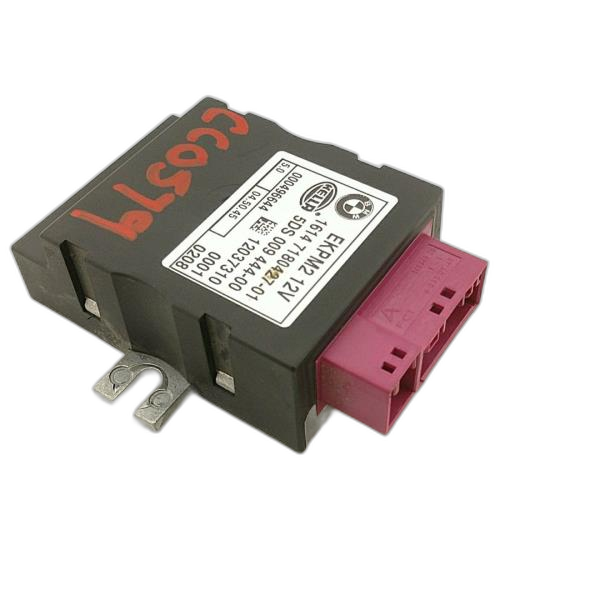
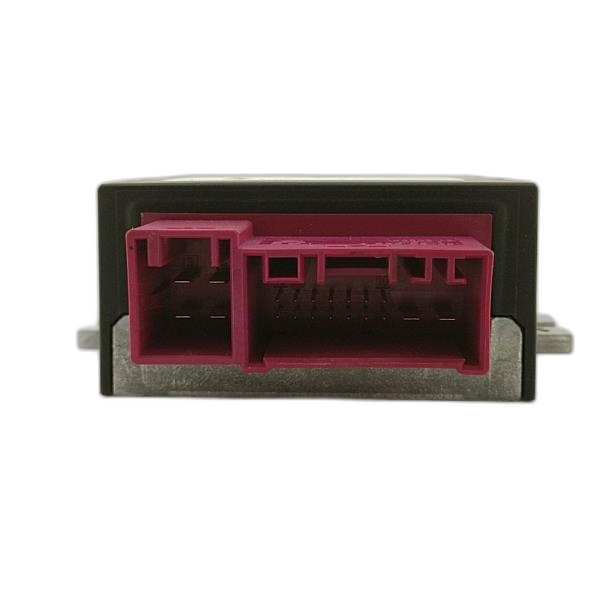
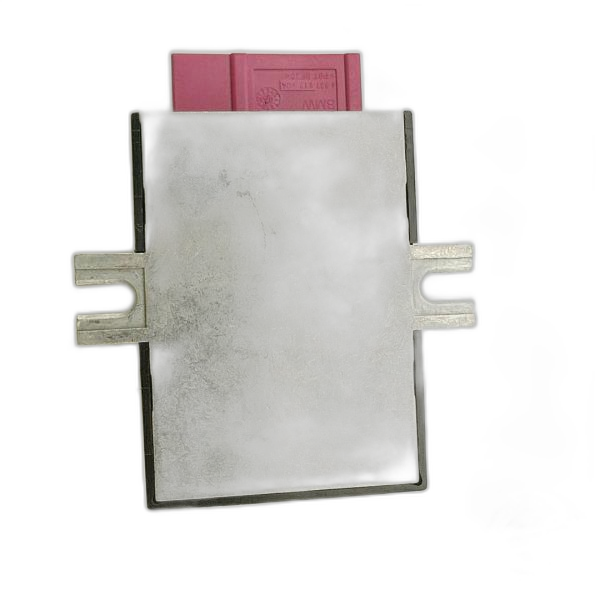
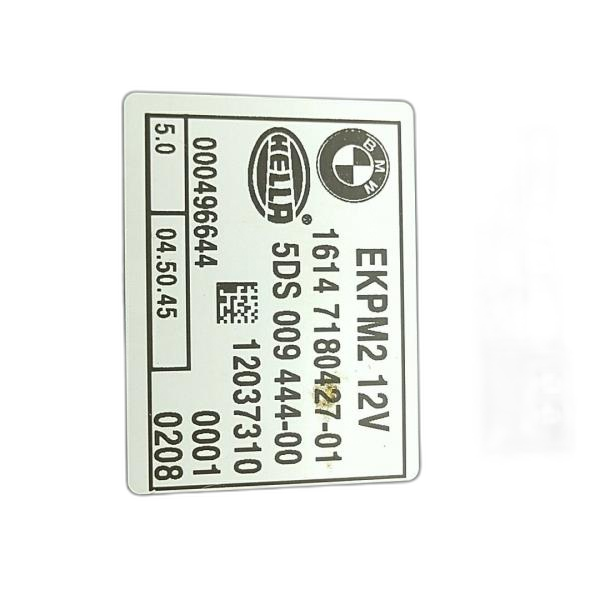

- Engine Stalling or Hesitation: A failing fuel pump control module can cause the engine to stall unexpectedly or hesitate during acceleration.
- Difficulty Starting: The car may take longer to start than usual, or may not start at all.
- Reduced Fuel Efficiency: The module might not be regulating fuel delivery correctly, leading to poor gas mileage.
- Check Engine Light: The check engine light may illuminate, often accompanied by specific diagnostic trouble codes (DTCs) related to fuel pump control.
- Erratic Fuel Gauge Readings: The fuel gauge may fluctuate erratically or provide inaccurate readings.
How to Test:
- Check for power and ground at the fuel pump control module connector using a multimeter.
- Use a diagnostic scanner to read any stored DTCs related to the fuel pump or fuel delivery system.
- Monitor fuel pressure at the fuel rail to see if it's within the specified range. A sudden drop in fuel pressure can indicate a module issue.
- Temporarily bypass the module (if possible and safe) to see if the fuel pump operates correctly. This is for diagnostic purposes only and should not be a permanent solution.
Common Failure Causes:
- Overheating: Excessive heat can damage the internal components of the module.
- Voltage Spikes: Electrical surges can fry the module's circuitry.
- Corrosion: Moisture and corrosion can affect the electrical connections and internal components.
- Vibration: Constant vibration can lead to component fatigue and failure.
- Fuel Pump Issues: A failing fuel pump that draws excessive current can overload and damage the module.