


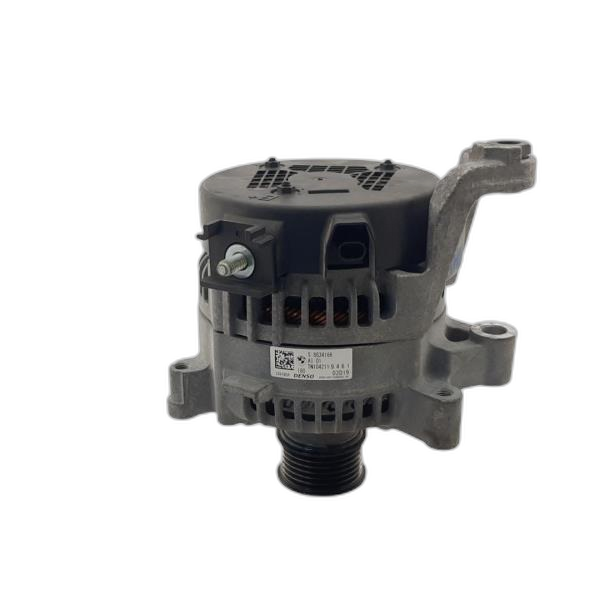
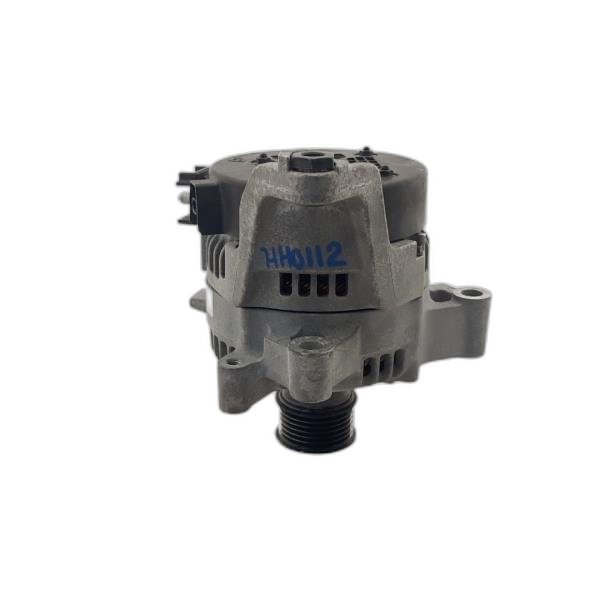
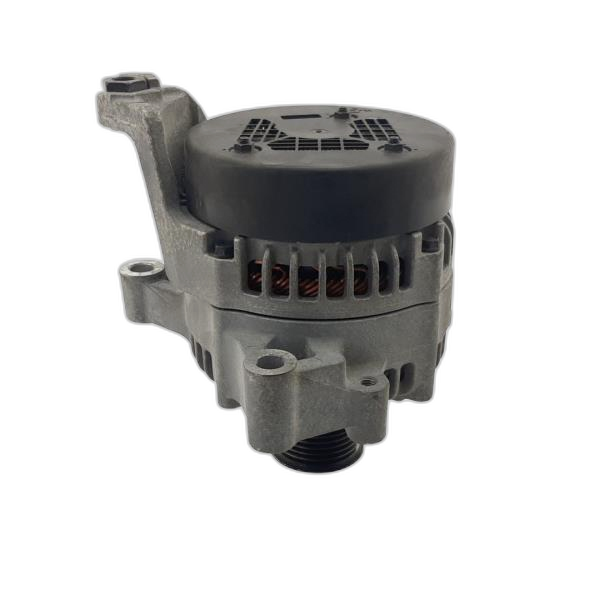



Warning Signs of a Failing High-Output Alternator
- Dimming headlights, especially at idle
- Battery warning light on the dashboard
- Slow or no-start condition
- Unusual noises, such as whining or grinding, coming from the alternator area
- Electrical issues like malfunctioning power windows or radio
Testing the Alternator
To determine if the alternator is the problem, you can perform a few simple tests:
- Voltage Test: Use a multimeter to check the voltage at the battery terminals while the engine is running. A healthy alternator should produce around 13.5 to 14.5 volts. Lower voltage indicates a potential alternator issue.
- Load Test: Have a professional perform a load test on the alternator. This test simulates the electrical demands of the vehicle and assesses the alternator's ability to maintain voltage under load.
- Visual Inspection: Check the alternator for any visible damage, such as cracked housings, loose wiring, or corrosion.
Common Failure Causes
- Overheating due to engine heat or restricted airflow
- Worn brushes or slip rings
- Faulty voltage regulator
- Damaged bearings
- Electrical shorts or surges