


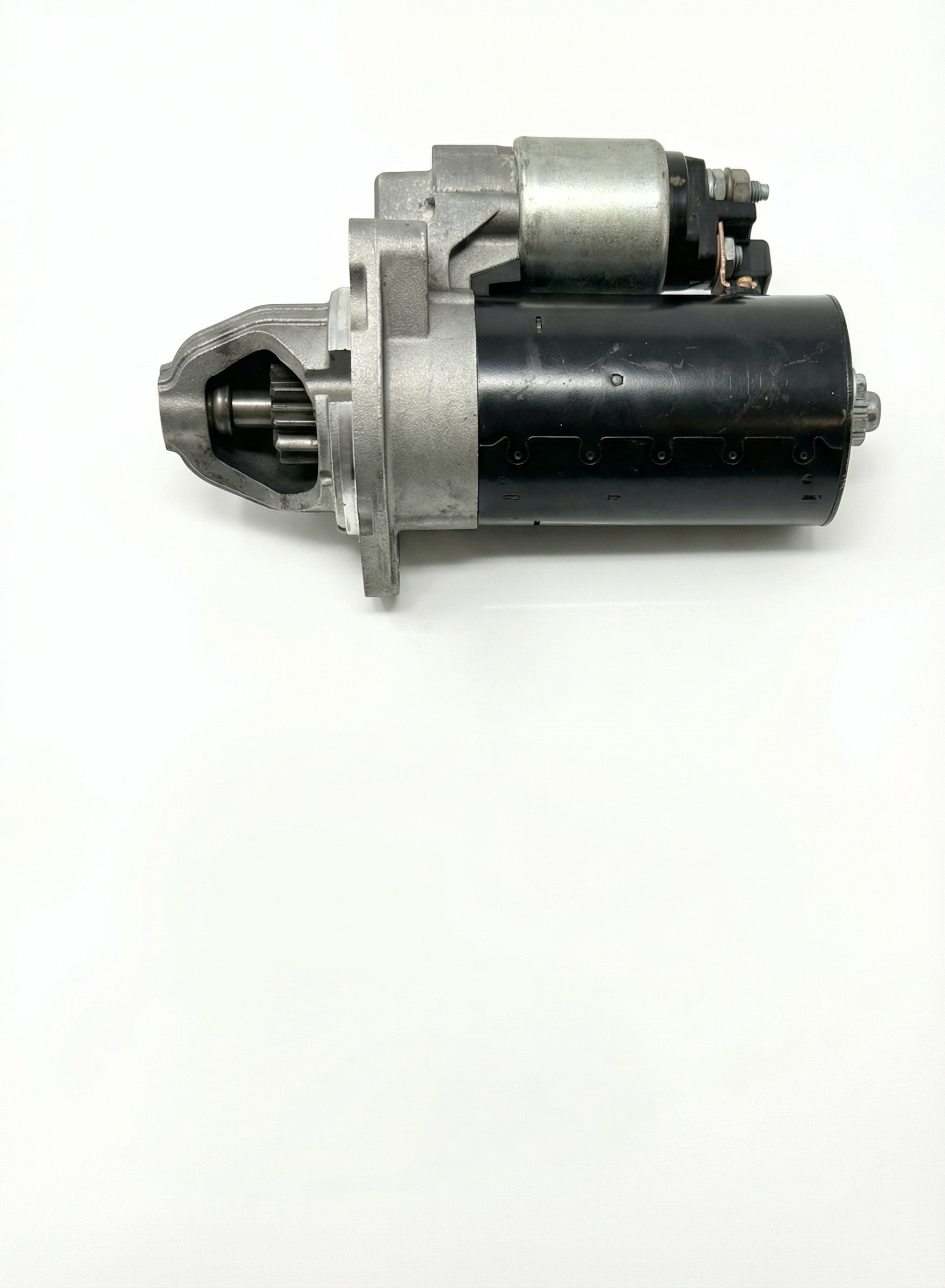

Warning Signs the Starter Motor is Failing
- Slow or sluggish engine cranking when you turn the key
- Clicking sound when trying to start the car, but the engine doesn't turn over
- Engine starts intermittently or requires multiple attempts
- Grinding noise during startup
- Dashboard lights dim excessively when starting the car
How to Test if This Part is the Problem
- Check the battery voltage. It should be at least 12.6 volts. A weak battery can mimic starter problems.
- Inspect the battery terminals and cables for corrosion or looseness. Clean and tighten them if necessary.
- Listen for a clicking sound from the starter when you turn the key. If you hear a click, but the engine doesn't turn, the starter solenoid might be faulty.
- Use a multimeter to check for voltage at the starter motor when the key is turned to the start position. If there's voltage, but the starter doesn't engage, the starter motor itself is likely the problem.
- If you're comfortable, you can try tapping the starter motor with a hammer while someone tries to start the car. Sometimes this can temporarily free a stuck starter. However, this is only a temporary fix and indicates the starter needs replacement.
Common Failure Causes for This Part
- Wear and tear over time. The internal components of the starter motor, such as brushes and bearings, can wear out.
- Corrosion due to moisture and road salt exposure.
- Electrical problems, such as shorts or open circuits in the starter solenoid or motor windings.
- Overheating due to repeated starting attempts.
- Oil or fluid leaks contaminating the starter motor.