



Contact Us
USA Flag
SUPPORT
SMALL BUSINESS
📦 My Cart
- OR -

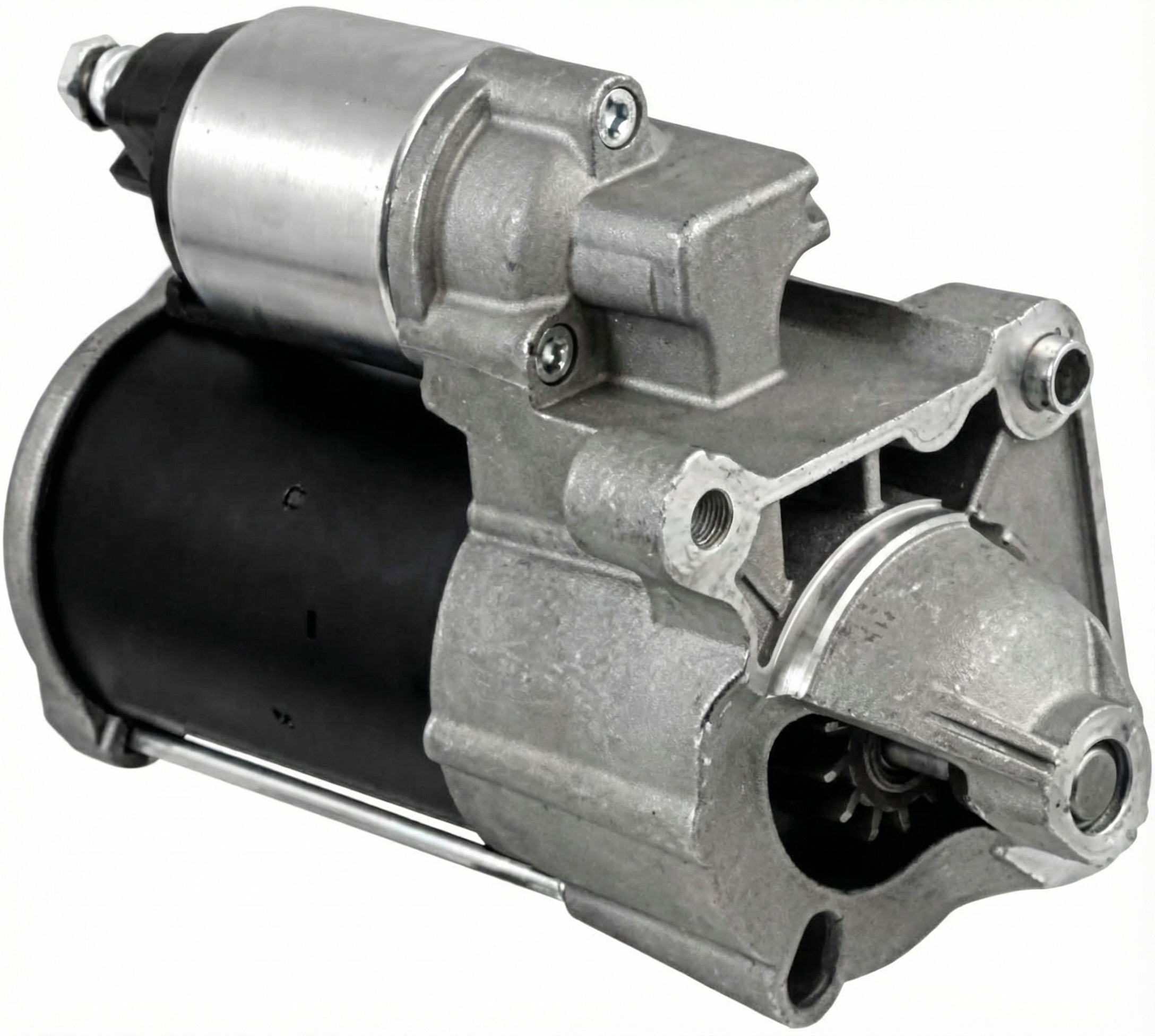
2012 - 2016 BMW Z4 Starter Motor (OEM)

Only 1 left in stock
$89.95

ℹ️ Product Notes

This is a used Starter Motor. It fits gasoline models that have a manual transmission (MT). This part does not include brakes.

Only fits models with a manual transmission. Will not fit automatic cars. Check your transmission type before buying.
Condition: Excellent (A)
Like new, minimal to no wear
71,118 miles
Odometer reading when part was removed
SKU #
7996625-03985-406

Why Buy Used OEM Parts?

✓ Quality-Verified: Every used OEM part we sell has been professionally inspected and tested to ensure it meets our quality standards. While it may show some cosmetic wear from previous use, it's fully functional and ready to install.

✓ Original Equipment: This is a genuine OEM (Original Equipment Manufacturer) part - the exact same part that came with your vehicle from the factory. It's designed specifically for your make and model, ensuring perfect fitment and performance.

✓ Works Like New: Despite some visual wear, this part will perform just as well as a brand new one. The internal components and functionality are intact, giving you the same reliability you'd expect from OEM quality.

✓ Significant Savings: Save 50-80% compared to buying new! Used OEM parts offer exceptional value - you get factory quality at a fraction of the cost. It's the smart choice for budget-conscious vehicle owners who won't compromise on quality.

✓ Risk-Free Purchase: We stand behind our used parts with a generous 6-month warranty, 30-day returns, and 100% money-back guarantee. If it doesn't work out for any reason, simply return it for a full refund. You have nothing to lose!

🛡️ 30-Day Returns + 6-Month Warranty - Buy with Confidence!

Wrenchy the Robot

Meet Wrenchy - The Amazing Parts Assistant!Meet Wrenchy
The Amazing Assistant!

Let Wrenchy help you confirm if this is the right part.

Ask Wrenchy -
Type or Speak! 🎤

Vehicle Fitment Guide

This part fits the following vehicles:

Fitment information is being updated. Please contact us to verify compatibility.

Policies

Shipping & Handling

  • Standard shipping: 3-7 business days via UPS Ground
  • Parts are carefully packaged to prevent damage during transit

Returns (30 Days)

We accept returns within 30 days of delivery for this part.

  • Defective parts: We will replace the part or issue a refund at our discretion
  • Electronic parts: Must be returned with the sealed inspection bag unopened. The clear bag allows full visual inspection before opening. Once opened, electronic parts can only be exchanged for a replacement if defective — no refunds
  • Programming: "Needs to be programmed to my vehicle" is not a valid return reason. Many modules require dealer programming — we're happy to help connect you with resources if your dealer says it's not programmable
  • Return shipping: We cover return shipping as part of our 100% money-back guarantee
  • Parts must be returned in original packaging and unmodified condition
  • Poorly packaged returns that arrive damaged will not be credited

6-Month Warranty

All used parts include a 6-month warranty from the date of purchase.

  • If your part fails within 6 months, we will send a replacement
  • Refunds are only issued if we cannot provide a suitable replacement
  • Warranty covers defects — not installation errors, misuse, or damage after installation

Note: Warranty is for replacement, not refund. A part failing on day 80? We'll replace it. But the return window for refunds is 30 days.

Damaged in Shipping?

If your part arrives damaged:

  • Stop immediately — do not install the part
  • Keep all original packaging and boxes
  • Take clear photos of the damage and packaging
  • Contact us within 48 hours of delivery

We will handle the carrier claim. You are not responsible for shipping damage — we just need your help documenting it.

Order Cancellation

Orders can be cancelled before shipment for a full refund. Once shipped, cancellations follow our return policy.

Symptoms & Diagnosis

Warning Signs Your Starter Motor is Failing

  • Slow or labored engine cranking
  • Clicking sound when trying to start the engine
  • Engine fails to crank at all
  • Intermittent starting problems (starts sometimes, not others)
  • Grinding noise during starting

How to Test if This Part is the Problem

  1. Check the battery voltage. It should be at least 12.6 volts. A weak battery can mimic starter problems.
  2. Inspect the battery cables for corrosion or looseness. Clean and tighten them if necessary.
  3. Have a helper turn the ignition key to the start position while you listen near the starter motor. If you hear a click, but the engine doesn't crank, the starter solenoid might be the issue.
  4. Use a multimeter to check for voltage at the starter motor when the key is in the start position. If voltage is present, but the starter doesn't engage, the starter motor itself is likely faulty.
  5. Rule out other potential issues like a faulty ignition switch or immobilizer system.

Common Failure Causes for This Part

  • Normal wear and tear over time
  • Corrosion due to moisture and road salt
  • Overheating
  • Internal component failure (solenoid, brushes, armature)
  • Oil or fluid contamination

Buyer's Checklist

What to Look For When Buying This Part

  • Compatibility with your specific Mini Cooper model and year.
  • Condition of the part (if buying used or refurbished).
  • Warranty offered by the seller.
  • Seller reputation and reviews.

Quality Indicators for the Available Options

FeatureUsed OEMRefurbished OEMNew Aftermarket
OriginOriginal factory partOriginal factory partThird-party manufacturer
ConditionUsed, tested, and inspectedRestored with new componentsBrand new
PriceTypically the lowestMid-rangeCan vary widely
ReliabilityCan be very reliable if properly testedGenerally reliable due to restorationReliability can vary by manufacturer
WarrantyVaries by sellerOften includes a warrantyOften includes a warranty

What's Typically Included with the Part

  • The starter motor assembly itself
  • Sometimes includes the solenoid (check the product description)
  • Mounting bolts may or may not be included (check the product description)

Installation Overview

Difficulty Level and Estimated Time

  • Difficulty: Intermediate
  • Estimated Time: 1-3 hours

Special Tools Needed (If Any)

  • Socket set
  • Wrench set
  • Screwdrivers
  • Torque wrench
  • Jack and jack stands (for safe access)

Critical Steps and Tips

  1. Disconnect the negative battery cable before starting any work.
  2. Locate the starter motor (typically near the engine block).
  3. Disconnect the electrical connections to the starter motor.
  4. Remove the mounting bolts securing the starter motor.
  5. Carefully remove the old starter motor.
  6. Install the new starter motor, ensuring proper alignment.
  7. Tighten the mounting bolts to the specified torque.
  8. Reconnect the electrical connections.
  9. Reconnect the negative battery cable.

Whether DIY is Recommended or Professional Installation is Better

  • DIY is possible for mechanically inclined individuals with experience.
  • Professional installation is recommended if you are not comfortable working on your car or lack the necessary tools.

Buying Options

Compare: Used OEM, Refurbished OEM, New Aftermarket

| Option | Pros the starter motor is a critical component for starting the engine. Here's a breakdown of potential issues, what to look for when buying a replacement, and other helpful information.

Warning Signs Your Starter Motor is Failing

  • Slow Cranking: The engine turns over slowly, or struggles to start.
  • Clicking Sound: A single click or rapid clicking when turning the key.
  • No Crank: The engine does not turn over at all.
  • Intermittent Starting: The engine starts sometimes, but not others.
  • Grinding Noise: A grinding or whirring noise during cranking.

How to Test if This Part is the Problem

  1. Check the Battery: Ensure the battery is fully charged and in good condition. A weak battery can cause similar symptoms.
  2. Inspect Connections: Check all wiring connections to the starter for corrosion or looseness. Clean and tighten as needed.
  3. Listen for the Solenoid: Have someone turn the key to the start position while you listen near the starter. A click indicates the solenoid is engaging. If you only hear a click, the starter motor may be faulty.
  4. Voltage Test: Use a multimeter to check for voltage at the starter motor when the key is in the start position. If voltage is present, but the starter doesn't engage, the starter motor is likely the problem.
  5. Rule Out Other Issues: Consider other potential causes, such as a faulty ignition switch or a problem with the immobilizer system.

Common Failure Causes for This Part

  • Wear and Tear: Normal use over time causes internal components to wear out.
  • Corrosion: Moisture and road salt can corrode internal parts.
  • Overheating: Excessive heat can damage the starter motor.
  • Faulty Solenoid: The solenoid can fail to engage the starter motor.
  • Worn Brushes: The brushes inside the starter motor wear down over time.

Buyer's Checklist

What to Look For When Buying This Part

  • Correct Fit: Verify the part is compatible with your specific Mini Cooper model and year.
  • Warranty: Check if the part comes with a warranty.
  • Seller Reputation: Buy from a reputable seller with positive reviews.
  • Condition (if used): If buying a used part, ensure it has been tested and inspected.

Quality Indicators for the Available Options

FeatureUsed OEMRefurbished OEMNew Aftermarket
OriginOriginal factory partOriginal factory partThird-party manufacturer
ConditionUsed, tested, and inspectedRestored with new componentsBrand new
PriceTypically the lowestMid-rangeCan vary widely
ReliabilityCan be reliable if properly testedGenerally reliable due to restorationReliability can vary by manufacturer
WarrantyVaries by sellerOften includes a warrantyOften includes a warranty

What's Typically Included with the Part

  • The starter motor assembly.
  • Mounting hardware may or may not be included (check the product description).

Installation Overview

Difficulty Level and Estimated Time

  • Difficulty: Intermediate
  • Estimated Time: 2-4 hours

Special Tools Needed (If Any)

  • Socket set
  • Wrench set
  • Screwdrivers
  • Torque wrench
  • Jack and jack stands (for safe access)
  • Wheel chocks

Critical Steps and Tips

  1. Disconnect Battery: Always disconnect the negative battery cable before starting any work.
  2. Locate Starter: Find the starter motor (usually near the engine block).
  3. Disconnect Wires: Carefully disconnect all electrical connections to the starter.
  4. Remove Mounting Bolts: Remove the bolts holding the starter in place.
  5. Install New Starter: Install the new starter, ensuring proper alignment.
  6. Tighten Bolts: Tighten the mounting bolts to the correct torque specification.
  7. Reconnect Wires: Reconnect all electrical connections.
  8. Reconnect Battery: Reconnect the negative battery cable.

Whether DIY is Recommended or Professional Installation is Better

  • DIY is possible for experienced DIYers.
  • Professional installation is recommended if you are not comfortable working on your car or lack the necessary tools.

Buying Options

Compare: Used OEM, Refurbished OEM, New Aftermarket

  • Used OEM: Best value for genuine factory parts. These parts are tested and inspected and offered at lower prices.
  • Refurbished OEM: Factory parts that have been professionally restored with new components.
  • New Aftermarket: Brand new parts made by third-party manufacturers to meet OE specifications.

All of these options can be good choices, depending on your budget and needs.

Typical Lifespan

How Long This Part Normally Lasts

  • Typical Lifespan: 5-7 years or 75,000-100,000 miles.

Factors That Affect Longevity

  • Driving habits (frequent short trips can shorten lifespan).
  • Climate (extreme temperatures can affect performance).
  • Maintenance (keeping the battery and electrical system in good condition).

Price Ranges

Budget vs Mid-Range vs Premium Options

  • Used OEM: $50 - $150
  • Refurbished OEM: $100 - $250
  • New Aftermarket: $80 - $300

Labor Cost Considerations If Applicable

  • Professional installation labor costs typically range from $100 - $300, depending on the shop rate and the complexity of the job.

Total Job Cost Estimates

  • DIY: $50 - $300 (depending on the part chosen)
  • Professional Installation: $150 - $600 (including parts and labor)

Vehicle-Specific Notes

Known Issues for This Vehicle's System Related to This Part

  • Some Mini Cooper models are known to have issues with oil leaks that can contaminate the starter motor.
  • Check for any Technical Service Bulletins (TSBs) related to the starter motor on your specific model year.

Any TSBs or Common Complaints

  • Research online forums and databases for common complaints about starter motor failures on your specific Mini Cooper model.

Verification After Install

How to Confirm Proper Operation

  • Start the engine several times to ensure it cranks quickly and smoothly.
  • Listen for any unusual noises during starting.

What to Look/Listen For to Verify It's Working Correctly

  • The engine should start quickly and easily.
  • There should be no clicking, grinding, or whirring noises during starting.
  • The starter motor should disengage immediately after the engine starts.

FAQ

Q: How do I know if it's the starter or the battery?
A: A weak battery will usually cause slow cranking, while a faulty starter might cause clicking or no cranking at all. Have your battery tested to rule it out first.

Q: Is it hard to replace the starter on a Mini Cooper?
A: It's an intermediate-level job. It requires some mechanical knowledge and the right tools. If you're not comfortable working on your car, it's best to have a professional do it.

Q: What does OEM mean?
A: OEM stands for Original Equipment Manufacturer. It means the part was originally made by the same company that made the part for your car when it was new.

Q: How long will a used starter last?
A: It's hard to say exactly. It depends on how old it is and how well it was maintained. But a tested and inspected used OEM starter can provide good value.

Q: Do I need to replace the solenoid when I replace the starter?
A: The solenoid is usually integrated into the starter motor assembly. So, when you replace the starter, you're also replacing the solenoid.

Part Specifications

OEM Part Numbers:

  • BMW: 12417649090, 12417649091
  • Bosch: 0001170200, 0001170201

Fits Years: 2012 2013 2014 2015 2016

Why Millions Choose Go-Parts

Your Go-To Place for Auto Parts!

6-Month Warranty

Shop with confidence and peace of mind

🏆

Trusted Since 2007

Over 19 years of excellence

🏅

OEM Quality

Meets or exceeds OE standards

🚚 Fast Shipping • ↩️ 30-Day Returns • 🎯 Perfect Fit Guaranteed

Racing Partner Videos

×

Search by Vehicle

1
2
3