



Warning Signs of a Failing Communication Control Module:
- Your vehicle may have trouble communicating with diagnostic tools.
- Warning lights on the dashboard may appear, such as the check engine light or other system-specific lights.
- You might experience issues with various electronic systems in your car, like the radio, navigation, or driver assistance features.
- The vehicle may exhibit intermittent or complete loss of communication between different modules.
- The car might not start, or it could stall unexpectedly.
Testing the Communication Control Module:
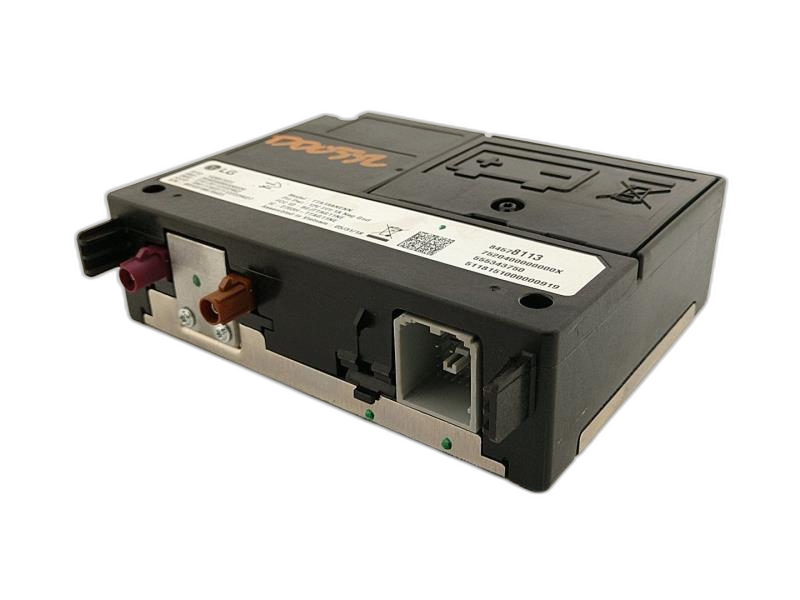
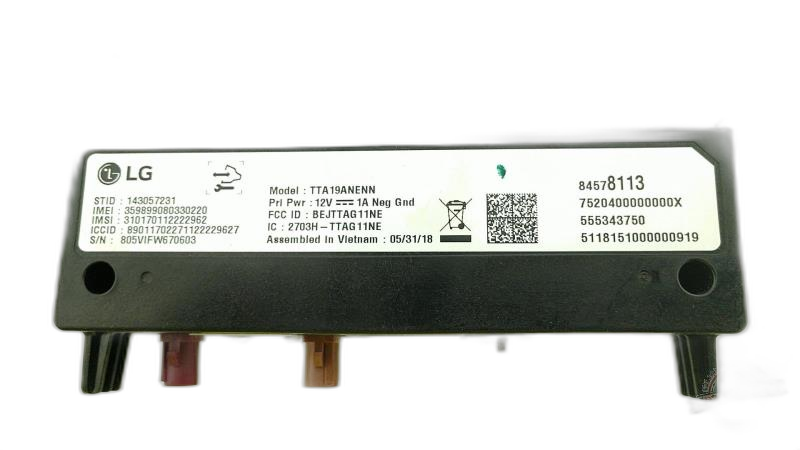
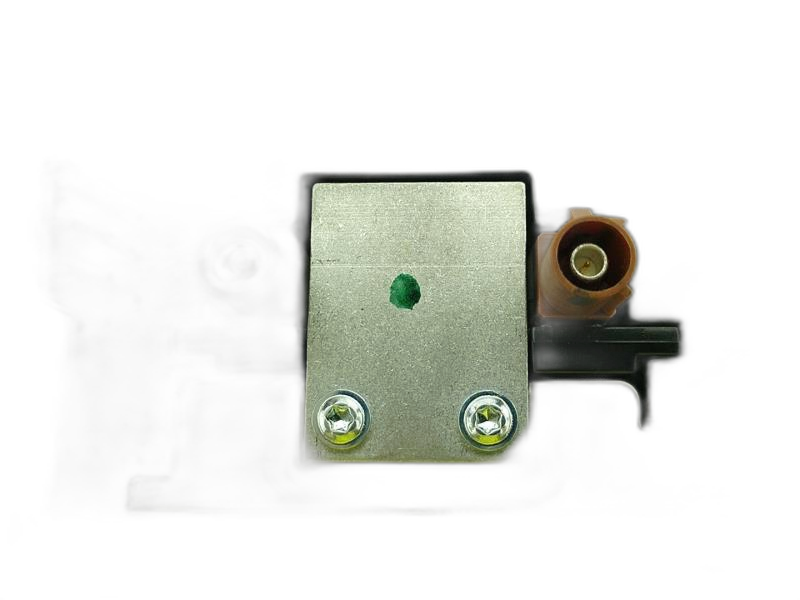
- Visual Inspection: Check the module for any signs of physical damage, such as corrosion or burnt components.
- Diagnostic Scan: Use an OBD-II scanner to check for communication-related trouble codes. A lack of communication with other modules is a key indicator.
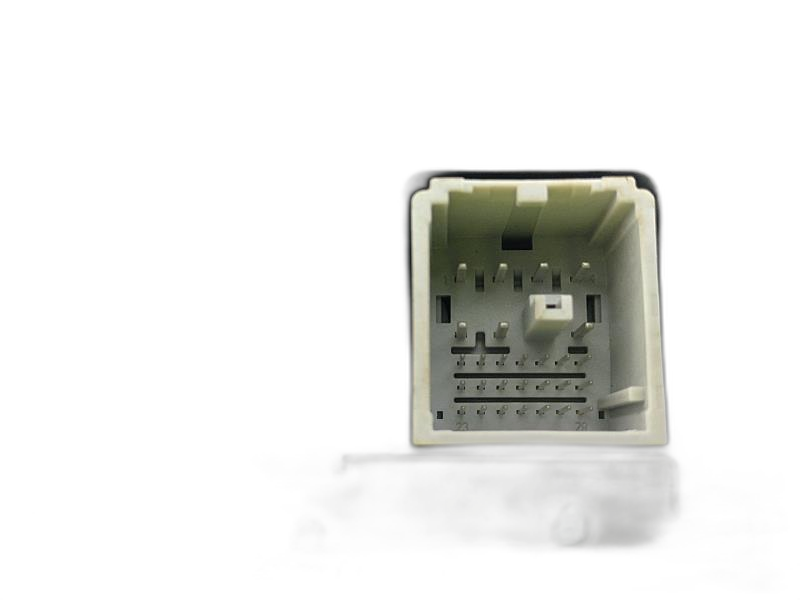
- Wiring Check: Inspect the wiring harness and connectors for any breaks, shorts, or loose connections.
- Power and Ground Check: Use a multimeter to verify that the module is receiving the correct power and ground signals.
- Module Swap (Advanced): If possible, temporarily swap the module with a known good one to see if the symptoms disappear. This should be done by a professional.
Common Failure Causes:
- Electrical Surges: Voltage spikes can damage the sensitive electronic components inside the module.
- Corrosion: Moisture and road salt can corrode the module's connectors and internal circuitry.
- Vibration: Constant vibration can weaken solder joints and cause internal components to fail.
- Overheating: Excessive heat can damage the module's internal components.
- Physical Damage: Impacts or accidents can physically damage the module.