

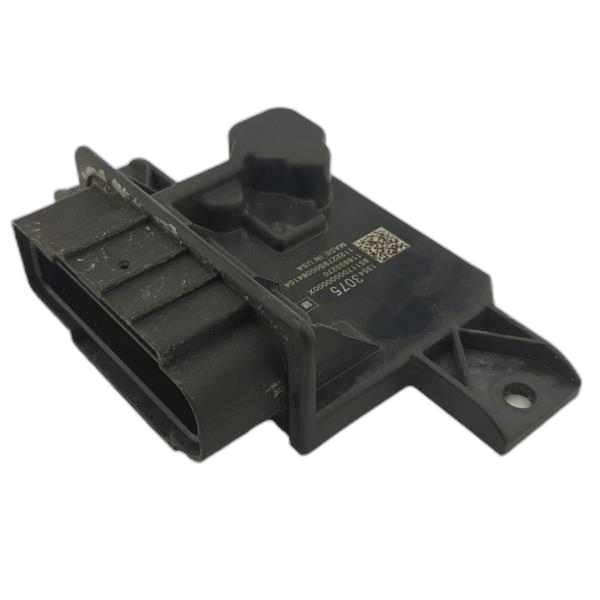
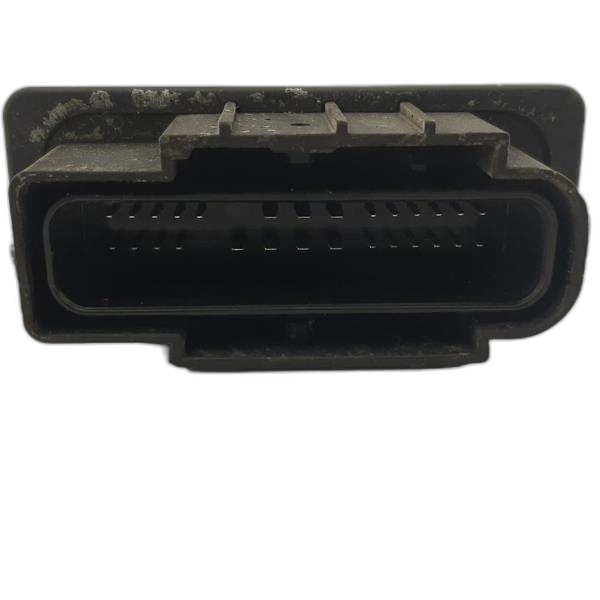
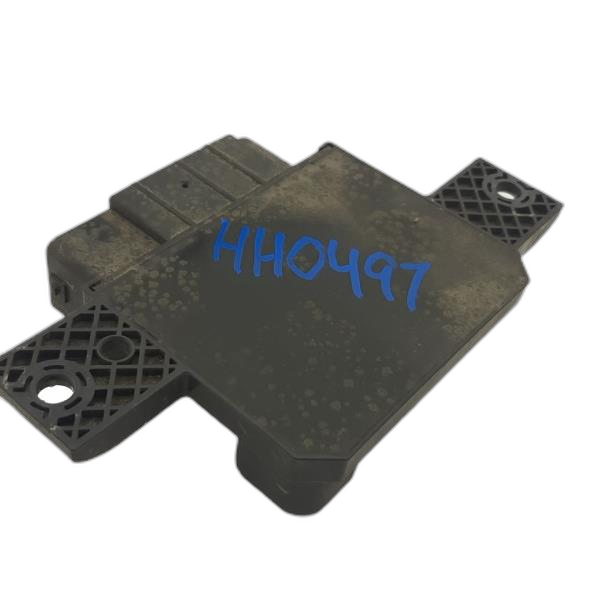
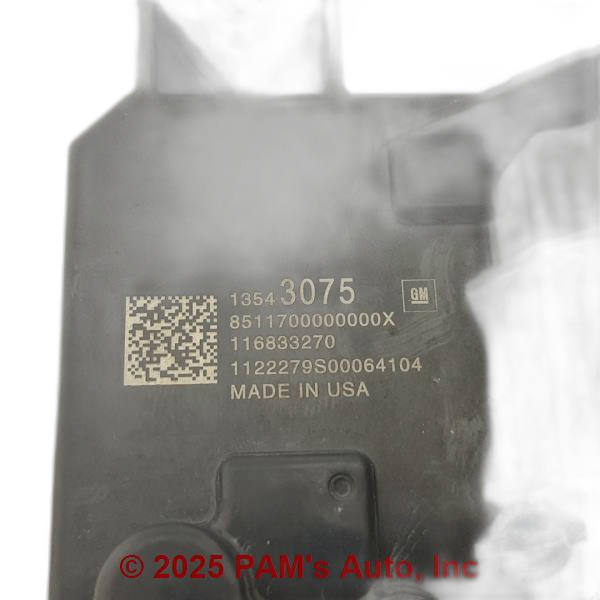

Warning signs your Fuel Pump Control Module might be failing:
- Engine Stalling: The engine might stall unexpectedly, especially when it's hot.
- Hard Starting: You might have trouble starting the car, or it might take longer than usual.
- Reduced Fuel Economy: You might notice that you're not getting as many miles per gallon as you used to.
- Check Engine Light: The check engine light might come on, and a code related to the fuel pump control module might be stored.
- Hesitation: The car might hesitate or stumble during acceleration.
- No Start Condition: The car might not start at all.
How to test if this part is the problem:
- Check the fuel pump relay and fuse. Make sure they are working correctly.
- Use a scan tool to check for diagnostic trouble codes (DTCs) related to the fuel pump control module or fuel pump.
- Check the wiring and connectors to the fuel pump control module for any damage or corrosion.
- Use a multimeter to check the voltage and ground signals to the fuel pump control module.
- If all other components check out, the fuel pump control module is likely the problem.
Common failure causes:
- Overheating: The fuel pump control module can overheat, especially if it's located in a hot area.
- Vibration: Constant vibration can damage the internal components of the module.
- Corrosion: Moisture and corrosion can damage the module's electrical connections.
- Electrical Surges: Voltage spikes can damage the module's sensitive electronics.
- Fuel Contamination: Contaminants in the fuel can damage the fuel pump, causing the module to work harder and fail sooner.