



Contact Us
USA Flag
SUPPORT
SMALL BUSINESS
📦 My Cart
- OR -

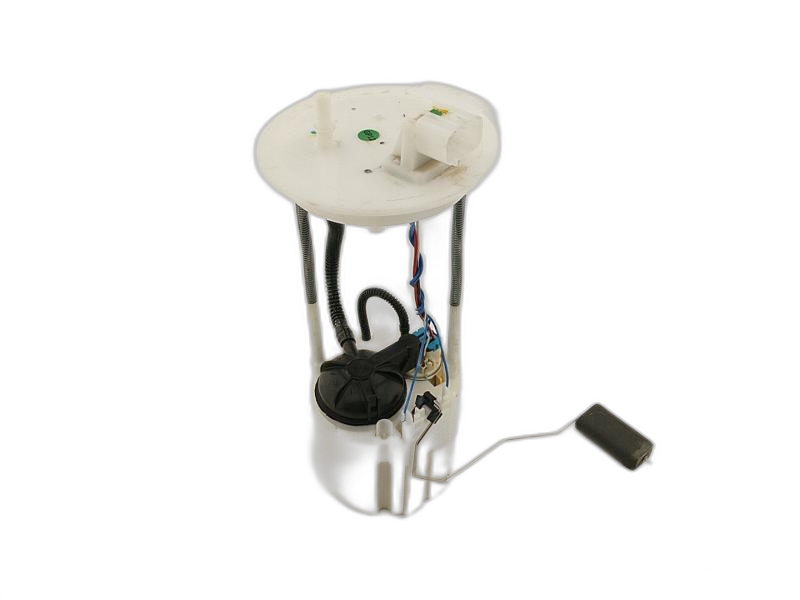
2021 - 2025 Chevrolet Trailblazer Fuel Pump Assembly (OEM)

IN STOCK
$99.95

ℹ️ Product Notes

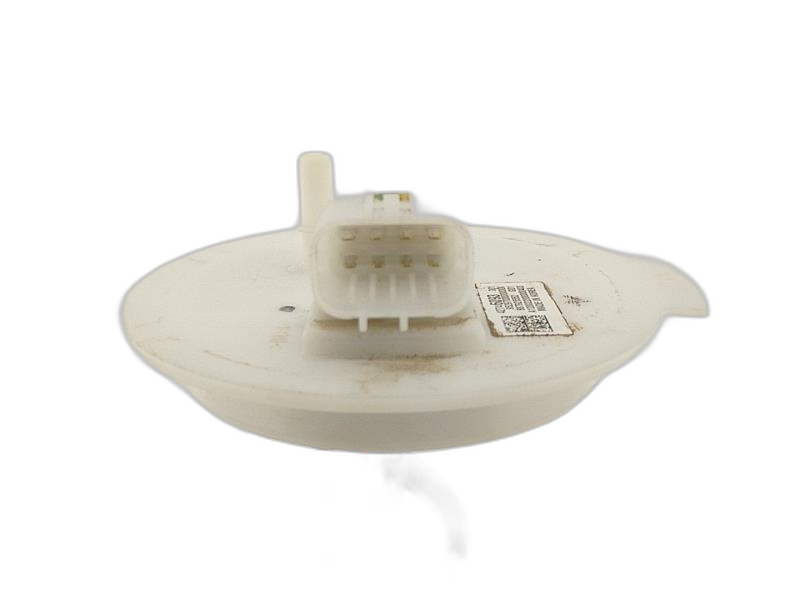
This is a used Fuel Pump. It comes as a complete assembly (ASSY). This part is designed for vehicles with All-Wheel Drive (AWD).

Fits All-Wheel Drive (AWD) models with 1.3L engine only. Includes the fuel level sending unit.
Condition: Excellent (A)
Like new, minimal to no wear
5,917 miles
Odometer reading when part was removed
SKU #
9205804-13501-323

Why Buy Used OEM Parts?

✓ Quality-Verified: Every used OEM part we sell has been professionally inspected and tested to ensure it meets our quality standards. While it may show some cosmetic wear from previous use, it's fully functional and ready to install.

✓ Original Equipment: This is a genuine OEM (Original Equipment Manufacturer) part - the exact same part that came with your vehicle from the factory. It's designed specifically for your make and model, ensuring perfect fitment and performance.

✓ Works Like New: Despite some visual wear, this part will perform just as well as a brand new one. The internal components and functionality are intact, giving you the same reliability you'd expect from OEM quality.

✓ Significant Savings: Save 50-80% compared to buying new! Used OEM parts offer exceptional value - you get factory quality at a fraction of the cost. It's the smart choice for budget-conscious vehicle owners who won't compromise on quality.

✓ Risk-Free Purchase: We stand behind our used parts with a generous 6-month warranty, 30-day returns, and 100% money-back guarantee. If it doesn't work out for any reason, simply return it for a full refund. You have nothing to lose!

🛡️ 30-Day Returns + 6-Month Warranty - Buy with Confidence!

Wrenchy the Robot

Meet Wrenchy - The Amazing Parts Assistant!Meet Wrenchy
The Amazing Assistant!

Let Wrenchy help you confirm if this is the right part.

Ask Wrenchy -
Type or Speak! 🎤

Vehicle Fitment Guide

This part fits the following vehicles:

Chevrolet
Trailblazer 2021-2025 (tapclick to expand)(tapclick to hide)
Swipe left/right to see more info
SubmodelSUB-
MODEL
Body Style Years Engine Attributes
ACTIV SUV 2021 - 2025 L3 1.3L Turbo AWD/FWD | Automatic & Automatic CVT
LS SUV 2021 - 2025 L3 1.3L Turbo AWD/FWD | Automatic & Automatic CVT
LT SUV 2021 - 2025 L3 1.3L Turbo AWD/FWD | Automatic & Automatic CVT
RS SUV 2021 - 2025 L3 1.3L Turbo AWD/FWD | Automatic & Automatic CVT
2023

⚠️ Important: Please verify your vehicle's year, make, model, and specifications before ordering. If you're unsure about fitment, contact our customer service team for assistance.

Policies

Shipping & Handling

  • Standard shipping: 3-7 business days via UPS Ground
  • Parts are carefully packaged to prevent damage during transit

Returns (30 Days)

We accept returns within 30 days of delivery for this part.

  • Defective parts: We will replace the part or issue a refund at our discretion
  • Electronic parts: Must be returned with the sealed inspection bag unopened. The clear bag allows full visual inspection before opening. Once opened, electronic parts can only be exchanged for a replacement if defective — no refunds
  • Programming: "Needs to be programmed to my vehicle" is not a valid return reason. Many modules require dealer programming — we're happy to help connect you with resources if your dealer says it's not programmable
  • Return shipping: We cover return shipping as part of our 100% money-back guarantee
  • Parts must be returned in original packaging and unmodified condition
  • Poorly packaged returns that arrive damaged will not be credited

6-Month Warranty

All used parts include a 6-month warranty from the date of purchase.

  • If your part fails within 6 months, we will send a replacement
  • Refunds are only issued if we cannot provide a suitable replacement
  • Warranty covers defects — not installation errors, misuse, or damage after installation

Note: Warranty is for replacement, not refund. A part failing on day 80? We'll replace it. But the return window for refunds is 30 days.

Damaged in Shipping?

If your part arrives damaged:

  • Stop immediately — do not install the part
  • Keep all original packaging and boxes
  • Take clear photos of the damage and packaging
  • Contact us within 48 hours of delivery

We will handle the carrier claim. You are not responsible for shipping damage — we just need your help documenting it.

Order Cancellation

Orders can be cancelled before shipment for a full refund. Once shipped, cancellations follow our return policy.

Symptoms & Diagnosis

Warning Signs of a Failing Fuel Pump Assembly

  • Difficulty starting the engine, especially when the engine is cold
  • Engine stalling or hesitation during acceleration
  • Rough idling or misfiring
  • Decreased fuel efficiency
  • Whining or buzzing noise coming from the fuel tank area
  • Check Engine Light illuminated on the dashboard

Testing the Fuel Pump Assembly

If you're experiencing these symptoms, it's important to determine if the fuel pump assembly is the culprit. Here's how you can test it:

  1. Listen for the fuel pump: Turn the ignition key to the "on" position (without starting the engine). You should hear a brief buzzing sound from the rear of the vehicle, near the fuel tank. This indicates the fuel pump is priming. If you don't hear anything, it could be a sign of a failing pump.
  2. Check fuel pressure: Use a fuel pressure gauge to measure the fuel pressure at the fuel rail. Consult your vehicle's repair manual for the correct pressure specifications. Low fuel pressure indicates a problem with the fuel pump.
  3. Inspect the fuel pump relay and fuse: A faulty relay or blown fuse can prevent the fuel pump from operating. Check these components before assuming the pump itself is bad.

Common Causes of Fuel Pump Assembly Failure

  • Contaminated fuel: Debris and contaminants in the fuel can clog the fuel filter and damage the fuel pump.
  • Running on empty: Regularly driving with a low fuel level can cause the fuel pump to overheat and fail prematurely. The fuel helps cool the pump.
  • Age and wear: Like any mechanical component, the fuel pump assembly will eventually wear out over time.
  • Electrical issues: Problems with the wiring or electrical connections can cause the fuel pump to malfunction.


Buyer's Checklist

What to Look for When Buying a Fuel Pump Assembly

  • Proper fit: Ensure the fuel pump assembly is designed specifically for your vehicle's year, make, and model.
  • Quality materials: Look for a fuel pump assembly made from durable materials that can withstand the harsh conditions inside the fuel tank.
  • Complete assembly: The fuel pump assembly should include all necessary components, such as the fuel pump, fuel filter, fuel level sensor, and fuel pressure regulator.

Quality Indicators

  • Reputable brand: Choose a fuel pump assembly from a well-known and trusted brand.
  • Warranty: A warranty provides peace of mind and protects you against defects in materials or workmanship.
  • Testing and inspection: Look for fuel pump assemblies that have been tested and inspected to ensure proper performance.

What's Typically Included

  • Fuel pump
  • Fuel filter
  • Fuel level sensor
  • Fuel pressure regulator (sometimes)
  • Fuel tank seal/gasket

Installation Overview

Difficulty Level and Estimated Time

Replacing a fuel pump assembly is generally considered a moderate to difficult task. It typically takes 2-4 hours to complete, depending on your experience and the accessibility of the fuel tank.

Special Tools Needed

  • Fuel line disconnect tool
  • Socket set
  • Wrench set
  • Screwdrivers
  • Hammer
  • Jack and jack stands
  • Safety glasses
  • Gloves

Critical Steps and Tips

  1. Depressurize the fuel system: This is crucial for safety. Consult your vehicle's repair manual for the proper procedure.
  2. Disconnect the battery: This prevents accidental electrical shocks.
  3. Access the fuel tank: This may involve removing the rear seat or dropping the fuel tank.
  4. Disconnect the fuel lines and electrical connectors: Be careful not to damage these components.
  5. Remove the old fuel pump assembly: Take note of its orientation for proper installation of the new assembly.
  6. Install the new fuel pump assembly: Ensure all connections are secure and properly tightened.
  7. Reassemble the fuel tank and surrounding components: Double-check all connections before starting the engine.

DIY or Professional Installation?

Replacing a fuel pump assembly can be a challenging task, especially if you're not familiar with automotive repair. If you're not comfortable working on your vehicle's fuel system, it's best to have a professional mechanic perform the installation.

Buying Options

When it comes to replacing your fuel pump assembly, you have several options to choose from: Used OEM, Refurbished OEM, and New Aftermarket. Each option offers its own set of advantages and disadvantages.

Used OEM

Used OEM fuel pump assemblies are genuine factory parts that have been removed from vehicles. They offer excellent value because they are typically available at significantly lower prices than new parts. These parts have been tested and inspected to ensure they are in good working condition.

Refurbished OEM

Refurbished OEM fuel pump assemblies are factory parts that have been professionally restored to like-new condition. They undergo a thorough cleaning, inspection, and repair process, and any worn or damaged components are replaced with new ones.

New Aftermarket

New aftermarket fuel pump assemblies are brand new parts manufactured by third-party companies. They are designed to meet or exceed OE specifications and offer a cost-effective alternative to OEM parts.

FeatureUsed OEMRefurbished OEMNew Aftermarket
PriceLowestMid-RangeMid-Range to Higher
QualityGenuine factory partFactory part, restoredDesigned to meet OE specs
ConditionUsed, tested and inspectedProfessionally restoredNew
WarrantyVariesVariesVaries

Typical Lifespan

The typical lifespan of a fuel pump assembly is around 100,000 to 150,000 miles or 7-10 years. However, several factors can affect its longevity:

  • Fuel quality: Using high-quality fuel can help prevent contamination and prolong the life of the fuel pump.
  • Fuel level: Regularly driving with a low fuel level can cause the fuel pump to overheat and fail prematurely.
  • Driving habits: Aggressive driving and frequent short trips can put extra strain on the fuel pump.
  • Maintenance: Regularly replacing the fuel filter can help prevent clogs and protect the fuel pump.

Price Ranges

The price of a fuel pump assembly can vary depending on the brand, quality, and type (Used OEM, Refurbished OEM, New Aftermarket). Here's a general overview of the price ranges:

  • Used OEM: $50 - $150
  • Refurbished OEM: $100 - $250
  • New Aftermarket: $150 - $350

Labor costs for fuel pump assembly replacement can range from $200 to $500, depending on the shop's hourly rate and the complexity of the job.

Therefore, the total job cost can range from $250 to $850, depending on the parts and labor involved.

Vehicle-Specific Notes

The 2020-2025 Buick Encore GX and Chevrolet Trailblazer are known to sometimes experience fuel delivery issues. Some owners have reported instances of the fuel pump failing prematurely, particularly in vehicles with higher mileage or those that are frequently driven with a low fuel level. Always ensure the fuel filter is changed at the recommended intervals. Check for any applicable Technical Service Bulletins (TSBs) related to fuel pump issues for these vehicles.

Verification After Install

After installing the new fuel pump assembly, it's important to verify that it's working properly. Here's how:

  1. Listen for the fuel pump: Turn the ignition key to the "on" position (without starting the engine). You should hear a brief buzzing sound from the rear of the vehicle, near the fuel tank.
  2. Check for fuel leaks: Inspect the fuel lines and connections for any signs of leaks.
  3. Start the engine: The engine should start quickly and run smoothly.
  4. Monitor fuel pressure: Use a fuel pressure gauge to ensure the fuel pressure is within the correct specifications.
  5. Take a test drive: Drive the vehicle for a short distance to ensure there are no issues with acceleration, stalling, or hesitation.

If you notice any problems, such as difficulty starting, rough idling, or decreased fuel efficiency, consult a professional mechanic.

FAQ

Q: How do I know if my fuel pump is bad?
A: Common symptoms include difficulty starting, stalling, hesitation during acceleration, rough idling, decreased fuel efficiency, and a whining noise from the fuel tank.

Q: Can I replace the fuel pump myself?
A: Replacing a fuel pump can be a challenging task. If you're not comfortable working on your vehicle's fuel system, it's best to have a professional mechanic perform the installation.

Q: How long does a fuel pump typically last?
A: A fuel pump typically lasts around 100,000 to 150,000 miles or 7-10 years.

Q: What happens if I drive with a bad fuel pump?
A: Driving with a bad fuel pump can cause engine damage and leave you stranded. It's important to address the problem as soon as possible.

Q: Should I replace the fuel filter when I replace the fuel pump?
A: Yes, it's highly recommended to replace the fuel filter when you replace the fuel pump. A clogged fuel filter can put extra strain on the fuel pump and shorten its lifespan.

Part Specifications

OEM Part Numbers:

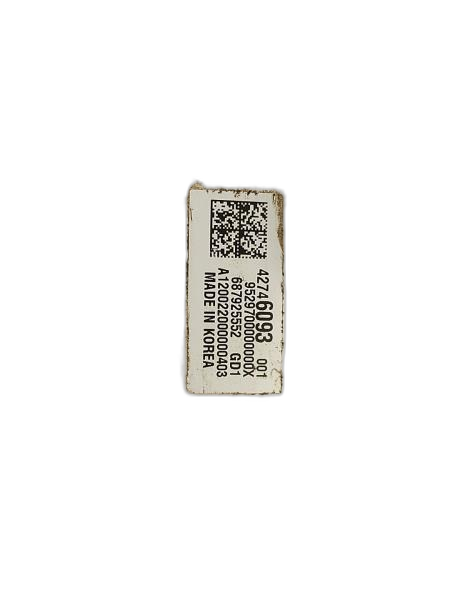
  • GM: 42720984, 42746098, 42783075, 42833707

Fits Years: 2021 2022 2023 2024 2025

Why Millions Choose Go-Parts

Your Go-To Place for Auto Parts!

6-Month Warranty

Shop with confidence and peace of mind

🏆

Trusted Since 2007

Over 19 years of excellence

🏅

OEM Quality

Meets or exceeds OE standards

🚚 Fast Shipping • ↩️ 30-Day Returns • 🎯 Perfect Fit Guaranteed

Racing Partner Videos

×

Search by Vehicle

1
2
3