


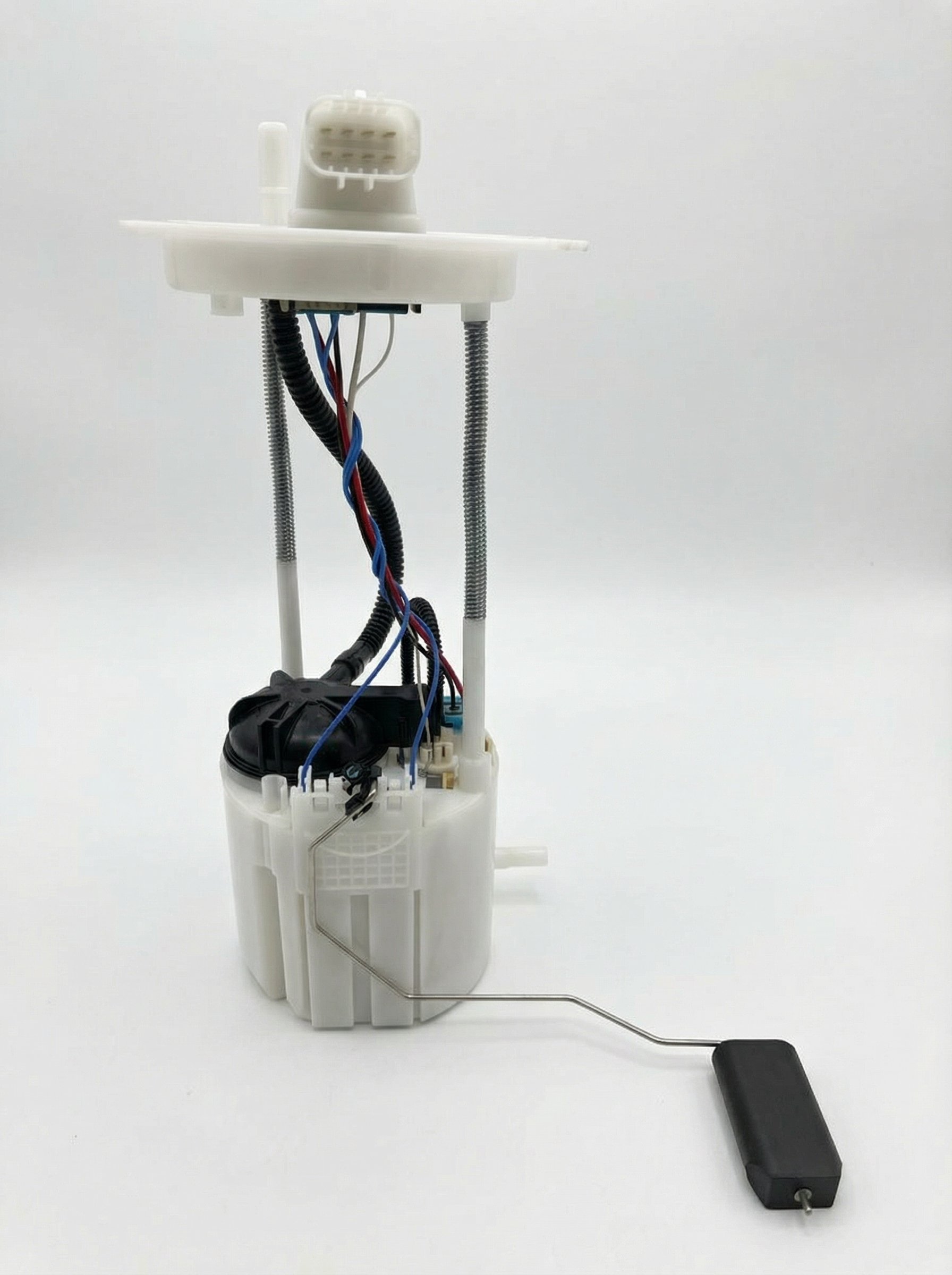

Warning Signs of Fuel Pump Assembly Failure:
- Difficulty starting the engine, especially when the engine is cold
- Engine stalling or sputtering, particularly at higher speeds or under load
- Reduced fuel efficiency
- A whining or buzzing sound coming from the fuel tank area
- Hesitation or lack of power during acceleration
- The engine cranks but doesn't start
How to Test the Fuel Pump Assembly:
- Listen for the fuel pump: Turn the ignition key to the "on" position (but don't start the engine). You should hear the fuel pump prime for a few seconds. If you don't hear it, the fuel pump may be faulty.
- Check fuel pressure: Use a fuel pressure gauge to measure the fuel pressure at the fuel rail. Compare the reading to the manufacturer's specifications. Low fuel pressure indicates a potential fuel pump problem.
- Inspect the fuel pump relay and fuse: A faulty relay or fuse can prevent the fuel pump from operating. Check these components for damage or corrosion.
- Consider professional diagnosis: If you're unsure about testing the fuel pump yourself, take your vehicle to a qualified mechanic for diagnosis.
Common Failure Causes:
- Running the fuel tank consistently low on fuel. The fuel helps cool the fuel pump.
- Contaminated fuel, which can clog the fuel filter and damage the pump.
- Age and wear. Fuel pumps have a limited lifespan and will eventually wear out.
- Electrical issues, such as a short circuit or voltage drop.