


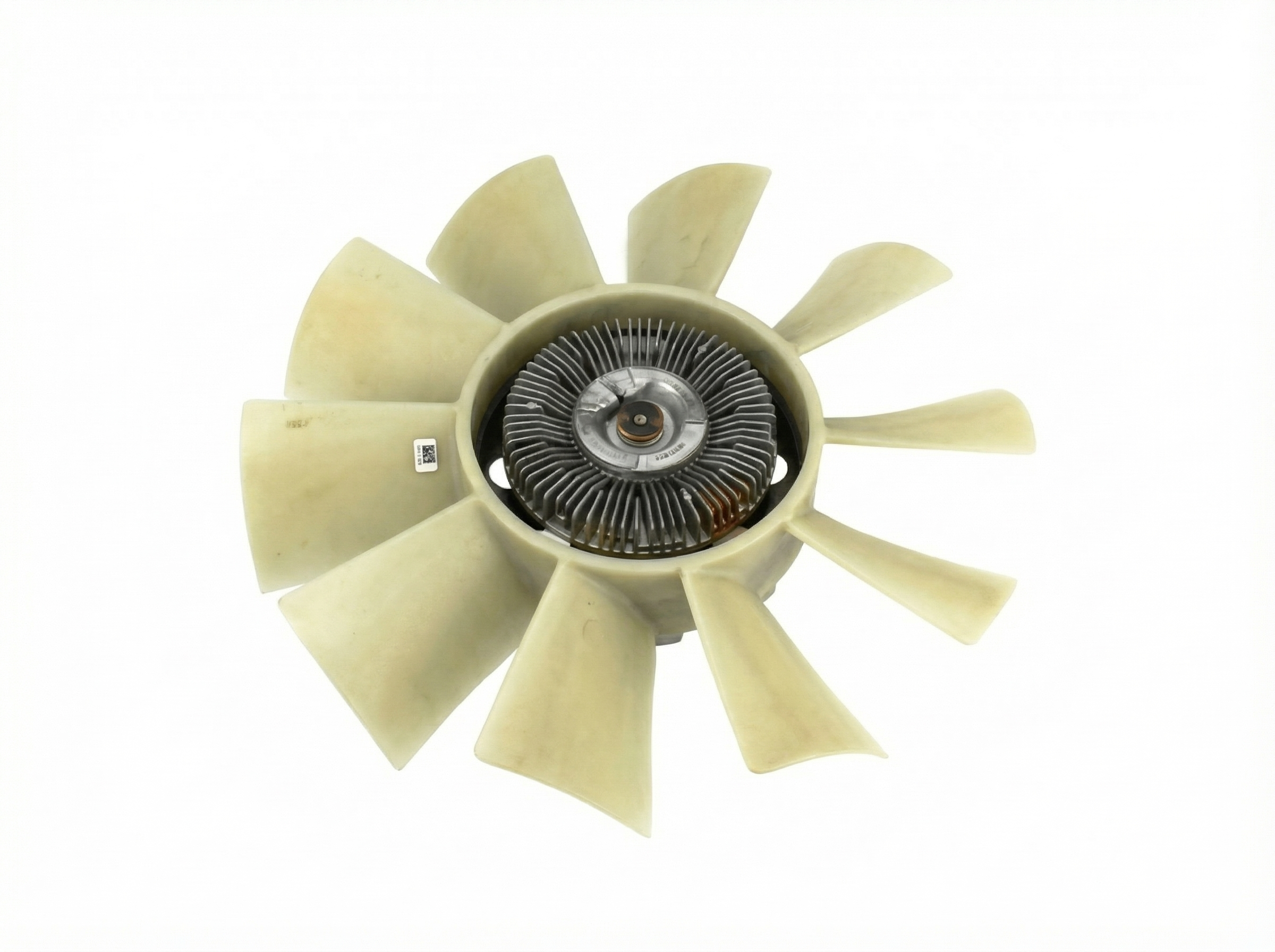

Warning Signs of a Failing Cooling Fan Blade:
- The engine is overheating, especially when idling or in stop-and-go traffic.
- The temperature gauge is reading higher than normal.
- You hear loud or unusual noises coming from the engine bay, like a whirring, clicking, or grinding sound.
- You see visible damage to the fan blade, such as cracks, chips, or missing pieces.
- The air conditioning is not as cold as it used to be, particularly when the car is stopped.
Testing the Cooling Fan Blade:
- Visual Inspection: Carefully inspect the fan blade for any signs of damage. Look for cracks, chips, or missing pieces.
- Manual Rotation: With the engine off and cool, try to rotate the fan blade by hand. It should spin freely without excessive resistance or wobbling.
- Engine Start Test: Start the engine and observe the fan blade. It should start spinning as the engine warms up. If it doesn't spin or spins erratically, there may be an issue with the fan blade or its motor.
- Temperature Monitoring: Monitor the engine temperature gauge while the engine is running. If the temperature rises quickly or exceeds the normal operating range, the fan blade may not be providing adequate cooling.
*Important Note:* If the fan blade appears to be functioning normally, the problem may lie with other components of the cooling system, such as the radiator, thermostat, water pump, or coolant level. A professional mechanic can perform a more thorough diagnosis to pinpoint the exact cause of the overheating.
Common Failure Causes:
- Age and Wear: Over time, the plastic or metal of the fan blade can become brittle and prone to cracking or breaking.
- Impact Damage: Road debris or other objects can strike the fan blade, causing damage that leads to failure.
- Bearing Failure: The bearings that allow the fan blade to spin freely can wear out, causing the fan to wobble or seize up.
- Overheating: Excessive engine heat can weaken the fan blade material, making it more susceptible to damage.