


- Check Engine Light: This is the most common sign. The light might come on and stay on, or it might flash.
- Reduced Engine Performance: Your car might feel sluggish, especially when accelerating.
- Poor Fuel Economy: You might notice you're filling up your gas tank more often.
- Rattling Noises: A damaged catalytic converter can sometimes make rattling sounds from underneath the car.
- Failed Emissions Test: Your car will likely fail an emissions test if the catalytic converter isn't working correctly.
- Sulfur Smell: A rotten egg smell can indicate a problem with the catalytic converter.
How to test if this part is the problem:
- Check for any exhaust leaks before the catalytic converter.
- Use an OBD-II scanner to read the error codes. Codes related to catalytic converter efficiency (like P0420) often point to a problem.
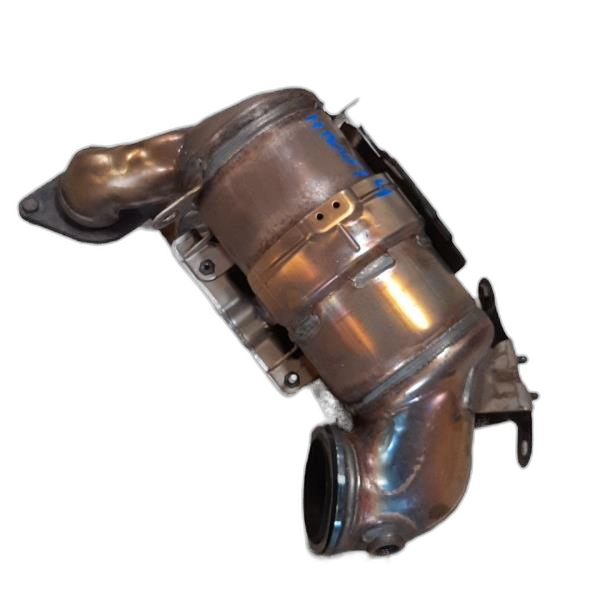
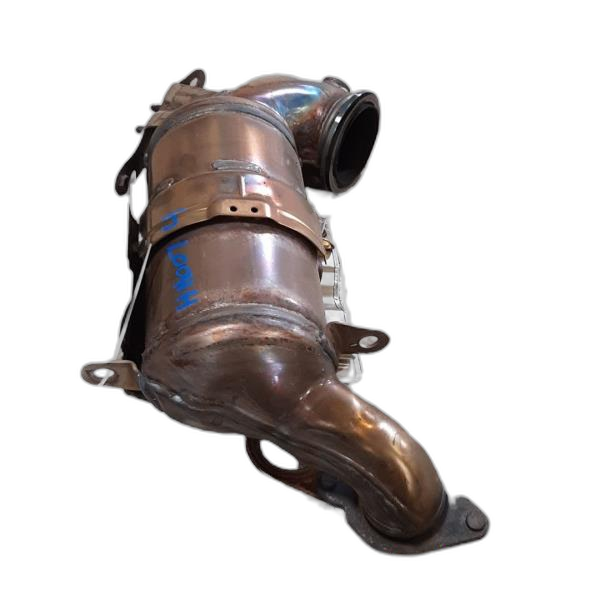
- Visually inspect the catalytic converter for damage, such as dents or cracks.
- A professional can perform an exhaust backpressure test to check for blockage.
Common failure causes:
- Overheating: Excessive heat from engine problems can damage the catalytic converter.
- Contamination: Oil leaks, coolant leaks, or excessive fuel entering the exhaust can contaminate the catalytic converter.
- Physical Damage: Road debris can hit and damage the catalytic converter.
- Age: Catalytic converters wear out over time.