


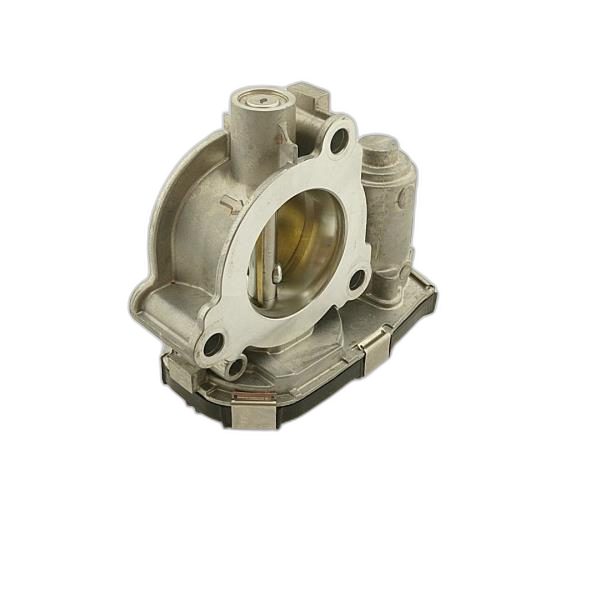
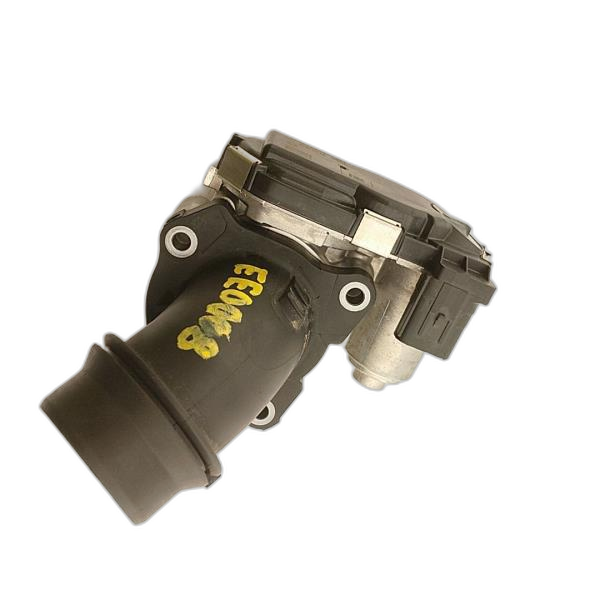
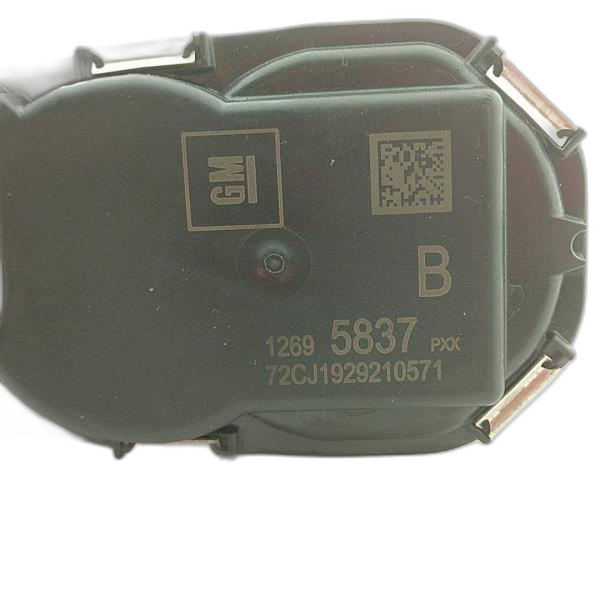
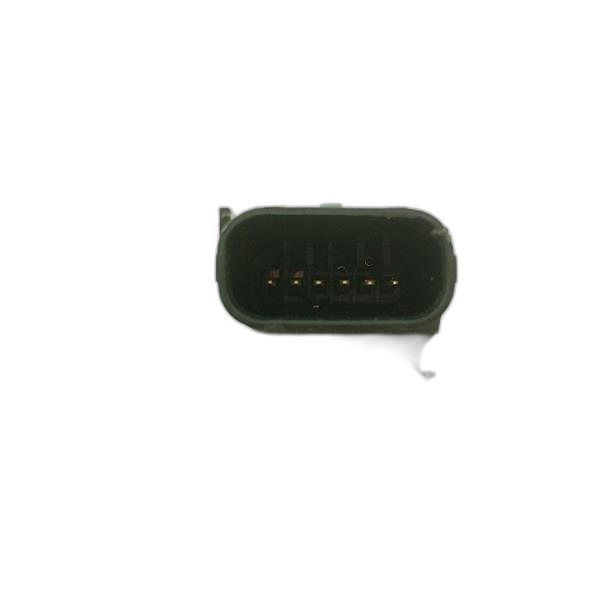

Is your Buick or Chevy acting up? A failing throttle body assembly could be the culprit. Here's how to tell if this part is causing your car's problems.
Warning Signs:
- Rough idling: The engine shakes or runs unevenly when stopped.
- Stalling: The engine shuts off unexpectedly, especially at low speeds.
- Poor acceleration: The car feels sluggish or slow to respond when you press the gas pedal.
- Check Engine Light: This light comes on, often with codes related to the throttle body or engine performance.
- Reduced fuel economy: You're using more gas than usual.
Testing the Throttle Body:
If you notice these symptoms, it's important to figure out if the throttle body assembly is the problem. Here's a simple test:
- Visually inspect: Look for dirt, carbon buildup, or damage on the throttle body.
- Listen for unusual noises: A faulty throttle body might make a clicking or whirring sound.
- Use a scan tool: A mechanic can use a scan tool to check the throttle position sensor and other related data. This will show if the throttle body is opening and closing correctly.
Common Failure Causes:
- Carbon buildup: Dirt and grime can accumulate on the throttle plate, preventing it from opening and closing properly.
- Electrical issues: The throttle position sensor or motor can fail, causing the throttle body to malfunction.
- Wear and tear: Over time, the moving parts of the throttle body can wear out.
- Moisture: Water can get into the throttle body and cause corrosion.