


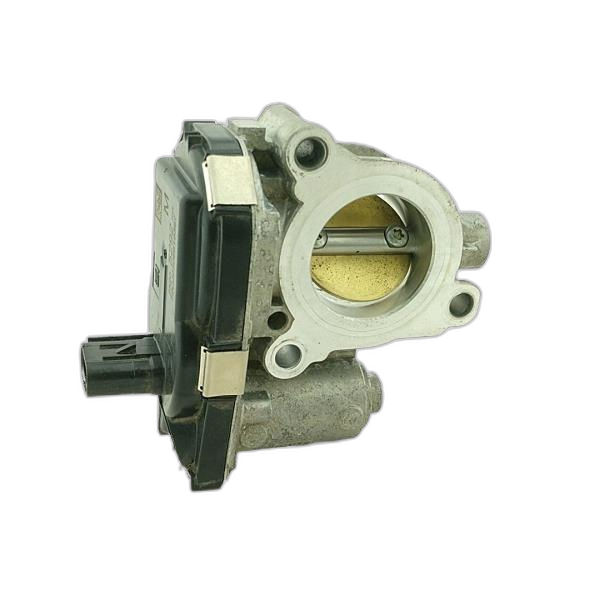
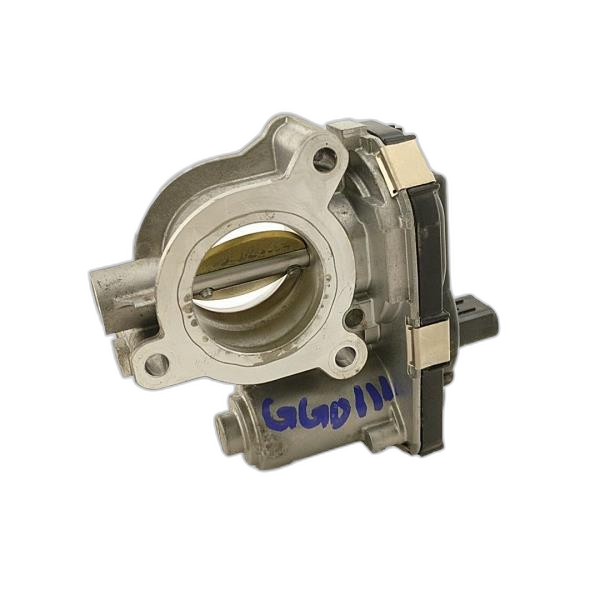
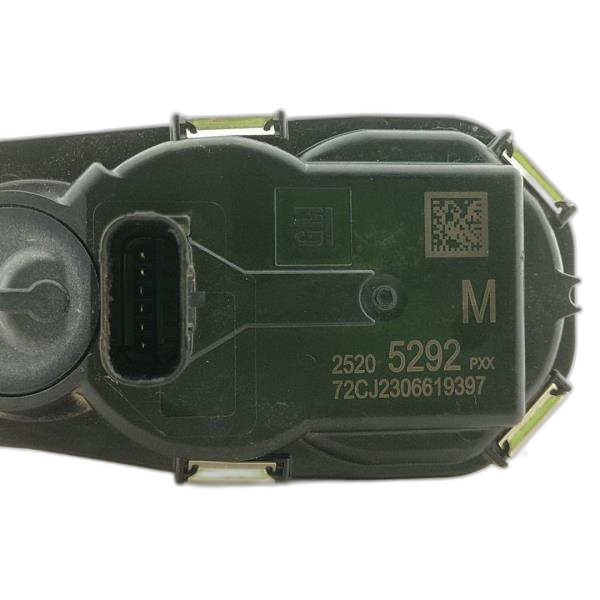

Is your Buick or Chevy acting up? A failing throttle body assembly could be the culprit. Here's how to tell:
Warning Signs:
- Rough idling: The engine struggles to maintain a smooth idle speed.
- Stalling: The engine dies unexpectedly, especially at low speeds.
- Hesitation: The car feels sluggish when you press the gas pedal.
- Poor acceleration: The car doesn't accelerate as quickly as it should.
- Check Engine Light: The light comes on, often with codes related to the throttle body or air intake system.
Testing the Throttle Body:
Before replacing the throttle body, rule out other potential problems:
- Inspect for vacuum leaks: Check hoses and connections around the intake manifold for cracks or looseness.
- Clean the throttle body: A dirty throttle body can cause similar symptoms. Use a throttle body cleaner and a soft cloth.
- Check the mass airflow (MAF) sensor: A faulty MAF sensor can send incorrect information to the engine control unit (ECU), affecting throttle body operation.
- Scan for trouble codes: Use an OBD-II scanner to read any stored codes. These codes can help pinpoint the problem.
Common Causes of Failure:
- Carbon buildup: Dirt and carbon deposits accumulate on the throttle plate and bore, restricting airflow.
- Electrical issues: Problems with the throttle position sensor (TPS) or throttle actuator motor can cause malfunctions.
- Wear and tear: Over time, the moving parts of the throttle body can wear out.
- Moisture: Water entering the throttle body can cause corrosion and damage.