


Warning Signs of a Failing Rear Stabilizer Bar
- Clunking or rattling noises coming from the rear of the vehicle, especially when going over bumps.
- Excessive body roll or leaning during turns. The car may feel unstable.
- Uneven tire wear.
- Poor handling and reduced stability at higher speeds.
- A feeling of looseness or play in the rear suspension.
Testing the Rear Stabilizer Bar
It can be tricky to know if the stabilizer bar itself is the problem or if it's something else. Here's how to check:
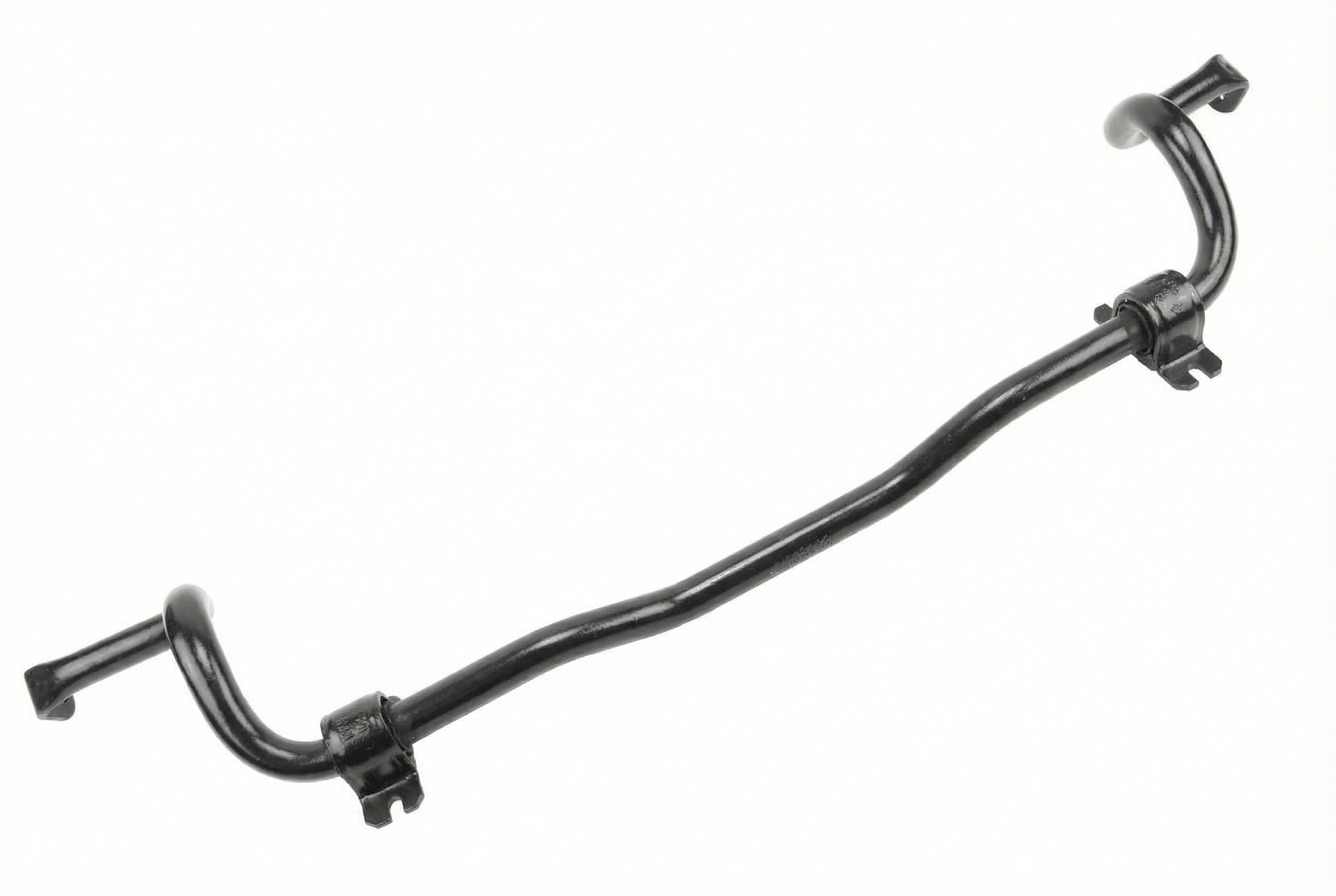
- Visual Inspection: Look for any signs of damage to the stabilizer bar, such as cracks, bends, or rust. Also, check the stabilizer bar bushings and end links for wear, damage, or looseness.
- Bounce Test: Push down firmly on the rear of the vehicle, near the bumper. Release and observe how the vehicle bounces. Excessive bouncing or continued oscillation may indicate a problem with the stabilizer bar or other suspension components.
- Listen for Noises: Have someone drive the vehicle slowly over bumps while you listen for clunking or rattling noises from the rear suspension.
- End Link Check: With the vehicle safely supported, try to move the stabilizer bar end links by hand. Excessive play or looseness indicates worn or damaged end links.
If the stabilizer bar itself is damaged, it needs to be replaced. If the bushings or end links are worn, replacing them can often solve the problem.
Common Causes of Failure
- Corrosion: Rust and corrosion can weaken the stabilizer bar over time, especially in areas with harsh weather conditions.
- Wear and Tear: Constant stress and movement can cause the stabilizer bar bushings and end links to wear out.
- Impact Damage: Hitting potholes or other road hazards can damage the stabilizer bar.
- Overloading: Regularly carrying heavy loads can put extra stress on the rear suspension, leading to premature failure.