


Contact Us
USA Flag
SUPPORT
SMALL BUSINESS
📦 My Cart
- OR -

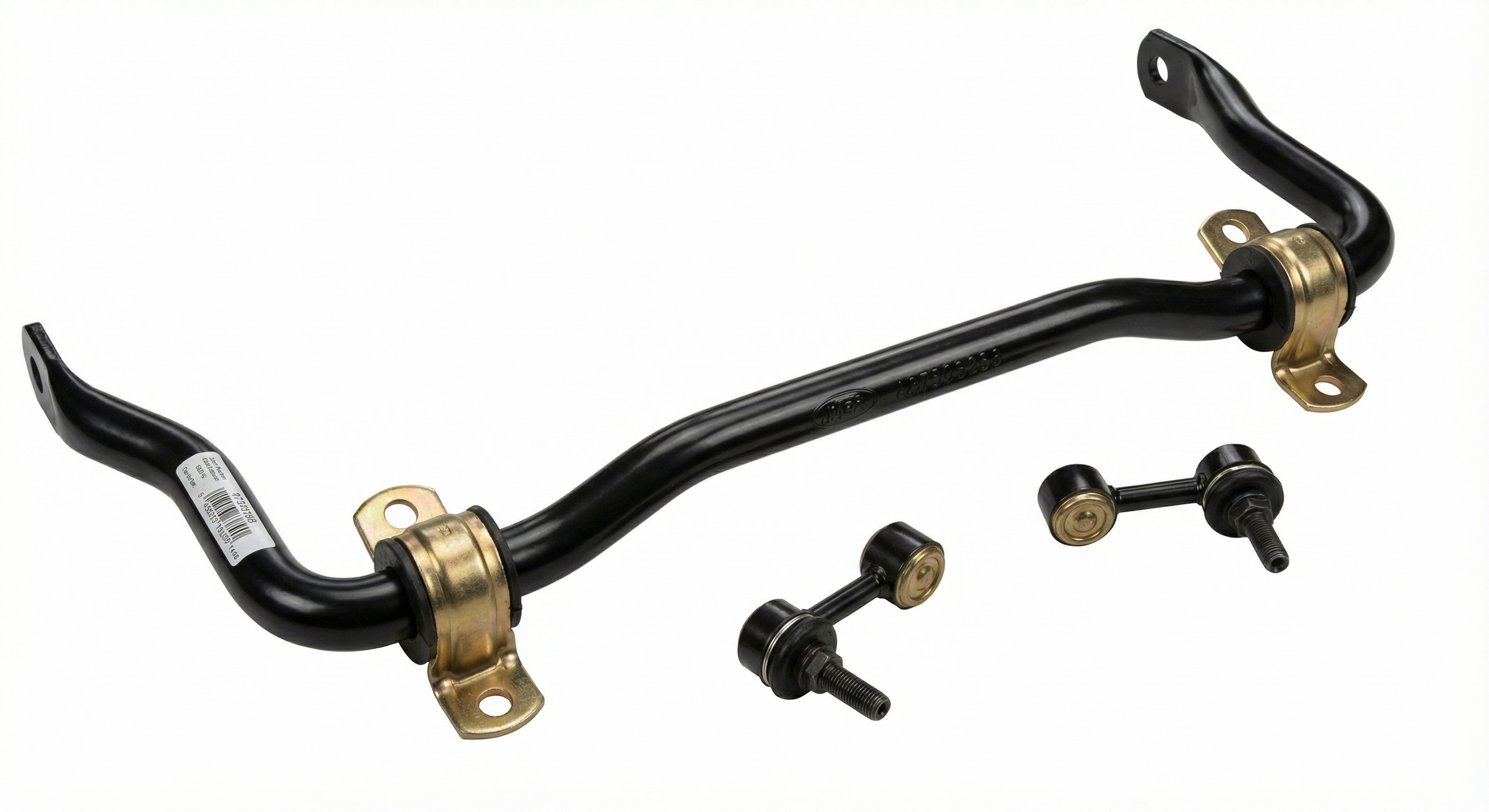
2021 - 2025 Chevrolet Trailblazer Rear Stabilizer Bar - Front (OEM)

Only 1 left in stock
$99.95

ℹ️ Product Notes

This is a used part. It is the front stabilizer bar assembly.

Verify if your vehicle is Front-Wheel Drive (FWD) or All-Wheel Drive (AWD). Models with a sunroof may require a different bar. Check your original part number before buying.

Original Part #(s): 42481714, 42774960, 42774961, 42774962
Condition: Excellent (A)
Like new, minimal to no wear
1,255 miles
Odometer reading when part was removed
SKU #
1720664-2214MG.425

Why Buy Used OEM Parts?

✓ Quality-Verified: Every used OEM part we sell has been professionally inspected and tested to ensure it meets our quality standards. While it may show some cosmetic wear from previous use, it's fully functional and ready to install.

✓ Original Equipment: This is a genuine OEM (Original Equipment Manufacturer) part - the exact same part that came with your vehicle from the factory. It's designed specifically for your make and model, ensuring perfect fitment and performance.

✓ Works Like New: Despite some visual wear, this part will perform just as well as a brand new one. The internal components and functionality are intact, giving you the same reliability you'd expect from OEM quality.

✓ Significant Savings: Save 50-80% compared to buying new! Used OEM parts offer exceptional value - you get factory quality at a fraction of the cost. It's the smart choice for budget-conscious vehicle owners who won't compromise on quality.

✓ Risk-Free Purchase: We stand behind our used parts with a generous 6-month warranty, 30-day returns, and 100% money-back guarantee. If it doesn't work out for any reason, simply return it for a full refund. You have nothing to lose!

🛡️ 30-Day Returns + 6-Month Warranty - Buy with Confidence!

Wrenchy the Robot

Meet Wrenchy - The Amazing Parts Assistant!Meet Wrenchy
The Amazing Assistant!

Let Wrenchy help you confirm if this is the right part.

Ask Wrenchy -
Type or Speak! 🎤

Vehicle Fitment Guide

This part fits the following vehicles:

Chevrolet
Trailblazer 2021-2025 (tapclick to expand)(tapclick to hide)
Swipe left/right to see more info
SubmodelSUB-
MODEL
Body Style Years Engine Attributes
ACTIV SUV 2021 - 2025 L3 1.3L Turbo FWD | Automatic CVT
ACTIV SUV 2021 - 2025 L3 1.3L Turbo AWD | Automatic CVT
ACTIV SUV 2021 - 2025 L3 1.3L Turbo FWD | Automatic
ACTIV SUV 2021 - 2025 L3 1.3L Turbo AWD | Automatic
L SUV 2021 - 2022 L3 1.2L Turbo FWD | Automatic CVT
LS SUV 2021 - 2024 L3 1.2L Turbo FWD | Automatic CVT
LS SUV 2021 - 2024 L3 1.2L Turbo AWD | Automatic CVT
LS SUV 2021 - 2024 L3 1.2L Turbo FWD | Automatic
LS SUV 2021 - 2024 L3 1.2L Turbo AWD | Automatic
LS SUV 2021 - 2025 L3 1.3L Turbo FWD | Automatic CVT
LS SUV 2021 - 2025 L3 1.3L Turbo AWD | Automatic CVT
LS SUV 2021 - 2025 L3 1.3L Turbo FWD | Automatic
LS SUV 2021 - 2025 L3 1.3L Turbo AWD | Automatic
LT SUV 2021 - 2024 L3 1.2L Turbo FWD | Automatic CVT
LT SUV 2021 - 2024 L3 1.2L Turbo AWD | Automatic CVT
LT SUV 2021 - 2024 L3 1.2L Turbo FWD | Automatic
LT SUV 2021 - 2024 L3 1.2L Turbo AWD | Automatic
LT SUV 2021 - 2025 L3 1.3L Turbo FWD | Automatic CVT
LT SUV 2021 - 2025 L3 1.3L Turbo AWD | Automatic CVT
LT SUV 2021 - 2025 L3 1.3L Turbo FWD | Automatic
LT SUV 2021 - 2025 L3 1.3L Turbo AWD | Automatic
RS SUV 2021 - 2025 L3 1.3L Turbo FWD | Automatic CVT
RS SUV 2021 - 2025 L3 1.3L Turbo AWD | Automatic CVT
RS SUV 2021 - 2025 L3 1.3L Turbo FWD | Automatic
RS SUV 2021 - 2025 L3 1.3L Turbo AWD | Automatic
LS SUV 2025 L3 1.2L FLEX Turbo FWD | Automatic CVT
LS SUV 2025 L3 1.2L FLEX Turbo AWD | Automatic CVT
LS SUV 2025 L3 1.2L FLEX Turbo FWD | Automatic
LS SUV 2025 L3 1.2L FLEX Turbo AWD | Automatic
LT SUV 2025 L3 1.2L FLEX Turbo FWD | Automatic CVT
LT SUV 2025 L3 1.2L FLEX Turbo AWD | Automatic CVT
LT SUV 2025 L3 1.2L FLEX Turbo FWD | Automatic
LT SUV 2025 L3 1.2L FLEX Turbo AWD | Automatic

⚠️ Important: Please verify your vehicle's year, make, model, and specifications before ordering. If you're unsure about fitment, contact our customer service team for assistance.

Policies

Shipping & Handling

  • Standard shipping: 3-7 business days via UPS Ground
  • Parts are carefully packaged to prevent damage during transit

Returns (30 Days)

We accept returns within 30 days of delivery for this part.

  • Defective parts: We will replace the part or issue a refund at our discretion
  • Electronic parts: Must be returned with the sealed inspection bag unopened. The clear bag allows full visual inspection before opening. Once opened, electronic parts can only be exchanged for a replacement if defective — no refunds
  • Programming: "Needs to be programmed to my vehicle" is not a valid return reason. Many modules require dealer programming — we're happy to help connect you with resources if your dealer says it's not programmable
  • Return shipping: We cover return shipping as part of our 100% money-back guarantee
  • Parts must be returned in original packaging and unmodified condition
  • Poorly packaged returns that arrive damaged will not be credited

6-Month Warranty

All used parts include a 6-month warranty from the date of purchase.

  • If your part fails within 6 months, we will send a replacement
  • Refunds are only issued if we cannot provide a suitable replacement
  • Warranty covers defects — not installation errors, misuse, or damage after installation

Note: Warranty is for replacement, not refund. A part failing on day 80? We'll replace it. But the return window for refunds is 30 days.

Damaged in Shipping?

If your part arrives damaged:

  • Stop immediately — do not install the part
  • Keep all original packaging and boxes
  • Take clear photos of the damage and packaging
  • Contact us within 48 hours of delivery

We will handle the carrier claim. You are not responsible for shipping damage — we just need your help documenting it.

Order Cancellation

Orders can be cancelled before shipment for a full refund. Once shipped, cancellations follow our return policy.

Symptoms & Diagnosis

Is your Buick, Chevy, or GMC feeling wobbly in turns? A failing rear stabilizer bar can cause several noticeable problems. Here’s how to tell if yours might be going bad:

  • Excessive Body Roll: The car leans more than usual when turning.
  • Unstable Handling: The vehicle feels less stable, especially at higher speeds.
  • Clunking Noises: You hear clunking or rattling sounds coming from the rear suspension, especially when going over bumps.
  • Uneven Tire Wear: One tire might wear out faster than the other on the same axle.
  • Steering Issues: The steering might feel loose or vague.

How to Test:

  1. Park the car on a level surface.
  2. Push down firmly on the rear corner of the vehicle.
  3. Release and observe how the car bounces.
  4. Repeat on the other side.
  5. If one side bounces significantly more than the other, the stabilizer bar or its related components (like bushings or end links) might be worn or broken.
  6. Visually inspect the stabilizer bar, bushings, and end links for damage, cracks, or excessive wear.

Common Failure Causes:

  • Corrosion: Rust can weaken the metal, leading to cracks and breaks.
  • Worn Bushings: The rubber bushings that hold the stabilizer bar in place can dry out, crack, and wear down over time.
  • Damaged End Links: The end links connect the stabilizer bar to the suspension. They can bend, break, or develop excessive play.
  • Impact Damage: Hitting potholes or other road hazards can damage the stabilizer bar or its components.
  • Age: Over time, the metal can fatigue and become more susceptible to failure.

Buyer's Checklist

When buying a rear stabilizer bar, here’s what to consider:

  • Check for Damage: Look for any signs of rust, cracks, or bends.
  • Inspect Bushings: Make sure the bushings are in good condition, without cracks or excessive wear.
  • Verify Compatibility: While fitment is handled separately, double-check that the part is designed for your specific vehicle year and model.
  • Consider the Material: Look for a stabilizer bar made from high-quality steel.

Quality Indicators:

  • Solid Construction: The bar should feel sturdy and well-made.
  • Clean Welds: If there are any welds, they should be smooth and even.
  • Protective Coating: A rust-resistant coating can help extend the life of the part.

What's Typically Included:

  • The stabilizer bar itself.
  • Sometimes, new bushings are included. Check the product description to be sure.
  • End links are usually sold separately.

Installation Overview

Replacing a rear stabilizer bar is a moderately difficult job.

  • Difficulty Level: Medium
  • Estimated Time: 1-3 hours

Special Tools Needed:

  • Socket set
  • Wrench set
  • Jack and jack stands
  • Penetrating oil
  • Torque wrench

Critical Steps and Tips:

  1. Loosen the lug nuts on the rear wheels.
  2. Jack up the vehicle and secure it with jack stands.
  3. Remove the rear wheels.
  4. Spray penetrating oil on the stabilizer bar end link bolts and bushing brackets.
  5. Remove the end links from the stabilizer bar.
  6. Remove the bushing brackets.
  7. Remove the old stabilizer bar.
  8. Install the new stabilizer bar, bushing brackets, and end links.
  9. Torque all bolts to the manufacturer's specifications.
10. Reinstall the wheels. 11. Lower the vehicle. 12. Torque the lug nuts to the manufacturer's specifications.

DIY or Professional Installation?

  • Replacing a rear stabilizer bar can be done at home if you have mechanical experience and the right tools. However, if you are not comfortable working on your car's suspension, it is best to have a professional install it.

Buying Options

There are several options when buying a rear stabilizer bar:

  • Used OEM: These are genuine factory parts that have been removed from used vehicles. They offer excellent value because they are tested and inspected to ensure they are in good working condition and available at a lower price than new parts.
  • Refurbished OEM: These are original equipment parts that have been professionally restored. They may include new bushings or other components.
  • New Aftermarket: These are brand new parts made by third-party manufacturers. They are designed to meet or exceed OE specifications.

Here's a comparison:

FeatureUsed OEMRefurbished OEMNew Aftermarket
OriginGenuine factory partGenuine factory part, restoredThird-party manufacturer
PriceLowestMid-rangeMid-range to Higher
ConditionUsed, tested and inspectedRestored, may include new componentsNew
QualityFactory qualityFactory quality, restoredVaries, built to OE specs
WarrantyVaries by sellerVaries by sellerVaries by seller

All three options can be good choices, depending on your budget and needs.

Typical Lifespan

A rear stabilizer bar typically lasts for 75,000 to 150,000 miles.

Factors that affect longevity:

  • Driving Conditions: Harsh driving conditions, such as rough roads or frequent off-roading, can shorten the lifespan.
  • Climate: Exposure to salt and other road chemicals can accelerate corrosion.
  • Maintenance: Regular inspections and timely replacement of worn bushings and end links can help extend the life of the stabilizer bar.

Price Ranges

The price of a rear stabilizer bar can vary depending on the type and brand.

  • Used OEM: $50 - $150
  • Refurbished OEM: $100 - $200
  • New Aftermarket: $80 - $250

Labor costs for installation can range from $100 to $300, depending on the shop and location.

Total job cost estimates:

  • Used OEM: $150 - $450
  • Refurbished OEM: $200 - $500
  • New Aftermarket: $180 - $550

Vehicle-Specific Notes

Some Buick, Chevy, and GMC models are known to have issues with stabilizer bar bushings wearing out prematurely. Check for any Technical Service Bulletins (TSBs) related to the rear stabilizer bar on your specific vehicle. Some owners have reported clunking noises from the rear suspension, often traced to worn bushings or end links.

Verification After Install

After installing the new rear stabilizer bar, verify proper operation by:

  • Test Driving: Take the vehicle for a test drive and pay attention to how it handles in turns.
  • Listening for Noises: Listen for any unusual noises, such as clunking or rattling.
  • Checking for Body Roll: Observe the amount of body roll when turning. It should be significantly reduced compared to before the replacement.
  • Visual Inspection: After the test drive, inspect the stabilizer bar, bushings, and end links to ensure they are properly installed and there are no signs of binding or interference.

FAQ

Q: What does a rear stabilizer bar do? A: It helps reduce body roll when you turn, making your car more stable.

Q: How do I know if my stabilizer bar is bad? A: Common signs include excessive body roll, clunking noises, and unstable handling.

Q: Can I drive with a broken stabilizer bar? A: It's not recommended. It can affect your car's handling and safety.

Q: Are new bushings included? A: Sometimes, but not always. Check the product description.

Q: Is it hard to replace a stabilizer bar? A: It's a medium-difficulty job. If you're not comfortable working on cars, get a professional to do it.

Part Specifications

OEM Part Numbers:

  • GM: 42481714, 42774960, 42774961, 42774962

Fits Years: 2021 2022 2023 2024 2025

Why Millions Choose Go-Parts

Your Go-To Place for Auto Parts!

6-Month Warranty

Shop with confidence and peace of mind

🏆

Trusted Since 2007

Over 19 years of excellence

🏅

OEM Quality

Meets or exceeds OE standards

🚚 Fast Shipping • ↩️ 30-Day Returns • 🎯 Perfect Fit Guaranteed

Racing Partner Videos

×

Search by Vehicle

1
2
3