


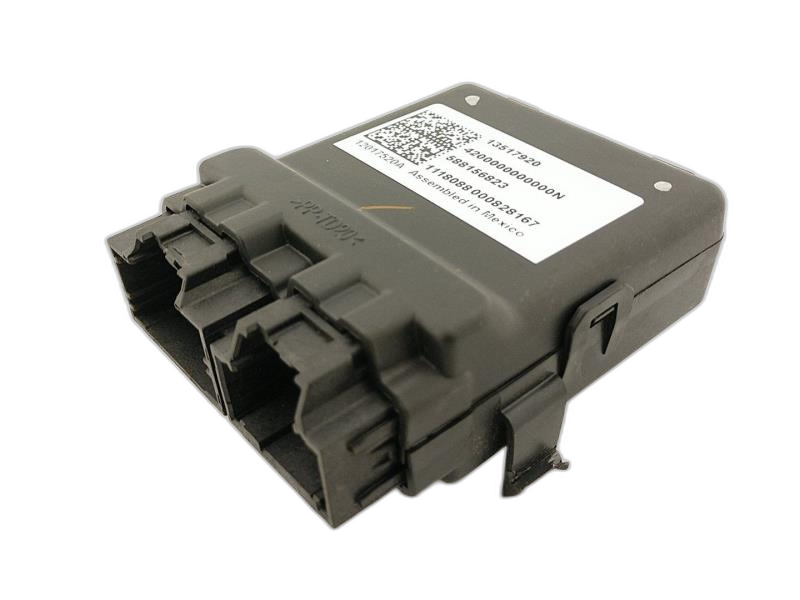
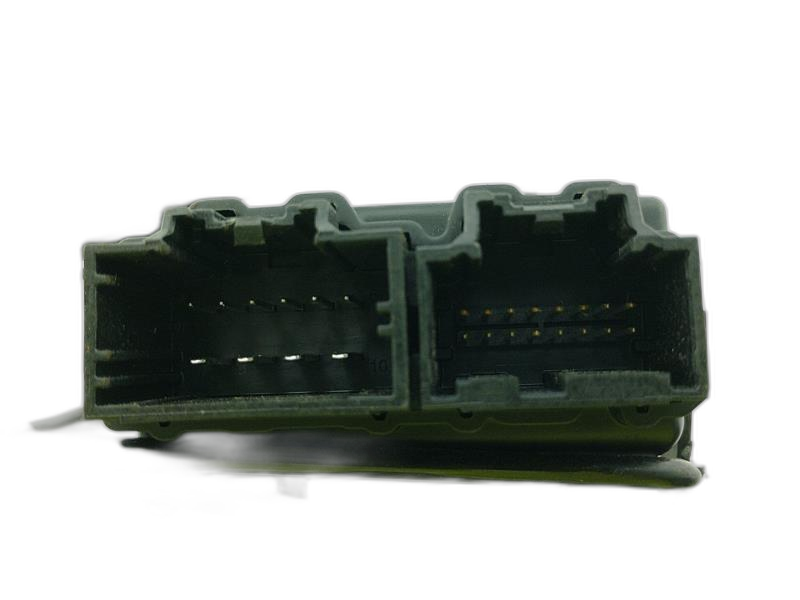
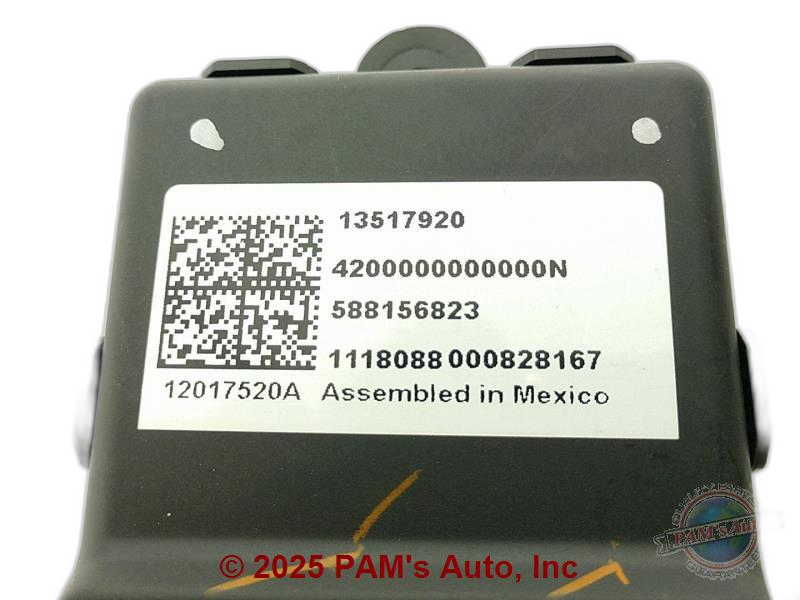

Warning Signs of a Failing Seat Control Module
- Your power seats aren't moving or adjusting.
- Only some seat functions work (like forward/backward but not up/down).
- The seat moves erratically or gets stuck.
- The seat heater isn't working.
- You hear clicking noises from under the seat.
- The seat position memory function isn't working (if equipped).
Testing the Seat Control Module
If your power seats are acting up, it could be the seat control module, but it could also be other things. Here's how to narrow it down:
- Check the Fuse: The easiest first step is to check the fuse for the power seats. A blown fuse is a common problem.
- Inspect the Wiring: Look under the seat for any loose or damaged wires. Make sure the connectors are plugged in securely.
- Test the Motor: If you can access the seat motor, try testing it directly with a power source. If the motor works, the problem is likely the module.
- Use a Scan Tool: A mechanic can use a scan tool to check for error codes related to the seat control module. This is the most accurate way to diagnose the problem.
Common Causes of Seat Control Module Failure
- Water Damage: Spilled drinks or leaks can damage the module's electronics.
- Electrical Surges: Power surges in the vehicle's electrical system can fry the module.
- Wear and Tear: Over time, the module's internal components can wear out.
- Corrosion: Corrosion on the connectors can cause poor electrical connections.
- Physical Damage: Impact from objects under the seat can damage the module.