


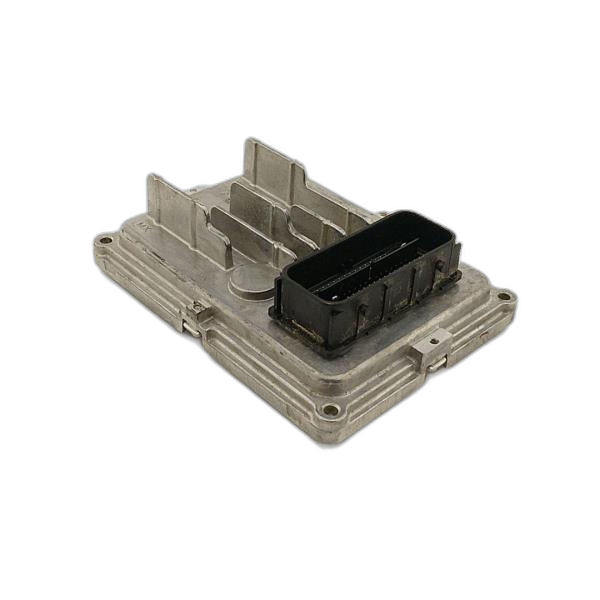
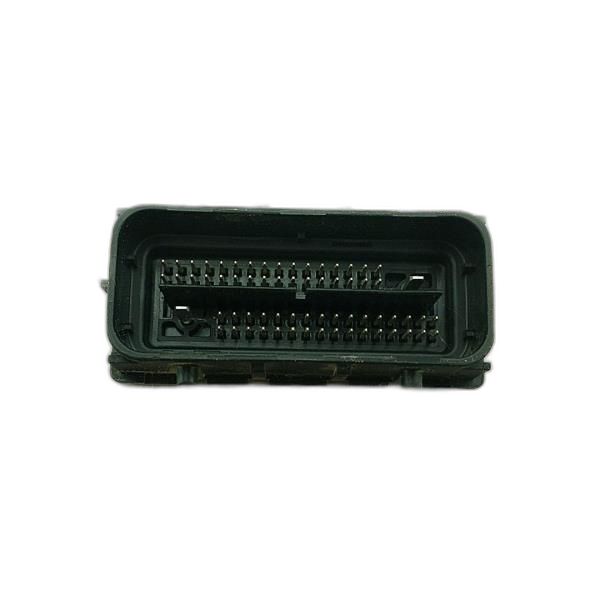
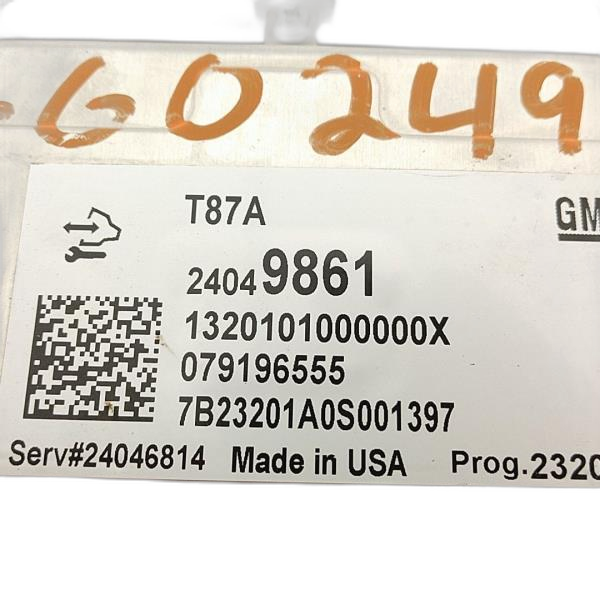

Warning Signs of a Failing Transmission Control Module (TCM)
- Erratic shifting or failure to shift
- Transmission slipping
- Harsh or delayed gear engagement
- Check Engine Light is on
- Vehicle stuck in limp mode (reduced power)
- Poor fuel economy
Testing the TCM
It can be tricky to know if the TCM is the problem. Here's how to check:
- Scan for Diagnostic Trouble Codes (DTCs): Use an OBD-II scanner to see if any transmission-related codes are present. These codes can point to a TCM issue.
- Check Wiring and Connections: Inspect the wiring harness and connectors leading to the TCM for damage, corrosion, or loose connections.
- Test Input and Output Signals: A mechanic can use a multimeter or oscilloscope to test the signals going in and out of the TCM. This helps determine if the TCM is sending and receiving the correct information.
- Consider Other Components: Rule out other potential causes like low transmission fluid, faulty sensors, or a bad valve body.
Common Failure Causes
- Overheating: High temperatures can damage the TCM's internal components.
- Electrical surges: Voltage spikes can fry the TCM's circuitry.
- Vibration: Constant vibration can loosen connections and cause internal damage.
- Water damage: Exposure to moisture can corrode the TCM's internal components.
- Age: Like any electronic component, TCMs can simply wear out over time.