


Warning Signs Your Starter Motor is Failing
- The engine cranks slowly or not at all.
- You hear a clicking sound when trying to start the car.
- The starter motor continues to run after the engine has started.
- The car starts intermittently or only after multiple attempts.
- You notice smoke or a burning smell coming from the engine area.
How to Test if This Part is the Problem
- Check the battery: Make sure the battery is fully charged and the connections are clean and tight. A weak battery can mimic starter problems.
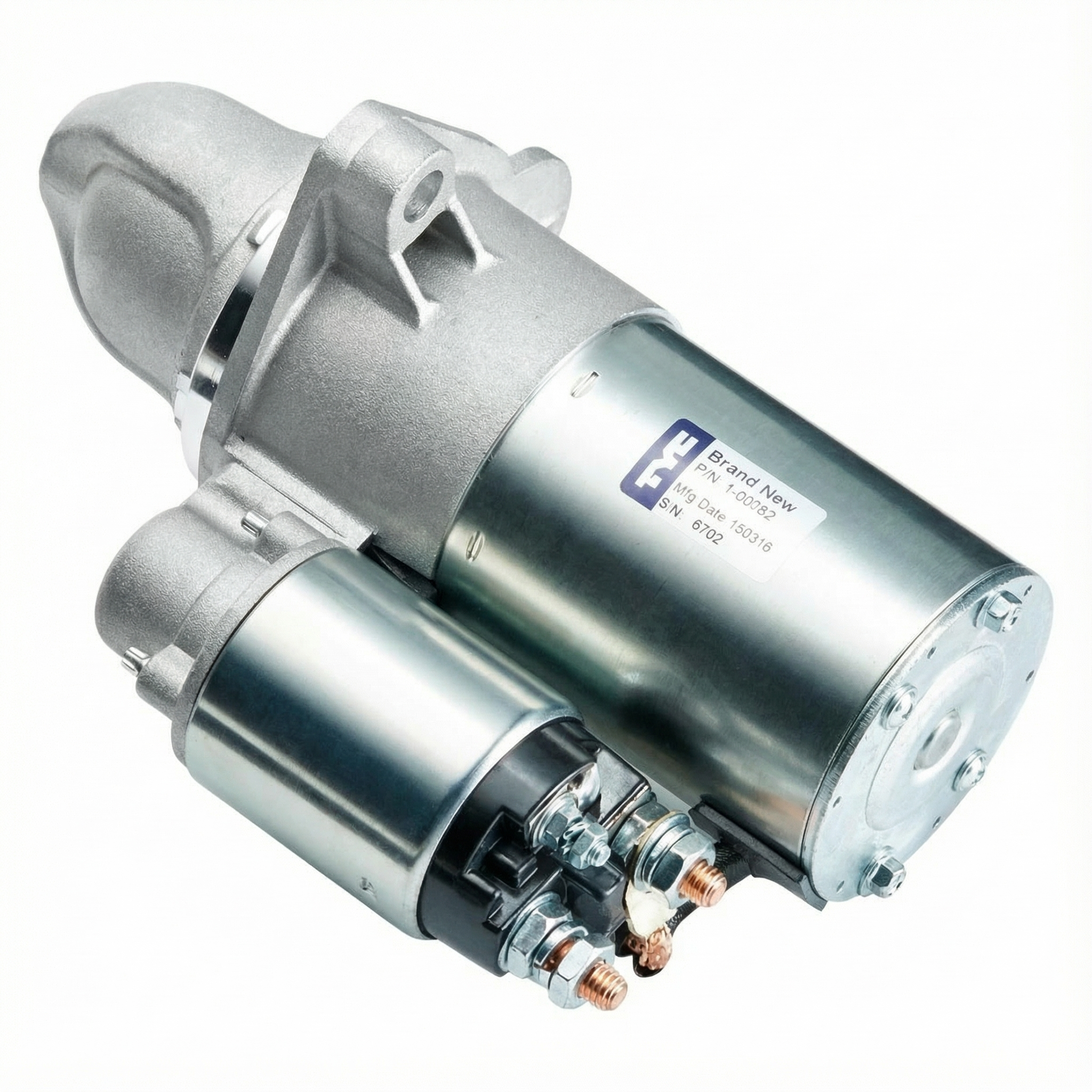
- Listen for a click: When you turn the key, listen for a single click from the starter solenoid. If you hear it, the solenoid is likely working, but the starter motor itself may be faulty. If you don't hear anything, the solenoid or the wiring to it could be the problem.
- Check the wiring: Inspect the wires and connections to the starter for corrosion, damage, or looseness. Clean and tighten any connections.
- Bypass the solenoid (advanced): Warning: This test requires some mechanical knowledge and safety precautions. Consult a professional if you are not comfortable doing this. Briefly jump the starter motor directly to the battery. If the starter spins, the problem is likely in the solenoid or the wiring to it. If it doesn't spin, the starter motor is likely faulty.
Common Failure Causes for This Part
- Wear and tear: Over time, the brushes, bearings, and other internal components of the starter motor can wear out.
- Corrosion: Moisture and road salt can corrode the electrical connections and internal parts of the starter motor.
- Heat: Excessive heat from the engine can damage the starter motor.
- Oil leaks: Oil leaks can contaminate the starter motor and cause it to fail.
- Faulty solenoid: The solenoid is an electromagnetic switch that engages the starter motor. If the solenoid fails, the starter motor will not work.