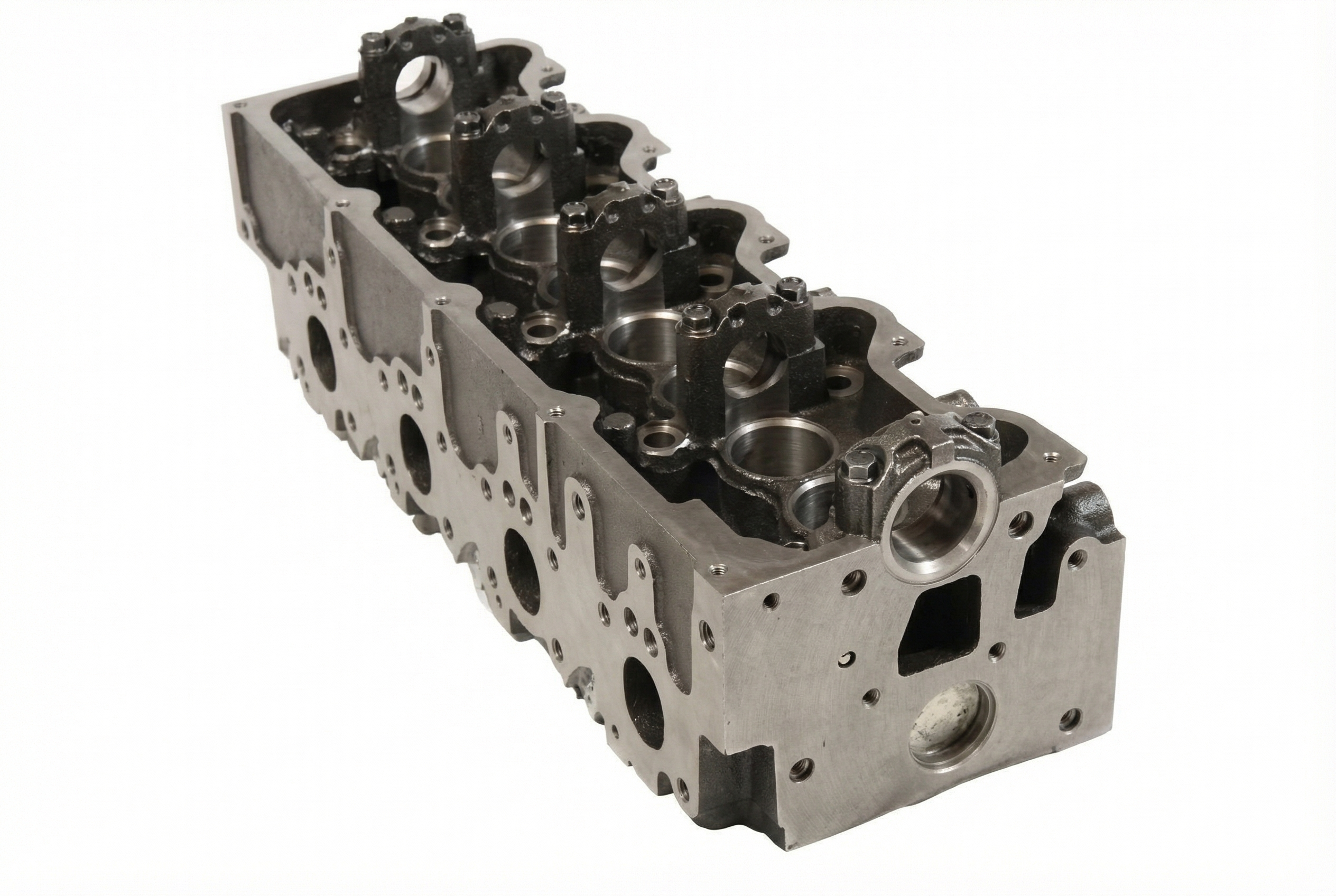
How to confirm proper operation:
- Check for leaks (coolant, oil, exhaust).
- Monitor engine temperature.
- Check the oil level and condition.
- Scan for any diagnostic trouble codes (DTCs).
What to look/listen for to verify it's working correctly:
- Smooth engine running.
- No unusual noises.
- Normal engine temperature.
- No white smoke from the exhaust.
FAQ
Q: How do I know if my cylinder head is cracked?
A: Look for white smoke from the exhaust, coolant loss, or milky oil. A pressure test or visual inspection by a mechanic can confirm a crack.
Q: Can I replace just one cylinder head, or do I need to replace both?
A: It is generally recommended to replace both cylinder heads at the same time to ensure balanced engine performance and prevent future issues. However, if only one head is damaged, replacing just that one is possible, but it's important to ensure it matches the specifications of the other head.
Q: What kind of coolant should I use with this cylinder head?
A: Use the coolant specified in your vehicle's owner's manual. Using the wrong coolant can cause corrosion and damage to the cooling system.
Q: What should I do if I over-torque the head bolts?
A: Over-torquing head bolts can damage the threads in the engine block or the cylinder head. If you over-torque a head bolt, it should be replaced with a new one, and the torqueing process should be restarted from the beginning. It's crucial to use a torque wrench and follow the manufacturer's specifications.
Q: What is the difference between a used OEM and a refurbished OEM cylinder head?
A: A used OEM cylinder head is a genuine factory part that has been removed from a vehicle and inspected for damage. A refurbished OEM cylinder head is also a genuine factory part, but it has been professionally restored with new components, such as valves, valve springs, and seals. Refurbished heads are generally in better condition than used heads.