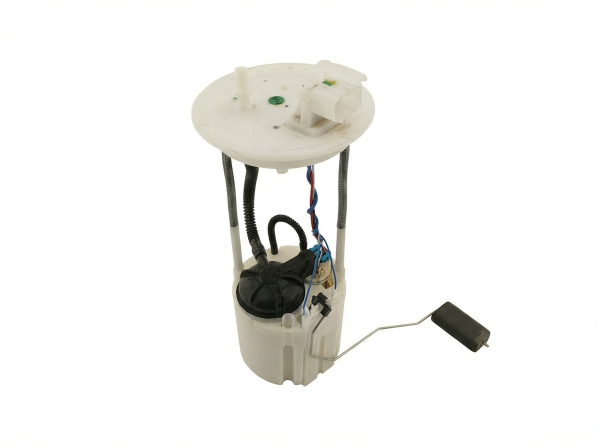
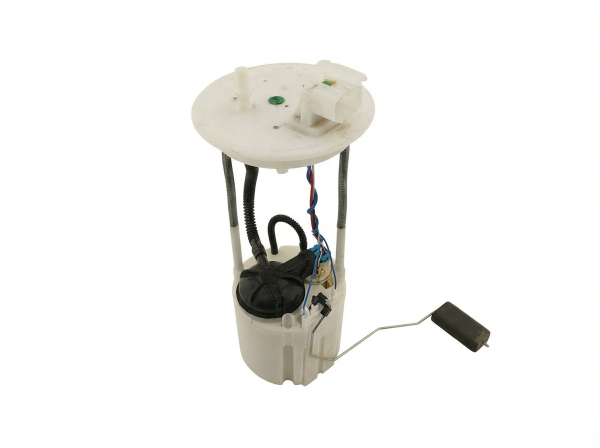
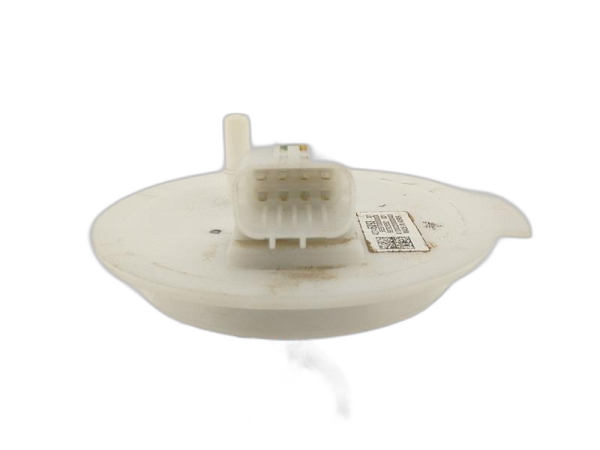
OEM Fuel Pump Assembly for 2020-2025 Buick & Chevrolet • Encore GX, Trailblazer
Product Notes
This fuel pump assembly is for All-Wheel Drive (AWD) models only. It will not fit Front-Wheel Drive (FWD) vehicles.
Why Buy Used OEM Parts?
- ✓ Quality-Verified: Every used OEM part we sell has been professionally inspected and tested. While it may show some cosmetic wear, it's fully functional and ready to install.
- ✓ Original Equipment: This is a genuine OEM part — the exact part that came with your vehicle from the factory. Perfect fitment and performance.
- ✓ Works Like New: Despite visual wear, internal components and functionality are intact. Same reliability you'd expect from OEM quality.
- ✓ Significant Savings: Save 50–80% vs. new. Factory quality at a fraction of the cost — the smart choice for budget-conscious owners.

Meet Wrenchy - The Amazing Parts Assistant!
Voice or type your vehicle details and Wrenchy will confirm fitment in seconds.
 Ask Wrenchy →
Vehicle Fitment Guide
This part fits the following vehicles:
| SubmodelSUB- MODEL |
Body Style | Years | Engine | Attributes |
|---|---|---|---|---|
| 2021 |
| SubmodelSUB- MODEL |
Body Style | Years | Engine | Attributes |
|---|---|---|---|---|
| 2023 |
Policies
Shipping & Handling
- Standard shipping: 3-7 business days via UPS Ground
- Parts are carefully packaged to prevent damage during transit
Returns (30 Days)
We accept returns within 30 days of delivery for this part.
- Defective parts: We will replace the part or issue a refund at our discretion
- Electronic parts: Must be returned with the sealed inspection bag unopened. The clear bag allows full visual inspection before opening. Once opened, electronic parts can only be exchanged for a replacement if defective — no refunds
- Programming: "Needs to be programmed to my vehicle" is not a valid return reason. Many modules require dealer programming — we're happy to help connect you with resources if your dealer says it's not programmable
- Return shipping: We cover return shipping as part of our 100% money-back guarantee
- Parts must be returned in original packaging and unmodified condition
- Poorly packaged returns that arrive damaged will not be credited
6-Month Warranty
All used parts include a 6-month warranty from the date of purchase.
- If your part fails within 6 months, we will send a replacement
- Refunds are only issued if we cannot provide a suitable replacement
- Warranty covers defects — not installation errors, misuse, or damage after installation
Note: Warranty is for replacement, not refund. A part failing on day 80? We'll replace it. But the return window for refunds is 30 days.
Damaged in Shipping?
If your part arrives damaged:
- Stop immediately — do not install the part
- Keep all original packaging and boxes
- Take clear photos of the damage and packaging
- Contact us within 48 hours of delivery
We will handle the carrier claim. You are not responsible for shipping damage — we just need your help documenting it.
Order Cancellation
Orders can be cancelled before shipment for a full refund. Once shipped, cancellations follow our return policy.
2020-2025 Buick Encore GX & Chevrolet Trailblazer AWD Fuel Pump: Stalling, Fuel Gauge Issues, and Replacement Guide
This guide covers the common failure symptoms, replacement costs, and critical compatibility warnings for the All-Wheel Drive fuel pump in the 2020-2025 Buick Encore GX and 2021-2025 Chevrolet Trailblazer.
Read Full Guide →⚠️ Related Trouble Codes (OBD-II)
2 matching guidesIf your scan tool is showing one of these trouble codes, this part is a common fix. Each guide explains the code, how to diagnose it, and exactly what to replace.
Miscellaneous Information
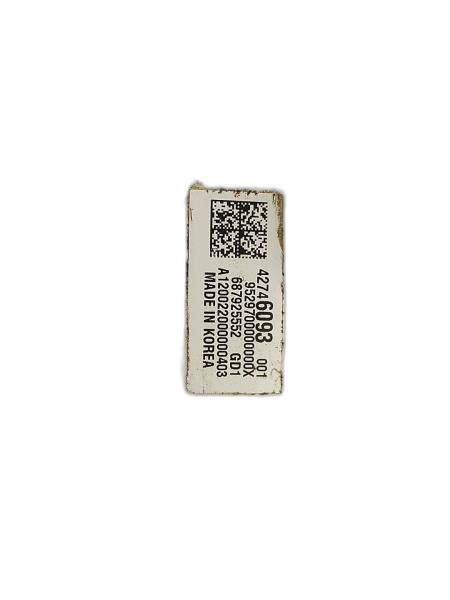
OEM Part Numbers:
GM: 42720984, 42746098, 42783075, 42833707
Fits Years: 2020 2021 2022 2023 2024 2025
Your Go-To Place
for auto parts.
In operation since 2007. Trusted by over a million DIYers, mechanics, and body shops across all 50 states.
Shop With Total Confidence
Not happy with what arrived? 30-day returns, no-questions-asked refund. We make it right.
Trusted Since 2007
Nearly two decades of shipping parts to professionals & enthusiasts.
Backed For The Long Haul
This part ships with a 6-month warranty. If it doesn't fit or stops working, we replace or refund — no hassle.
What buyers are saying.
Racing Partner Videos