


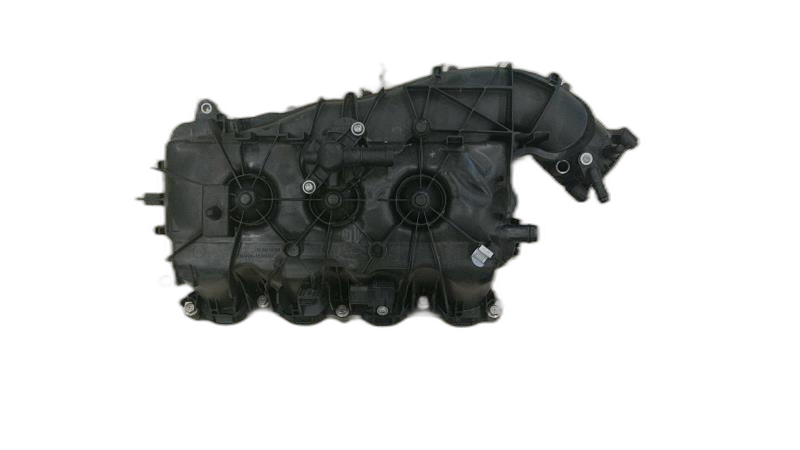
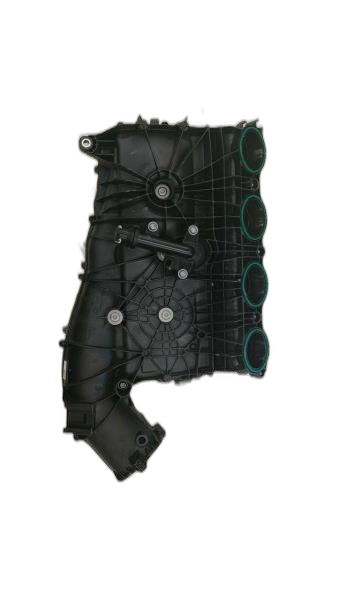
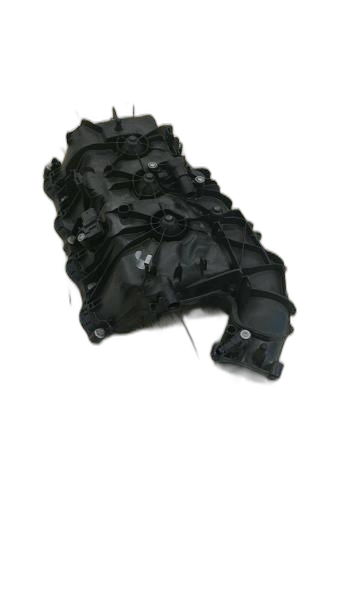
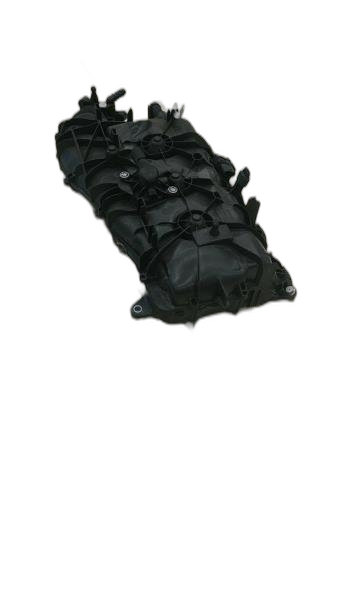
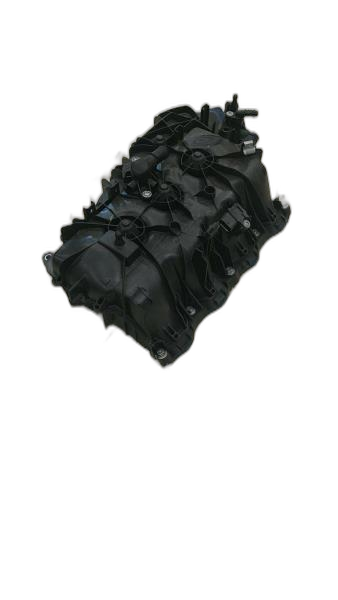
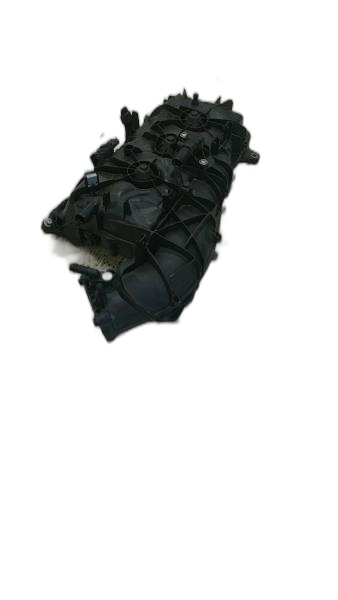

Is your BMW running rough, losing power, or throwing engine codes? A failing intake manifold assembly could be the culprit. Here's how to tell:
- Rough Idling: The engine shakes or sputters when stopped.
- Reduced Power: The car feels sluggish, especially during acceleration.
- Check Engine Light: The light comes on, often with codes related to air leaks or fuel mixture problems.
- Whistling Noise: A hissing or whistling sound coming from the engine bay, indicating a vacuum leak.
- Poor Fuel Economy: Noticeably decreased gas mileage.
Testing the Intake Manifold:
- Visually inspect the manifold for cracks or damage.
- Check all vacuum lines connected to the manifold for leaks.
- Use a smoke machine to detect vacuum leaks. Smoke will escape from any cracks or loose connections.
- Listen for unusual noises, like hissing, around the manifold.
- Monitor fuel trims with a scan tool. High fuel trims can indicate a vacuum leak.
Common Causes of Failure:
- Cracks: Plastic manifolds can crack over time due to heat and stress.
- Vacuum Leaks: Gaskets and seals can deteriorate, causing air leaks.
- Actuator Failure: The DISA valve (if equipped) can fail, affecting airflow.
- Clogging: Carbon buildup can restrict airflow, especially in direct-injection engines.