


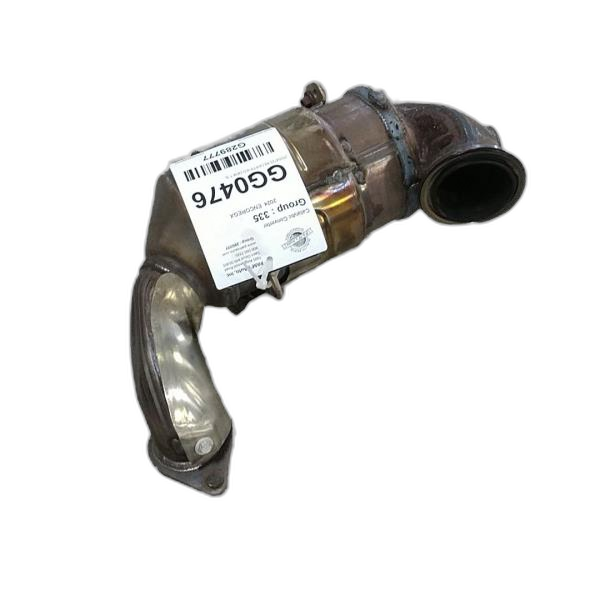

Warning Signs of a Failing Catalytic Converter
- Reduced engine power and acceleration
- Poor fuel economy
- A rattling noise coming from underneath the car
- The Check Engine light is on
- A sulfur or rotten egg smell coming from the exhaust
- Failed emissions test
Testing the Catalytic Converter
If you're experiencing the symptoms above, it's important to determine if the catalytic converter is the actual problem. Here's how:
- Visual Inspection: Check for physical damage like dents, rust, or cracks.
- Exhaust Backpressure Test: A mechanic can measure the backpressure in the exhaust system. High backpressure indicates a blockage in the catalytic converter.
- Temperature Test: A working catalytic converter will be hotter at the outlet than the inlet. A significant difference in temperature suggests it's functioning properly. If the outlet is cooler, it may be failing.
- OBD-II Scanner: Use a scanner to check for codes related to catalytic converter efficiency (e.g., P0420). Note that other issues can trigger these codes, so further diagnosis is needed.
Common Causes of Catalytic Converter Failure
- Contaminated Fuel: Leaded fuel or excessive oil consumption can poison the catalyst.
- Overheating: Engine misfires or running too rich can cause the catalytic converter to overheat and melt down.
- Physical Damage: Road debris or accidents can damage the converter.
- Age: Catalytic converters have a limited lifespan and will eventually wear out.
- Faulty Oxygen Sensors: Malfunctioning oxygen sensors can cause the engine to run improperly, damaging the converter.