

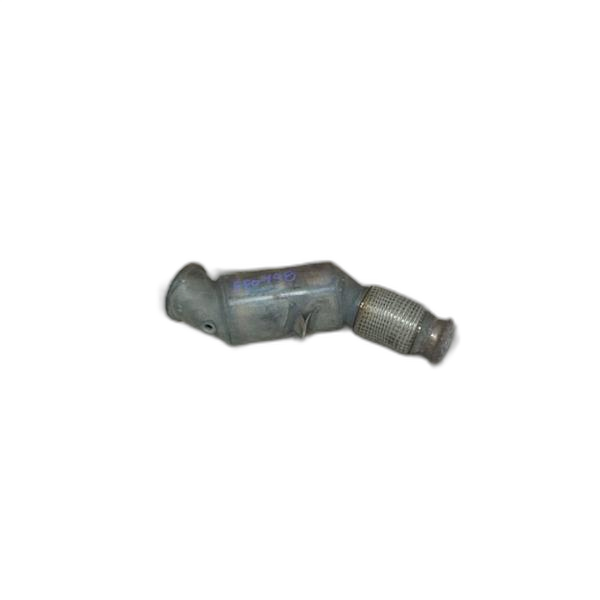

Warning signs that your BMW's catalytic converter may be failing include:
- Check Engine Light: This is the most common symptom. The light may come on and off.
- Reduced Engine Performance: You might notice less power when accelerating.
- Poor Fuel Economy: Your gas mileage may decrease noticeably.
- Rattling Noise: Internal damage can cause a rattling sound from underneath the car.
- Failed Emissions Test: The car will likely fail an emissions test if the catalytic converter isn't working correctly.
- Smell of Rotten Eggs: This indicates a sulfur smell, often caused by a failing catalytic converter.
To test if the catalytic converter is the problem:
- Check for exhaust leaks. Leaks can mimic catalytic converter failure symptoms.
- Use an OBD-II scanner to read the error codes. Codes like P0420 or P0430 often indicate a catalytic converter issue.
- A mechanic can perform an exhaust back pressure test. High back pressure can indicate a clogged converter.
- An infrared thermometer can measure the temperature before and after the catalytic converter. The outlet temperature should be higher than the inlet temperature if it is functioning properly.
Common causes of catalytic converter failure:
- Contamination: Oil leaks, coolant leaks, or excessive fuel can damage the converter.
- Physical Damage: Road debris or accidents can damage the converter's internal components.
- Overheating: Engine misfires or running too rich can cause the converter to overheat and fail.
- Age and Wear: Catalytic converters degrade over time, especially with high mileage.