

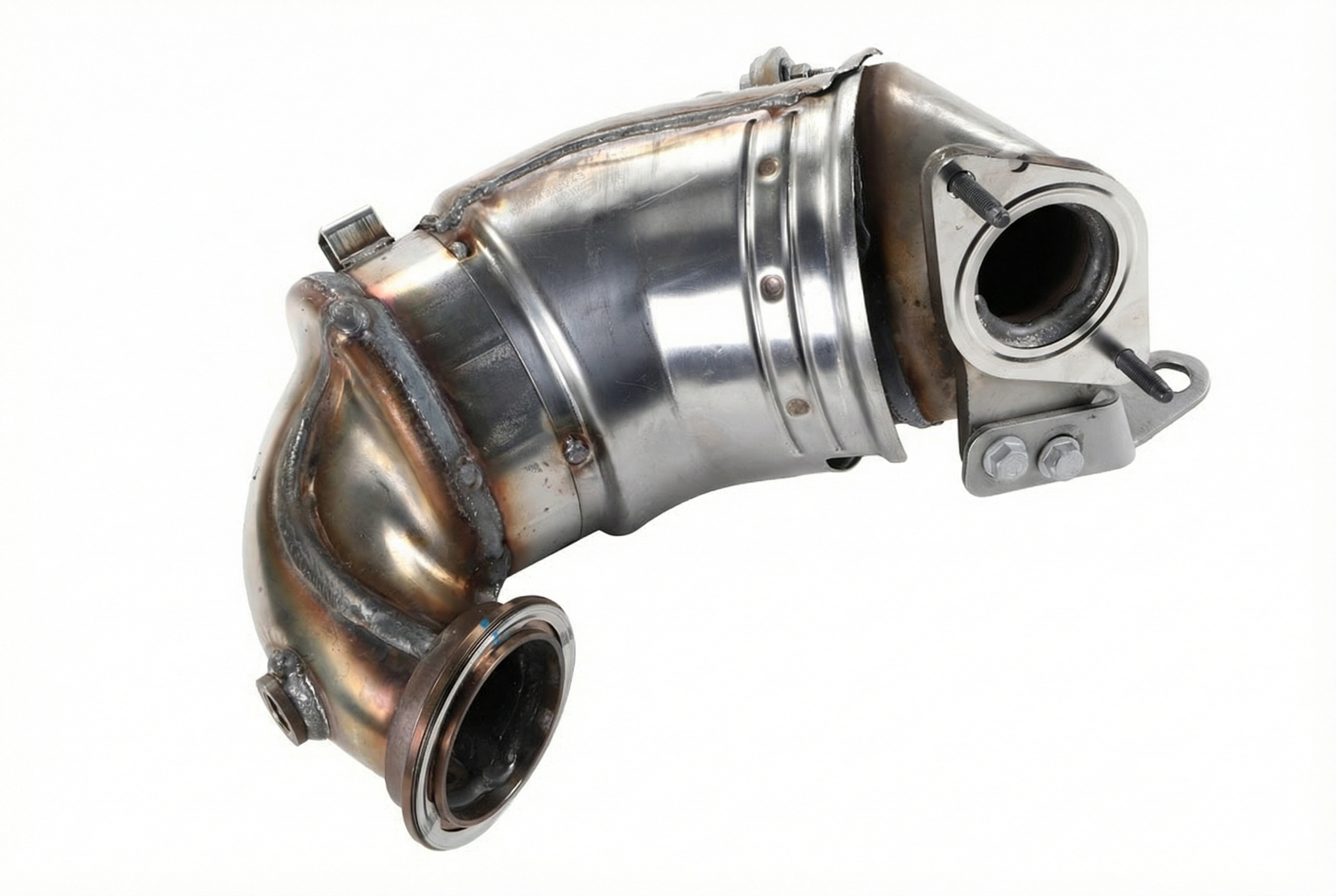

Is your Buick or Chevy acting up? A failing catalytic converter could be the culprit. Here's how to tell:
- Reduced Engine Power: Your car might feel sluggish, especially when accelerating.
- Poor Fuel Economy: You might notice you're filling up more often.
- Check Engine Light: This is a common sign, often with codes related to emissions.
- Rattling Noise: Internal damage can cause a rattling sound from under the car.
- Failed Emissions Test: Your car might not pass inspection due to high emissions readings.
- Sulfur Smell: A rotten egg smell can indicate a problem with the converter.
Testing the Catalytic Converter:
- Check for exhaust leaks before the converter. Leaks can skew test results.
- Use a scan tool to check the oxygen sensor readings before and after the converter. The downstream sensor should show a smoother reading than the upstream sensor if the converter is working properly.
- A backpressure test can also be performed to check for blockage.
Common Failure Causes:
- Overheating: This can be caused by engine misfires or other issues.
- Contamination: Oil or coolant leaks can damage the converter.
- Physical Damage: Road debris can crack or break the converter.
- Age: Over time, the converter's efficiency can decrease.